

Basics About Bell Tents
- What is a bell tent?
A bell tent is a type of camping shelter notable for its circular base, cone-shaped roof, and A-frame entrance. This style of tent has been used for centuries as temporary and semi-permanent shelters for various outdoor activities, including camping, glamping, and long-term nomadic living. In modern-day applications, bell tents are commonly made from high-quality materials like thick cotton canvas and durable galvanized steel. Between its iconic shape and high-quality construction, a bell tent effortlessly blends function with style for an elevated experience outdoors.
Table Of Contents
- How is a bell tent different from other types of tents?
The differences between bell tents and other types of tents will depend on the style of tent you’re comparing them to. When compared to other styles of canvas camping tents, the main characteristic that differs is the bell tent’s shape and design. While most other canvas tents feature boxy designs, bell tents are one of the only styles with a circular base and conical shape. This gives bell tents a unique edge over other styles, offering campers unmatched headroom and superior performance in windy conditions. Because of this unique design, bell tents are also typically easier and quicker to set up than other canvas tent styles. When compared to most synthetic tents, bell tents differ in their superior resistance to weather, 4-season compatibility, and overall comfort.
- How many people can be accommodated in a bell tent?
The exact number of people a bell tent can accommodate will depend on the brand, its size, and whether you’re using it for camping or glamping. White Duck Outdoor’s smallest bell tent, for example, is the 8’ Mini Regatta, which can accommodate 2 people for camping. Their largest bell tent is the Avalon Optimus, measuring 23’ in diameter, and sleeps up to 12 campers or 6 glampers. Since glamping typically involves large furniture, like bed frames, there’s naturally less space for people, decreasing the tent’s capacity.
Keep in mind that the exact shape and size range of a bell tent will differ from brand to brand, which may ultimately affect the number of people that it can accommodate.
- Are bell tents easy to set up?
Yes, bell tents are relatively easy to set up, especially compared to other styles of canvas tents with more complex frames. With just one central support pole and a main entryway pole, the setup process is generally quicker and less involved. Several factors can affect how easy you find setting up a bell tent to be, including its size, weight, features and accessories, your experience pitching canvas tents, and the weather.
- How long does it take to pitch a bell tent?
How long a bell tent takes to pitch will depend on your experience pitching this style of tent, the size and weight of your model, how many people are helping, and the weather you experience during the setup process. In general, pitching can take anywhere from 10 minutes to 45 minutes. To speed up the setup of your bell tent, practice pitching and taking down your bell tent at least once before your trip. If you’re camping with a group, designate at least two campers to pitch the tent together.
- Can one person set up a bell tent alone?
Yes, it is possible for one person to set up a bell tent alone. If you’re camping by yourself and won’t have any extra hands to help during the setup process, opt for a smaller, lighter bell tent for a more seamless experience. Additionally, practice pitching your tent alone at home before your trip to make the process easier and quicker once you get to camp.
- Do bell tents come with a groundsheet?
Whether or not your bell tent will come with a groundsheet will depend on the brand you buy it from and the exact model you purchase. At White Duck Outdoors, all bell tents come with a dedicated groundsheet, either permanently sewn-in or detachable with military grade zippers. Purchasing a bell tent that comes with a groundsheet eliminates the guessing game of finding the perfect tent floor and simplifies the setup process overall.
- Are bell tents waterproof?
Bell tents are most commonly made from cotton canvas, making them water resistant but not 100% waterproof. Cotton canvas is naturally resistant to water, as its tight weave makes it difficult for water droplets to penetrate the fabric. Additionally, the cotton fibers will naturally swell when exposed to moisture, sealing the fabric and helping to keep water out. That being said, prolonged and intense exposure to moisture can eventually result in water droplets permeating the fabric.
High-quality bell tent makers will add an extra layer of protection in the form of water-resistant fabric treatments. While this is typically enough protection for most camping trips, campers can also apply waterproofing solutions to their tent for 100% protection against moisture.
- What is the average lifespan of a bell tent?
A bell tent can last anywhere from 2 to 12 years, depending on several factors, including the quality of its materials and construction, how frequently you use it, its exposure to harsh elements, how well it’s maintained, and whether or not it’s used and stored properly. Prioritize proper use and regular maintenance to keep your bell tent in good shape and extend its lifespan as long as possible.
- Are bell tents portable for camping trips?
Yes, bell tents have been designed with portability in mind ever since their invention! Like all tents, they can easily be disassembled and packed away for easy transportation from campsite to campsite. Most bell tents will come with tent bags to store the poles, the tent itself, and additional parts like stakes and pegs. Simply organize the tent parts into their dedicated bags to easily carry them wherever you go.
- What sizes do bell tents come in?
Bell tents come in a large range of sizes, but exact dimensions and availability vary from brand to brand and model to model. It’s good to note that, because of their circular bases, bell tents are uniquely measured by their diameter. This is in stark contrast to other popular tent styles, like wall and cabin tents, which utilize their length and width for measurements.
At White Duck Outdoors, you’ll find bell tents in the following sizes:
- How tall are bell tents at the center?
A bell tent’s center height is typically determined by the size of the shelter’s base to create a proportional design. In general, the larger a bell tent’s base is, the taller its center pole will be. Since the diameter sizes of a bell tent vary between makers, the exact center height will differ, too. At White Duck Outdoors, bell tents are available in the following heights:
- 5’2” center height with an 8’ base
- 7’5” center height with a 10’ base
- 8’2” center height with a 13’ base
- 8’5” center height with a 13’ base
- 9’2” center height with a 14’ base
- 9’8” center height with a 16’ base
- 9’8” center height with a 16’6” base
- 10’6” center height with an 18’ base
- 11’2” center height with a 20’ base
- 12” center height with a 23’ base
- Do bell tents have zippable windows and doors?
Typically, most bell tents on the market do come with zippable windows and doors, but it will ultimately depend on the make and model of your specific shelter. All of the bell tents at White Duck Outdoors feature windows and doors with military-grade zippers, making it easy to open them for ventilation and quick to close them securely.
- Can bell tents be used without a floor?
If your bell tent didn’t come with a dedicated floor or you simply want to experience a more natural shelter by exposing the ground, you can definitely skip adding a floor in certain applications. Ditching flooring is best suited for destinations with an even, compact ground. For example, flooring would be important when camping on the beach, where the ground is primarily loose sand that would make for a messy and uncomfortable natural tent floor. Since tent floors also protect against moisture, you’ll want to ensure there’s no precipitation on the weather forecast if you plan to go floorless.
Materials and Construction
- What materials are used to make bell tents?
A number of materials are used in the construction of a high-quality bell tent. While synthetic materials are sometimes used, the main fabric of a bell tent is most commonly made from 100% cotton canvas. Many tent makers will add finishes to the canvas fabric to provide enhanced protection against the elements, including moisture, mold, mildew, UV rays, and even fire. Most bell tents also include mesh fabrics in their design, often on windows and doors, to aid in ventilation while keeping pests out. For tents with sewn-in or detachable floors, a durable and waterproof fabric is typically used, like polyethylene or vinyl.
In addition to the fabrics, bell tents will typically feature guy line ropes made from polypropylene, tent poles made from heavy-duty galvanized steel or aluminum, and high-quality zippers.
- Is canvas the best material for a bell tent?
Yes, 100% cotton canvas is generally considered to be the best material for a bell tent. This fabric has several advantageous qualities, including durability, resistance to weather, breathability, and insulation. These characteristics make a canvas bell tent a reliable shelter through all 4 seasons, no matter the weather, climate, or terrain. Additionally, the thick, sturdy nature of canvas fabrics gives structure to this tent style’s iconic bell-shaped design.
- Are synthetic bell tents as durable as canvas tents?
Synthetic bell tents are not typically considered to be as durable as canvas bell tents. This is mostly due to the differences in each fabric’s thickness and construction. Synthetic fabrics are generally much thinner than canvas, making a synthetic bell tent more prone to rips, holes, and other forms of wear and tear. Additionally, the flimsy nature of synthetic fabrics means they won’t withstand harsh elements like wind, rain, and snow as well as thick, sturdy canvas bell tents can.
- What type of fabric treatment is used for waterproofing?
There are a few different fabric treatments that are commonly used to waterproof the canvas of a bell tent. When treated during the manufacturing of the tent, makers typically use a coating made from wax or polyurethane. Waterproofing treatments campers can use at home to enhance waterproofing, often in the form of sprays or gel sealants, are usually made from silicone or polyurethane.
- What are the pros and cons of polycotton canvas?
Polycotton canvas blends cotton fibers with polyester, offering a range of benefits with a few drawbacks when used in the construction of a bell tent. Tents that utilize this fabric will benefit from its breathability, superior weather resistance, more convenient upkeep, lighter weight than pure cotton canvas, and better durability compared to 100% synthetic fabrics. Polycotton’s most notable drawbacks include its heavier weight compared to pure poly fabrics, its inferior durability compared to fully cotton canvas, and its higher price point.
- Does the tent material resist mold and mildew?
While a bell tent made from cotton canvas will not naturally resist mold and mildew, some brands will add mold and mildew-resistant fabric treatments to help protect the tent from fungi. Without these finishes, the natural fibers of the canvas are susceptible to holding onto moisture, which can result in the formation of mold or mildew.
- Are UV-resistant bell tents available?
Yes, there are UV-resistant bell tents available on the market. If a bell tent is made from 100% cotton canvas, it will have a level of natural UV-resistance. This is thanks to the fabric’s tight weave and natural fibers, both of which make cotton canvas more resistant to UV rays than synthetic fabrics. On top of that, some high-quality bell tent makers will add a fabric treatment that further protects the tent’s canvas from UV rays.
- Do bell tents have reinforced stitching for durability?
Yes, you can expect most high-quality bell tents to have reinforced stitching for durability. Stitching reinforcements are typically found on areas of the tent that experience the most tension and wear, like on corners, seams, and along zippers. These extra stitching details add strength to weak points, help the tent perform better in harsh conditions, and result in a longer lifespan for the shelter.
- Can you customize the fabric color of a bell tent?
If the standard neutral color of most bell tents isn’t your cup of tea, there are a few ways to achieve custom colors. White Duck Outdoors is one of the only major tent brands to offer colors outside of the typical neutral shades, including bright blue, yellow, red, jet black, and even camouflage. If you’re looking for a more specific color, some bell tent makers will offer customizations at checkout, which may include choosing your own color. If you’d rather go the DIY route, it’s possible to dye or paint your bell tent if the canvas fabric is made from natural fibers, like cotton, that take pigment well.
- Is the fabric breathable to prevent condensation?
Yes, when made from cotton canvas, bell tent fabric is naturally breathable, which can help to prevent the buildup of condensation. This is thanks to the natural fibers of cotton and the plain-weave construction of canvas, features that allow air and water vapor to pass through the fabric, creating a breathable environment and reducing condensation inside the tent.
- What thickness of canvas is recommended for durability?
The canvas fabric of a bell tent should be at least 8.5 ounces for durability in the outdoors. In addition to the weight, look for a canvas fabric that’s double-filled for maximum outdoor durability. This means that the canvas utilizes two or more threads that have been spun together for weaving, instead of just one. Having multiple threads creates a thicker, tighter, and overall more durable fabric ideal for camping.
- Do canvas bell tents shrink or expand with the weather?
Since canvas fabrics are typically made from natural materials like cotton, a canvas tent can shrink in certain weather conditions. When these natural fibers are exposed to water, they can absorb the moisture and expand, causing the weave of the fabric to tighten and the canvas to shrink slightly. While shrinking is often minimal, it can be avoided by seasoning your canvas tent before its first use. Seasoning will effectively pre-shrink the fabric while making it more resistant to water.
When canvas tents expand, it’s more likely due to guy lines that are too tight than weather, causing excess tension that stretches the fabric. To minimize this risk, ensure your guy lines are adjusted to the appropriate tension and avoid over-tightening them.
- Can the material be re-treated for waterproofing?
Yes, canvas bell tents can and should be re-treated for waterproofing on a regular basis. Waterproofing agents can degrade in the elements and eventually lose their effectiveness over time. To ensure 100% protection against moisture, campers should reapply waterproofing products at least once a year. If you experience leaking or your tent is frequently exposed to rain or moisture, you may need to re-treat it more often.
- Are zippers and seams weather-sealed?
On high-quality canvas bell tents, like White Duck Outdoor’s product range, zippers and seams should keep out the elements thanks to their tent’s fabric treatments like water-repellent finishes and military-grade zippers with flaps. If your tent’s product description doesn’t specify these features, consider sealing the seams for extra protection against weather.
- How do you repair small tears or holes in canvas?
To repair a hole or tear in your tent’s canvas, start by cleaning the damaged area with alcohol wipes. For a rip or tear, use a sewing awl and thick bonded polyester thread to sew it up. If you’re dealing with a hole that’s too large to be sewn back together, skip this step. Next, measure the length and width of the damaged area and cut two sheets of waterproof canvas fabric to size, adding at least ¼ of an inch to fully cover the rip, tear, or hole. Sew one patch on top of the damage on the exterior of your tent, and the other on the interior side to ensure complete coverage. Using a flux brush, apply canvas seam sealer to the edges of each patch to fully waterproof the repair, and leave it to cure for at least 48 hours.
Uses and Applications
- Are bell tents suitable for glamping?
Yes, bell tents are a popular option for glamping shelters, and for good reason! This style of tent effortlessly blends style and function, offering campers a comfortable and luxurious experience in the outdoors. The spaciousness and durability of a bell tent allows for the use of large and heavy furniture items you wouldn’t typically bring camping, like bed frames and couches. Plus, canvas bell tents are compatible with a range of luxurious accessories, like tent awnings and stoves, that easily elevate a camping setup into a glamping oasis. In addition to these functional features, bell tents also boast an iconic and stylish design, perfect for glampers who value aesthetics, even in the outdoors.
- Are bell tents good for family camping trips?
Yes, bell tents can be a great choice for family camping trips. When camping with your entire family, you’ll need a space that can easily accommodate everyone and their belongings. Bell tents offer plenty of room for families to spread out comfortably and store their gear. Plus, the large range of sizes available makes it easy for families to find the perfect tent for their crew. Families with young kids and pets should also prioritize a tent that’s durable enough to handle the chaos that often comes with playtime. The thick and sturdy fabric of canvas bell tents is built to endure, whether it’s the harsh outdoor conditions or the roughhousing of your kids.
- Are bell tents allowed in national parks?
Bell tents are usually allowed in most national parks, but keep in mind that every park has unique rules and regulations that differ from each other. Some national parks will have minimal to no restrictions on the type of camping tent you can use. Others may restrict or outright prohibit the use of certain tents, often based on size, which could include large canvas bell tents. Check your specific national park’s rules and regulations ahead of your camping trip to confirm their rules before bringing any canvas tent to camp.
- Can bell tents be used for weddings or events?
Yes, large bell tents can absolutely be used for weddings and other outdoor events. This style of tent provides the space and durability needed to host large (and sometimes rowdy) crowds for any event you may want to throw. Plus, bell tents are arguably one of the most stylish tents on the market, making them the perfect choice for a wedding or other event where aesthetics are paramount.
- Are bell tents good for festivals and music concerts?
Yes, bell tents are a practical choice for camping at festivals and music concerts. Since festival season typically falls during the warmest months of the year, attendees will enjoy the natural breathability of a canvas bell tent and the abundant ventilation from this tent style’s large doors and windows. Plus, canvas bell tents offer durability and weather resistance to help protect you from the elements, no matter the weather or terrain of the festival.
- Are bell tents ideal for backyard camping?
Yes, bell tents are one of the best canvas tent styles for backyard camping. Compared to other canvas shelters, bell tents are quick and easy to pitch for any backyard activity. Whether you’re hosting an overnight bonfire or a birthday party, bell tents are a practical and fun shelter to use for backyard camping.
- Can bell tents be converted into yoga or meditation spaces?
Yes, the open-concept design and spaciousness of bell tents make them the perfect space for any yoga or meditation practice. If you’re hosting a class, you’ll enjoy the immersive experience the circular design of this tent offers. Plus, the high ceilings give yogis plenty of space to move around freely.
- Do bell tents make good hunting base camps?
Yes, bell tents have plenty of characteristics that make them great base camps for hunting. If you’re a hunter, you already know how much gear an expedition requires in addition to your everyday camping essentials. More than anything, hunters need space for this equipment, plus room to perform all of the daily tasks required of a hunting trip. Large bell tents offer the spaciousness needed for this type of camping, in addition to a comfortable place to rest after a long day outdoors.
- Can bell tents be used as emergency shelters?
Yes, bell tents are a reliable option for emergency shelters. Unlike other styles of canvas tents, bell tents can be pitched extremely quickly in an emergency to provide temporary shelter to people affected by a disaster or simply in need of immediate housing. Their durability and resistance to weather are other reasons they excel in this application, helping to keep their inhabitants safe and comfortable no matter the conditions outside.
- Are bell tents pet-friendly?
Yes, bell tents are absolutely pet-friendly! The main advantage of bell tents over other tent styles for camping with your furry friends is their durability. A high-quality bell tent made with heavy-duty materials and sturdy construction techniques will withstand the natural wear and tear caused by pets better than flimsy, synthetic tent alternatives. Plus, your pet will feel the same difference in comfort that you do!
- Can bell tents be used for outdoor markets or fairs?
Yes, bell tents can be used for outdoor markets and fairs. The spacious design offers vendors plenty of room to set up their product displays and facilitate foot traffic through the tent. If you do plan to use them for this purpose, opt for one with a large A-frame entrance to make entering and exiting the tent easy for shoppers. Plus, the stylish nature of this type of tent adds a touch of aesthetic appeal perfect for a themed fair booth.
- Are bell tents suitable for stargazing?
If you’re planning a stargazing camping trip, bell tents are an awesome shelter choice! Aside from their numerous advantages that make them great for normal camping trips, bell tents offer some practical features for a comfortable night of stargazing. Namely, their compatibility with awnings that give campers an ideal space to stargaze from while staying protected from the elements. If you opt for a bell tent with abundant windows, like the 360 windows on White Duck Outdoor’s Altimus Bell Tent, you can even stargaze without leaving the comfort of your tent!
- How do bell tents perform for long-term stays?
Long-term camping requires a shelter that’s durable, resistant to harsh weather, and comfortable through every season, making bell tents a natural choice for this type of adventure. With a high-quality bell tent, campers will enjoy reliable protection against the elements and a comfortable place to live for long periods, no matter the season, weather forecast, or terrain.
- Are bell tents ideal for overland camping?
Yes, bell tents can be a practical choice for overland camping. Since overlanders often travel for months at a time, a durable, 4-season weather-resistant, and easily packable tent is essential for this type of camping. Bell tents have the unique benefit of a quick setup, making them the ideal canvas tent for overlanders moving between campsites often.
- Are bell tents good for group retreats?
Yes, bell tents are perfect for group retreats! Whether you need a camping shelter to accommodate a large group or you’re hosting retreat classes in the space, bell tents offer plenty of room for large groups for a range of outdoor activities. Plus, bell tents can easily be decorated to fit a retreat’s specific theme or vibe.
- Can bell tents be customized for corporate events?
Yes, there are a number of ways you can customize a bell tent for corporate events. The easiest way to customize a tent is through decor that fits your branding through color or aesthetic. When made from cotton canvas, bell tents can also be branded with painted-on logos and company names.
Setup and Installation
- How do you set up a bell tent step-by-step?
To set up a bell tent, take the tent gear out of the storage bag and lay everything out on the ground in front of you. Unfold the tent so it lies flat with the entrance door facing your preferred direction. Using the tent pegs and a rubber mallet, stake the tent’s cotton straps to the ground. Next, assemble the center pole and bring it inside the tent. Raise the roof by positioning the pole into the center cone and pushing upwards. Assemble the door pole and place the spike at the top through the grommet with a rain cap to cover it. With the door zipped closed, go around and stake all of the guy line ropes with the remaining tent pegs. Using the tension adjusters, adjust the tightness of each rope to achieve the appropriate tension.
- What tools are needed to set up a bell tent?
Most bell tents should come with all of the stakes, pegs, poles, and guy line ropes necessary for setup. Aside from these main tent components, the only other tool you’ll benefit from is a rubber mallet. While you could technically use a large rock at camp, rubber mallets make it easy to drive the stakes into the ground and cause much less damage to your gear while doing so. Bell tents from White Duck Outdoors come complete with a complimentary tool kit bag, which includes all the essential gear, like a mallet, for easy and convenient pitching.
- How do you anchor a bell tent securely?
The key to a securely anchored bell tent is the angle of your tent pegs and the distance and tension of the guy lines. Guy line ropes should be staked 2 to 4 feet away from a bell tent’s sidewalls. For maximum stability, always stake your tent pegs at a 45-degree angle. Additionally, guy lines should be adjusted to the appropriate tension, where each rope is taut but maintains a slight give when lightly pressed on.
Aside from these basics, bell tents can be further secured by tying anchoring weights to the tent poles and guy lines. While this is not typically necessary for mild weather, it can be beneficial in windy or stormy conditions.
- Can bell tents be pitched on uneven ground?
Yes, although it’s never ideal, pitching a bell tent on uneven ground is possible. This typically involves leveling your tent, either by digging shallow holes for the poles to sit in or by elevating the uneven sides with various accessories, like telescoping poles or folded tarps. Leveling your bell tent on uneven ground is essential for its structure and stability, as well as your comfort as a camper.
- How do you set up a bell tent on rocky terrain?
To set up a bell tent on rocky terrain, start by swapping your standard tent pegs for nail or needle stakes. Nail stakes will break through small rocks better than standard pegs, while needle stakes can shimmy past larger rocks. Some soil is too rocky even for specialty stakes. If you find yourself in this scenario, opt to anchor your tent with weights instead of staking it. Simply fill bags with rocks or sand and tie them to the tent’s poles and the bottom of each guy line.
- What’s the best way to secure guy ropes in windy conditions?
The best way to secure guy ropes in windy conditions is by ensuring proper setup and utilizing extra gear. To ensure proper setup, check that your guy lines are staked 2 to 4 feet away from your tent walls and the tension is appropriately adjusted. Additionally, all pegs should be staked at a 45-degree angle for maximum security. When facing strong winds, the addition of extra guy lines, stakes, and anchoring weights can further secure your tent.
- Are additional stakes or pegs required for stability?
Whether or not additional stakes and pegs are required for stability will depend on the weather. In mild weather, these extra parts are generally not necessary to keep your bell tent secure. In harsher conditions, including strong winds or heavy rain, adding more stakes and pegs can add stability and help it withstand the elements.
- Can bell tents be pitched without guy lines?
No, bell tents generally cannot be pitched without guy line ropes. This style of tent uniquely relies on guy lines to provide essential stability and structure to the shelter. Without them, a bell tent would sag, losing its iconic shape and greatly impacting the tent’s ability to withstand the elements.
- What is the ideal surface for pitching a bell tent?
A flat, level surface with soft ground is generally considered the ideal foundation for pitching a bell tent. Soft ground, like grass, is malleable enough to easily drive tent stakes into while maintaining enough structure to hold them securely in place. Compare this to rocky terrain that is typically more difficult to drive stakes through, or sandy soil that’s too loose to hold standard stakes securely. A flat, level surface is also ideal for both the stability of the tent and the comfort of the campers. That being said, bell tents can be successfully pitched on almost any surface; it just might require extra gear or skills!
- Can bell tents be pitched on wooden decks?
Yes, bell tents can definitely be pitched on wooden decks. Since you can’t drive stakes into a solid wood platform the way you would traditionally pitch a bell tent, you’ll need to get a little creative to properly secure the tent. If the deck has posts, you can tie the guy lines to the posts and adjust the ropes’ tension accordingly. For decks without posts, secure the guy lines by tying them to weights. The weights can be anything from heavy rocks to bags filled with sand or gravel. Place the weights at the end of the guy lines and position them 2 to 4 feet from the tent’s side walls.
- How do you set up a bell tent on sandy beaches?
To set up a bell tent on a sandy beach, start by evening out the sand. Sand moves around easily, creating uneven lumps and bumps that aren’t ideal for a comfortable and functional setup. Once flat, place a ground tarp on the sand to further smooth out your foundation and create a barrier between your tent and the abrasive ground. When it comes to staking your bell tent, swap the standard tent pegs for corkscrew stakes. Unlike standard pegs that would split right out of the sand, corkscrew stakes grip onto the sand, offering more stability and security. It’s also a good idea to utilize anchoring weights when pitching on sand. To do so, simply tie bags filled with rocks or sand around each tent pole and at the bottom of each guy line.
- Can bell tents be set up on concrete or pavement?
Yes, bell tents can absolutely be set up on concrete or pavement. Since you can’t stake the guy lines into the ground the way you normally would, you’ll need to anchor the ropes instead. This can be done with heavy rocks tied to the ends of the guy lines or weighted bags filled with sand or gravel. Position your guy lines as you normally would, 2 to 4 feet away from the side walls of the tent. Since concrete and pavement are far from comfortable sleeping surfaces, make sure to bring along flooring for a more pleasant experience.
- Do bell tents come with pre-attached poles?
While there are a few bell tent models out there that feature spring-loaded poles or fully pre-attached poles, it’s not the standard. Most bell tents will come with unassembled poles that campers will need to assemble and attach to the tent themselves. Thankfully, most bell tent designs only feature two main poles, the center pole and the entrance pole, making assembly quicker and easier than other canvas tent styles.
- Is it safe to set up a bell tent near bodies of water?
While it’s generally safe to set up a bell tent near bodies of water, there are a few factors campers should keep in mind before getting too close. Depending on the body of water you’re near, high tides could easily envelop your setup if you’re not careful. If rain is on the forecast, flooding is another potential hazard to look out for.
Additionally, bugs, pests, and wildfires often gravitate towards the water. If you’re camping in a buggy climate or want to avoid animal encounters, camping near a body of water may not be ideal.
If you still want to enjoy the serene sounds of water and the beautiful views, it’s generally advised to pitch your tent at least 200 feet away from a body of water and maintain good ventilation throughout your trip to avoid excess condensation.
- How do you install a tent stove inside a bell tent?
To install a tent stove inside a bell tent, you’ll need to start by putting in a stove jack. While some high-quality canvas tents come with a pre-installed stove jack, others will require the campers to install one themselves. This is typically done by cutting a hole in the tent’s roof and attaching the stove jack using nuts and bolts. Keep in mind that the placement of your stove jack will determine where in your tent the stove will live. This should be at least a foot and a half away from the side walls for safety. Once a stove jack is in place, pass the stove’s flue pipe through the stove jack and connect the pipe to the body of the stove. To protect the tent floor and minimize fire hazards, it’s a smart idea to place a heat mat under the stove and keep a portable fire extinguisher nearby.
- Can bell tents be set up in wooded or forested areas?
Yes, bell tents can absolutely be set up in wooded and forested areas, so long as you can find an open area big enough to fit your setup! Be mindful of the trees around your campsite and avoid pitching your tent directly under overhanging branches or near dead trees. Like any campsite, look for level ground free of debris to pitch your bell tent.
Maintenance and Storage
- What’s the recommended maintenance routine for a bell tent?
A bell tent’s typical recommended maintenance routine starts with cleaning it during and after every use. During use, campers should keep it properly ventilated, especially in humid conditions, to avoid condensation. When packing it away, a bell tent should be 100% dry and stored in a cool, humidity-free environment. These measures will reduce the chances of mold and mildew growth that could compromise the integrity of your tent.
In addition to proper use, cleaning, and storage, bell tents should be reproofed for water resistance at least once a year. This includes re-seasoning the canvas and applying waterproofing agents. If your tent starts to leak or is exposed to heavy rains, treatments should be applied more frequently.
- How do you clean a bell tent after use?
To clean a bell tent after use, start by sweeping out the interior with a broom to remove any debris you may have trekked in. While it’s still pitched, use a soft brush dipped in warm, soapy water to spot clean mud, dirt, or other stains. If needed, you can fully soak your tent in warm, soapy water and wash by hand instead of spot-cleaning. Leave your tent pitched to allow it to fully dry. Before packing it up, turn it upside down and shake out any remaining debris you may have missed while sweeping.
- What’s the best way to dry a bell tent before storage?
The best way to dry a bell tent before storage is to immediately re-pitch it when you return from your camping trip. It should ideally be set up in a sunny, well-ventilated place, like your backyard. If you don’t have space at home to set up a bell tent, or the weather isn’t on your side, hang it to dry on a clothesline or railing. Open windows, utilize dehumidifiers, and aim fans at your tent to speed up the drying process. Remember, never pack up your tent until it’s completely dry!
- How do you prevent mold and mildew in bell tents?
The most effective way to prevent mold and mildew in bell tents is by ensuring your tent is always completely dry before packing and storing it away. Any moisture that’s trapped in your tent during storage will create a breeding ground for fungus. If your bell tent didn’t come with a mold and mildew-resistant fabric treatment, consider applying one yourself as another preventative measure. In the case that you do find mold or mildew on your tent, clean it immediately to halt the spread and save your tent from rot.
- Can you machine-wash a bell tent?
No, it’s not safe to machine-wash a bell tent. Washing machines are typically too harsh for camping tents and can cause damage that inevitably affects the longevity of your tent. This includes stripping fabric treatments like those that protect the tent from moisture, UV rays, mold, mildew, and fire, and damaging the tent’s seams. Instead of utilizing a washing machine, opt for spot-cleaning and hand-washing when necessary.
- What’s the best method for the long-term storage of a bell tent?
The best method for long-term storage of a bell tent starts with proper packing. After thorough cleaning and drying, bell tents can be neatly folded or stuffed into a storage bag, with the tent poles and accessories packed in separate bags. For long-term storage, place the tent bags in plastic bins and cover with a lid. Always store your tent in a cool, dry, dark place, and find a space high off the ground to minimize the chances of it coming in contact with moisture.
- How do you remove stains from a bell tent?
Stains on a bell tent can be removed by spot-cleaning the affected area. Use mild soap, hot water, and a soft-bristle brush to work the stain out. If the stain is stubborn, add baking soda to a mixture of hot water and mild soap and apply it to the area. Let the solution soak into the stain before gently brushing the area clean.
- Is it safe to fold or roll up a bell tent when wet?
No, you should never fold, roll up, or pack a bell tent in any way when it’s still wet or damp, unless it’s temporary. Doing so will trap moisture within the folds of your tent, making it difficult to evaporate and increasing the chances of mold and mildew growth. Always ensure your bell tent is completely dry before folding, rolling, or packing your tent. If this can’t be achieved at camp, immediately unpack your tent when you return home and repitch it to allow it to fully dry out before long-term storage.
- How do you store poles and stakes properly?
To store your bell tent’s poles and stakes, start by disassembling the poles and removing the stakes from the ground. Since these pieces are likely covered in mud and dirt, gently clean them with hot water, mild soap, and a soft-bristled brush. Dry them completely with a microfiber towel or by leaving them in a well-ventilated area. Packing away tent poles and stakes while they’re still wet can cause rust and ultimately damage them. Once dry, neatly stack them in the dedicated bags they came in, or any durable canvas bag they fit in. Store them with your tent in a cool, dry place, ideally high off the ground.
- Are replacement parts available for bell tents?
Yes, replacement parts are typically available for bell tents. Most retailers will have replacement parts available for the specific tent models they sell, which can usually be purchased separately from the tents themselves. These parts often include replacement guy line ropes, pole end caps, metal runners, canvas fabric repair patches, groundsheet fabric repair patches, tent stakes, tent poles, and storage bags.
- How do you check for wear and tear in bell tents?
To check for wear and tear on a bell tent, pitch it in an open area and carefully examine it from every angle, inside and out. You’ll want to look for the most common forms of damage, including rips, tears, mold, mildew, bent poles, torn guy lines, and broken zippers. In addition to visually examining your tent, go around and test the functional features to ensure everything is working as it should. This includes but is not limited to zipping and unzipping the zippers, rolling up windows, setting up attachments like awnings, and opening air vents.
- Can you reseal seams to extend the tent’s life?
Yes, resealing a tent’s seams is a great way to help extend its life. This simple maintenance measure adds strength to seams, enhances water resistance, and improves the insulation in tents. A tent that’s more durable and resistant to weather will naturally last longer, making sealing seams an important way to maintain your tent for longevity. Campers can easily purchase and apply seam sealer at home to reap the benefits.
- Are there UV protectant sprays for bell tents?
Yes, there are UV protectant sprays available for canvas bell tents. While not many of them offer sole UV protection, many waterproofing sprays on the market offer UV protection alongside moisture protection. Some bell tents, like White Duck Outdoor’s product line, come with finishes that protect against UV rays, too.
- How do you prevent insects or rodents during storage?
Storing your tent in both a durable camping bag and an airtight container is the best way to protect your gear from insects and rodents during storage. Additionally, ensure your tent is stored high off the ground to make it more difficult to reach. If you’re particularly worried about pests in your storage area, consider using repellents like mothballs, cedar chips, or essential oils around your gear.
- What’s the ideal temperature for storing bell tents?
The cooler side of room temperature, or about 68 degrees Fahrenheit, is typically considered the best temperature for storing canvas bell tents. Ideally, this temperature should remain constant, as large fluctuations in temperature can damage your tent. For this reason, avoid storing your tent in uninsulated basements or attics that may be prone to large temperature fluctuations.
- How often should a bell tent be inspected for damage?
Ideally, campers should inspect their bell tent for damage before and after every use. If damage goes unaddressed, it can worsen during your trip or while in storage, and depending on the issue, compromise the integrity and longevity of your tent. For that reason, checking your tent before and after a trip will ensure any damage is promptly taken care of before it worsens beyond repair.
Comfort and Accessories
- Do bell tents have ventilation systems?
While bell tent designs will differ between brands and models, most will have some sort of ventilation system. Ventilation is important in any camping tent, helping to maintain airflow and prevent the buildup of condensation. A majority of bell tents will have mesh screens on their windows and doors, which campers can open to facilitate ventilation. In addition to this, some designs will have air vents placed in strategic positions throughout the tent. These are typically found on the roof, especially near a stove jack opening, or on the side walls.
- Are bell tents compatible with tent stoves?
Yes, when made from cotton canvas, bell tents are usually compatible with tent stoves. Whether you’re braving the cold on a winter camping trip or simply want to create extra ambiance for a glamping experience, bell tents are a great option for hot tenting. Some bell tents even come with built-in stove jacks for convenient and safe installation of a tent stove. The main exception to this is if your bell tent’s main fabric is made from synthetic fibers, which are not generally considered compatible with stove use.
- How do you heat a bell tent safely in winter?
The best and most popular way to heat a canvas bell tent safely in the winter is with a tent stove. When used properly, wood-burning tent stoves can efficiently heat the inside of a bell tent with no issue. In order to stay safe, campers should ensure that both their stove jack and stove are installed correctly, proper ventilation is maintained, the inside of the tent is organized to prevent fire hazards, and the stove is always supervised when in use. It’s also important to keep emergency gear nearby, like a fire extinguisher and carbon monoxide detector.
- Can air conditioning units be used inside bell tents?
Yes, it’s absolutely possible to use air conditioning units inside of bell tents. Some bell tents come with a dedicated A/C duct and electricity ports, like White Duck Outdoor’s Altimus Bell Tent. With these features, campers can enjoy consistent cool air while their tents stay completely sealed for maximum efficiency. Campers can still utilize an A/C unit without these features, but it will just take a little more DIY to create an effective and efficient setup.
- What types of flooring can be added to bell tents?
Most bell tents on the market come complete with flooring, typically in the form of a sewn-in or detachable zip-in groundsheet. If you want to elevate your bell tent’s floor, consider adding accessories to enhance its comfort and style. Sleeping pads are a natural choice to add a layer of cushioning between you and the ground. Either lay these out just under where you’ll sleep, or go the extra mile and cover the whole floor for a cozier experience. Yoga mats, interlocking foam tiles, and removable rubber tile flooring are also great alternatives to sleeping mats, offering a similar effect. For a touch of coziness that adds style too, utilize an area rug or carpet squares for a homey addition.
- Are mosquito nets included with bell tents?
While most bell tents will have some form of mesh on their windows and doors, not all will be bug or mosquito-proof. The openings in mesh fabric come in a range of sizes, some of which only keep out larger insects. Look specifically for bell tents with premium bug no-see-um mesh to ensure a bug and mosquito-free interior.
- Can you hang lights or lanterns inside bell tents?
Yes, you can absolutely hang a variety of lights and lanterns inside bell tents! Most campers will want to opt for battery-powered lighting for convenience and adaptability at camp, unless you have access to reliable electricity. There are endless options when it comes to the type of lighting to use in your bell tent, from ambient string lights to lanterns or pendant lights. Whatever you choose, utilize the tent poles as hanging points or use velcro ties to attach lightweight lighting to the roof.
- Are there organizers or storage pouches in bell tents?
Some bell tent designs will feature storage pouches on the interior walls, but they are typically minimal and best for storing small items like keys and headlamps. If your bell tent doesn’t have this feature, or you require a more serious organization setup, consider adding your own organization systems, like plastic drawers or hanging organizers.
- What’s the best bedding for bell tent camping?
Since a good night of sleep is essential to a positive camping experience, the best bedding for bell tents will be whatever you find the most comfortable! If you’re the type of person that can sleep anywhere, a simple setup with only the basics will be the most convenient option. You can go minimal with just a sleeping bag, or utilize a sleeping pad and pillow for more comfort.
Since bell tents offer abundant space, adding a foldable cot or air mattress can make a world of difference without compromising the rest of your tent space. For glamping, it’s not uncommon to use real furniture, including a mattress and bed frame, for the most comfortable sleep setup of all.
As far as bedding goes, sleeping bags are the standard choice, though any type of bedding works; just be mindful of the weather. Heavy-duty quilts are best for winter, while lightweight linens are ideal in warm weather.
- Can you add furniture inside a bell tent?
Yes, you can absolutely add furniture to the inside of a bell tent. Not only does furniture enhance your comfort outdoors on a camping trip, but it also helps create a stylish oasis for glampers looking for a luxurious experience. From bed frames and mattresses to couches and dining tables, you can truly add any furniture you wish, as long as it fits!
- Do bell tents come with electrical access points?
Whether or not a bell tent will come with electrical access points will depend on the brand and model of the tent. Many high-quality bell tents will have them, like White Duck’s Regatta, making accessing electricity inside your tent a breeze. Whether you’re using plug-in lights or just need to charge your devices at the end of the day, electrical access points are as luxurious as they are convenient in the outdoors.
- Can awnings or canopies be added to bell tents?
Yes, awnings and canopies can be added to bell tents to increase the amount of covered space you have at camp. Some brands, like White Duck Outdoors, will sell awnings and canopies specifically designed for use with their bell tents, ensuring easy installation and a perfect fit every time. Not only do these luxurious accessories enhance the design of a bell tent, but they also serve a very functional purpose in shielding campers from the elements, whether it’s a rainstorm or strong UV rays.
- Can you install fans inside a bell tent?
Yes, installing fans inside a bell tent is a realistic customization and incredibly useful for promoting airflow and cooling you down on a hot day. Campers can choose between battery-powered and plug-in variations, depending on their access to electricity at camp. Fans should ideally be placed high off the ground with no obstructions to maximize their effectiveness inside your tent.
- Do bell tents have room divider options?
Most bell tent designs feature open layouts, with no division within the space. Some brands, however, offer accessories like inner tents that make dividing up the inside of a bell tent a breeze. Aside from that, campers can install a range of pre-made room-dividing screens or DIY their own out of tarps, whether to create privacy in groups or enhance organization in a large bell tent.
- Are waterproof flooring options available for bell tents?
Yes, most bell tents come ready with waterproof flooring, typically made from waterproof synthetic materials like vinyl or polyethylene. If your bell tent didn’t come with a floor, or it’s made from a material that’s not 100% waterproof, use a heavy-duty poly tarp as a groundsheet for better protection against moisture.
Upgrades
- What accessories can enhance a bell tent’s functionality?
Several awesome accessories can be added to a bell tent to enhance its functionality. Tent footprints, rainfly sheets, and inner tents can all be used to improve your bell tent’s performance in suboptimal weather. To increase the amount of protected space you have at camp, awnings and canopies can be utilized, offering campers more shade and an effective shield from the elements. Tent stoves are another luxurious accessory, serving as an efficient source of heat while doubling as a convenient indoor cooktop. The options are endless, and many of the most functional accessories are stylish, too!
- Can bell tents be customized with additional windows or doors?
Most bell tent designs feature at least one large door and more than enough windows for ample ventilation and light, making the addition of more typically unnecessary. That being said, it is possible to customize a bell tent to feature more windows and doors if desired. A small handful of bell tent manufacturers may offer this customization at checkout, but most campers will need to tackle this type of modification at home. If you go the DIY route, be sure to research the process to ensure your work doesn’t compromise the integrity of your tent.
- Are there furniture options designed specifically for bell tents?
Yes, many companies design furniture specifically for use in bell and canvas tents. That being said, most everyday furniture pieces designed for a home can easily be used in a bell tent. This includes standard bed frames, mattresses, dining tables, couches, coffee tables, and chairs. If portability is a concern for you, consider opting for campsite-specific furniture that is lighter in weight and more portable, including camping chairs, air mattresses, and folding tables.
- Are stove jacks included, or do you need to install one?
Whether or not a stove jack is included in your bell tent will depend on the brand and model of the shelter. Some companies, like White Duck Outdoors, include pre-installed stove jacks in their bell tent designs for maximum convenience. Some brands, on the other hand, will leave the installation to the camper. However, it’s generally considered a relatively easy modification, just be sure to not make these common mistakes!
- Can you attach tent carpets or rugs for insulation?
Yes, carpets and rugs are great accessories to add insulation to a tent. If you plan to use them to insulate a tent floor, simply arrange them on the floor above any tarps or flooring you’ve already placed down. Your tent furniture and gear bags should provide enough weight to keep them in place. Aside from insulating the floor, carpets and rugs can also be hung on your tent’s sidewalls for a more creative form of wall insulation. To achieve this, punch a few grommet holes on one edge of your rug or carpet and use a paracord to tie the insulation to the walls.
- Are bell tent rain covers or fly sheets necessary?
Whether or not a bell tent will require a rain cover or fly sheet will largely depend on the weather and climate you plan to use it in. A rain cover or fly sheet is generally considered necessary for any camping trip where rain or snow is a possibility. These accessories provide essential protection from the elements, shielding both you and your tent from rain, snow, and other forms of precipitation. If you’re camping in a dry climate with little to no chance of precipitation, it’s likely safe to leave the rain cover or fly sheet at home!
- Can you add decorative elements like bunting or flags to a bell tent?
Yes, you can definitely add decorative elements like bunting and flags to the outside of your bell tent! This type of decor is the perfect way to personalize your bell tent in a crowd of other camping shelters, like at a music festival or glampsite, adding a touch of style while helping your tent stand out. The large A-frame entrance of a bell tent is the natural place to hang decorative elements like bunting. Flag poles can be tied to the poles of your tent’s entrance or secured into the ground nearby to minimize any obstruction to the door.
Weather Resistance and Seasonal Use
- Are bell tents suitable for all seasons?
Yes, most canvas bell tents are suitable for use through all 4 seasons. Bell tents, along with other styles of cotton canvas tents, have the unique advantage of providing both breathability and insulation thanks to the nature of the fabric. Additionally, bell tents are incredibly sturdy structures, boasting heavy-duty poles and thick fabric that makes them durable against harsh elements. Whether you’re on a summer glamping vacation lakeside or a cold-weather mountain adventure, bell tents are a reliable shelter for every season.
- How do bell tents handle windy weather?
Bell tents have two main advantages that make them reliable shelters in windy weather. First and foremost, their high-quality construction and materials. Between their sturdy poles and durable fabrications, bell tents are strong enough to withstand heavy winds, among other common harsh weather conditions. In addition to this, their unique conical shape is more aerodynamic than those traditional canvas tent designs with straight walls. This shape allows wind to circulate the tent while reducing the possibility of wind-related damage.
- Can bell tents withstand heavy rain?
Since most canvas bell tents are water resistant and not 100% waterproof, it’s important to prepare your shelter for heavy rainstorms before they happen. This includes seasoning your tent, sealing the seams, applying a waterproofing agent, and utilizing rain gear like waterproof ground tarps and rainfly sheets. With these precautions in place, a bell tent should be able to withstand heavy rain with no issue.
- Can bell tents handle snowfall?
Yes, bell tents are generally equipped to handle snowfall. The steep slope of a bell tent’s conical roof makes it easy for snowfall to slide off naturally, without campers having to worry about a heavy buildup that could compromise your tent’s structure. Even if a buildup of snow happens, the durable canvas fabric of a bell tent is generally strong enough to handle the weight. That being said, always monitor your tent under snowy conditions and remove excess buildup if necessary to avoid damage.
- Can bell tents be used in humid environments?
Yes, bell tents can absolutely be used in humid environments! When made from cotton canvas, bell tents offer natural breathability thanks to the plain-weave fabric that allows more air to flow through compared to synthetic tents. Additionally, most bell tents have large entrances and abundant windows that campers can open for maximum ventilation on a humid day. Breathability and ventilation are essential for reducing humidity and condensation inside a camping tent, making bell tents a great choice for camping in these conditions.
- Are bell tents suitable for deserts or hot climates?
Yes, bell tents can be a suitable shelter in deserts and hot climates. Since bell tents are naturally breathable, campers will have an easier time staying cool than they would in a synthetic tent. Plus, the large doors and abundant windows with mesh screens facilitate ample airflow, helping to keep you cool. Aside from the heat, desert climates are notoriously cold once the sun sets, even in the peak of summer. Bell tents are uniquely suited for these temperature variations, offering a fair amount of insulation thanks to the thick fabric of canvas to help keep in the heat when windows and doors are closed.
- How do you keep a bell tent cool in the summer?
To keep a bell tent cool in the summer, prioritize ventilation. Keep all of the windows and doors open to maintain a steady flow of air through your tent. If possible, pitch your tent under the shade of a large tree to avoid the sun’s rays beating down on your shelter all day. You can also utilize a range of accessories to promote ventilation and cool down your tent, from portable fans situated around the shelter to an entire A/C unit for maximum coolness.
- What’s the best way to insulate a bell tent in winter?
Insulating a bell tent in the winter can be done with a combination of different gear and equipment. Starting with the floors, lay down rugs, foam mats, or other thick cushioning materials to add a barrier of insulation between your feet and the cold ground. On the walls, attach thermal blankets for an effective layer of insulation. To generate more heat to trap in your tent, utilize a tent stove for an efficient source of warmth.
- Can bell tents withstand hailstorms?
Yes, most bell tents are generally able to withstand extreme weather, including hailstorms. When made from high-quality materials like thick canvas fabric and heavy-duty poles, canvas tents are sturdy enough to hold up against hail. Just make sure your bell tent is pitched properly for the most effective protection during storms.
- How do you prevent leaks during storms?
There are three main steps you want to take to prevent leaks in your bell tent during storms. First and foremost, season your tent! Seasoning a canvas tent before use is an important measure to ensure your shelter’s resistance to water. Campers should also consider sealing their tent’s seams, as these are the areas most vulnerable to leakage. Lastly, consider applying a waterproofing treatment to achieve a 100% waterproof tent that’s resistant to leaks.
- Are there snow skirts or flaps for bell tents?
While most bell tents don’t come with built-in snow skirts or flaps, it is an accessory you can often buy separately to better protect your tent from snow. This common piece of gear works to prevent snow from gathering under the tent, helping to maintain effective insulation and avoid the intrusion of moisture.
- How do you stop rainwater from pooling around the base?
If heavy rain is forecasted during your camping trip, there are a few precautions you can take to avoid water pooling around the base of your camping tent. Before pitching your tent, find a campsite that’s on high ground and avoid areas directly under tree branches. During setup, utilize a waterproof ground tarp under your tent floor to further protect it from moisture. For maximum defense, dig a small trench around the perimeter of your tent to direct the water away from your tent.
Safety and Security
- Are bell tents fire-resistant?
Since most bell tents are made from cotton canvas, a naturally flammable material, they are not inherently fire-resistant shelters. Some high-quality makers, however, offer bell tents with fire-resistant finishes on their canvas fabrics. These finishing treatments reduce fire hazards when camping with a canvas tent and protect you and your gear from fire.
- What safety features should you check before buying a bell tent?
There are a handful of safety features you should check for before buying a bell tent. First, check for 4-season durability to ensure safety in harsh weather conditions. This includes heavy-duty tent poles, thick fabric, robust guy lines, and sturdy construction details like reinforced stitching. Additionally, look for a tent with abundant ventilation, including windows and air vents, to ensure sufficient airflow. If you plan to use a tent stove, make sure the tent fabric is a natural material compatible with stove use.
- How do you safely use a wood stove inside a bell tent?
If you plan to use a wood-burning tent stove inside a bell tent, start by ensuring your shelter is compatible with the appliance. While most canvas bell tents are, some models made from synthetic fabrics are generally not safe to use with a tent stove. Additionally, make sure you have a properly installed stove jack to create a safe exit point for your stove’s flue pipe. When the stove is lit, ventilate your tent by opening the windows and dedicated air vents to facilitate airflow and minimize the buildup of smoke and carbon dioxide. As with any stove or heat source, avoid storing anything flammable nearby and never leave it unattended while it’s in use.
- Are bell tents equipped with emergency exits?
Given the size of bell tents compared to traditional hard-sided shelters, dedicated emergency exits are not standard in this style of shelter. That being said, bell tents are designed with large, A-frame entrances and often equipped with plenty of windows, making exiting in an emergency practical. Make sure to keep the main entry door and at least one large window easily accessible and unobstructed in case of an emergency.
- Can bell tents be locked from the inside?
While most standard bell tents don’t come with any locking features, you can secure a bell tent from the inside with your own accessories. Cable locks and padlocks are the most popular devices and can be attached to the zippers on your windows and doors to secure them. Not only is this a smart measure to keep you safe when camping in remote areas, but locking your tent can also secure your gear and other items you care about.
- Are bell tents safe to use near campfires?
No, it’s not considered safe to light a campfire too close to any camping tent, no matter the style. All campfires should be ignited at least 15 feet away from your camping tent to ensure the safety of you and your equipment. This is especially true for canvas bell tents without a fire-resistant fabric treatment, as the fabric is typically flammable.
- How do you prevent carbon monoxide buildup inside?
There are a handful of helpful measures campers can take to prevent the buildup of carbon monoxide inside a canvas bell tent. First and foremost, ensure you have a properly installed stove jack. Stove jacks are an integral exit point for the smoke and carbon monoxide produced by a tent stove, so correct installation is essential for safety. Ventilation is also key, as your tent will need a place for carbon monoxide to escape and fresh air to flow in. Utilize your tent’s dedicated air vents and open the windows and doors when your stove is in use. Additionally, a dirty stove can make it more difficult for smoke to escape and raise carbon monoxide levels. To avoid this, clean the soot and ash out of your stove after every use.
- What’s the safest way to store fuel or gas heaters in bell tents?
When using or storing a fuel or gas heater in a bell tent, place it at least one and a half feet from the sidewalls to reduce the risk of fire hazards. Additionally, always maintain adequate airflow by opening air vents and windows to avoid the risk of carbon monoxide buildup. It’s generally not recommended to store the fuel itself directly inside or next to your tent. Instead, store them upright in a well-ventilated, shaded area outside.
- Are there smoke ventilation options for bell tents?
Yes, many bell tents offer some sort of ventilation to account for the smoke generated from a tent stove. This is most often in the form of mesh screens on windows and doors. High-quality bell tents built for hot tenting will often feature air vents, too. These are typically located on the tent roof near the stove jack, but are sometimes placed on the side walls as well. Always open every air vent and screened-in window when using a tent stove to reduce the buildup of smoke in your bell tent.
- Can bell tents withstand animal attacks?
While bell tents are incredibly durable, they are still soft-sided fabric shelters and therefore are not immune to animal attacks. That being said, the thick, heavy-duty nature of a bell tent’s canvas fabric will typically withstand an animal attack better than the thin, flimsy fabric of a synthetic tent. However, since they’re still not completely animal-proof, it’s essential to practice wildlife safety at camp to protect you, your tent, and your gear.
- What steps should you take in case of severe weather?
In the event of severe weather, it’s generally recommended that campers evacuate to a hard-sided shelter whenever possible to avoid injury. To ensure your tent withstands the storm, check that it’s securely anchored into the ground. This can include adding extra stakes, tightening your guy lines, and adding weights to anchor down the shelter and keep it stable in strong winds and rain. If you don’t have somewhere safe to evacuate to, keep a safe distance from the metal tent poles and stay low to the ground.
- Are there pest-proofing options for bell tents?
While avoiding pests entirely is nearly impossible when camping in the outdoors, there are a few measures campers can take to make their bell tent more resistant to pests. This includes ensuring the tent floor is zipped in completely and that mesh screens are used when windows and doors are open. Most pests, from insects to small rodents, are attracted to smells. Therefore, the best thing campers can do to avoid pest encounters is to keep their tent clean and free of anything with strong scents, from snacks to scented hygiene items. Additionally, pest repellent sprays can be used to further protect you and your gear.
- How do you check tent stakes and ropes for security?
To check that your tent stakes and guy line ropes are secure, start by ensuring there’s no damage to the gear. Rips, tears, bends, cracks, and rust can compromise their integrity and security. If damage is found, repair or replace the part as soon as possible. Next, make sure your tent stakes and pegs are anchored into the ground at a 45-degree angle for maximum stability. Additionally, ensure each guy line rope is adjusted to the appropriate tension. These should be taut but bounce back slightly when pressed on. If you’re particularly worried about stability, consider adding extra stakes or ropes to further secure your tent.
- Is it safe to use propane heaters inside bell tents?
When proper safety precautions are taken, it can be safe to use a propane heater inside a bell tent. These safety measures include keeping the appliance at a safe distance from the tent’s side walls and roof, maintaining ample ventilation, storing the fuel outside, and never leaving it unattended while in use. It’s smart to understand the fire and carbon monoxide risks associated with propane heaters and keep safety gear like alarms and fire extinguishers nearby.
- Can you install a carbon monoxide detector in a bell tent?
Yes, carbon monoxide detectors can and should be used in a bell tent, especially if you’re utilizing any kind of stove or heater inside. Portable, battery-operated carbon monoxide detectors are the best option for tent camping. Simply place the device on the floor or in a mesh pocket nearby your stove or heater and keep it unobstructed by your other gear.
- What’s the best way to protect valuables in a bell tent?
It’s generally not considered best practice to leave any valuable items in your tent when you’re not there. Any items you can’t carry with you should be locked in your vehicle if you’re traveling with one. If you have to leave anything valuable in your bell tent, store it in a locked container or safe. Campers can also padlock their tent zippers, but keep in mind that thieves can easily cut through your tent’s fabric to bypass zipper locks if they’re intent on reaching your valuables.
- Are there safety regulations for camping with bell tents in national parks?
While there are no safety regulations specific to just bell tents, most national parks have safety regulations in place for general tent camping. These most often include regulations around fire and wildlife safety, especially during peak seasons. Keep in mind that rules and regulations vary from park to park, so be sure to research the specific park you plan to camp at.
- How do you prevent tripping hazards around guy lines?
Since guy lines are typically staked down 2 to 4 feet away from a bell tent’s sidewalls, they can pose a tripping hazard without proper precautions in place. To minimize tripping hazards, always ensure your guy lines are adjusted to the appropriate tension. A loose guy line rope is more likely to trip a camper than a properly taut line. Additionally, campers can clearly mark each guy line to make them as visible as possible, especially in the dark. Several accessories can work for this purpose, including reflective tape, neon fabric ties, or even solar lights.
- Are there fire extinguishers designed for tent camping?
Yes, there are several fire extinguishers on the market designed for tent camping. They are typically smaller and lighter in weight than traditional fire extinguishers, making them more practical to take on a camping trip and store in a tent. All fire extinguishers fall into 1 of 3 classifications, which identify what kind of fires the extinguisher can fight. To ensure your safety, be sure to pick the right class for your use. For example, campers should choose a Class B extinguisher if they plan to use a gas stove, but a Class A extinguisher for wood-burning stoves.
Transport and Portability
- How much does a bell tent weigh?
The exact weight of a bell tent will mostly depend on the tent’s dimensions and features, both of which will vary from brand to brand. At White Duck Outdoors, bell tents range from 31 pounds for their smallest design, all the way up to 226 pounds for their largest style. Keep in mind that extra accessories, like an awning or rainfly sheet, will add weight to your tent, too.
- Are bell tents easy to transport in a car or an SUV?
Yes, bell tents are relatively easy to transport in most standard-sized cars and SUVs. When disassembled and packed neatly in its storage bag, a bell tent should easily fit in the trunk or backseat of your vehicle. Since this style of tent can be quite heavy, be sure to organize your gear accordingly to avoid crushing anything lighter in weight beneath it.
- Can bell tents fit inside roof racks or cargo boxes?
Whether or not your bell tent will be able to fit inside a roof rack or cargo box will ultimately depend on the size of the tent when packed and the size of your roof rack or cargo box. In general, most bell tents should be able to fit inside large roof racks and cargo boxes. When in doubt, measure your gear to ensure everything fits where you want it to go.
- Are bell tents compact enough for hiking or trekking?
No, bell tents are generally not considered compact enough for most hiking or trekking adventures. While they can pack away into relatively small storage bags compared to their large sizes when assembled, bell tents are not nearly as compact as most hikers need for a long trek or backpacking trip. Aside from their inconvenient size, bell tents are typically quite heavy, making them an impractical choice to carry while hiking long distances.
- How do you transport a bell tent on a plane?
Because of their larger sizes and heavier weights, it’s usually best to send your bell tent as checked luggage instead of bringing it on the plane as a carry-on. Keep in mind that every airline has different luggage policies, so be sure to check your specific airline’s regulations before flying with unconventional luggage!
- Are there rolling bags or wheeled cases for bell tents?
While most bell tents don’t come with rolling bags or wheeled cases, it is an accessory you can purchase separately at several different retailers. These can make transporting a heavy bell tent from place to place easier than simply carrying it, though keep in mind that they may be inefficient on more rugged outdoor terrain.
- What’s the average packed size of a bell tent?
The average size of a bell tent when packed will vary depending on the dimensions of the tent itself, which differ from brand to brand. At White Duck Outdoors, the size of their packed bell tents range from 26” x 14” x 11” for their smallest design, to 46” x 16” x 15” for their largest style. Larger styles of bell tents will often feature two storage bags, instead of just one, where the tent is intended to be packed separately from the poles, groundsheet, and toolkit.
- Can bell tents be packed with poles and stakes together?
Yes, it’s generally best to keep all of your bell tent’s parts together, including the poles and stakes, to avoid losing any pieces. While they can go in the same storage bag, each part should have its own dedicated bag within the larger storage bag when possible. Most poles and stakes will come with their own separate bags to make the organization of your gear easy.
- Are there foldable poles for easier transport?
Yes, some bell tent designs, like White Duck’s Altimus Bell Tent, feature foldable tent poles for easy packing and transport. That being said, there are plenty of bell tents with poles that don’t fold, but instead stack on top of each other. While they don’t fold into each other, this style of pole still comes apart completely for packing and storing that’s just as easy and convenient as folding poles.
- Can bell tents be shipped internationally?
Whether or not a bell tent can be shipped internationally will depend on the brand you buy it from. Most companies do offer international shipping on their tents, but you may have to reach out to the sales team directly before purchase. Keep in mind that international shipping is typically pricier than domestic shipping, and your gear may be subject to additional taxes upon delivery.
- How do you carry a bell tent over long distances?
There are numerous ways to transport a bell tent, however, they are generally considered too heavy to be carried by hand over long distances. If you have access to a vehicle, a car, truck, or an ATV is going to be the easiest way to transport a bell tent. For those traveling without a vehicle, bell tents can be packed on horses and mules, or rolled in a wagon or wheelbarrow. If carrying a bell tent by hand is your only option, use a bag with durable handles or backpack straps.
- Are there lightweight versions of bell tents for backpacking?
While a majority of bell tents are made from heavy-duty materials like thick cotton canvas and sturdy steel poles, there are a handful of lightweight bell tents on the market. These are typically made from materials that are significantly lighter in weight, including thin synthetic fabrics like nylon or ripstop and aluminum poles. While these design choices make for a lighter tent better suited for backpacking, the tent’s structure and sturdiness can be compromised in harsh weather or with frequent use.
- Do bell tents come with compression straps for storage bags?
Some bell tents do come with compression straps for storage bags, but the addition of this accessory will ultimately vary from brand to brand. Compression straps are a useful piece of gear to help campers reduce the size of their tents, making it easier to fit them into their storage bags. If your specific bell tent doesn’t come with this accessory, they can be bought separately at a variety of outdoor retailers.
- How do you transport bell tents on boats or kayaks?
The exact method of transporting a bell tent on a boat will depend on the type of vessel you have. In a kayak, a tent storage bag can typically fit in the rear compartment. Keep in mind that bell tents are a relatively heavy tent style, so you’ll need to counteract the weight of the tent to keep your boat balanced. In a canoe, bell tents fit nicely in the center of the vessel. No matter the type of boat you have, it’s a good idea to cover your tent storage bag in a waterproof dry sack to reduce the chance of moisture seeping in.
- Are there tips for fitting a bell tent into smaller vehicles?
Yes, there are a number of useful tips and tricks for fitting a bell tent into a smaller vehicle! If the inside of your vehicle is small, the best way to fit large pieces of equipment is by investing in a roof rack or cargo box. This allows you to pack your tent on the roof or backside of the car, freeing up inside space for other camping essentials.
If you’d rather pack your tent inside your car or simply don’t want to invest in extra car accessories, you’ll want to make your tent as compact as possible to fit into a smaller vehicle. One way to do this is to use compression straps around your tent to reduce its packed size. Another trick is to separate all of your tent equipment into smaller bags to fit in together spaces, instead of fitting it all into one large bag that may not fit anywhere.
- How do you secure a bell tent to prevent damage during transit?
The best way to secure a bell tent to prevent damage during transit is to pack it properly in its storage bag. Make sure your tent’s parts are neatly organized in their bags and zipped completely to avoid them moving around or falling out. Since bell tents are relatively heavy, you typically don’t need to do anything special to keep them from sliding around your vehicle. Above all else, be mindful of how you pack your car and don’t place anything heavier than the tent on top of it. For campers traveling with their tent on a roof rack, ensure the tent is mounted with secure hardware for your specific rack, like U-bolts, brackets, or straps.
Pricing and Value
- How much do bell tents typically cost?
The price of bell tents varies greatly depending on the brand, model, and size you buy, but they are generally more expensive than simpler, synthetic tent styles. At White Duck Outdoors, for example, bell tents range from $450 for their 8’ Mini Regatta to $2,950 for their 23’ Avalon Optimus with fire and water-repellent fabric.
- Why are canvas bell tents more expensive than synthetic tents?
There are a few key characteristics that make canvas bell tents more expensive than most synthetic tents. To start, bell tents are typically made from materials and construction techniques that are higher in quality than synthetic tents. From the thick, durable nature of cotton canvas to their various fabric treatments and sturdy metal poles, bell tents are better equipped to withstand the elements of the outdoors. The high quality of bell tents also means they’ll last longer than synthetic tents, which could potentially save campers money in the long run. Additionally, bell tents often come in much larger sizes that accommodate many more people than synthetic tents. Not only is space a luxury, but it also requires more material and makes for a more expensive end product.
- Are there budget-friendly options for bell tents?
Yes, there are a number of options for campers on a budget shopping for a bell tent. Like most tents, bell tents increase in price the larger they are. If you’re on a budget and abundant space isn’t essential to your camping setup, opt for a smaller bell tent to save money, like White Duck’s Mini Regatta.
If downsizing isn’t a great solution for you, consider buying a used bell tent instead. Shopping second-hand is one of the best ways to secure a bell tent on a budget without sacrificing features that are important to you, like size or specific accessories.
- How do you compare prices between different bell tent brands?
With all the different brands and models on the market, comparing prices between bell tents can be overwhelming. Before you start shopping, make a list of the features that are important to you, like size or specific fabric treatments like water repellency. Knowing which characteristics you’re looking for will make it easier to narrow down the search when comparing prices. From there, visit a handful of reputable camping tent retailers to find tents that fit your parameters. To make price comparison a breeze, use a spreadsheet to track each tent’s price and features to find the tent that’s right for you.
- Are there financing options available for purchasing bell tents?
Yes, there are financing options available for purchasing bell tents at many retailers. The most common form of financing comes in the form of 3rd-party payment processors, like Klarna, Affirm, and Afterpay. Customers can choose these “buy now, pay later” options at checkout and pay for their purchases in installments. Alternatively, some brands offer lease-to-own programs, though this is less common.
- Is there a price difference between treated and untreated canvas tents?
Yes, there is usually a price difference between treated and untreated canvas, with treated canvas being the more expensive of the two. This is due to the extra steps and supplies needed to treat the fabric during the manufacturing process. Additionally, these fabric treatments result in a more durable and weather-resistant end product, making treated tents worth more to campers.
- What’s the resale value of used bell tents?
The resale value of a used bell tent will largely depend on the features it has, the age of the tent, and the current condition it’s in. In general, campers can resell a bell tent for anywhere from 90% to 30% of the original retail price. To find the estimated resale value of your tent, search for bell tents of similar size and features on second-hand marketplaces like eBay and Craigslist to get an idea of what consumers are willing to pay.
- Are custom bell tents more expensive?
Yes, custom bell tents are generally more expensive than standard bell tents without modifications. This is largely due to the extra labor and materials involved in customizations. Whether it’s adding extra windows or doors, custom logos and branding, or stove jacks, you can expect to spend more on a custom tent compared to a bell tent that comes as-is.
- Do warranties affect the pricing of bell tents?
While it is possible that warranties increase the pricing of bell tents, it’s hard to say for sure what goes into the pricing structure of any one product, especially since pricing structures will vary from company to company. Since processing warranty claims can cost companies money, it’s absolutely possible that some brands will factor that into the cost of their tents. That being said, it’s generally better to purchase a bell tent with a warranty over one without, as receiving a defective product could cost you in the long run.
- How do seasonal discounts impact bell tent pricing?
Many bell tent retailers will offer seasonal discounts, typically at the beginning of new seasons or around specific holidays, making bell tents cheaper than usual during these times. Exact discounts will vary from brand to brand and differ according to the season, but shoppers can score anywhere from 10% to 50% off gear during these promotions.
- Are bulk purchase discounts available for bell tents?
Yes, bulk purchase discounts are available for bell tents at a handful of outdoor gear companies. Bulk purchase discounts are great for anyone starting a glamping business or retail store where they plan to purchase a large quantity of tents. The exact discount you’ll receive will vary from company to company, and getting the offer typically requires contacting the company’s sales team directly.
- Do accessories significantly add to the total cost of a bell tent?
Yes, when purchased separately from a bell tent, accessories will add to the final cost of your tent setup. Keep in mind that some accessories will cost more than others, and not every accessory is integral to a successful setup. For example, a ground tarp is a relatively cheap accessory and an important basic to have at every campsite. Bell tent awnings, on the other hand, are a bit pricier and generally considered a luxury. If you’re on a budget, it’s okay to stick to the basics!
- Is it cheaper to buy bell tents online or in physical stores?
It’s typically cheaper to buy bell tents online rather than in physical stores. This is because online shoppers can buy tents directly from the brands that make them. This cuts out the middleman, or the physical retail store, and saves you money on the cost of the retailer’s mark-ups.
- What’s the average shipping cost for bell tents?
Many U.S.-based brands offer free shipping on their bell tents for shoppers in the contiguous United States! If you’re outside the lower 48 or an international shopper, shipping prices can vary depending on the size and weight of the bell tent you buy, and the specific taxes or customs fees your country may charge. International shoppers can expect to spend $50 to $250 at a minimum on shipping.
Pro Camper or Advanced Use
- What modifications can make bell tents suitable for full-time living?
Bell tents are already great shelters for full-time living thanks to their spaciousness, durability, and 4-season weather resistance. To make them even more functional for this style of living, campers can add a range of accessories. Some ideas include a tent stove for efficient heating and convenient cooking, an A/C system for cooling, insulation for warmth, flooring for comfort, a water collection container on the exterior of their setup, and lighting. To make a bell tent feel more like home, consider adding furniture and decor, including a bed frame, a couch, tables, chairs, rugs, and wall art.
- Can bell tents be paired with off-grid setups like solar panels?
Yes, bell tents can absolutely be paired with off-grid setups like solar panels! The large surface area of a bell tent’s roof, along with its unmatched durability, makes this style of shelter the perfect place to utilize solar panels. For this application, opt for flexible solar panels, as they’re lighter in weight and much more portable than traditional styles of solar panels. This convenient tent modification can make accessing electricity easy, even in the most remote camping destinations.
- Are bell tents suitable for high-altitude camping?
High-altitude camping often subjects campers and their gear to some of the most extreme weather conditions people can experience. While bell tents are incredibly durable shelters that perform well in harsh weather, they’re generally not designed or ideal for high-altitude adventures. Instead, campers should opt for high-altitude gear built specifically for this style of camping.
- What’s the best way to create a luxury glamping setup in a bell tent?
There are many ways to achieve a luxury glamping setup in your bell tent! To start, think about adding luxuries that average camping tents typically lack, like overhead lighting, A/C, electrical access, and a tent stove. These basic amenities will immediately elevate your bell tent from basic to luxurious in the outdoors. Next, bring the indoors outside with the addition of furniture, including bed frames, mattresses, a couch, chairs, and tables. Most campers don’t get to sleep on a real mattress, for example, but bell tent glampers have plenty of space to enjoy these luxuries! To make your setup feel more like home, add cozy decor like rugs, throw blankets, decorative lighting, and wall art.
- Can bell tents be adapted for eco-friendly camping?
Yes, bell tents are an excellent choice for eco-friendly camping. This tent style is already more sustainable than many other popular camping shelters, thanks to its biodegradable fabric made from renewable resources. To make a bell tent even more sustainable for eco-friendly camping, utilize a wood-burning stove for cooking and heating instead of gas alternatives. Not only is this a beautiful appliance that adds tons of ambiance to a campsite, but it also utilizes renewable fuel that’s kinder to the environment. To access electricity more sustainably, consider adding solar panels to your bell tent’s roof or opting for battery-powered electronics when possible.


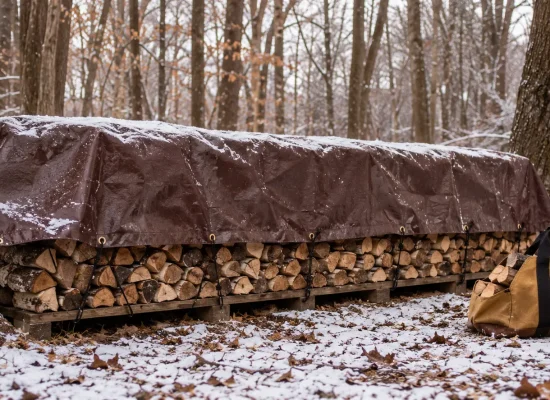
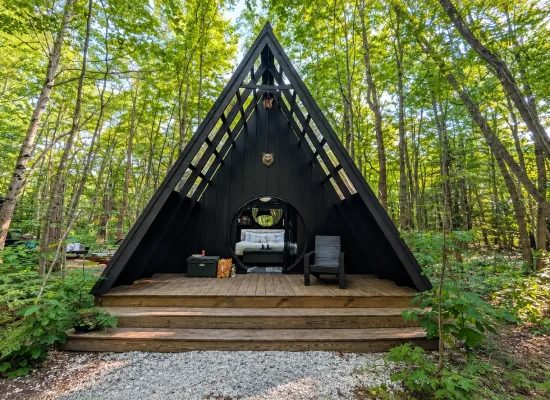
No Comment! Be the first one.