

Long-term tent camping is not for the faint of heart. To do it successfully, you have to embrace obstacles, commit to hard work, and more than anything, love spending time outdoors. Like, all of your time. It requires more prep than any other style of camping you’ve likely experienced. You’ll be living outside, after all.
Table Of Contents
There are many reasons someone may choose to camp for extended periods, and while there are a fair amount of challenges, there are a lot of benefits associated with the lifestyle, too. From finding a campsite to picking and setting up your tent, today we’ll break down everything you need to know about setting up a long-term camp. Let’s dive in!
Why Outdoorsmen Choose Long-Term Camping
You might be asking yourself why people choose to camp for more than a week at a time. Maybe you’re even intrigued, wondering if this lifestyle is something you’d enjoy, too. For many outdoor lovers, being surrounded by nature day in and day out is enough to want to camp long-term. Living outside for weeks or even months at a time is an unmatched opportunity to learn valuable skills, from survival tactics to personal development traits like resilience.
Camping outdoors also helps participants embrace minimalism as they cut back on the luxuries of modern, urban life. Whether it’s a full-sized kitchen or unlimited access to convenience like take-out food, camping requires you to live and rely on less.
Long-term campers also report improvements in their mental and physical health. Disconnecting from the noise of technology and immersing yourself in nature can help clear your mind. Extended time spent outdoors can reduce stress and increase feelings of calmness, positively impacting your mental well-being. Camping is also a very physical activity, requiring labor day in and day out to set up and maintain a successful campsite. This continuous work can help improve physical health.
From a practical standpoint, long-term camping is a cost-effective way to live! When all is said and done, the cost of your camp setup combined with the cost of your campground pales in comparison to the rising costs of housing. For outdoor lovers looking to save money while experiencing the adventure of a lifetime, long-term camping is the move.
Challenges To Consider
While long-term camping can be a life-changing endeavor for some, it comes with a fair amount of challenges you should consider before diving in head first. Some campers may find the minimalistic quality of long-term camping as a major pro, but for others, this could be a difficult adjustment from normal life. Everything from your bathroom to your kitchen will be simplified in comparison to how you live at home. This factor also makes comfort more difficult to achieve. Instead of taking a warm shower in a clean, private bathroom every day, you’ll have to settle for either a communal space or your own portable shower setup – and that’s just one example. For seasoned campers, this shouldn’t be a problem, but it’s worth considering if it’s something you can put up for weeks at a time.
Another challenge long-term camping poses is changing weather and seasons. Depending on how long you plan to camp for, you could easily experience more than one season during one trip. And undoubtedly, you’ll run into various weather conditions. This just means you’ll have to come more prepared for a long-term trip than a typical weekend getaway, accounting for every weather and temperature possibility.
The flipside to the benefit of enhanced physical health is the hard labor that long-term camping requires. From setting up camp to maintaining it through the weather and seasons, you’ll be put to work in the outdoors. You should be ready and able to work hard if you plan on tent camping long-term.
Lastly, there will be limitations on where you’re legally allowed to camp, and for how long. Unlike a weekend trip, you’ll need to do thorough research to determine where you can set up camp for the entirety of your stay, without getting booted out.
Picking the Right Tent
Pitching the right tent is crucial to a successful long-term camping expedition. Long-term campers can be outside anywhere from a few weeks to multiple months. In order to do so safely and comfortably, you’ll need to come equipped with a 4 season tent that’s built to withstand changing seasons. When spending extended periods outdoors, you’ll inevitably run into a variety of weather conditions, from heat and cold to rain, shine, and sometimes even snow. A canvas tent for 4 seasons is ideal for long-term camping as it’s built to endure multiple scenarios. Canvas tents also offer more durability and ventilation thanks to their strong yet breathable fabric. To ensure strength and longevity, opt for a canvas tent with heavy-duty aluminum frames and fabric that’s been pre-treated with water and UV-resistant coatings.
Additionally, you’ll want to consider the size of your tent. You may find yourself getting restless after more than a week in a small tent meant for only one or two people. Plus, you’re more than likely going to be traveling with more gear than a normal camping trip, and you’ll need space to store it. Generally, the bigger the tent, the more comfortable you’ll be. This is especially important if you’re camping with others as you’ll need to account for personal space.
How To Set Up Your Tent
Once you get to camp, how you set up your tent will have a vital role in the success of your adventure. Hopefully, by this point, you’ve legally reserved a campground or plot of land in an awesome destination. Upon arrival, spend some time surveying the area and picking the perfect place to pitch your tent. Generally, you’ll want to find level ground that’s clear of major bumps, large rocks, and excessive debris. You should also take a look up to make sure there are no dead trees or compromised branches that could fall on your campsite and seriously injure someone.
With a favorable spot picked out and cleared up, start by grabbing one of your canvas tarps and laying it out to pitch your tent over. This will offer protection to the underside of your tent, as well as add a layer of comfort to your tent floor. Once your tent and rainfly sheet are pitched over your tarp, spend extra time ensuring your stakes and guy lines are secure. You’ll want to check this throughout your trip to make sure nothing has loosened and compromised the integrity and stability of your structure.
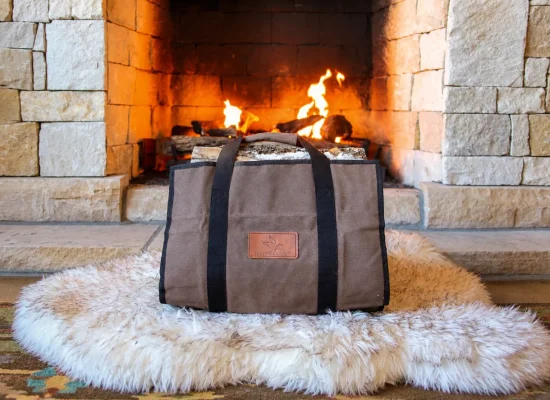
From this point, utilize whatever glamping accessories you deem necessary to make a comfortable interior. You’ll be living in this space for multiple weeks, so do what you need to do to make it functional! Consider investing in a foldable cot and sleeping pad for your bed setup, as well as extra pillows and blankets. For warmth and ease of cooking, invest in a tent stove. Wood-burning stoves are a lifesaver on long trips, giving you a source of heat in colder temperatures as well as a comfortable and easy place to cook your meals without dealing with the annoyance of outdoor elements. Use canvas bags to store any items you want on hand but won’t be using daily, like rain gear.
You should spend your first day at camp perfecting a functional setup to guarantee your comfort and safety for the upcoming weeks. But the work doesn’t stop after day one. It’s important to set time aside to perform maintenance on your tent and campsite, checking for anything that could compromise your setup and enjoyment in the outdoors.
Final Thoughts
Long-term camping is a challenging yet rewarding adventure that requires careful preparation to be done successfully. Whether dealing with the unpredictability of weather, the rustic nature of living minimally at camp, or the hard work camping demands, you’ll need to come equipped with the correct gear and a positive attitude. If you’re willing to do that, you’ll be rewarded with all the joys this style of camping offers. Long-term campers have the opportunity to learn valuable life skills, embrace minimalism, improve their mental and physical health, and live more affordably – all while being immersed in the beauty of the great outdoors. Your tent will be the most important piece of gear you invest in, and how you set it up could easily make or break your trip. By choosing a durable, 4 season tent and pitching it in an ideal location at camp, you’ll be on your way to a comfortable and safe adventure. With dedication and the right mindset, you can turn the wilderness into a temporary home where you’ll reconnect with nature and create unforgettable memories.


I have spent the last 4 months living in my 13′ Regatta Bell Tent from White Duck Outdoors on my property in the mountains of the Adirondack Park in New York State. This article is great – the only thing I would add is that having an entry awning is key, especially in inclement weather so that you are not tracking the weather into your living space.