

Intro to Hot Tent Camping
Hot tent camping is an adventure that provides opportunities for people to get closer to nature for more than just the warm summer months. This is especially helpful in northern states where those summer adventures can be so fleeting. So many people yearn for that chance to unplug, disconnect, and dig into nature in a raw and authentic way. When camping in cold weather, “hot tents” are the way to go. This style of camping means you are using a tent equipped with an indoor stove or other heating system. Such setups offer cozy shelter even in snowy, sub-zero conditions. While this sounds as relaxing as it can be, hot tents also introduce unique safety concerns.
Table Of Contents
- Intro to Hot Tent Camping
- Be Aware: Common Hot Tent Fire Hazards
- Flammable Materials
- Stove Malfunctions
- Improper Fuel Storage
- Hot Stove Surfaces
- Overheating the Tent
- Improper Ventilation
- Preventative Measures & Fire Safety Tips
- Use a Stove Made for Hot Tents
- Place the Stove on a Non-Combustible Surface
- Keep Fuel and Combustible Materials Outside the Tent
- Install a Proper Ventilation System
- Keep a Safe Distance from Tent Walls
- Never Leave the Stove Unattended
- Install Carbon Monoxide Detectors and Fire Extinguishers
- Thoroughly Extinguish the Stove
- Choose Your Campsite Wisely
- Conclusion
In this guide, we will discuss the unique risks associated with hot tent camping, and discuss ways to prevent fire hazards. We’ll discuss valuable safety tips so you can count on safe and comfortable winter camping.
Be Aware: Common Hot Tent Fire Hazards
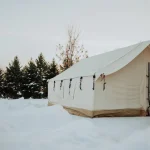
A “hot tent” describes a type of camping tent–usually canvas–equipped to accommodate a small, portable tent stove. Typically, these tents are made of fire-resistant material and have a stove jack to vent smoke out of the living quarters. Hot tents are popular for winter camping, long-term camping, and backcountry excursions in harsh climates. Stoves used in a hot tent are typically wood-burning, though propane is not unheard of.
While hot tents can make you much more comfortable in cold weather, they also present specific challenges to fire safety. For obvious reasons, the combination of heat sources, fuel, and small enclosed spaces can increase the likelihood of unintentional flames to catch. Before we dive into how to prevent a devastating situation, it’s important to understand the main fire hazards associated with hot tents. Let’s take a look:
Flammable Materials
Items near the stove as well as the tent’s fabric itself can easily catch fire if improperly placed or exposed. Even though most hot tents are specifically designed to be fire-resistant, that doesn’t mean they’re entirely fireproof. Anything that comes into direct contact with the stove, stove pipe, or chimney is unfortunately in danger of catching fire. Keep flammable items at a safe distance from the stove at all times.
Stove Malfunctions
Faulty stoves, improper installation, and negligent use can lead to fire hazards. If your stove isn’t properly vented, it can lead to dangerous carbon monoxide buildup. Overloading a stove with fuel can overheat the stove, in the worst cases, leading to an uncontrollable fire. Be sure to regularly service and clean your stove to prevent malfunctions as well.
Improper Fuel Storage
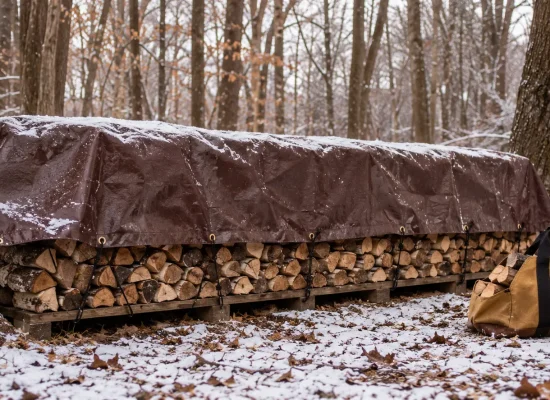
Fire risk can also arise from improperly storing or handling fuel. Storing wood, gas or propane canisters, or other flammable materials inside your tent can be extremely dangerous. They could easily catch fire or even explode if they come into contact with a heat source. You should store fuel outside the tent, sheltered by a heavy-duty tarp or other covering.
Hot Stove Surfaces
Just because your stove fire has been extinguished does not mean it has cooled off! A stove can remain dangerously hot for hours after it has been extinguished. This not only poses a serious burn risk to people in the tent, but it can also be disastrous in the event that the hot stove is too close to tent fabric, sleeping bags, or other items. These materials can be seriously damaged, or in the worst case, catch flame themselves.
Overheating the Tent
If your stove is overworked, excessive temperature can cause damage to tent material or items inside. Sparks could easily fly from the stove, setting your tent and other personal items ablaze.
Improper Ventilation
Ventilation is a critical aspect of fire safety in hot tents. Poor ventilation can lead to smoke accumulation– which leads to health risks first and foremost. In extreme cases, smoke buildup can result in a major fire hazard if flammable gasses accumulate alongside the smoke. Ventilation is a critical aspect of fire safety in hot tents. Additionally, inadequate airflow increases the likelihood of carbon monoxide poisoning. Carbon monoxide poisoning can be fatal if it goes undetected for too long.
Preventative Measures & Fire Safety Tips
To reduce the risk of fire hazards, hot tent campers should take the following precautions:
Use a Stove Made for Hot Tents
First and foremost, make sure the stove you’re using is designed for use in a camping tent. Why is this important? Because these stoves are made with indoor safety in mind. Often, they feature special safety mechanisms that prevent overheating. Look to purchase a stove made from high-quality, heat-resistant materials. Follow manufacturer’s instructions closely for proper use.
Place the Stove on a Non-Combustible Surface
NEVER place the stove directly on the tent floor. This is especially dangerous if the floor is made of a flammable material like nylon. Even if your tent is made of fire-resistant material, remember that does not necessarily mean fireproof. Instead, your stove should rest on a stove mat or heat-resistant platform. This will prevent heat from directly transferring to the ground and causing a fire. Finally, be sure the stove is positioned a safe distance from the tent walls.
Keep Fuel and Combustible Materials Outside the Tent
Always keep fuel such as firewood, propane or gas canisters, and other flammable materials outside the tent. Fuel sources should be kept in a dry, sheltered place far away from the stove itself. This reduces the risk of accidental ignition from flying sparks or excess heat. Additionally, keep extra fuel far out of reach of small children or pets.
Install a Proper Ventilation System
Install a ventilation system that is efficient in reducing heat buildup as well as smoke and carbon monoxide accumulation inside the tent. Most hot tents come already equipped with vents or flaps strategically placed to encourage cross-ventilation. Even when it’s freezing outside, don’t seal the tent completely. Always open at least two vents or windows to allow for continuous fresh air to circulate.
Moreover, make sure your stove chimney is securely installed. It should vent outside the tent. This ensures that all smoke is safely carried out of the tent and does not re-enter.
Keep a Safe Distance from Tent Walls
Stove pipes and chimneys should always be kept far away from the walls and ceiling of the tent. Exposure to high temperatures via contact with stove pipes can cause significant damage to the tent fabric. Be sure to use a stove jack– this is a heat-resistant patch for the tent wall that safely accommodates the stove pipe.
Never Leave the Stove Unattended
Do not leave your stove unattended while it is running. When inside the tent, always keep an eye on how the stove is operating. This means checking fuel levels and ensuring that the stove pipe remains unobstructed. Should you need to leave the tent for the day, be sure to extinguish the fire completely before you leave.
Install Carbon Monoxide Detectors and Fire Extinguishers
Where there’s smoke, there’s a risk of carbon monoxide poisoning. It’s wise to install a carbon monoxide detector inside your tent. This can alert you to dangerous levels of carbon monoxide before you reach life-threatening conditions.
Keep a fire extinguisher on hand. Preferably this will be a multi-purpose dry chemical extinguisher. An ABC-rated fire extinguisher can effectively put out any fires that might occur. Make sure everyone in the group knows where the extinguisher is located and how to use it.
Thoroughly Extinguish the Stove
When you finish using the stove, be sure to fully put out the fire before leaving the tent or going to sleep. Don’t rely on the stove’s air vents being closed. Use water, dirt, or the fire extinguisher to snuff out the embers completely.
Before packing up camp, be sure that the stove is completely cooled. Hot stoves are dangerous for hours after use if not properly put out and cooled off.
Choose Your Campsite Wisely
When setting up a hot tent camp, pick a site that is safe for a stove. Don’t set up camp near dry grass, dead bushes, or low-hanging trees that could catch fire from flying embers. Be sure your tent area is clear of flammable debris.
Conclusion
Hot tent camping provides a unique and rewarding experience, allowing campers to enjoy the great outdoors even in the coldest conditions. However, with the added benefit of warmth comes an increased risk of fire hazards. By understanding the risks and taking proactive measures, you can minimize the chance of fire-related accidents and enjoy your camping trip safely.
The key to fire safety in hot tents is using a stove designed for the purpose, of keeping the tent well-ventilated, storing fuel outside, and ensuring the stove is properly installed and monitored. With the right precautions, hot tent camping can be a safe, enjoyable, and memorable experience in any season.


No Comment! Be the first one.