

Want to spend quality time outdoors, but it’s simply too cold for your usual sleeping setup? Camping in a hot tent with a tent stove might be the ideal solution. In this article, we break down each element of a successful tent stove camping experience, including the various kinds of stoves on the market, suggestions for how to best use each one, and helpful tips for cleaning and maintenance.
Table Of Contents
Tent Stove Varieties
Titanium
While the majority of tent stoves are designed to be compact and relatively lightweight, titanium stoves take this concept to the next level. The thinner pieces of material make for less overall weight, but it is still important to look into the qualities of each stove to find the one that best suits your needs. If you’re planning a backpacking trip, for example, look for a titanium tent stove that has a fast fold body and roll-up chimney pipe, so you can break down camp into a more compact pack. If you don’t mind the stove taking up a bit more space in your truck bed, opt for one with a large and flat removable top for cooking, which will allow you all the comforts of a regular stove while still being amazingly portable.
Titanium stoves are very heat conductive as well– if a stove is made out of thin pieces of titanium, rather than thicker slabs of stainless steel, it will heat itself and its surroundings much faster. For the same reason, though, titanium loses its heat quickly. If you’re planning to sleep through the night but haven’t stoked the fire thoroughly enough, you’ll wake up cold regardless of how warm your tent was the night before.
Pros: Lightweight, portable, strong, high heat conductivity
Cons: Low heat retention, more expensive
Stainless Steel
A stainless steel tent stove offers many of the benefits of titanium stoves and a much lower price tag. Stainless steel is on the lighter side of the tent stove spectrum, although certainly heavier than titanium. This added weight gives it added strength and stability, both while in use and when packed up and put away for the summer. Stainless steel is also extremely heat conductive and will retain this heat for longer than the titanium stove. Depending on your situation, of course, a stove taking longer to cool down could be a benefit or a drawback; plan plenty of time so you’re not rushed when tearing down camp at the end of your adventure.
Pros: Accessible, durable, high heat conductivity
Cons: Heavier than titanium
Cast Iron
Cast iron is always a popular choice for outdoor enthusiasts, and for good reason. Cast iron tent stoves are by far the heaviest option when it comes to material, but their weight creates unparalleled stability and resilience, both to weather and heat. These stoves take more time to heat up, which may leave you in the cold for slightly longer– once they are hot, though, they retain that heat and release it slowly for a significant time even after the fire has gone out. This makes cast iron stoves ideal for long, cold nights when you’d rather not take shifts staying awake to stoke the fire.
Pros: Longer heat retention and release, extremely durable
Cons: Much heavier than either titanium or stainless steel
Overall Benefits
If you’re planning to camp in the colder weather, especially if there’s a chance that you’ll experience snow or heavy rain, a hot tent, and its accompanying tent stove, is a great addition to your campsite. Hot tents allow you the flexibility and comfort of cooking, drying out gear, and sleeping all within the walls (and warmth) of your own shelter.
Tips and Tricks
- Make sure you have proper insulation underneath your stove, both to prevent fire danger and to provide a stable surface. Use a burn mat, plywood, or both to construct a platform.
- When building your initial fire, use your kindling to construct a cabin-like structure inside of the stove, covering your tinder with makeshift walls and a roof. It will take a few minutes for the kindling to build its flame, and a few more for the heat to travel up the length of the stove’s flue pipe, but this strategy makes for a quicker route to a more sustained flame.
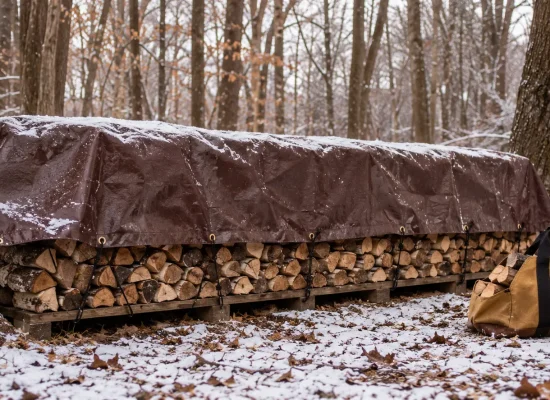
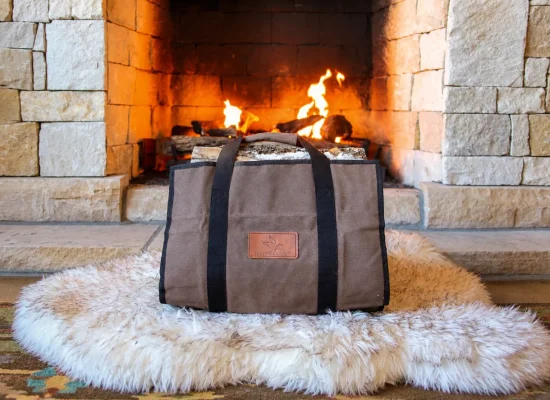
- Prepare plenty of dry firewood and store it within the walls of your tent or in an otherwise dry, protected space. Try using a log carrier to transport large amounts of firewood at a time.
- Never burn plastic materials in your tent stove. Since ventilation is key, your flue pipe and spark arrestor are already working to keep excess carbon monoxide out of the confines of the tent. Adding toxic chemicals from burned plastic into the air will be hazardous to breathe.
- Be cautious about only burning dry wood in your tent stove. Wet wood creates a significant amount of smoke, which is difficult to ventilate properly while inside a tent.
- Even out the wood and add a few more pieces of tinder before closing the stove’s door tightly and settling in for the night. This should help maintain the heat for as long as possible while you rest.
- Wear heat-resistant gloves to disassemble and pack your stove at the end of the trip– even if there has been enough time for it to cool down, err on the side of caution and save yourself any accidental burns from stove pieces that are still too warm to touch.
A tent stove can transform winter camping into a warm and enjoyable experience. With the right stove, you can stay cozy, cook meals, and dry gear, making cold-weather adventures more comfortable and practical.


No Comment! Be the first one.