

A high-quality tent stove is a staple at any winter campsite. Not only is it a beautiful, cozy addition to a camping setup, but it’s also a vital tool that keeps your winter tent warm, comfortable, and functional. Optimizing the heat your stove emits helps to ensure its efficiency and ability to keep you warm, no matter the weather outside. From choosing the right stove to enhancing it with accessories, here are the top 5 ways to maximize heat output from our tent stove. Let’s get started!
Table Of Contents
Choose the Right Stove for Your Tent
The type of stove you choose to warm your tent will play a large role in the heat output you get. When it comes to camping stoves, the two things you should consider are the fuel type and size.
Types of Tent Stoves
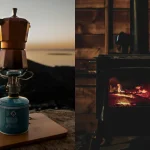
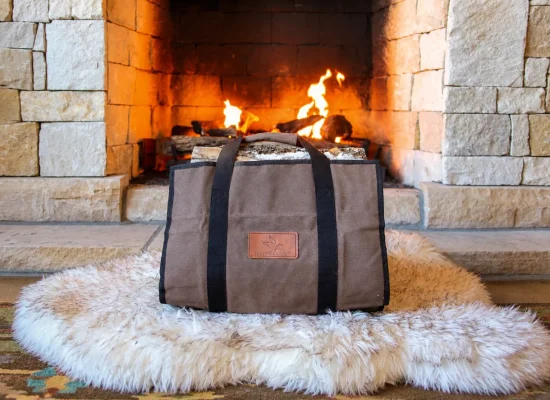
There are two main fuel types we talk about when comparing tent stoves: wood-burning and gas. Wood-burning stoves use, you guessed it, firewood to generate heat. Gas stoves, on the other hand, utilize liquid fuels like propane and butane. In general, gas camping stoves are not used for anything other than cooking, and are best used in outdoor campsite kitchens as opposed to inside a tent. In fact, it’s actually quite dangerous to use a gas stove inside a camping tent. Wood-burning stoves are much more versatile, allowing campers to both cook meals and warm their tents safely. If warming your tent is a key factor in your stove purchase, wood-burning stoves are the only way to go – so don’t forget to pack your firewood log carrier!
Stove Sizes
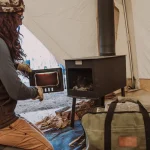
It’s also important to consider the size of your stove in comparison to the size of your camping tent. A small wood-burning stove will only do so much in a large, 16-person canvas tent, for example. Additionally, the pipe of your stove should fit snugly into your tent’s stove jack to avoid heat loss. Take a few simple measurements before making a purchase and fitting your tent stove into the stove jack.
Prep Your Tent
The tent you choose to use with a tent stove is just as important as the stove itself. Investing in an insulated canvas tent is key to help retain as much heat as possible. On top of that, prep your tent with floor insulation to avoid losing heat through the cold ground. This could be anything from heavy-duty canvas tarps to foam mats and carpets placed on your tent floor.
Another way to reduce heat loss is to opt for a tent with high-quality zippers and windows and doors that have been sealed properly. The last thing you want to do is put all this effort into optimizing your stove’s heat output only to have it all escape from an unsealed mesh window. Your tent should also have proper ventilation that ensures airflow while minimizing drafts that will affect the efficiency of your stove.
Put Thought Into Your Stove Setup
Where you put your tent stove inside your tent will directly affect its heat output. Placing your stove near a sidewall close to the entrance of your tent will quickly result in heat loss anytime someone exits or enters the tent. Aim to place your stove in the center of the tent for the most even distribution of heat. If you want a more concentrated output of heat in one area of your tent, like where you sleep, as opposed to another area, plan your stove setup accordingly.
Be mindful of storing or placing anything too close to your tent stove to avoid fire hazards. Move all of your camping bags, clothing, and other potentially flammable gear away from the stove while it’s in use, or still emitting heat.
When setting up your tent stove, ensure the pipe is angled vertically through the stove jack. Any other angle, like a 45-degree tilt, can result in unwanted gusts of wind flowing through and disrupting your stove’s efficiency. At the same time, it’s still important to prioritize good airflow into a wood-burning stove, as this type of fuel relies heavily on exposure to oxygen. To ensure sufficient airflow, always clean your stove, including the pipe, before use. Ash and other residue can quickly build up, blocking that necessary airflow.
Fuel Your Stove Correctly
Possibly the most important factor in maximizing heat output is how you fuel your tent stove. Wood-burning stoves should use dry, hardwood as their main fuel source, as opposed to softwood. Hardwood is the denser option that produces more heat while generating much less smoke – a major advantage for tent stove users. Plus, hardwood will burn significantly longer than softwood. The best hardwood for tent stoves are oak, ash, and birch. Avoid softwoods like cedar, pine, spruce, and fir whenever possible.
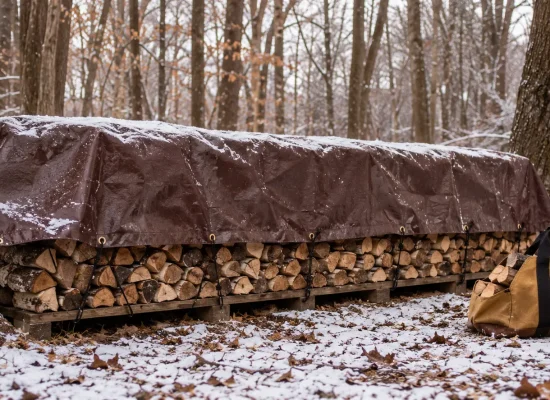
Additionally, your firewood must stay dry to maximize heat output and reduce smoke. Once you get to camp, stack your wood in a safe place with minimal moisture. Ideally, it should stay under a roof or tarp of some sort. Even better if you can get your hands on logs that have been cut and dried out of all moisture for at least 6 months – otherwise known as seasoned wood.
To maintain consistent heat, you’ll need to build a hotbed of coals at the bottom of your fire. This will create a high heat that will ignite any new wood you add to the fire, as long as there’s enough oxygen present, resulting in more efficient combustion and superior heat output overall. To achieve a hotbed of coals, use tinder to start your fire before gradually adding in your logs.
Enhance Heat Output With Accessories
Once the 4 basics above are covered, level up your stove setup with a few accessories to maximize the generation of heat. A wood-burning stove thermometer can be a helpful tool to monitor the heat your appliance is producing. By seeing how cool or warm your fire is you’ll be better equipped to fuel it accordingly and achieve optimal warming. A stove fan is another great addition, helping to circulate and disperse the heat of your stove throughout your tent. Fans are especially useful if you’re camping in a large shelter where the heat may not be efficiently reaching every corner. Lastly, bring along some bricks to stack behind your tent stove. These will absorb the heat that’s produced while it’s in use and help keep your tent warm even after your fire has gone out.
Final Thoughts
Tent stoves are awesome tent accessories that not only give campers a convenient place to cook meals but also offer unmatched warmth in cold weather. Not all tent stoves are created equally, and their efficiency will largely depend on what you do to optimize them. By following the 5 steps outlined above, you’ll be able to maximize the heat output of your tent stove and make the most of this luxurious camping appliance. So collect some seasoned firewood, install your stove jack, and enjoy the cozy warmth of a tent stove on your next camping trip!


No Comment! Be the first one.