


Guides & How-Tos
- 299 guides
- Updated
Step-by-step guides for caring for and using your gear: canvas tents, tarps, log carriers, firewood and backyard setups, written so you can follow along outside.
Every story in Guides & How-Tos
Showing 1–12 of 299 stories
- Guides & How-Tos
- Guides & How-Tos

Thanksgiving at Camp: A Holiday Menu You Can Cook on a Tent Stove and Campfire
- Guides & How-Tos

Deer Camp Checklist: How to Set Up a Wall Tent Camp for Rifle Season
- Guides & How-Tos

How to Stop Condensation Buildup Inside a Canvas Cabin Tent
- Guides & How-Tos

Turning a Cabin Tent Into a Backyard Guest House or Home Office
- Guides & How-Tos

How to Protect a Full Firewood Stack All Winter With a Poly Tarp
- Guides & How-Tos

Why Michigan’s Great Lakes Shoreline Is 2026’s Breakout Glamping Region
- Guides & How-Tos

Carrying Firewood Without the Mess: A Log Carrier for Your Fireplace at Home
- Guides & How-Tos

What Is a Cabin Tent? How It’s Actually Different From a Wall Tent or Dome Tent
- Guides & How-Tos

Best Glamping Spots in the Great Smoky Mountains & Blue Ridge
- Guides & How-Tos

How to Clean and Maintain a Canvas Log Carrier So It Lasts for Years
- Guides & How-Tos

What Wind Speed Can a Canvas Bell Tent Actually Handle?
From the White Duck shop
Gear from these guides
Prices and stock update from the White Duck shop.


Ground Tarp (opens in a new tab)
From $65

Quick questions from our how-tos
Short answers from our guides, each linked to the full article.
Have a question we haven’t answered? Ask the team
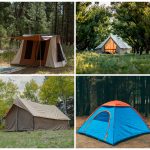
A cabin tent has near-vertical walls and a tall, rectangular floor, so you can stand up and use the whole space. A wall tent is the heavier, traditional framed canvas design, built for long stays and often for a wood stove. A dome tent uses crossing poles: lighter and faster, with less headroom.
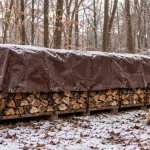
Stack it off the ground on pallets or rails and cover only the top of the pile with a heavy-duty tarp, leaving the sides open so air can move through. Wrapping a stack completely traps moisture and invites mold.
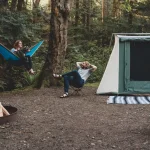
Brush off dry dirt, then spot-clean with cold water and a soft brush. Skip detergent, bleach and washing machines, which can strip water repellency. Always dry the tent completely before packing it away to prevent mildew.

A cabin tent is a common style of camping tent primarily characterized by four nearly vertical walls. These straight sides create a familiar boxy shape reminiscent of a traditional hard-sided cabin structure.
The setup. A bell tent staked correctly at 45-degree angles with full perimeter coverage and properly tensioned guylines will meaningfully outperform the same tent pitched carelessly in a hurry, regardless of what the online reviews say. The canvas is the same in both cases. The only different variable is the way the tent is constructed.
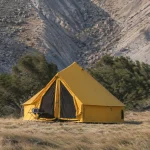
Yes. A properly staked bell tent is reliable in strong winds, but no consumer tent is prepared for tornado- or hurricane-level winds. A severe weather warning is not a situation to play around and guess with. While there is concern that the tent could be damaged, blow away, or not withstand the wind gusts, simply being out in those conditions…