

Heating a tent with propane means efficient, consistent warmth that makes cold-weather camping much more enjoyable. Unlike relying solely on a campfire, which can be cumbersome or ineffective, propane heaters offer quick, controlled heat that you can easily monitor and optimize. Needless to say, an open flame campfire is obviously not safe to have inside a tent but with the right practices, propane heaters can be. With the added benefit of easy transport, they’re a perfect solution for extending your camping season beyond just the warm months (and warm destinations) or making chilly summer and spring nights or early mornings more bearable.
Table Of Contents
- Reasons To Use Propane As A Fuel Source
- Tips for Safe Propane Use
- Propane Tank Storage
- Choose a Heater Designed Specifically for Tents
- Tent Stoves
- Ensure Proper Ventilation
- Heater
- Follow Instructions for Proper Use
- Invest in Carbon Monoxide Detectors
- Know the Symptoms of Carbon Monoxide Poisoning
- Final Thoughts
In this blog post, we’ll cover some safety tips for proper propane heater ventilation and use. Then, you can look forward to having a warm, inviting space wherever your adventures take you next!
Reasons To Use Propane As A Fuel Source
Propane is a relatively clean-burning fossil fuel. Although it’s still a non-renewable resource, it produces fewer particulates compared to burning wood. When we say propane burns “cleanly,” we mean that it burns with little to no smoke, reducing the risk of health complications due to excessive smoke inhalation. Though proper ventilation is important, the cleanliness of propane’s burn makes it suitable for use in semi-enclosed spaces like tents or small cabins.
Unlike wood, also propane does not produce ash or soot, which simplifies cleanup and maintenance. This keeps your campsite cleaner and increases your chances of–yes, we know it’s cheesy–leaving places better than you found them.
For the chef(s) of your camping crew, propane-powered stoves generally offer more efficient and uniform heat distribution than wood stoves. This means that not only does a propane stove ensure consistent warmth, but also an even burn on the stovetop. This is great for increasing enjoyment of meals, but also overall health. There’s nothing worse than biting into unevenly cooked meat, not to mention doing so can cause foodborne illness.
Propane stoves and heaters ignite quickly and reliably with minimal effort, providing immediate warmth or cooking heat without the need for going on a hasty search for kindling, lighters, or matches. Anything to save a little extra energy and headache on a camping trip, we’re all for it.
Propane canisters have an incredibly long shelf life and can be stored for extended periods without degrading. This makes propane a convenient fuel source for those who like to plan ahead and even stock up for multiple trips.
As mentioned, propane can be used for various camping needs, including cooking, heating, and even lighting. Besides stoves and heaters, lanterns and some generators may use propane, allowing for a consistent fuel source to provide maximum trip convenience.
Tips for Safe Propane Use
Propane Tank Storage
Storing propane is the first and last step of proper usage practices for safe propane heating. When camping, always keep your propane cylinders that are not in use outside the tent in a well-ventilated area. When at home, propane should still always be stored outside, since it is heavier than air and can pool dangerously in low areas if the cylinder leaks.
Keep propane tanks upright at all times to ensure that the safety valve remains in its proper position. This helps prevent leaks and ensures the tank functions correctly when it’s time to use it. What’s more, tanks should be stored on a stable surface to prevent tipping. You can purchase a propane tank holder or base to use to ensure maximum stability.
Propane tanks should be kept away from direct sunlight, heat sources, and especially open flames. Extreme temperatures can affect the integrity of the tank, making leaks or explosions more likely and otherwise compromising its safety mechanisms.
Always ensure that the storage area is well-ventilated to allow any potential gas to disperse quickly and safely.
Regularly inspect your stored propane tanks for signs of rust, damage, or leaks. Use a soap-and-water solution to check for leaks around the connections– you should spray or apply the solution to the area you suspect is leaking, such as around the valve. If bubbles appear following the application, it could indicate a leak. Make a routine habit to check the heater itself, hoses, and connections for any signs of damage or leaks as well.
Always store propane tanks out of reach of children and away from areas that pets are often in to prevent accidents.
Though you may be tempted to place these large ugly tanks out of sight, never store propane tanks in enclosed spaces like basements or garages.
Choose a Heater Designed Specifically for Tents
When purchasing a propane heater for camping use, make sure the heater you choose is specifically designed for indoor or tent use. Heaters designed with indoor use in mind usually have built-in safety components such as automatic timed shut-offs to protect against complications due to overuse, and emergency shut-offs if the heater is tipped over or if oxygen levels drop.
Tent Stoves
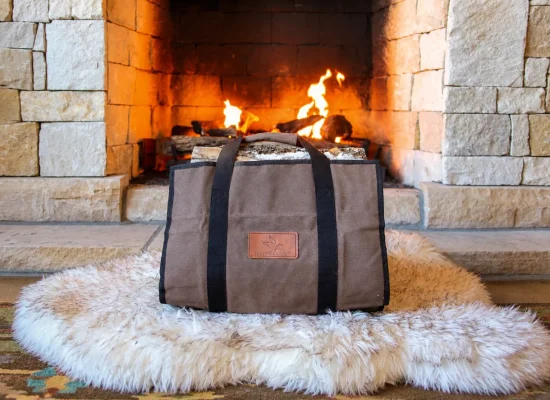
Though some tent stoves are powered by burning seasoned wood, others use propane as fuel. Though you might still want to bring along your log carrier to help gather campfire wood, a propane tent stove, it’s no longer a necessity for heating your temporary living quarters.
Tent stoves are usually designed to be lightweight and compact, especially important for those who are looking for a stove to fit in your backpacking gear, making them easy to transport and set up in small spaces. Often, tent stoves feature foldable legs and easily disassembled parts with adequate storage to keep users from losing small pieces.
The burner unit itself is usually designed to produce efficient, even, and controllable heat. Many models have adjustable flame knobs and settings, allowing users to regulate the heat output based on cooking needs. Not only does this make for quick camp cooking, but helps to ensure the deliciousness of your meals–no more one-temp-fits-all campfire cooking!
Since they are designed to be used in enclosed spaces, propane tent stoves–like other propane-fueled heating devices–often include safety features like built-in oxygen depletion sensors and automatic shut-off systems to prevent dangerous situations and accidents resulting from carbon monoxide buildup.
Ensure Proper Ventilation
Be sure that your tent has adequate ventilation when using propane heaters. Propane heaters consume oxygen and produce carbon monoxide, so proper airflow is essential. Even if you are using a canvas camping tent, known for exceptional ventilation due to breathable construction materials, always keep your tent’s vents, doors, and/or windows slightly open to allow fresh air to circulate when using a propane heater.
It is probably wise to avoid using heaters while camping in specialized winter tents, as they are typically fully enclosed with minimal ventilation or proper air exchange systems.
Heater
Never leave the heater running while you’re asleep or when you’re not in the tent. If something goes wrong with your heater, you will be able to tell and respond in an appropriate amount of time if you are monitoring it. To this point, turn off the heater when you don’t need it, and be sure to flip the switch before you fall asleep.
Because half the point of having a tent heater is likely to keep warm while sleeping, you do have the option of purchasing a heater that comes equipped with a timer. This way, you can fall asleep toasty and your heater will turn itself off after a reasonable amount of time.
Follow Instructions for Proper Use
Always read instructions and follow manufacturer guidelines when it comes to operating your tent heater. This includes guidelines for safe distances from flammable materials and maximum operating times.
Invest in Carbon Monoxide Detectors
Just like you would in your home, it’s smart to install a carbon monoxide detector anywhere you dwell or sleep, including in your tent. Instead of the traditional wall plug carbon monoxide detector, we recommend using a battery-operated carbon monoxide detector in your tent. These devices are designed to detect and alert you to dangerous levels of CO, so that you can evacuate the infiltrated area, providing an additional layer of safety.
Before leaving on any trip during which you plan to use your propane tent heater, double-check to make sure that the detector is functioning properly and the batteries are fresh.
Know the Symptoms of Carbon Monoxide Poisoning
In any event, it’s important to know the signs of carbon monoxide poisoning, which include headache, dizziness, nausea, shortness of breath, and mental confusion. If you begin to experience these symptoms, immediately open all of the doors and windows to your tent and get out! Seek fresh air as soon as possible, and try not to panic.
Final Thoughts
In the end, propane tent stoves and heaters are efficient tools for convenient, controlled, and clean heating solutions for your future camping trips. The key to reaping all of the above-mentioned benefits of propane heaters and stoves is closely following safety guidelines to avoid mishaps. By practicing safe propane usage and maintaining your equipment properly, you can ensure that your appliances function reliably and contribute to a truly enjoyable camping experience.


No Comment! Be the first one.