
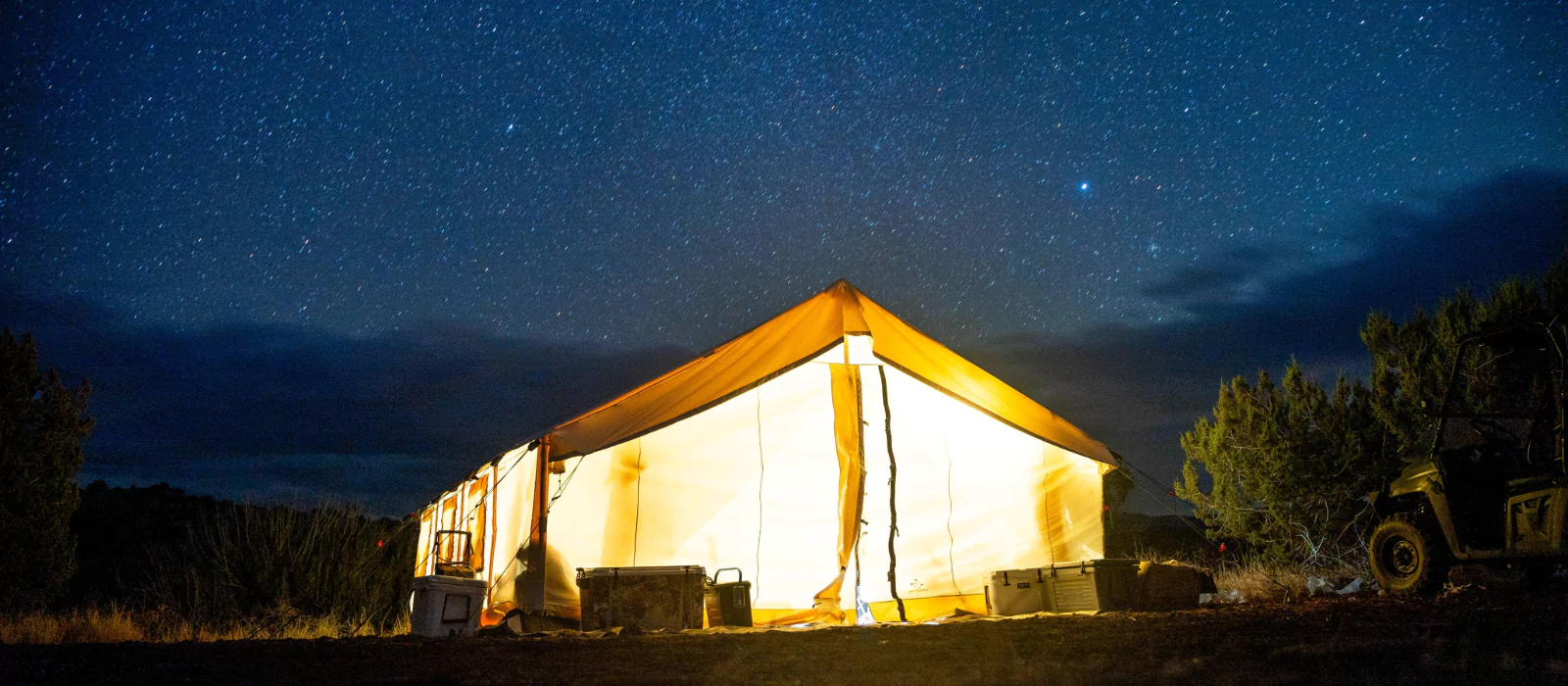
General Questions About Wall Tents
- What is a wall tent?
A wall tent is a type of canvas camping tent known for its 4 vertical walls and A-frame roof. Unlike other popular styles, these key design characteristics give wall tents unmatched headroom and spaciousness. Wall tents can be made from either natural or synthetic materials and are generally considered well-made, high-quality outdoor shelters.
Table Of Contents
- General Questions About Wall Tents
- Setup and Installation
- Stove and Heating Setup
- Advanced Setup Techniques
- Weather Resistance
- Seasonal Use
- Ventilation and Comfort
- Features, Customization, and Accessories
- Flooring and Insulation
- Usage and Applications
- Camping and Outdoor Activities
- Camping Communities and Tips
- Special Applications
- Camping Scenarios and Emergency Use
- Maintenance and Repairs
- Durability and Longevity
- Transport and Portability
- Safety Concerns and Regulations
- Purchasing and Pricing
- Storage and Packing
- Eco-Friendliness and Sustainability
- Design and Construction
- Frame and Structural Questions
- Fabric and Material Innovations
- Expert Tips and Tricks
- Why are wall tents called wall tents?
Wall tents get their name from their notable straight-walled design. This defining feature separates them from other common styles of camping tents with walls that slope inwards. While wall tent is the most common name for this type of shelter, you may also hear them referred to as safari tents, outfitter tents, and hunting tents, thanks to their popularity in these applications.
- What are wall tents used for?
Wall tents are incredibly versatile shelters and can be used for a wide range of outdoor activities. Thanks to their unmatched size and spaciousness, wall tents are particularly attractive to campers traveling in large groups or with lots of gear, including hunters, fishers, family campers, and glampers. Since wall tents make fantastic 4-season shelters, they’re also commonly used for winter camping and long-term adventures. Apart from outdoor recreation, you can find wall tents being used as mobile offices, outdoor workspaces, festival accommodations, fitness studios, craft fair booths, history reenactment shelters, and event spaces, just to name a few popular applications.
- What materials are wall tents made of?
Wall tents are made from a handful of high-quality materials built to perform in the outdoors. The main fabric of wall tents can be made from several materials, including synthetic fabrics, but you’ll most commonly find them made from 100% cotton canvas. High-end tent makers like White Duck Outdoors use fabric finishes on top of their canvas to protect against water, mold, mildew, fire, and UV rays.
To add structure and stability to the shelter, you’ll find guy line ropes made from polypropylene on the exterior of a wall tent. Additionally, most wall tents feature mesh fabric on their windows and doors to aid in ventilation while protecting campers from pests.
Tent poles make up the frame of a wall tent and are typically made from heavy-duty anodized aluminum or galvanized steel. If your tent is equipped with a pre-installed stove jack, like White Duck’s Alpha Wall Tent, you’ll find a heat-resistant silicone-coated stove jack for the safe operation of a tent stove.
- What are the advantages of canvas wall tents?
The most notable advantage of canvas wall tents is their unmatched spaciousness, offering campers plenty of room to store their gear and live outdoors comfortably. The fabrication and construction of well-made wall tents also make them incredibly durable and weather-resistant, no matter the forecast. On top of that, wall tents are compatible with a range of luxurious accessories, including wood-burning tent stoves, front porch extensions, and awnings. All of these benefits make wall tents versatile shelters that perform well in a variety of applications, from a weekend winter ski trip to a long-term backcountry adventure.
- How durable are wall tents?
Between their heavy-duty materials and the high-quality craftsmanship used in the construction process, wall tents are one of the most durable tents available on the market. These characteristics help them withstand harsh outdoor conditions and last longer than other tent styles. If durability is a priority for you, opt for a wall tent made by a reputable brand that uses 100% cotton canvas, fabric treatments like water and UV resistance, and sturdy tent poles.
- Can wall tents withstand extreme weather conditions?
Yes, high-quality wall tents are strong enough to withstand extreme weather conditions, including thunderstorms, high winds, heavy rains and snow, and winter storms. On top of their 4-season weather resistance, their heavy weight, durable materials, sturdy construction details, and strong frames help them perform well in even the most extreme conditions.
- What sizes do wall tents come in?
Wall tents come in a range of spacious sizes, but exact dimensions and availability will vary from brand to brand. At White Duck Outdoors, you can find wall tents in the following sizes:
- Are wall tents suitable for large groups?
Yes, wall tents are one of the best options for large groups, thanks to their distinctive shape and spaciousness! Wall tents come in a range of sizes, all the way up to 16’ x 24’, or 384 square feet. A tent of that size can comfortably sleep up to 16 people with space for all of their gear and supplies.
Setup and Installation
- How do you set up a wall tent?
When setting up a wall tent, you’ll want to start by unpacking all of your tent gear. Locate your tent poles and put them together using the provided angle kits. Once your frame is assembled, place the canvas cover over the frame, making sure it’s oriented in the correct direction and that all corners and seams line up with the frame. Next, stake each guy line into the ground and adjust them to the appropriate tension. Carefully place the groundsheet inside of the tent (if it’s free-floating), and if you’re using a rain fly sheet, pull it over your tent’s roof and stake its ropes into the ground.
- Do wall tents come with poles?
Yes, when buying a wall tent, you can expect it to come with all of the poles necessary for setup. For a White Duck wall tent, this will include 4 frame sections with 5 columns, an angle kit, 3 3-way angle kits, 12 4-way angle kits, and steel wire for maximum frame reinforcement.
- What is the best way to secure a wall tent?
Every successfully secured wall tent starts with high-quality guy lines made from heavy-duty materials. UV-resistant polypropylene rope, for example, helps to give a wall tent stability when pitched correctly. When setting up a wall tent, always make sure each guy line adjuster is fixed to the appropriate tension to give the tent its necessary structure. To ensure your tent is secure in the ground, stake each tent peg at least 5 feet from the tent at a 45-degree angle. If more stability is needed due to high winds or other extreme weather, tying weights like sandbags or heavy rocks to the tent poles can help further secure the tent.
- How long does it take to set up a wall tent?
Setting up a wall tent can take anywhere from 10 to 30 minutes on average. Factors like the size and weight of your tent, the number of people helping, and your experience pitching a wall tent can influence how long the setup takes. If it’s your first time pitching this style of tent, take some time to read the instructions and practice at home before your trip to ensure a seamless setup.
- Can one person set up a wall tent?
Yes, it is possible for one person to set up a wall tent by themselves. Just keep in mind that pitching alone will be more difficult the larger and heavier your wall tent is. If you’re working with a bigger shelter that’s meant for camping in groups, it’s best to recruit a friend. If you are alone, reviewing your wall tent’s setup instructions and practicing the process in advance is especially important.
- Are wall tents easy to assemble?
Wall tents are generally considered more difficult to set up than other modern tent styles, mostly due to their heavier weights and more complex designs. That being said, with a thorough understanding of how a wall tent is set up and a little practice, pitching a wall tent can quickly become second nature.
- Do wall tents need a frame?
Yes, wall tents need a frame to provide important structural support to the shelter. Most wall tents come with everything you need to build a sturdy frame, including tent poles, angle kits, and steel wire reinforcements. Without a frame, the roof and walls of your wall tent would lack the rigid form that’s necessary for stability.
- Can wall tents be pitched on any surface?
Yes, wall tents can usually be pitched on any surface you happen to find yourself on, from rocky forest soil to compact snow. Depending on the surface, you may need additional tools and gear to secure your tent. For example, pitching a wall tent on sand will require specialty corkscrew stakes, while a camper setting up on solid rock will need to rely on anchor weights instead of stakes.
Stove and Heating Setup
- Can you use a wood stove in a wall tent?
Yes, one of the many advantages of cotton canvas wall tents is their compatibility with wood-burning tent stoves! The only exception to this would be if your canvas tent is made from predominantly synthetic fabrics that cannot withstand the heat of a stove, although this is not common. To use a wood stove safely, your canvas wall tent will need to be equipped with a stove jack. Some wall tents come with pre-installed stove jacks, while others will require you to install one yourself.
- How do you install a stove jack in a wall tent?
To install a stove jack in your wall tent, start by deciding where you want your tent stove to go in your tent. A central location is generally preferred by campers for even distribution of heat and a safe distance from a tent’s side walls. Using the outer ring of your stove jack as a stencil, mark the placement of the flue pipe and bolt holes inside your tent. Next, cut out each bolt hole using a sharp pocket knife. Moving outside of your tent, line up the stove jack with the bolt holes and push it through. Back inside, use a wrench to screw each nut tightly onto each bolt. Once secure, use your knife to cut out the flue pipe hole.
- What safety precautions should you take when using a stove in a wall tent?
While tent stoves are phenomenal additions to a wall tent, they do come with the risk of fire and carbon monoxide poisoning like any other heat source. To minimize these threats, start by ensuring your tent stove is installed properly, including the correct installation of the stove jack. Your stove should live at least 3 feet away from each side wall, and maintain ample space between the stove and your belongings, especially anything flammable. While your stove is in use, keep your tent well-ventilated, utilize air vents and mesh screens when necessary, and never leave a lit stove unattended. Once it cools down after use, clean out excess ash and soot to reduce the risk of carbon monoxide build-up.
- What size stove do you need for a wall tent?
The exact size of the stove you need will depend on the size of your wall tent, the season you’re camping in, and how you plan to use your stove. If you’re camping in the summertime and only plan on using your stove for cooking, the size of your stove won’t matter much. For cold-weather campers using a stove for cooking and warmth, you’ll need a stove large enough to efficiently heat the inside of your tent. Generally, small wall tents can get by with stoves of about 10-20 pounds, medium-sized wall tents can suffice with a stove of about 20-30 pounds, and large wall tents will require larger stoves of 30 pounds or more.
- Can you cook inside a wall tent?
Yes, you can cook inside a wall tent, as long as it’s properly equipped with a stove jack and all safety precautions are taken. Keep in mind that cooking often produces smoke and vapors separate from those created by the stove itself. For this reason, it’s crucial to keep your tent well-ventilated by opening any air vents and mesh windows or doors.
- How do you prevent smoke buildup in a wall tent?
Preventing smoke buildup in a wall tent requires good ventilation, regular stove maintenance, and the use of seasoned firewood. A properly installed stove and stove jack are vital to create a safe exit point for the smoke created inside the stove. Utilizing air vents, adding additional air vents if necessary, and opening window screens can also ensure good airflow and reduce the accumulation of smoke. Regular stove maintenance, like cleaning, is vital, too, as dirty stoves can quickly create excess smoke. If smoke build-up is still an issue, your wood may not be dry enough. Always opt for well-seasoned wood to reduce smoke when burning.
- Are wood stoves better than propane heaters in wall tents?
While wood stoves and propane heaters both have their pros and cons when it comes to wall tent camping, wood stoves are generally the preferred appliance. This is thanks to their efficiency, convenient fuel supply, sustainability, and long burn times. Plus, wood stoves are used for more than just heating. Aside from being the more stylish option, they also double as a convenient cooktop, unlike propane heaters, which solely provide heat.
- Can wall tents accommodate multiple stoves?
Yes, larger sizes of wall tents can often accommodate multiple stoves. In general, each stove should be at least 3 feet away from any side wall. If you can achieve this and maintain every other safety precaution, you should be able to use more than one stove in your wall tent safely. Campers typically opt for multiple stoves if they’re looking to achieve a more even distribution of heat in cold weather.
- How do you add thermal liners to wall tents?
There are a handful of different ways to add thermal liners to a wall tent. Some tent brands offer thermal liners designed to fit their tents perfectly with velcro or zipper attachment points. It’s more common, however, for campers to affix their own thermal liners to the interior of their tent. One simple and convenient way to do this is to hang your thermal liners, like emergency blankets, for example, from your tent’s frame using clamps. Make sure to overlap your blankets slightly to avoid gaps in your insulation.
- Can reflective blankets improve heat retention in wall tents?
Yes, reflective blankets can improve heat retention in wall tents when used inside the tent. This works by reflecting your body heat back to you instead of allowing it to escape, creating a warmer tent interior. When placed outside of your tent, reflective blankets will have the opposite effect, reflecting the heat of the sun away from your tent and creating a cooler interior. Be sure to attach your reflective blankets accordingly to create the effect you’re after.
Advanced Setup Techniques
- How do you level uneven ground when setting up a wall tent?
There are two main ways to level a wall tent on uneven ground: leveling the ground and leveling the tent. To level the ground under your tent, start by determining which parts of the tent sit higher than the rest, taking note of the exact difference with a measuring tape. Then, simply dig a small hole of the same depth under each tent pole that sits higher.
Unfortunately, most front-country campsites don’t permit ground leveling at camp, so you’ll often need to opt for leveling the tent itself. To do so, determine which parts of the tent are sitting lower than the rest. Then, install tent risers or place a folded-up tarp under each leg.
- What’s the best way to anchor a wall tent in rocky terrain?
To successfully anchor a wall tent in rocky terrain, swap your standard tent pegs for nail stakes or needle stakes. Nail stakes are designed to break through small rocks, while needle stakes work by shimmying past larger ones. If the soil is too rocky even for specialty stakes, opt for anchoring your tent instead of staking it. Tie a bag filled with rocks or sand to each guy line to anchor it to the ground. In addition to this, campers can bury the bottom of the tent frame into the ground for extra stability.
- How do you attach guy lines to stabilize a wall tent?
Many canvas wall tents come with guy lines already sewn onto the tent fabric. If yours are not already attached, locate the designated loops or grommets on the tent walls and tie one end of each guy line to them. Once attached to the tent, stake each guy line rope into the ground using tent pegs approximately 2 to 4 feet from the base of the tent. To stabilize your wall tent, use the tension adjusters on each rope to manually adjust the tension of the guy lines. They should be taut while maintaining a small amount of give that bounces back slightly when pressed on.
- Can you add additional stakes for stronger support?
Yes, you can absolutely add additional stakes to a wall tent for more support. Typically, wall tents only require one peg per guy line, but adding 1 or 2 more stakes can improve a tent’s stability in harsh conditions. In addition to including more stakes, consider using specialty stakes, like corkscrew or Y-shaped, to enhance the strength of your tent.
- What tools are required for setting up a wall tent?
Most wall tents should come with all the stakes, poles, and guy lines necessary for setup. Typically, the only other tool you’ll need is a rubber mallet to drive your stakes into the ground. White Duck Outdoor’s Alpha Wall Tent includes a complimentary tool kit with everything you need for successful pitching, making setup simple and convenient for campers.
- How do you secure a wall tent during heavy winds?
If you’re facing heavy winds, campers can utilize a combination of additional stakes and anchoring techniques. Start by adding an extra stake to each guy line to add more strength to your setup. Remember, tent pegs should be staked at a 45-degree angle at least 2 to 4 feet from the base of your tent for maximum effectiveness. In addition to extra stakes, consider anchoring your tent down with weights. Simply tie sandbags or rocks to the bottom of your tent frame to further secure it.
- Can wall tents be suspended instead of being staked down?
No, wall tents typically cannot be suspended instead of being staked down. Aside from being quite heavy compared to other tent styles, wall tents rely on guy lines staked into the ground for vital structure and support. Without properly staked guy lines, a wall tent would lose most of its stability.
- How do you reinforce the corners of a wall tent?
Various kinds of reinforcement tapes and patches, like Spinnaker repair tape, can help reinforce the worn corners of a wall tent. Investing in a well-made wall tent off the bat can reduce the chances of campers needing to reinforce tent corners on their own. High-quality wall tents have double-stitched seams with reinforced corners and durable angle kits that can withstand heavy use over time.
- What’s the proper distance to set up a stovepipe away from walls?
It’s generally recommended to set up a tent stove and stove pipe at least 3 feet away from each tent wall. While most canvas wall tents feature fire-resistant fabric treatments, others do not. Without fire resistance, the fabric of a canvas wall tent can be highly flammable, making adherence to the 3-foot setup recommendation crucial for the safety of you and your fellow campers.
- How do you seal seams to prevent water leaks?
Sealing your tent seams is an easy way to prevent water leaks and is highly recommended for campers adventuring in wet climates. Pitch your wall tent on a clear day and start by prepping the seams. To do this, start by taking alcohol wipes or a rag with rubbing alcohol and wiping down each seam. Once dry, use a flux brush to apply your choice of waterproof sealant to the interior and exterior of your seams. Keeping your tent pitched, let the sealant dry for at least 24 hours or for however long your specific sealant instructions recommend.
Weather Resistance
- Are wall tents waterproof?
Whether or not a wall tent is waterproof will depend on the type of fabric your specific model is made from. Synthetic wall tents are typically waterproof, however, it’s much more common for wall tents to be made from cotton canvas.
Cotton canvas wall tents are naturally water-resistant thanks to their natural fibers, but they are not 100% waterproof. While they can resist water up to a point, they are not completely impermeable. Many high-quality wall tent manufacturers add an additional water-resistance treatment to their products. In conjunction with this, campers can season their tent and apply a waterproofing treatment to their tent’s seams for maximum protection against moisture.
- How do wall tents perform in windy conditions?
When set up properly, wall tents perform well in windy conditions. Between their sturdy materials, heavy-duty frames, and durable construction details, wall tents have the strength needed to endure intense winds. If winds are forecasted at your location, it’s important to anchor your tent securely to the ground, using extra accessories like sandbags if needed.
- Are wall tents good for winter camping?
Yes, wall tents are a fantastic option for winter camping! When made from cotton canvas, wall tents are naturally insulating, helping to retain heat when temperatures drop outside. This style of tent is also compatible with wood-burning tent stoves, which offer robust benefits during a winter camping trip. Winter conditions can also be quite harsh, between snowstorms, icy conditions, and wind. Rest assured that wall tents are built to withstand all of these elements and more, keeping you safe and comfortable the entire time.
- How do you winterize a wall tent?
There are a few steps you can take to ensure a warm and comfortable experience outdoors before embarking on a winter camping trip. If any precipitation is on the forecast, like snow or rain, season your wall tent and apply your preferred waterproofing agents to ensure you stay dry. A rain fly sheet is also recommended to buffer your tent from heavy accumulations of snow. For warmth, attach thermal blankets to the walls of your tent and lay sleeping mats on the floor to create insulation. A wood-burning tent stove is another great way to generate heat, and it doubles as a convenient cooktop protected from the winter elements.
- Can wall tents handle hot weather?
Yes, wall tents made from cotton canvas can handle hot weather and warm climates. Air can easily pass through the natural fibers of cotton canvas fabric, which promotes ventilation and can help cool down campers on a hot day. On top of that, these natural fibers help to absorb moisture in the air, reducing condensation and humid interiors. When camping in hot weather, be sure to utilize the air vents and mesh windows found on your wall tent to stay as cool as possible.
- Do wall tents have UV protection?
Yes, most wall tents do offer UV protection. This typically comes in the form of a fabric treatment applied as a finishing coating, but cotton canvas wall tents are naturally resistant to UV rays, too, thanks to their natural fibers and tight-weave construction. If you plan to regularly camp somewhere with high UV indexes, opt for a light color wall tent for increased protection, as darker colors will absorb more UV rays and degrade quicker.
- Can wall tents withstand hurricanes or storms?
Yes, wall tents can generally withstand hurricanes and storms when pitched properly and securely anchored to the ground. Unlike other modern tent styles, canvas wall tents are extremely durable and offer unmatched protection against extreme weather conditions. While they are built to endure harsh elements, you should still evacuate to a hard-sided shelter whenever possible if a powerful storm is on the forecast.
Seasonal Use
- Are wall tents good for all seasons?
Yes, there are a few key features that make wall tents great shelters for every season. First and foremost, wall tents made from 100% cotton canvas are naturally water-resistant, breathable, and insulating. These qualities will help regulate the inside temperature of your tent and keep you dry, no matter the weather outside. Canvas wall tents are also compatible with a range of accessories, including wood-burning tent stoves, which help to create a cozy and comfortable shelter in colder seasons. Whether you’re camping beachside in the heat of summer or near beautiful mountain peaks in the winter wilderness, wall tents can provide both safety and comfort through any season and climate.
- Can wall tents handle heavy snowfall?
Yes, wall tents can withstand heavy snowfall, but it’s important to monitor them to prevent unnecessary damage. The sloping angle of a wall tent’s A-frame roof allows light, steady snowfall to slide off naturally. However, in more intense conditions, snow can still accumulate on the roof and cause stress on your tent from excess weight. While the durable metal frames and sturdy fabric of a wall tent are built to withstand heavy snowfall, clearing any buildup regularly can help minimize the risk of damage.
- What’s the best wall tent for summer camping?
The best wall tent for summer camping will be one made from 100% cotton canvas with mesh screens on its windows and doors. Cotton canvas is more breathable than synthetic alternatives, helping to keep campers cool in summer climates naturally. Mesh is also an essential summer camping tent fabric that facilitates ventilation while protecting you from bugs, insects, and other small pests. Simply unzip the window covers to expose your wall tent’s mesh fabric and enjoy the fresh air and ventilation instead of a stuffy tent in the summer heat.
- Are wall tents suitable for rainy seasons?
Yes, wall tents are reliable shelters for rainy seasons, especially when made from 100% cotton canvas with water-resistant fabric treatments. Canvas is naturally resistant to water, thanks to the tight weave of the fabric. If you’re anticipating a lot of rain and want further protection, opt for a wall tent with a water-resistant fabric treatment, pre-season your tent before use, apply waterproof treatments and seam sealants, and utilize a waterproof rain fly sheet to completely waterproof your wall tent.
Ventilation and Comfort
- Are wall tents breathable?
Yes, when a wall tent is made from cotton canvas, you can expect it to be very breathable. This is thanks to the construction of cotton canvas fabric, which features a plain weave and natural fibers that allow air to penetrate the material. In addition to allowing air to flow more freely through the fabric, these pores in the material also give moisture a place to escape, reducing humidity and condensation inside wall tents.
- Do wall tents have windows?
Yes, most wall tent designs feature windows. The exact number and size of the windows on a wall tent will depend on the brand and model of your tent, but you can generally expect them to be large and plentiful on a high-quality version. Wall tent windows typically include mesh screens to provide protection while facilitating airflow and views of the outdoors. Some wall tents will also incorporate storm windows for protection in all 4 seasons and through harsh weather conditions.
- Do wall tents come with roof vents for better airflow?
Yes, wall tents often have vents on the roof or side walls to promote better airflow and improve ventilation. When placed on a wall tent’s roof, you’ll generally find them located beside the stove jack to help facilitate the safe exit of smoke and heat generated by a tent stove.
- Can you add extra ventilation panels to a wall tent?
Yes, it is possible to add extra ventilation panels to a wall tent. While most canvas tents come with some form of air vents or ventilation panels, you may find you need more if you’re camping in particularly hot or humid climates. Just remember that adding extra ventilation panels will require you to permanently alter the fabric of your wall tent, which could affect your tent’s warranty. For a less permanent solution, consider installing removable ventilation accessories like portable A/C units or fans.
- How do you maintain airflow without sacrificing heat in winter?
The best way to maintain airflow without sacrificing heat during the winter is to utilize air vents using a high-low venting method. When used strategically, vents are typically small enough to allow humidity and condensation to escape without completely jeopardizing warmth. The high-low method simply involves opening one air vent that’s placed low on your tent (like at the bottom of a side wall) and one air vent on the opposite side of the tent that’s placed high (like on the roof). These two openings will create small entry and exit points to minimize the escape of heat while creating a constant stream of fresh air through your tent.
- How do you prevent condensation in a wall tent?
Encountering condensation is a normal part of wall tent camping, but it can be prevented with a little bit of preparation. To minimize the buildup of condensation, you’ll want to prioritize ventilation and airflow throughout your tent. If you’re camping in high humidity, keep all of your air vents and windows open to encourage the circulation of fresh air. In addition to this, campers can utilize a number of tent ventilation accessories, from portable A/C units to dehumidifiers, to maximize airflow and reduce the possibility of condensation. Keep in mind how you’re using your wall tent, too. Any activity that can add water vapor to the air, like drying wet clothes or boiling water, will make it harder to fight condensation.
- Do wall tents come with mesh screens?
Yes, many wall tents do come with mesh screens, but the exact number and placement will vary depending on the brand and model. Mesh screens are most commonly found on a wall tent’s windows and doors, and they help to facilitate ventilation while protecting campers from bugs and other pests. Plus, large mesh screens provide a nice view of the beautiful outdoor scenery surrounding you, too!
- How do you keep wall tents cool in the summer?
There are a number of easy ways to keep a wall tent cool in the heat of the summer! To start, find a campsite where you can pitch your tent under plenty of shade. If that’s not possible, consider using a reflective rain fly sheet to deflect the sun’s hot rays from your tent. Promoting airflow will be very important to staying cool, so make sure the mesh screens on your windows and doors are kept open, as well as any air vents your tent may have. On top of that, utilize ventilation accessories, like portable A/C units and fans, to maximize the cool air circulating inside your tent.
- Are wall tents good for glamping?
Yes, wall tents are one of the best tents available for the purposes of glamping! Glamping typically requires a tent with lots of space and the utmost durability to handle all of the luxurious amenities and accessories common with this style of camping. Between their spacious designs and sturdy construction, a wall tent fits the bill for the perfect glamping setup. Plus, the high-quality nature of a wall tent seamlessly meshes with the luxurious essence of glamping.
- Can you use air conditioning in a wall tent?
Yes, it is possible to use air conditioning in a wall tent. One of the many modern innovations to canvas tents has been the addition of A/C ports to some designs. This pre-installed port, seen on models like White Duck’s Alpha Pro wall tent, gives campers a dedicated place to easily install an air conditioning system. If your wall tent lacks this feature, adding an A/C port can be done at home with a little elbow grease and some DIY action! Keep in mind that most air conditioning units will require some form of power supply, whether that’s an electrical hook-up at a front-country campsite or your own powerful generator.
Features, Customization, and Accessories
- What is a stove jack in a wall tent?
A stove jack is an intentional opening in the roof or sidewall of a wall tent where the flue pipe of a tent stove is placed. This opening creates a safe place for heat and smoke to exit the tent. When sized and installed correctly, a stove jack creates a seal that effectively keeps all forms of weather out, from wind gusts to snow and rain. This feature is crucial to the safe operation of a tent stove and minimizes the risks of fire and carbon monoxide poisoning.
- Can wall tents be customized?
Yes, wall tents can absolutely be customized to your liking! There are plenty of ways to customize a wall tent at home, whether your goals are to enhance the style of your tent or improve its function outdoors. Common customizations include front porch extensions, awning and canopy additions, a wood-burning tent stove, heating and cooling systems, painted-on logos or branding, and various interior decor elements like rugs, wall art, and furniture.
- Are there wall tents with multiple rooms?
Most wall tents feature an open-concept design with just one spacious room to enjoy. That being said, adding partition walls is a relatively easy DIY that anyone can do at home. Partition walls allow campers to create as many rooms inside their tent as they want or need, and wall tents have plenty of space to accommodate them! Having multiple rooms on a camping trip can make tent organization more manageable and give campers privacy when camping with a group of friends or family.
- Can you add porches to a wall tent?
Yes, front porches are awesome additions to wall tents! This popular accessory increases the amount of covered space that campers can enjoy at camp. With an A-frame roof and sidewalls with windows, a porch offers a protected space to cook and eat meals, store gear, hang out, and experience the outdoors in a more immersive way.
- Do wall tents come with storage pockets?
Whether or not a wall tent comes with storage pockets will depend on the brand and model of the tent. While some wall tents do have built-in storage pockets, many leave organization methods and storage solutions up to the camper. Thankfully, wall tent frames are durable enough to attach hanging organizers to them for an easy and custom way to store your gear.
- Can wall tents have zippered doors?
Yes, most wall tent designs feature zippers on entryway doors. Military-grade zippers, like those found on White Duck’s Alpha Pro Wall Tent, offer a secure way for campers to close their tent doors while they’re asleep, away from camp, or sheltering from a storm. In addition to zippers, you’ll also find buckle closures and storm flaps for extra protection and security.
- What accessories are available for wall tents?
There are countless accessories available for wall tents, making the creation of a unique and functional space easy for every outdoor lover. Practical accessories include rain fly sheets, ground tarps, and inner tents or partition walls. To add a bit of luxury to your wall tent camping experience, try out a wood-burning tent stove, a front porch extension, or a detachable canopy. Or, invest in some interior decor to make your tent feel more like home, like a cozy rug or themed wall art.
- Can you add shelves or racks inside a wall tent?
Yes, it is possible to add shelves and racks to the inside of a wall tent. For a simple yet effective approach, utilize free-standing shelves or racks made from plastic or lightweight metals that are easy to transport in and out of camp. If you’re after a more integrated solution, hang shelves or rack systems from your tent’s frame. It’s helpful to plan how you’ll set up and organize the inside of your tent to seamlessly incorporate shelves or racks.
- Do wall tents have multiple entrances?
Yes, many wall tent designs do have multiple entrances. White Duck Outdoor’s Alpha Wall Tent, for example, features a large front entryway, spanning the entire width of the tent’s front side, along with a standard-sized door on the backside. Having multiple entrances like this makes access more convenient for campers in large groups, improves ventilation, and offers unmatched versatility.
- Can wall tents be extended or expanded?
Yes, wall tents can easily be extended and expanded with the help of accessories like canvas porches and awning extensions. These functional add-ons offer a convenient way for campers to extend their wall tents, maximizing the amount of covered space they have at camp. Plus, their open-air nature provides a safe place to cook meals or simply enjoy unobstructed views of your campsite.
- Are wall tents compatible with solar panels?
Yes, wall tents can be compatible with certain types of solar panels. Generally, flexible panels are the go-to for any canvas tent, thanks to their light weight and ease of use compared to more traditional types of solar panels. Mounting solar panels to a wall tent requires a little bit of at-home DIY, but it’s worth the effort for access to clean energy even in the most remote wilderness locations!
- Can you customize the windows and doors of a wall tent?
Yes, it is possible to make a number of customizations to the windows and doors of a wall tent at home. These DIY customizations can include adding extra windows or doors, adding screens or bug mesh, enlarging already existing windows and doors, and adding zippers to windows and doors without them. It’s important to note, however, that altering your tent in permanent ways can void warranties.
Flooring and Insulation
- Do wall tents come with floors?
Most wall tent designs don’t include attached flooring and instead give campers the option of picking and installing the flooring that suits their needs best. With that in mind, it is not typical for companies to sell flooring that’s included in the purchase of a wall tent. While this isn’t a huge deal for anyone looking to fully customize their tent, it can be a hassle for campers who prefer a turnkey outdoor shelter. Some brands, like White Duck Outdoors, however, eliminate this inconvenience by providing free-floating vinyl flooring with the purchase of a wall tent. Not only is this the more inconvenient option for the majority of campers, but it also takes the guessing game out of finding the perfect flooring.
- What types of flooring are suitable for wall tents?
There are a number of different types of flooring campers can choose for their wall tents, differing in how they’re installed, their ground coverage, and their materials. Starting with installation, free-floating and sewn-in are the two main types of floors seen in wall tents. When it comes to coverage, campers have the choice between full coverage, full-coverage with a stove cut-out, and 3/4ths coverage. Since your flooring will have direct and constant contact with the natural ground, opting for a material that’s waterproof and highly durable is essential. Heavy-duty vinyl is a popular choice, but treated fabrics like ripstop nylon and polycro can work, too.
- Are insulated floors available for wall tents?
For the most part, wall tent flooring doesn’t come pre-insulated. That being said, insulating a tent floor after purchase is relatively simple and can go a long way in enhancing heat retention. Adding a ground sheet, sleeping pads, or foam mats can create a barrier between the cold ground and your feet while improving insulation.
- How do you prevent drafts in a wall tent?
The key to preventing drafts in a wall tent is eliminating gaps and ensuring a tight seal. Pitching your tent correctly is the best way to achieve this, as a loose tent will inevitably create gaps that let drafts in. Always ensure your tent fabric is taut and that each guy line is positioned and secured properly. Campers can also utilize accessories like rain fly sheets and insulation liners to help reduce drafts if necessary.
- What is the best way to add flooring to a wall tent?
The best and easiest way to add flooring to a wall tent is by inserting a free-floating floor that’s fit to size. Many wall tent companies will sell ground tarps that fit each size of their wall tents, making finding the perfect fit seamless. Simply lay your flooring inside the tent once it’s pitched and tuck it under the tent frame to create a seal.
- Are ground tarps necessary for wall tents?
While it’s possible to use a wall tent without a ground tarp, it’s not necessarily recommended to forgo this crucial piece of gear. Ground tarps go a long way in protecting you, your tent, and your camping gear from the elements, most notably moisture and abrasion. Using a ground tarp under your wall tent will reduce wear and tear over time, greatly improving its lifespan.
- Can you use rugs inside a wall tent?
Yes, rugs make a great addition to any wall tent! If you’re glamping, rugs are an easy way to decorate the interior of your tent to fit your desired theme or aesthetic. Outside of their aesthetic appeal, rugs also create a more comfortable floor to walk on and a cozier space overall. Plus, large area rugs add a layer of insulation that can help keep campers warm in cold weather.
- Is it better to have removable or built-in flooring in a wall tent?
While there’s no right or wrong answer to which type of floor is better, most campers will agree that removable flooring is the way to go. When compared to built-in floors, removable alternatives are typically easier to clean, more intuitive to install during the setup process, and the most versatile option.
Usage and Applications
- Are wall tents good for hunting?
Yes, wall tents are a very popular shelter for hunting trips! So favored, in fact, that you’ll commonly hear wall tents referred to as hunting tents. This is thanks to their spacious interiors, durability, and weather resistance through all 4 seasons. Hunters enjoy plenty of space to store their gear, perform daily tasks, and hang out comfortably after a long day outdoors – all while staying protected from the elements through an entire hunting season.
- Can wall tents be used for fishing trips?
Yes, a wall tent makes a fantastic home base for fishing trips. Avid fishers know this popular outdoor activity requires a bit more gear than a typical camping trip. Wall tents provide ample space to securely store your fishing supplies in addition to your camping basics. Plus, the 4-season compatibility of wall tents means you can fish in any season, from the peak of summer to off-season ice fishing.
- Are wall tents ideal for family camping?
Many families enjoy the robust benefits of a wall tent for all their unique camping adventures. Wall tents come in a large range of sizes, making it easy for families of every shape and size to find a shelter that fits their crew. This style of tent is especially ideal for families with young kids and pets, thanks to the comfort and durability they provide.
- Can wall tents be used as temporary shelters?
Yes, wall tents are designed to serve as temporary shelters! This could include shelter during a weekend glamping trip, a home base for hunting season, an off-the-grid living space, or even an emergency shelter. Between a wall tent’s unmatched durability, space to spread out, and reliable performance in all four seasons, you can confidently pitch a wall tent for temporary shelter outdoors.
- Are wall tents suitable for festivals and pop-up events?
Yes, wall tents can definitely be used for a range of festivals and pop-up events. Whether you’re pitching a wall tent for a weekend festival accommodation or to be used as a vendor booth at a pop-up event for the day, this type of tent offers style without compromising functionality. Plus, wall tents are easily customizable to showcase your event branding or unique festival style.
- Do wall tents work for backcountry camping?
The backcountry often exposes campers to more intense conditions than a front-country camping experience, offering no modern amenities, less predictable weather patterns, and more extreme terrain. Thankfully, wall tents can provide unmatched comfort to a camper in these conditions. Between their natural durability, resistance to weather, and innate adaptability, many campers enjoy the benefits of a wall tent when adventuring in the backcountry.
- Are wall tents good for military use?
There’s a good reason canvas tents, including wall tents, were popular choices for militaries throughout history. Few other tent styles offer the space, durability, weather resistance, and portability required by militaries quite like wall tents do. In a military application, wall tents can serve well as housing and encampments for military personnel, medical stations, field hospitals, command centers, and supply storage.
- Can wall tents be used for outdoor weddings?
Yes, wall tents are great shelters for any outdoor event, including weddings! Not only are they a budget-friendly option, but they also provide ample space for friends and family to gather, reliable protection from the weather, and a stylish blank canvas to decorate to fit your wedding aesthetic. If you plan to use a wall tent for an outdoor wedding, be sure to pick the right size to fit everyone on your invite list comfortably.
- Are wall tents suitable for Airbnb rentals?
Yes, wall tents can be set up as Airbnb rentals. Canvas tents of all styles are typically used as glamping shelters when listed for short-term rent, offering vacationers a unique and intimate way to experience the outdoors. If you plan to put your wall tent up for rent on a platform like Airbnb, be sure to comply with local laws and regulations for a smooth experience.
Camping and Outdoor Activities
- Are wall tents good for long-term camping?
Yes, wall tents are awesome shelters for long-term camping! Living outside among the wilderness for longer than a week will require a shelter that’s durable, resistant to a range of weather conditions, and spacious enough for you to live comfortably while storing all of your belongings. Wall tents check all of those boxes and more, offering a safe and comfortable space to enjoy the outdoors for extended periods of time.
- Can wall tents be used for overlanding?
Yes, wall tents can be reliable shelters for overlanding adventures. Participants in overlanding rely on camping tents for overnight shelter and can stay on the road for months, or even years, at a time. With this in mind, it’s important for overlanding tents to be durable, resistant to all weather conditions, easily packable, and portable, all of which wall tents are. Since overlanding primarily occurs in remote locations, the high-quality and luxurious features of wall tents make them popular choices for campers who prioritize comfort.
- Are wall tents allowed in national parks?
While wall tents are typically allowed in most national parks, each park has its own unique rules and regulations. For example, some national parks may restrict the use of canvas tents to designated areas only. Others may flat-out prohibit tents over a certain size, which might include your wall tent. Always check the regulations of the specific park you plan to visit ahead of your wall tent camping trip!
- Can wall tents be used in deserts?
Yes, not only can wall tents be used in deserts, but they’re actually superior to most other tent styles in this environment. Deserts are notorious for their extreme temperature changes throughout the day, often producing scorching heat in the daytime and freezing conditions at night. Cotton canvas wall tents are uniquely suited to this type of climate, thanks to the breathable and simultaneously insulating nature of cotton canvas fabrics. Both of these characteristics help to regulate the interior temperature of the tent to keep campers comfortable, no matter the weather outside. Plus, this material is naturally resistant to UV rays, offering better protection compared to synthetic tents under the strong rays of the desert sun.
- Are wall tents suitable for beach camping?
Yes, wall tents are absolutely suitable for beach camping! Cotton canvas wall tents offer breathable interiors, protection from UV rays, and durability against wear and tear from wind, sand, pebbles, and other common beach elements. Since the walls of canvas tents are typically thicker than other types of camping shelters, it’s important to maintain good ventilation to keep cool on a beach camping trip in the summer. Additionally, learn how to properly stake a tent in sand to ensure a sturdy setup at the beach.
- How do you protect a wall tent from sandstorms?
If sandstorms are a possibility at your camping destination, there are a few safeguards you can put in place to help protect your wall tent against them. Start by pitching your tent in an area with natural protection (like next to a line of trees or a large sand dune) instead of out in an open, unprotected area. Securing your tent properly with anchor weights and plenty of corkscrew stakes will help your wall tent withstand the heavy winds of a sandstorm and stay put in the sand. To reduce the amount of wear the fast-moving sand will have on your tent, erect a sand shield around your tent made from heavy-duty canvas tarps.
Camping Communities and Tips
- Are wall tents popular among campers?
Yes, wall tents are a popular choice among modern campers. Between their large sizes, durability, resistance to weather, and 4-season compatibility, this style of tent is an extremely reliable shelter. Plus, their simple yet proven design makes them suitable for a large range of outdoor activities, making them as versatile as they are functional.
- What are some tips for first-time wall tent users?
Campers trying out a wall tent for the first time should prioritize proper setup. Before embarking on a camping trip, familiarize yourself with your new gear, from learning how to effectively waterproof it to the best ways to pitch it. Understanding these basics will ensure a smooth and enjoyable experience once you arrive at camp. Additionally, always remember to keep it well-ventilated and maintain good upkeep for both your own comfort and the long-term care of your gear.
- How do you choose the right wall tent size?
Wall tents come in a huge range of sizes, so it’s understandable to be overwhelmed or confused when it comes to picking the right size for your specific needs. Generally, you should account for at least 20 to 25 square feet per person when choosing the size of your wall tent. For example, if you’re camping with a group of 6 people, you’ll need a 10’ x 12’, or a 120 square foot, wall tent. This amount of space should provide every camper with enough room to sleep comfortably and store their personal belongings.
- What’s the best way to clean wall tent zippers?
Cleaning the zippers on your wall tent is an important part of maintaining your tent and ensuring its functionality in the long run. Use a small brush to remove any dirt or debris stuck in the zipper teeth. If necessary, a solution of warm water and mild soap can help remove stubborn chunks of mud. After cleaning, consider greasing your zippers with a silicone-based lubricant to keep them gliding smoothly.
- What’s the best lighting setup for a wall tent?
There are many great ways to illuminate a wall tent. For functional overhead lighting, hang pendant lights or lanterns from the roof’s frame. If you don’t have access to electricity at camp, opt for battery or solar-powered fixtures. For softer light that adds ambiance, attach LED strip lights or string lights on the interior roof of your tent. If you have the space and access to electricity, plug-in floor lamps can add a stylish and intentional form of lighting to your setup.
- Can you hang decorations in a wall tent?
Yes, you can definitely hang decorations in a wall tent! Whether you’re hanging functional decor like lighting or aesthetic decorations to bring a glamping setup to life, wall tents are durable and spacious enough for all your favorite decor pieces. The frame of a wall tent is a sturdy place to hang anything, from string lights and organizers to plants and tapestries.
Special Applications
- Are wall tents suitable for mobile offices?
Yes, the adaptability and versatility of wall tents make them popular options for mobile offices. Thanks to their large range of sizes, durability, and resistance to weather, these can be functional office spaces, no matter your specifications. Whether you’re pitching it in a new location every week or right in your own backyard, wall tents offer comfortable and reliable spaces to work from anywhere in the world.
- Can wall tents be used for yoga or meditation retreats?
Yes, wall tents can easily be transformed into a yoga or meditation space for your next retreat! The large, open-layout design of a wall tent offers retreat hosts a practical space to set up for their classes. Plus, they’re the perfect blank canvas to decorate to fit your retreat’s theme. If you plan to hold a workout class specifically, whether it’s yoga, pilates, or anything in between, opt to pitch the tent on a platform deck to provide a sturdy, functional base for attendees.
- Are wall tents suitable for filming or photography setups?
Yes, wall tents are a suitable home base for outdoor filming and photography setups. Between their thick walls and reliable protection against the outdoor elements, wall tents provide the controlled environment necessary for a successful setup. Thanks to their portability, they’re particularly useful for photographers and filmmakers on the go who travel between outdoor shoot locations often. Additionally, wall tents can easily be modified to fit your exact needs, from lighting to backdrops.
- Can wall tents be customized for outdoor classrooms?
Yes, wall tents can be customized in a variety of ways for an outdoor classroom. The most common way to modify a wall tent for this application is the addition of branding. From screen-printed logos to all-over paint jobs, canvas wall tents can be customized to fit a school’s specific brand identity. The installation of partition walls is another common modification, offering schools the ability to divide a large tent into multiple rooms for teaching.
- Are wall tents practical for long-term scientific research camps?
Yes, wall tents are extremely practical for any long-term use, including for scientific research camps! Utilizing a camping shelter, like a wall tent, allows researchers and their students to immerse themselves directly in the environment of their research subjects. Whether those subjects are in a cold, tundra-like climate or a humid, tropical environment, the durable, 4-season compatibility of wall tents makes them functional shelters for any research environment.
- Can wall tents serve as outdoor dining spaces?
Yes, wall tents can absolutely serve as outdoor dining spaces. Whether you’re planning an outdoor dinner party, hosting a holiday meal for your family, or any celebration in between, wall tents offer many benefits for anyone looking to create an outdoor dining space. This includes ample space to set up your dining furniture, reliable protection from the weather and other outdoor elements, and the durability to support luxurious decor and accessories. Plus, using a wall tent as the setting for your dinner creates a unique and memorable experience for your guests!
Camping Scenarios and Emergency Use
- Are wall tents suitable for disaster relief shelters?
Yes, wall tents are a suitable choice for disaster relief shelters. Since they’re quick to erect and temporary in nature, they’re an incredibly practical solution for providing immediate shelter to those displaced by a disaster. Thanks to their portability, durability, and size, organizations providing aid can easily set up wall tents near a disaster location and rely on them to provide comfort and safety to the community.
- Can wall tents be used as medical tents in emergencies?
Yes, wall tents are a common choice for emergency medical tents. This tent style can provide the space, shelter from weather, and versatility needed to provide high-quality medical services. They are especially practical in emergency medical situations, thanks to their ability to be set up quickly without sacrificing stability and durability.
- Are wall tents useful in flood-prone areas?
Yes, when set up thoughtfully, wall tents can be useful in flood-prone areas. Before taking a canvas tent to a flood-prone area – or any destination where rainwater and moisture are prevalent – campers should season their tent and apply waterproofing treatments. Failing to prep your tent for excessive moisture can make it less functional in a flood-prone area, leaving you and your gear vulnerable. Once you’re at your flood-prone destination, seek out an area on high ground with good drainage and far from water sources to limit the risk of encountering floodwater. When these precautions are followed, campers can enjoy the durability, water-resistance, and overall comfort their wall tent offers in a flood-prone area.
- What emergency tools should you keep in a wall tent?
Keeping a handful of tools in your wall tent is a smart way to stay prepared in the event of an emergency. To start, every camper should have a plan that outlines what to do and where to go in any given scenario, whether it be a tent fire or an aggressive encounter with a grizzly bear. This plan is best memorized and communicated to everyone in your camping group, though it doesn’t hurt to write it down in a journal stored near your tent’s exit. In addition to a thought-out plan, campers should keep a fully stocked first aid kit, a fire extinguisher, a fire blanket, an emergency thermal blanket, a carbon monoxide detector, a mechanical flashlight, animal repellent (like bear spray), a whistle, and a multi-tool.
- Are wall tents suitable for survivalists and preppers?
Yes, wall tents are a popular shelter choice for survivalists and preppers, thanks to their size, durability, and overall versatility. Survivalists and preppers typically prepare for a variety of scenarios, and a shelter like a wall tent can easily adapt to any of them while offering enough space for gear and long-term durability. Plus, their 4-season compatibility means they can serve as a safe shelter through any weather or climate you may find yourself in.
- How do you create emergency exits in a wall tent?
Since most wall tents come with 2 doors, one located at the front entrance and one located on the backside, there’s little need to create an emergency exit from scratch. While these doors should be your main exit points, campers can designate a large, unobstructed window on the sidewall of their tent as an additional emergency exit point. Always make sure to keep all of these exits easy to access and avoid storing gear or placing furniture too closely in front of them. For optimal safety, consider marking your designated exits to make them easy to find in an emergency. This can be done with a roll of reflective tape or a string of red LED lights.
Maintenance and Repairs
- How do you clean a wall tent?
To clean a wall tent, start by sweeping out the interior floor to remove any dirt or debris you may have trekked in from the outdoors. While your tent is still pitched, gently spot-clean it to remove mud, stains, or dirt using a soft brush dipped in warm soapy water. If your tent is particularly dirty, soak your tent in warm, soapy water instead of spot-cleaning and wash by hand. When you’re ready to pack up your tent, turn it over and gently shake it out to remove any stray debris you missed with the broom. Always leave it to dry out fully before storing it away.
- How often should you waterproof a wall tent?
It’s recommended that campers waterproof their wall tent once before their first use. After this initial waterproofing treatment, you should aim to re-season and re-apply waterproofing agents at least once a year. However, campers who encounter rain frequently on camping trips may need to waterproof their wall tents more often. If you experience leaking in your tent, you should reapply waterproofing immediately, paying special attention to the leaking areas.
- Can wall tents be repaired?
Yes, most wall tents can be repaired, depending on the damage they’ve sustained. Broken zippers, ripped seams, puncture holes, and tears are all damages that can be easily repaired at home or by a professional. More intense signs of wear, including bent or broken tent poles, may require outright replacements over a repair.
- How do you patch holes in a wall tent?
To patch a hole in a canvas wall tent, start by cleaning the damaged area with rubbing alcohol and a clean cloth. Measure the length and width of the hole and cut 2 canvas patches to size. Using thick bonded polyester thread and a sewing awl, sew 1 patch on the interior of the tent and 1 patch on the exterior to cover the hole from both sides. With a flux brush, apply a waterproof canvas seam sealer to the edges of each canvas patch. Leave your repair to cure for at least 24 hours or however long the directions of your seam sealer state.
- What cleaning products should you use for a wall tent?
While canvas wall tents are extremely durable shelters, you should always use mild cleaning products to avoid unnecessary wear on your tent’s fabric. Harsh cleaning agents can strip fabric treatments and thin out the canvas fabric over time. Instead, opt for mild soaps or detergents like Dawn dish soap or Woolite soft soap. If you’re fighting mold or mildew, a simple solution of water and vinegar can help kill the fungus. A soft brush or non-abrasive sponge can help work cleaning products into your canvas tent and clean stubborn areas.
- How do you remove mildew from a wall tent?
If you’ve noticed mildew forming on your wall tent, you’ll want to clean it immediately to halt the spread of the fungus. Start by pitching your tent and determining where the mildew has formed. Using a solution of 1 part distilled white vinegar and 3 parts water, soak the affected areas to kill the mildew. After waiting at least an hour for the solution to do its work, use a soft brush to scrub the area with salt, lemon, and hot water to remove any residual spores.
- Are wall tents resistant to mold?
While canvas wall tents are not naturally resistant to mold, many brands will finish their tents with treatments that specifically protect against mold and mildew. Without these specialty fabric treatments, the natural fibers of cotton canvas wall tents will hold onto moisture, leaving them vulnerable to the growth of mold and mildew. To reduce your chances of experiencing this, invest in a wall tent with a mold-resistant fabric finish and always allow your tent to fully dry before storing it.
- How do you dry a wall tent after rain?
Drying a wall tent after exposure to rain is imperative to the maintenance and longevity of your tent. To do so, simply re-pitch your tent immediately after returning from your camping trip. For the quickest dry time, set it up in a dry, sunny, and well-ventilated area, ideally outdoors. If you don’t have the space to pitch your wall tent at home, hang it to dry on a clothesline or railing next to an open window. Aiming fans and dehumidifiers in the direction of the tent can help speed up the process, too.
- Can you repaint or retreat the fabric of a wall tent?
Yes, you can repaint and retreat the fabric of a cotton canvas wall tent. When painting, opt for a paint that’s designed to be applied on canvas for a lasting finish that won’t compromise the integrity of your tent. Paint is typically used to apply brand logos or designs to a wall tent instead of an all-over color application. Depending on the paint you choose, you may need to reapply fabric treatments on top of the paint to ensure their effectiveness. Retreating the fabric of a wall tent is a more common practice than painting and is generally recommended regularly to ensure the longevity of the tent.
Durability and Longevity
- How long do wall tents last?
How long a wall tent lasts will depend on a few key factors, including the brand and quality of the tent, how often you use it, and how frequently it’s exposed to harsh weather conditions. Generally, you can expect a well-made canvas wall tent to last anywhere from 15 to 30 years when maintained with care.
- Are wall tents tear-resistant?
The thick material and heavy-duty construction of wall tents make them significantly less likely to tear than tent styles made from flimsy synthetic materials. That being said, they are still soft-sided shelters and will not be 100% resistant to damage like rips or tears. In the event that you do experience a tear, repairs are easy and long-lasting when done promptly and with care.
- How do you extend the lifespan of a wall tent?
To get the most life out of your wall tent, regular upkeep and maintenance are crucial. This includes cleaning your tent during and after every use, maintaining zippers with routine cleaning and greasing, reproofing and retreating your tent’s fabric annually, making any necessary repairs promptly, and storing it correctly in a cool, dry place.
In addition to maintenance, proper usage of your tent will ensure a long life, including maintaining the appropriate tension on your guy lines and staking your tent in place securely. Failure to set up your wall tent correctly can result in premature wear and tear or even outright damage. Using protective gear like ground tarps and rain fly sheets can also increase the longevity of your tent.
- Can wall tents resist animal damage?
While wall tents are one of the most durable tents on the market, they are still susceptible to damage from animals. Although uncommon, rips, tears, and puncture holes from a curious, defensive, or even playful animal are possible when camping. For this reason, it’s imperative for campers to take steps to secure their campsites to avoid uninvited critters and creatures.
- Are wall tents rodent-proof?
Wall tents can offer some protection against rodents, but they are not 100% rodent-proof. This is especially true if your wall tent has a free-floating floor that is not permanently attached to the body of your tent. If your model of wall tent has a floor that inserts instead of already being sewn on, always make sure that it’s properly sealed, avoiding any gaps between the tent walls and flooring. Like any other animal, rodents are most attracted to scent, making it important to maintain a clean space free of strong odors.
- Do wall tents fade over time?
It is possible for a wall tent to fade over time, especially if it hasn’t been treated with protective fabric finishes. Natural elements, including strong UV rays, moisture, mildew, and mold, can compromise the fabric of a wall tent over time, causing thinning and fading. To avoid this, purchase a wall tent already treated with UV, water, mold, and mildew-resistant finishes. Additionally, campers should aim to reapply these protective coatings on an annual basis or more frequently if necessary.
Transport and Portability
- How portable are wall tents?
Like any camping tent, wall tents are built to be portable, allowing campers to transport them from destination to destination. They can be disassembled and broken down into camping bags, making it easy to bring them to and from any adventure. That being said, the heavy-duty materials and complex design of a wall tent do make them much heavier than other tent styles. While they are 100% portable, they’re best suited for single-destination trips and long-term camping, as opposed to a backpacking-style camping trip.
- Can wall tents fit in a car or truck?
Yes, when disassembled and neatly packed into their storage bags, wall tents can easily fit into most cars and trucks. Many campers will pack them in their truck beds, in their trunk, or even in the backseats of their vehicle. Just remember that wall tents can be quite heavy, so aim to pack them at the bottom of all of your camping gear to avoid damaging anything that’s lighter in weight or particularly fragile.
- Are wall tents heavy?
Yes, wall tents are generally considered heavy shelters. Their hefty weights can be attributed to their large sizes, thick materials, and heavy-duty frames. While this characteristic can be a deterrent for campers looking for an ultra-lightweight shelter option, the heavy nature of a wall tent is a huge advantage when it comes to stability and durability, especially in extreme weather conditions.
- Do wall tents come with carry bags?
Yes, most wall tents come with bags to store and carry them in. The exact design and features of these bags will differ between brands, but you can expect them to be made from durable materials to handle the weight of a wall tent. Typically, the fabric of a wall tent will come in a separate bag from the frame sections to help disrupt the weight and make carrying the equipment more manageable.
- Are wall tents suitable for backpacking?
Wall tents are generally considered too large and heavy for backpacking. Since this style of camping involves carrying all of your gear on your back while hiking, backpackers require ultra-lightweight equipment. While wall tents would undoubtedly make comfortable and durable shelters in the remote backcountry, it’s simply not practical to carry a wall tent from campsite to campsite for extended periods of time on a backpacking trip.
- Can wall tents be transported on horseback?
Yes, transporting wall tents on horseback is an excellent way to move them from one location to another efficiently. Campers can use both side packing and top packing methods to secure wall tent bags to their horse for travel. If you plan to do this, pack your frame poles together tightly, utilizing a bungee cord if necessary, as the clanging noise created by loose poles can startle your horse.
- How do you move wall tents over long distances?
There are numerous ways to move a wall tent over long distances. The easiest and most efficient way is to pack it in your off-road car or truck. If your destination is tricky or even impossible to get to by vehicle, consider packing your gear in a wagon, wheelbarrow, or other wheeled tool. For those with the proper resources and knowledge, packing a wall tent on livestock can be a practical solution for covering long distances.
Safety Concerns and Regulations
- Are wall tents fireproof?
Since wall tents are most commonly made from cotton canvas, a naturally flammable material, they are not inherently fireproof. That being said, some high-quality brands, like White Duck Outdoors, offer a fire-resistant fabric option on their wall tents. While fabric treatments like this won’t make a wall tent 100% fireproof–a nearly impossible standard–they can help your tent withstand fire hazards and reduce the overall risk to you and your gear.
- Are wall tents bear-proof?
No, wall tents are not bear-proof, nor do they offer any substantial protection from other wildlife you may encounter. While wall tents are known for their durability and strength, they are still soft-sided shelters susceptible to damage from animals. To reduce your chances of encountering a bear and the possible damage they could cause to your wall tent, always follow best practices when camping in a place bears call home. This includes storing food properly, keeping scented items out of your tent, cooking at a safe distance, and maintaining a clean campsite. Additionally, campers should always carry bear spray and other deterrents in case of an encounter.
- Are wall tents pest-resistant?
Yes, wall tents are generally considered pest-resistant when they’re set up and maintained properly. This includes pitching your wall tent with the appropriate tension to avoid gaping, ensuring a tight seal between the flooring and the sidewalls, and proper use of the mesh screens on open windows and doors. Neglecting these aspects of wall tent setup and use can create opportunities for pests to find their way inside. While wall tents can be considered resistant to pests, remember that entering and exiting a tent will inevitably create an opportunity for them to creep in, so move carefully if it’s a particularly buggy night!
- Are wall tents compliant with fire safety regulations?
While there are no camping tent fire safety regulations at the national level, there are industry standards that reputable brands will follow to ensure consumer safety. CPAI-84, a flame-resistance test, is the most common fire safety standard for camping tents. Whether or not a wall tent will be compliant with these standards will depend on the maker. In general, you can expect a reputable brand to follow fire safety best practices in the design and manufacturing of their wall tents, including performing CPAI-84 flammability tests and including proper warning labels.
- Are wall tents approved for wilderness permits?
The specific rules and restrictions of a wilderness permit will differ depending on the land management agency issuing them and the destination you plan to explore. Typically, wall tents are approved for use with wilderness permits, but it’s best to check with your specific land management agency before pitching one to ensure there are no regulations prohibiting them at your destination.
- Can wall tents be used on public lands?
It’s always important to research the specific land or public forest you plan to visit for location-specific regulations before assuming you can pitch your wall tent at your destination. Wall tents are generally allowed on most public lands, but there may be exceptions for certain designated areas – so do your research for your unique destination!
- Are wall tents allowed in RV parks?
Every RV park will have its own rules regarding what type of camping equipment is allowed on its property. Some RV parks are strictly RV-only facilities, while others will allow any type of temporary camping shelter you can realistically haul there. Like any other campground, RV parks that permit tent camping can still limit the size of tents, which often restricts the use of larger wall tents. When RV parks do allow tent camping, visitors typically have to reserve a tent site as opposed to an RV site at booking.
- Are there legal restrictions on using wall tents for commercial purposes?
Yes, business owners or entrepreneurs who plan to use wall tents for commercial purposes can expect to run into a number of legal restrictions. These restrictions differ depending on the jurisdiction of your business but often include zoning permits, fire-safety regulations, clearance requirements, and structural inspections, just to name a few. Always research the exact laws and regulations of your jurisdiction to ensure your business is compliant and to avoid fines.
- How do you test a wall tent for fire resistance?
To test a wall tent for fire resistance, you’ll first need to obtain a sample of your tent’s fabric. If you’re installing a stove jack or performing any other modification where a piece of the tent fabric will be cut out, save the scraps for testing. Suspend your fabric sample over an open flame to determine its level of fire resistance. To pass the industry CPAI-84 standard, the fabric should self-extinguish within 2 seconds and have a char length under 6.5 inches. If your fabric sample takes longer than this to extinguish or creates a longer char length, your wall tent may not be sufficiently fire resistant.
Purchasing and Pricing
- How much do wall tents cost?
Wall tents are generally more expensive than other popular tent styles, mostly due to their high-quality nature and complex designs. Though you can expect to spend more on a wall tent, the actual price will vary quite a bit depending on the brand that made it, the materials used, the quality of its construction, which features are incorporated into the design, and the size you choose. At White Duck Outdoors, wall tents start at $1,650 and go up to $4,700, depending on the size and fabric treatments chosen at checkout.
- Are wall tents worth the price?
Though worthiness is subjective, campers generally agree that wall tents are worth the price. While wall tents are on the expensive side when compared to other options, a handful of thoughtful design decisions justify their high price points. This includes more durable materials, reliable resistance against weather, the ability to withstand harsh conditions, compatibility with a range of luxurious accessories like tent stoves and canvas porches, and long life spans. When purchasing a high-quality wall tent, campers can be sure that they’ll be safe and comfortable in a shelter that can accompany them on all of their various adventures for many years to come!
- Are used canvas wall tents available?
Yes, there are plenty of used canvas wall tents floating around the second-hand market! Shoppers can find them in a number of reputable places, including second-hand marketplaces like eBay, Facebook Marketplace, and Craigslist. Some outdoor retailers, like REI and BackCountry, have dedicated sections for used gear where canvas wall tents sometimes pop up for sale. If you’d rather shop directly from a wall tent brand for your used gear, companies like White Duck Outdoors sell used and discounted gear directly on their e-commerce websites.
- What should you look for when buying a wall tent?
When buying a wall tent, campers should ensure it’s equipped with all of the standard features including a frame, angle kits, stakes and pegs, a ground sheet, a pre-installed stove jack, screened-in windows and doors, a sod cloth, and storage bags. Outside of these standard features, look for signs of quality to be certain the tent will perform well and last you a long time. This includes double-filled cotton canvas, storm windows, reinforced stitching, and fabric finishes to protect your tent from water, fire, mold, and mildew. Additionally, look for any features that are important to you and your unique needs, whether that’s extra large windows for ventilation or compatibility with a canvas porch.
- Do wall tents come with warranties?
Yes, most wall tents are protected by a warranty policy, though exact guarantees will differ between brands. For White Duck Outdoor shoppers, wall tents are covered by the White Duck Warranty, which offers free repairs or replacements for any product with defects from errors in the manufacturing or production processes. Keep in mind that most warranties are granted solely at the company’s discretion and typically don’t cover any damage incurred outside of manufacturing or caused by improper use.
- How do you compare prices between different brands?
Comparing wall tent prices between different brands comes down to research! Start by making a list of what you want in your next wall tent, including the capacity it holds and the features you need. With these parameters in mind, visit each brand’s website and find the wall tent, or tents, that fit these needs. Use a spreadsheet to keep track of each product’s size, features, and prices. With all of this information in one place, you can easily compare every option to determine which wall tent is right for you.
- Can wall tents be shipped internationally?
Yes, while every company will have its own unique shipping policies, many wall tent brands ship their products internationally. Keep in mind that shipping a wall tent internationally may cost extra due to your specific country’s duties and tax policies. When in doubt, reach out directly to the brand you plan on purchasing your wall tent from for specific information regarding international shipping.
Storage and Packing
- How do you fold and store a wall tent?
To store a wall tent successfully, start with a clean, dry tent. After removing the canvas fabric and disassembling the tent frame, lay your tent out flat. Fold it into thirds and roll it up tightly. Place your tent poles, stakes and pegs, and the folded tent fabric in their respective storage bags. For extra protection from humidity and moisture, place the bags in sealed plastic bins. Store your packed gear in a cool, dry place that’s high off the ground to minimize the risk of moisture exposure.
- How do you prevent mold when storing wall tents?
Since mold requires moisture to develop, the best way to prevent it when storing a wall tent is ensuring your gear is 100% dry before packing it away. Even a little bit of moisture clinging to your tent fabric or the storage bags can increase the chances of mold. Additionally, always store your tent in a cool, dry environment free of humidity. Even if your tent was packed away when dry, humid or damp conditions can expose your tent to the moisture necessary for mold growth.
- Can you store a wall tent outdoors?
While you can store a wall tent outdoors, it’s not a recommended practice. Wall tents need to be kept in a cool, dry environment free of humidity to remain in good condition when not in use. Storing a tent outside subjects it to an uncontrolled environment, where natural elements like humidity can easily reach it, making it much more vulnerable to damage. If you plan to store your tent outdoors anyway, only do so for short periods of time between trips, and be thoughtful about the storage you use to keep it safe from moisture and other harmful elements.
- How compactly can wall tents be packed?
Although wall tents are large shelters that take up a lot of space when set up, they can be surprisingly compact when packed up! While they won’t compare to smaller synthetic tents, like an ultra-compact backpacking tent, you can expect a wall tent to fit easily into a compact rectangular bag. The exact size of a packed-up wall tent will depend on the dimensions of your tent and the storage bag that comes with it.
- Are wall tents easy to repack?
Wall tents are generally considered a bit more difficult to repack compared to other tent styles due to their size, weight, and complex designs. The intricate nature and heavy weight of a wall tent’s frame are commonly cited as the most difficult part, as they don’t simply fold into each other the way many modern synthetic tents do. Like anything, an understanding of how to repack this style of tent and a little practice can make the process easy in time!
- How long can you store a wall tent without damage?
As long as you store your wall tent correctly, you can keep it in storage for as long as you need without damage, whether that’s a few months or many years. This means ensuring it’s fully clean and dry, folded properly, and placed high up in a cool, dry location. Any moisture on the tent or in the environment can leave your tent vulnerable to mold, mildew, and rust, especially when left for extended periods of time. When stored properly, a wall tent can stay in good condition for years on end. If you do plan to keep your tent in storage long-term, it’s a good idea to inspect it periodically to ensure no moisture has crept in and caused issues.
- Are there storage boxes for wall tent poles?
Yes, most wall tent makers will provide separate bags for the storage of the tent poles. These are typically made from a durable material like canvas and come complete with handles. For extra protection from moisture to minimize the chances of rust, campers can place these bags in sealed plastic bins for long-term storage.
Eco-Friendliness and Sustainability
- Are wall tents eco-friendly?
Yes, cotton canvas wall tents are generally considered more eco-friendly than other tent styles, particularly those made from synthetic materials. This is thanks to the natural fibers of cotton canvas, which come from a renewable resource and are biodegradable. Additionally, the durable nature of wall tents allows them to last much longer than synthetic tents, reducing consumption and promoting sustainability.
- Are canvas wall tents biodegradable?
Yes, the main fabric of a canvas wall tent is biodegradable, so long as the canvas is made from a natural fiber like 100% cotton, linen, or hemp. Natural fibers like these decompose and return to the earth over time, unlike synthetic fabric alternatives that will inevitably sit in landfills for centuries.
- Can wall tents be recycled?
Parts of a wall tent can be recycled, depending on the material. Most recycling centers will accept your wall tent’s frame if it’s made from aluminum or steel. Canvas is not typically considered recyclable, but it can be a great fabric to upcycle at the end of its life as a camping tent. Campers can turn clean, used canvas into a variety of goods including totes, utility bags, work aprons, and wall art. If you don’t choose to upcycle the fabric, rest assured that canvas is biodegradable and will cause less harm to the earth than synthetic tents that have reached the end of their lifespans.
- How do you make a wall tent more environmentally friendly?
If sustainability is important to you, opt for a wall tent made from 100% natural materials like cotton that will naturally decompose at the end of its lifespan. The best thing you can do to make your wall tent purchase more friendly to the environment is to take good care of it and maintain it properly. With proper maintenance and a commitment to making repairs on your tent instead of replacing it, your wall tent can last decades, reducing your consumption and having a positive impact on the environment.
- Do wall tents have chemical treatments?
Yes, many wall tents feature chemical fabric treatments. These treatments are generally considered important to the function and performance of a wall tent, protecting the tent and the campers from the elements, including water and moisture, fire, mold, mildew, and UV rays. Without these treatments, wall tents would be less durable in 4 seasons, more uncomfortable for campers, and have shorter lifespans overall.
- Are there sustainable heating options for wall tents?
Yes, wood-burning tent stoves are a popular sustainable heating option for wall tents. The wood that fuels a wood-burning tent stove is a renewable resource, which is the main reason it’s such an eco-friendly choice. Plus, burning wood fuel will naturally result in fewer carbon emissions compared to gas-powered heating alternatives.
Design and Construction
- What is the difference between single-wall and double-wall tents?
The key difference between single-wall and double-wall tents is the number of fabric layers on the tent’s walls. Single-wall tents will feature only 1 layer of fabric, typically cotton canvas, often treated with fabric finishes to enhance its performance. Double-wall tents, on the other hand, feature 2 layers of fabric. These 2 layers can differ in material and makeup depending on the tent but ultimately serve to improve weather resistance.
- Do wall tents have reinforced seams?
Yes, high-quality wall tents should have some form of seam reinforcement. This can come in the form of double-stitched seams, extra stitching on corners, and various webbing reinforcements. Reinforcements are typically utilized on the parts of a wall tent that will experience the most stress, like the corners, ridge, and zippers.
- What is the ideal roof pitch for a wall tent?
While every wall tent design will have a slightly different roof pitch, 120 degrees is generally considered the ideal angle. Achieving this pitch or steeper will allow precipitation to run off the roof efficiently instead of pooling and compromising the tent’s structural integrity. Wall tents that include angle kits help campers easily achieve the appropriate pitch during setup.
- Do wall tents have windows with zippers?
Yes, many wall tents feature windows with zipper closures, though designs can vary between tent makers, and not everyone will include them. The addition of zippers makes opening and closing windows less of a hassle compared to other common closures. Zippers also result in a more secure seal when closed, helping to protect campers and their gear during harsh weather.
- Are wall tents equipped with storm flaps?
Yes, some wall tents are equipped with storm flaps. These are typically an extra layer (or layers) of fabric on the windows and doors of a canvas tent to help keep out elements like wind, rain, and snow. This feature also helps to keep the zippers dry so they stay functional and last longer.
- Can wall tents have skylights?
While a majority of wall tents don’t come with skylights, it is possible to add a skylight yourself after purchase. This is generally considered a more difficult DIY, as campers will need to ensure a tight seal around the new opening and waterproof it correctly to avoid roof leaks. Keep in mind that modifications like this will likely void a tent’s warranty, so proceed with caution!
Frame and Structural Questions
- What is the strongest frame material for wall tents?
Wall tent frames are most commonly made from metal, typically either steel or aluminum. Both have pros and cons, but steel is the winner when it comes to strength. This is thanks to the higher carbon content of steel, which not only makes it stronger than aluminum but more resilient, too. When it comes to its application in wall tent frames, it’s important for the steel to be galvanized to ensure protection against corrosion.
- How do you protect metal frames from rust?
Since rust is a result of extended contact with moisture, minimizing exposure is crucial to avoiding rust. To protect your metal tent frames from this, clean them off after every use with mild soap, water, and a gentle brush. Moisture is typically present in mud and dirt, causing rust when you fail to clean them off. After cleaning, always take care to ensure they’re completely dry before packing them away. Similar to the rest of your tent, metal poles should be stored in a cool, dry place free of humidity to reduce the chances of rust.
- Are there any quick-setup frame systems for wall tents?
Quick-setup frame systems are not currently available for wall tents. Thankfully, most wall tents can be pitched in less than 30 minutes, or much less if you have a helping hand and some experience pitching canvas tents. Most wall tents utilize angle kits, too, which make the assembly of the tent frame easy and intuitive, even for beginners.
- What’s the maximum load a wall tent frame can support?
The maximum weight load a wall tent frame can support will vary depending on its size, material, and quality. In general, a wall tent frame can easily support the canvas tent itself, a stove jack, lighting and decor, and even a few lightweight, flexible solar panels. High-quality wall tent frames can also handle at least a few inches of snow, but the exact amount will depend on the snow’s unique density and composition. Opt for a large, well-made wall tent with a galvanized steel frame if you plan to push the weight load to the max. The bigger and sturdier your tent frame is, the more weight it will be able to hold.
- Can wall tents use telescoping poles for height adjustment?
Yes, telescoping poles can be used to adjust the height of your wall tent if necessary. This type of accessory can come in handy when pitching a wall tent on uneven ground, where elevating one portion of your wall tent is required for a level result. Telescoping poles can be made from a wide range of materials, so be sure to pick ones made from high-quality steel or aluminum for durability in the outdoors.
- How do you replace a damaged frame section?
To replace a damaged section of your wall tent frame, start by identifying which tent poles have been compromised and need to be swapped out. If you don’t already have the correct spare poles on hand, purchase the ones you need. Most canvas tent makers sell replacement poles separately from entire tents, so sourcing these is relatively easy. Simply disassemble your frame to remove the damaged sections and reassemble it with the replacement parts.
- Is it possible to customize frame dimensions for wall tents?
While a handful of canvas tent makers do sell custom sizes for wall tent frames, most companies do not. The good news? Brands like White Duck Outdoors offer a huge size range for their wall tents, making it easy to find the exact size you need for your unique outdoor adventure.
- What type of connectors are best for wall tent frames?
Angle kits are generally considered the best connectors for wall tent frames. This type of frame connector allows campers to easily join tent poles at the correct angle and comes in both 3-way and 4-way designs for intuitive assembly of the tent frame. High-quality angle kits are typically made from galvanized steel, offering unmatched strength and durability in the outdoors.
Fabric and Material Innovations
- What are fire-treated canvas fabrics, and are they safe?
Fire-treated canvas fabric refers to a tight, plain-weave fabric, called canvas, that’s been finished with a flame-retardant chemical coating that helps it resist fire. Since untreated canvas is flammable, adding this fire-resistant finish makes it much safer. This treatment creates a safer environment for campers to use tent stoves, light campfires nearby, and use lighting.
- How does marine-grade canvas differ from regular canvas?
The main difference between marine-grade canvas and regular canvas is the type of fiber utilized in their production. Marine-grade canvas is typically made from a mix of synthetic fibers, often vinyl-coated polyester or acrylic. Regular canvas, on the other hand, is traditionally made from natural fibers like cotton or linen. This difference makes marine-grade canvas more durable and weather resistant than regular canvas. While these are undeniable benefits of marine-grade canvas, it’s also important to consider that these synthetic fibers and coatings will make the canvas much less breathable than regular canvas, making it less desirable for use on camping tents.
- Is there a waterproof rating system for canvas tents?
When we talk about waterproof rating systems for camping tents, the industry has what’s called a “Hydrostatic Head” rating, which measures the amount of water pressure a tent’s fabric can endure before it begins to leak. This rating system is typically only used on camping tents made from synthetic fabrics with polyurethane (PU) finishes that intend to make the shelter waterproof. Since canvas tents aren’t designed to be waterproof and typically only have water-resistant finishes as opposed to PU finishes, this rating system isn’t commonly referenced.
- What is silicone-coated canvas, and does it last longer?
Silicone-coated canvas refers to a tight, plain-weave fabric, called canvas, that’s been covered in a silicone coating. This process makes the canvas fabric more durable and resistant to water and heat. For canvas that will be heavily exposed to water or heat, adding this fabric finish can greatly improve its longevity. This type of fabric finish is most commonly found near the stove jack on a canvas wall tent, creating a safer and more durable exit point for a tent stove’s flue pipe.
- How do synthetic blends compare to 100% cotton canvas?
There are a handful of notable differences between synthetic blends and 100% cotton canvas when it comes to camping tents. In general, campers can expect synthetic blends to be lighter in weight, easier to transport, and more simple to set up, and a more affordable option. 100% cotton canvas, on the other hand, will have superior breathability, be thicker and more durable, perform better in harsh weather conditions, adapt better to a range of temperatures, be more eco-friendly, and last longer.
- What’s the difference between single-fill and double-fill canvas?
The technical difference between single-fill and double-fill canvas is that single-fill uses one weft yarn while double-fill uses two or more. This makes double-fill canvas a denser and stronger material than single-fill. When shopping for a canvas wall tent, the utilization of double-fill canvas is a telltale sign of high quality and durability.
- How does canvas weight impact durability?
Generally, the heavier a canvas fabric is, the more durable it will be. A heavier weight indicates a thicker and more dense fabric, which will naturally perform better in harsh conditions and be more resistant to wear and tear over time. Lighter canvas fabrics, on the other hand, will be more prone to damage and deterioration, especially when exposed to the outdoor elements on a camping trip.
- Can canvas fabric be stretched over time?
While canvas fabric can stretch, it’s more common to experience shrinking. When canvas is exposed to copious amounts of water, the natural fibers tend to absorb the moisture, tightening the fabric weave and causing a slight shrinking effect. If you do experience stretching, however, it could be from pitching your tent too tautly. This is typically due to tightening your guy line adjusters too much or staking them too far away, subsequently stretching the canvas fabric over time.
Expert Tips and Tricks
- What’s the best way to prevent water from pooling on the roof?
Thanks to the signature A-frame style of a wall tent’s roof, water runs off naturally when your tent is set up correctly. If you experience pooling, ensure your tent’s fabric is taut, as sagging can make it more difficult for water to run off efficiently. To do this, simply adjust your guy lines to be tighter and check that they’re at least 2-4 feet from the base of your wall tent.
- Can you use tarps over a wall tent for extra protection?
Yes, tarps are a great way to provide extra protection above your wall tent. When set up properly, tarps and rain fly sheets can reduce your tent’s exposure to moisture, harsh UV rays, wind, and even the weight of snowfall. To ensure maximum protection, opt for a tarp or rain fly sheet that’s waterproof, made from durable materials like canvas, and treated with protective fabric coatings.
- How do you handle loose zippers on wall tents?
If you experience loose zippers on your wall tent, it could be due to loose sliders. To tighten them, use pliers to squeeze the sides of each slider to fit them more snug to the zipper teeth. Squeeze lightly, go slowly, and test the zipper’s looseness often to avoid over-tightening. If this doesn’t work, you may need to replace the sliders entirely or invest in a zipper repair kit to get your zippers back into working order.
- How do you keep bugs out while keeping ventilation open?
If your wall tent is equipped with bus mesh on its windows and doors, maintaining ventilation while keeping bugs out is a breeze. Simply unzip the canvas covers on your windows and doors to encourage ventilation. While the bug mesh does its job of keeping insects and other pests out, you can sit back, relax, and enjoy the fresh air from inside your tent! If it’s a particularly buggy season, never leave a door open without bug mesh in place to cover the opening.
- Can you install additional poles for better stability?
While technically it is possible to install additional poles to a wall tent with the right supplies and know-how, it’s not a common practice nor necessary to add extra stability. If you’re concerned about your wall tent’s stability, adding additional stakes, extra guy lines, and heavy anchoring weights can help to keep your tent stable, even in harsh weather conditions.
- How do you create partition walls inside a wall tent?
Many canvas tent brands offer inner tents and partition walls that make dividing up the interior of a tent simple. If you’re looking for a more custom solution, hang a large canvas tarp from the top of your wall tent’s frame with paracord or heavy-duty metal tarp clips to divide the space.


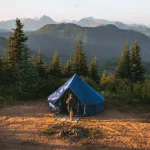

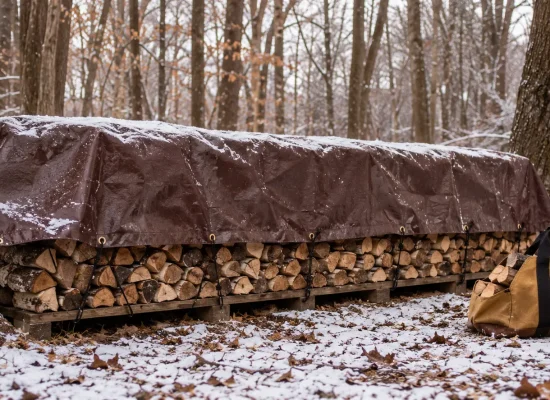
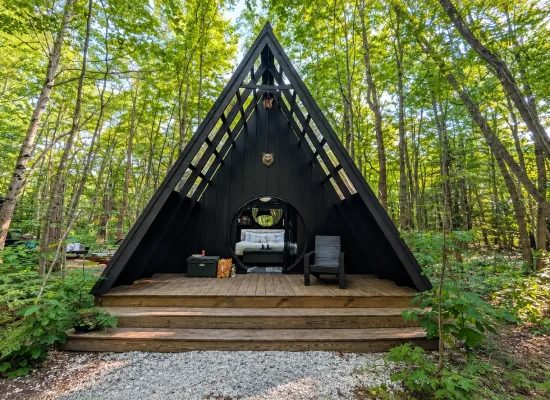
No Comment! Be the first one.