
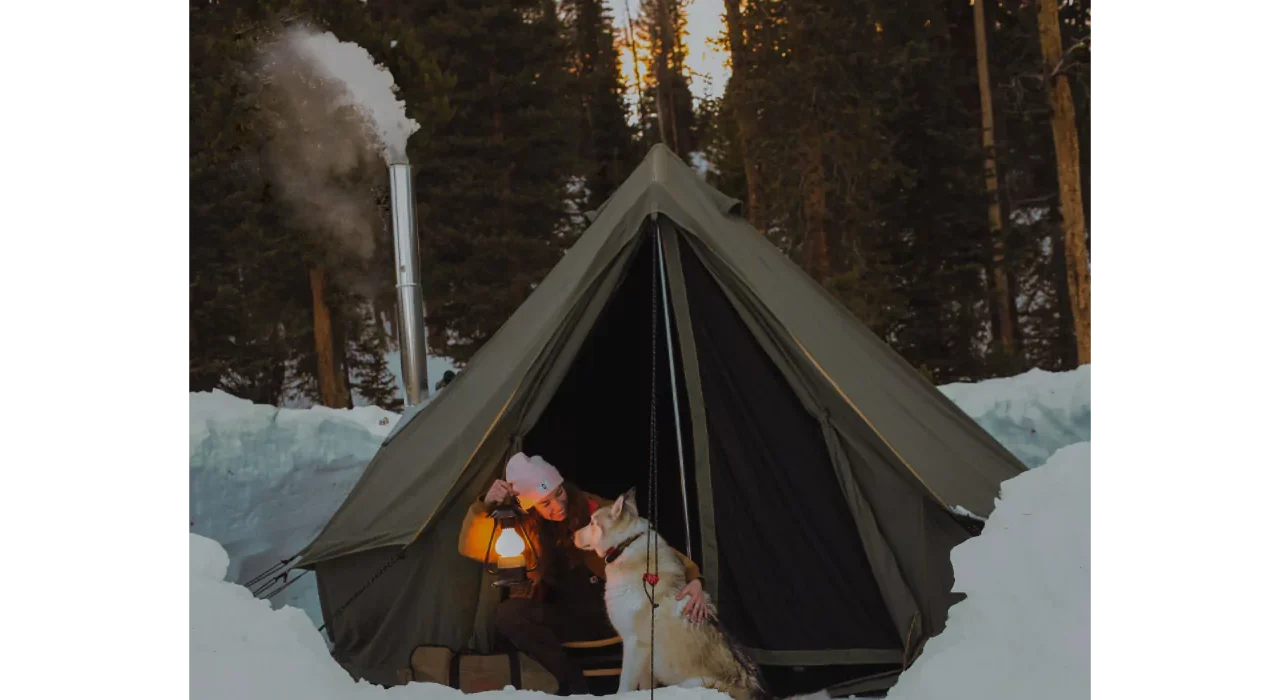
Camping in a winter tent is an excellent way to enjoy the outdoors and have cold-weather adventures while staying safe and warm. Although it may take a bit more research and prep to successfully pull off a cold-weather camping trip, the time is well worth the memories you’re sure to make. In this article, we break down a few practical tips for how to stay warm in a winter tent while using a stove.
Table Of Contents
What to Look for in a Tent Stove
A Reliable Tent
The winter camping community has grown exponentially over the past years, and so you have your options when it comes to finding the perfect wood-burning tent stove. Before you even think about specifics, though, you’ll need to make sure that your tent is compatible with stove usage. Look for a canvas tent with a pre-cut stove jack– the hole in the roof where the stove’s flue pipe will stay.
A tent that is made of fire and water-resistant fabric and also features a built-in heat-resistant stove jack is an ideal choice for saving you the time, hassle, and potential danger of fireproofing your own tent.
When using a tent stove, it’s also important to remember not to place gear, sleeping materials, or food too close to the fire. Oftentimes, four-season tents anticipate that campers will be working around a wood stove, so they’ll already be spacious enough to more than accommodate you and your supplies even after accounting for the safety radius.
Keep your group size in mind, though– wall tents can often comfortably hold up to ten people at their smallest size, making them your best option if you’re traveling with a larger party.
Material and Portability
Once you’ve secured a tent with the proper features, you’re finally ready to shop for your tent stove. Materials can vary from titanium and stainless steel, which are relatively light, to galvanized steel and cast iron, which will heat a tent quickly but will not be the most portable option.
Titanium stoves will be the most lightweight, but will also require the most consistent and frequent fuel, while cast iron or galvanized steel stoves will be the heaviest options but will make up for their weight in extreme durability and high heat retention. Stainless steel offers a middle ground between these options– while we wouldn’t recommend taking a stainless steel stove on an ultralight backpacking trip, it is an affordable, accessible, and heat-conducive option.
Shape
Tent stoves also come in a variety of shapes, with the two primary being box stoves and cylindrical stoves. Box stoves with a foldable design tend to be easier to break down into their parts, stack, and store, but they also can have more complicated and time-intensive construction processes. Cylindrical stoves are easier to maneuver and pack, but they might not have the same flat cooking space as the average box stove.
Safety
No matter the tent stove you choose for your winter camping adventure, there are a few safety measures that must always be taken into consideration. Fire, naturally, is the biggest potential hazard when using a tent stove. Store gear at least two to three feet of space between the base of your stove and any supplies to moderate your risk of loose fire.
Wood stove accessories, like proper flue pipes and spark arrestors, help contain the fire to the stove and also reduce the threat of carbon monoxide poisoning. Keep an eye on your stove jack to ensure that the tent is well-ventilated and smoke isn’t building up at any point.
Stove Essentials
Now that you have a tent stove best suited to your needs, it’s time to learn about the accessories that help to keep you safe and warm while winter camping.
Spark Arrestor
A spark arrestor, as the name implies, is meant to “arrest” any sparks that might travel up your stove’s flue pipe and be launched around your tent. It is attached with guy lines that should have a little slack to them while still holding the spark arrestor firmly in place. Most tent stoves will come with a spark arrestor already included, but a titanium spark arrestor is a good option if your setup is missing one of its own.
Burn Mat
To make sure that the ground your stove is on is adequately protected from the heat, and to mark out a handy boundary for safety, try placing a burn mat down before setting up your stove. A burn mat, also known as a stove mat, is made of silicone-coated glass fabric for fireproofing the ground and the surrounding area. If needed, bring along a similarly-sized piece of plywood to lay underneath the burn mat for stable ground.
Wood
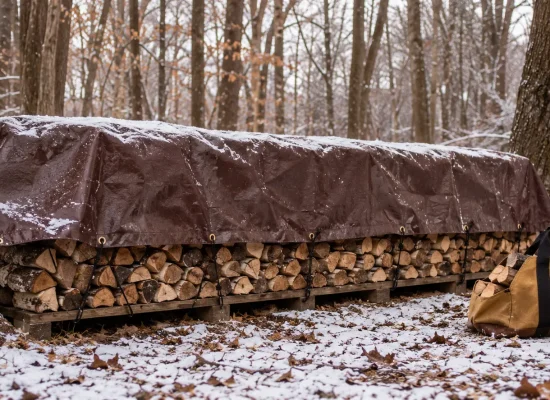
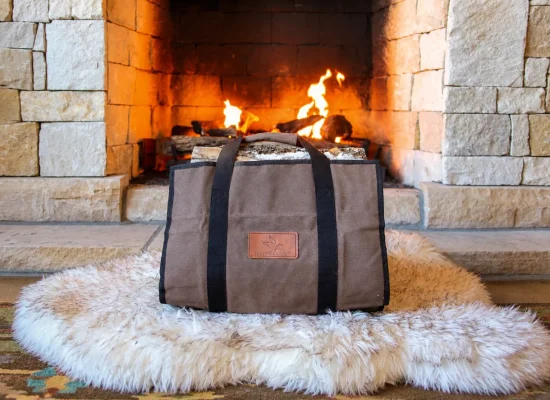
If you plan to stay warm while winter camping with your tent wood stove, you’ll need wood as fuel. Check with your individual campsite if applicable to see what their regulations on wood gathering are. To avoid excess smoke and unpredictable sparks inside of your tent, though, it’s best to burn dry wood. If you’re in a snowy or otherwise wet area, you will be better off bringing in your own firewood. Make sure it is chopped small enough to fit inside your tent stove and use a collapsible waterproof log carrier to ensure that the wood stays as dry as possible on its way to the stove.
Staying Warm All Night Long
Your winter camping setup is complete– now all you have to do is make a warm meal and curl up for a good night’s rest. At this point, you and your party can decide how you’re going to approach the rest of the evening. One option is to bundle up, fall asleep, and let the fire die down overnight before using some kindling that you’ve saved to start it up again in the morning. If you’d rather stay warm with a consistent fire all night long, you may have to start discussing sleep shifts so someone can make sure the fire is stoked and ventilated throughout the night. Whatever you decide, though, stay warm and stay safe with your wood tent stove this winter.


No Comment! Be the first one.