
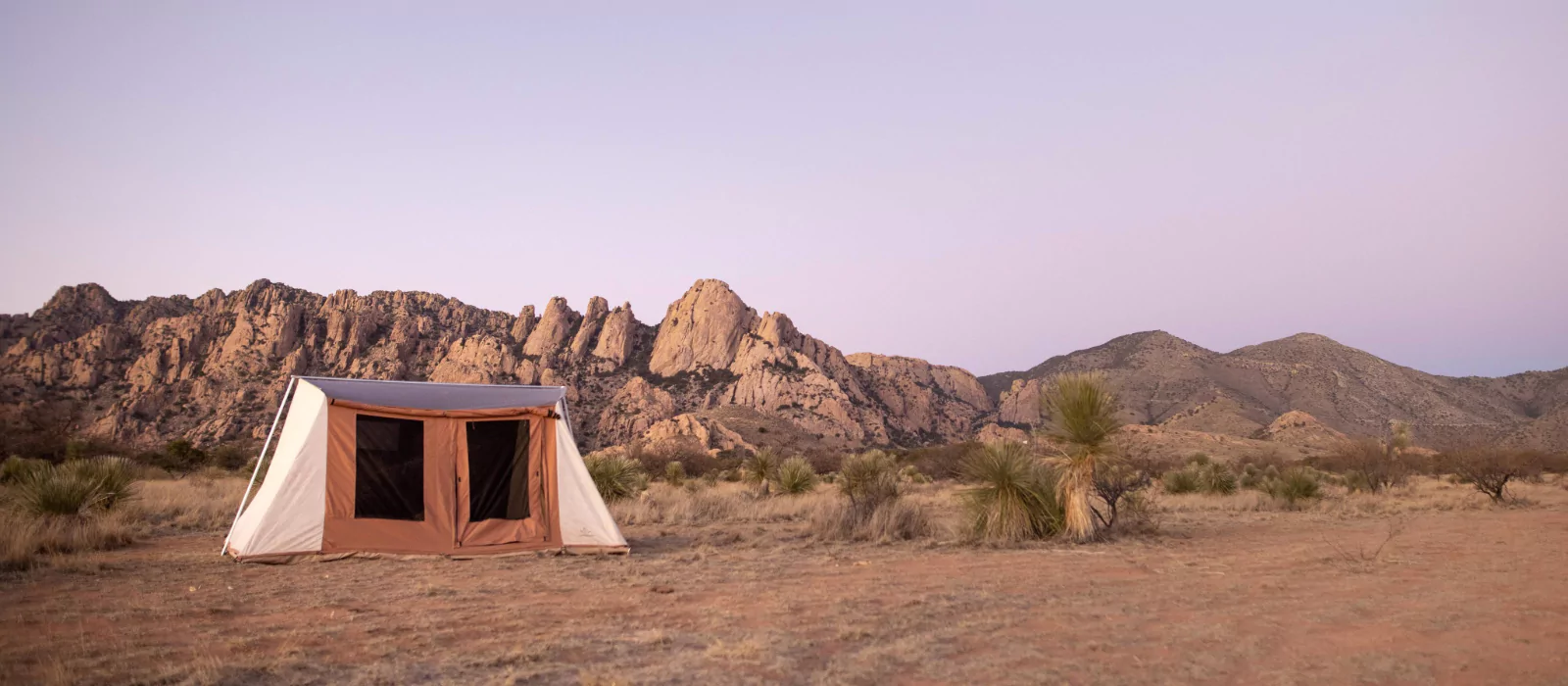
The great outdoors are full of vast landscapes, bustling ecosystems, and awe-inspiring wildlife. While hiking and camping get you up close and personal with these experiences, these precious moments are fleeting, and you’ll have to pack up and head home eventually. Leaving the wonders of the wilderness behind is bittersweet, but photographs can help bring you back to these magnificent places. Staring at a photograph can take you right back to a time and place, evoking the same views, smells, and feelings. For many, photography is a tool to remember adventures, while for others, entire trips are planned around capturing the perfect shot.
Table Of Contents
Planning a photography-focused camping trip involves more logistical considerations than a traditional camping trip. Aside from picking the perfect destination, you’ll need to take inventory and pack your gear, brainstorm the perfect shots, and adjust your photography to perform well in the elements. Whether you’re a professional photographer wanting to break into the outdoor space or a photography hobbyist who loves shooting the natural world, dive in to learn the basics of capturing nature on a camping trip.
Planning Your Trip
When planning a camping trip to shoot photography, you’ll want to start brainstorming the types of shots you want to capture. Are you hoping to shoot wildlife, a specific landscape, certain outdoor activities, or a mix of it all? Once you have a vision nailed down, you can pick a destination with greater ease. For example, if photographing wildlife specifically is your dream, opt for a place that’s well-known for frequent wildlife sightings, like Yellowstone National Park. If capturing the essence of life at camp is your aim, book a site at a front-country campground with plenty of outdoor activities to choose from.
Your vision will also inform the type of camping you embark on. For more unique landscapes and a better chance at encountering wildlife, you may want to consider reserving a backcountry camping permit. This will get you away from the crowds and place you directly in the center of robust wilderness scenery. If you’re hoping to get lifestyle photos centered on the camping experience and human subjects, staying at a traditional developed campground may be a better fit. Or, stay at a front country campsite and go on a day hike to a more remote location for the best of both worlds.
Subject Ideas for Your Next Outdoor Nature Shoot
If you’re unsure what you might want to shoot on your camping trip, check out this short list for inspiration! Once you pick a few general ideas, consider making a mood board to further nail down your concept.
- Wildlife and bird watching
- Landscapes and natural scenery
- The night sky and astronomy
- Campsite lifestyle imagery
- Recreational activities like water sports and hiking
- Still-life at the campsite
- Closeups of nature like local flora
- Time lapses of the sunrise, sunset, or other moving scenery
- Action or still-life shots of fellow campers and pets
- Self-portraits using a remote shutter
Regardless of your vision, spend time thinking about what kind of photography you’re after and pick a destination and campsite that caters to those needs.
What To Pack for Camping as a Photographer
Centering your camping trip around photography will result in a heavier gear load. Not only will you need to pack your typical camping equipment, but you’ll also need all of your camera gear, and supplies to keep it safe outdoors. If you plan to spend most of your time on the trail capturing the wilderness, feel free to keep your campsite minimal to lessen the load. Or, go all out to create a comfortable retreat. Either way, check out the following list of basics to get you started, but don’t be afraid to tailor it to your specific trip and needs!
Campsite Essentials
- Small canvas tent
- Tent footprint
- Rainfly sheet
- Sleeping bag and pillow
- Camping chairs
- Foldable table
- Firewood and firestarter
- Lighting like lanterns and flashlights
- Kitchen and cooking supplies
- Basic biodegradable cleaning supplies
- Basic campsite tools like a mallet and pocket knife
- First aid kit
Camera Gear and Outdoor Shooting Basics
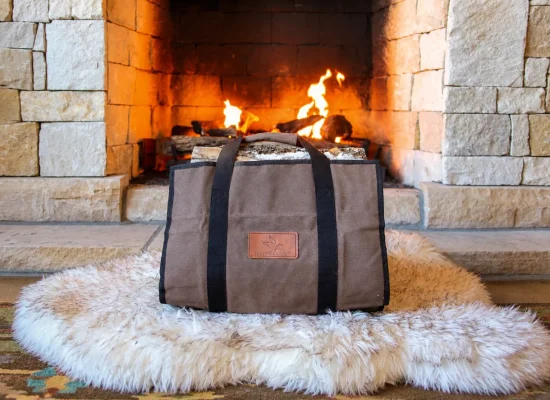
- Canvas bags to safely store your gear
- Your camera(s) of choice
- Your camera lenses of choice
- Lens cloth
- Camera straps or camera clips
- Tripod(s)
- Multiple SD cards
- External hard drive
- Battery charger and a reliable portable power supply
- Extra batteries
- Bluetooth remote shutter for hands-free shooting
- Any polarizers or ND filters you shoot with
- Outdoor tarps (place these on the ground or a table to help protect your gear when you lay it all out)
- Sunshade or canopy for shade during long shoots
- Trekking poles if you plan to hike with your gear
- GPS, maps, and local guidebooks
Personal Items
- Any applicable licenses or permits
- Sunscreen and SPF lip balm
- Bug spray
- A baseball or bucket hat
- UV-protective sunglasses
- Good hiking boots
- Clothing layers (base, mid, and outer layers tailored to the season)
- Healthy snacks for long shoot days
- Hiking sack to store your personal items on the go
Tips for Capturing the Perfect Photo Outdoors
With your campsite set up and your photography gear in hand, it’s time to start shooting! If you’re a photography hobbyist or just a straight-up beginner, here are a few quick tips for taking the best photos outdoors.
When it comes to finding a location to shoot, aim to venture off the beaten path. Of course, always stay aware of your surroundings and make an effort to not get lost, but the more remote you go, the more unique your photos will turn out. Going remote increases your chances of encountering wildlife, finding distinct environments, and capturing a more unique perspective of the outdoors. Wherever you end up, spend time getting a feel for your surroundings instead of immediately snapping pictures. Take in the environment around you and don’t rush to set up your gear. When you’re ready, carefully set up and fine-tune your camera’s position and composition.
It’s also helpful to get up early and stay out late when shooting outdoors. Sunrise and dawn are when wildlife is the most active and when lighting is at its prime. Plus, if you’re shooting in summer it may save you from the excessive heat of the afternoon. If you do find yourself out taking photos all day long, consider setting up a small outside tent or canopy to create shade on the go. This can give you a place to retreat between shots and wait for the perfect photo-op.
Play around with different cameras to create different aesthetics. Modern digital cameras have the power to capture fine details and sharp images. Film cameras, on the other hand, can create a nostalgic feel without hours of editing. Don’t be afraid to get creative and test out different styles!
When capturing outdoor images, always consider what’s in the foreground, middle ground, and background to create depth. Experiment with different angles and perspectives to make your shots more creative. While there are many traditional photography tips for getting the perfect shot, don’t be afraid to break the rules! For example, the rule of thirds is a great place to start in learning how to balance a shot, but breaking away from that can create more interesting compositions. At the end of the day, your photos should express your creativity, and it should be fun shooting them!
Wrapping It Up
Camping is an enriching activity for all ages, allowing outdoor lovers to connect with nature and create memories in new environments. Photography is a phenomenal modern tool to capture those memories and transport you back to your adventure years down the road. Thankfully, you don’t need to be a professional photographer to capture great photos of the natural world on a camping trip. By thoughtfully planning a trip around your creative vision, understanding the necessary camping and photo gear, and taking into account outdoor photography tips, you’ll be able to successfully capture the wonders of the wilderness. With your new images in hand and your memories saved in digital form forever, you can head home to start editing and sharing your shots.


No Comment! Be the first one.