

Whether you’re among the winter pines or high up in the mountain peaks, it doesn’t get more luxurious than a hot tent when camping in the great outdoors. For many winter campers, hot tents are practically a must. But while their robust benefits make them more than worthwhile, they require a little more effort during setup than a traditional camping tent. You may be new to hot tent camping or just want to dial in your setup. No matter your expertise, read on to discover the most common mistakes campers make when setting up a hot tent. Plus, learn how to avoid them to create a safe and comfortable winter shelter. Let’s dive in!
Table Of Contents
What Is a Hot Tent?
First things first, let’s discuss what exactly a hot tent is. Simply put, a hot tent is a winter tent with a source of heat meant to keep campers warm during a cold-weather camping trip. You’ll find hot tents heated by either a gas heater or, more commonly, a wood-burning tent stove. This style of tent allows campers to enjoy cold-weather camping, without endless layers of technical clothing to stay warm inside.
Needless to say, adding a heat source to your tent adds a level of danger that a normal tent lacks. To enjoy the warmth of a hot tent without worrying about these risks, it’s important to understand what common mistakes to avoid during setup.
Common Mistakes To Avoid When Setting Up a Hot Tent
As we’ve covered, a hot tent setup is a little more involved than the setup of a normal campsite. Because of its increased complexity, the room for mistakes grows. Here are 6 of the most common mistakes and how to avoid them.
Overlooking the Campsite
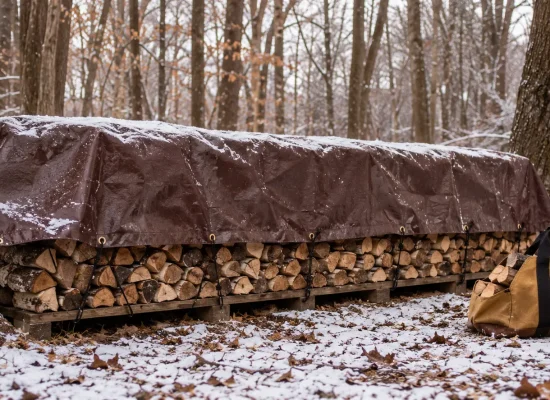
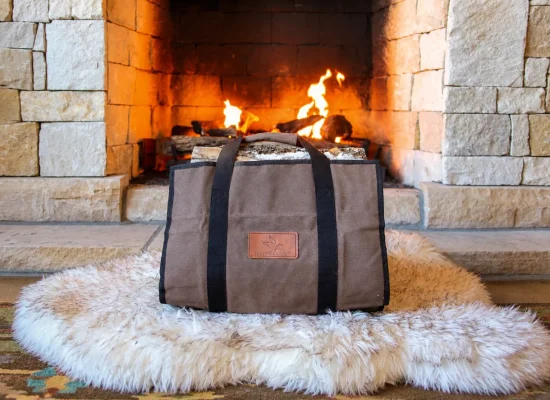
You may be so worried about getting your hot tent setup right that you overlook the campsite itself. Picking the right campsite is crucial to a successful setup whether you’re using a hot tent or a traditional camping tent. When reserving your campsite, confirm that hot tent camping is legal and allowed at your destination. Once at camp, check for flat, even ground with good drainage. Hot tent camping in the winter months will mean you’ll be dealing with more dead foliage and natural debris. Pick a relatively clear spot and spend some time removing any leftover debris before pitching your tent. For wood-burning stove users, consider the proximity of firewood to your site. You’ll need plenty of usable wood to fuel your fire, so don’t forget to pack a log carrier! With the perfect campsite secured, you have a solid foundation for a successful setup.
Choosing the Wrong Tent
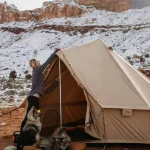
Only some tents are compatible with tent stoves, and choosing the wrong tent can put you in danger. It’s important to pick a tent with heat-resistant fabric and plenty of space to avoid starting a tent fire. A cotton canvas tent is the go-to for hot tent camping thanks to its fabric makeup and size. Canvas tents tend to be on the larger side, which gives a tent stove plenty of room. If a tent is too small, you may not have room to store your camping gear without creating a fire hazard. When it comes to picking a material, cotton canvas tents treated with heat-resistant coatings are ideal for tent stove use and offer the breathability necessary in a hot tent.
Failing to Cure the Tent Stove
Curing your tent stove before its first use in your hot tent is a necessary but often overlooked step. To do this, set your tent stove up somewhere outside, like your backyard, and burn wood in it for 2 to 3 hours. This will burn off the inside paint and release a strong, unpleasant odor. Doing this before your first hot tent camping trip will help you avoid filling your tent with the odor of an uncured stove and the toxic chemicals that come along with it.
Installing the Tent Stove Incorrectly
Incorrect tent stove installation can jeopardize your safety and your comfort. Sizing your stove jack poorly can result in gaps that allow weather like cold wind and rain to make its way into your tent. Avoiding this headache is as simple as measuring your stove pipe and purchasing an appropriately sized stove jack. Further, where you place your tent stove during its installation is paramount to your safety. Placing it too close to a tent wall can easily create a fire hazard. Experts recommend setting up your stove at least 3 feet from each side wall.
Ignoring Safety Protocols
The main risks associated with hot tent camping are tent fires and carbon monoxide poisoning. These should not be taken lightly, making it important to understand tent stove safety. During the setup of your shelter, be mindful of the placement of your stove. As we’ve covered, it should sit 3 feet away from each sidewall at minimum. Further, when organizing your camping gear, keep any flammable or combustible items away from the stove. To protect the floor of your tent and minimize the risk of tent fires, invest in a heat mat to use below your stove. Carrying portable fire and carbon monoxide alarms is also advised. Lastly, never leave a stove unattended!
Not Preparing for Cold Weather
Setting up a hot tent goes beyond your heat source. While your stove or heater will do most of the work to keep you warm, you’ll need to prepare for the cold in other ways. When it comes to your sleep setup, invest in a cold-weather sleeping bag and sleeping bag liner. Sleeping pads and mattresses also act as an additional insulator, keeping you warm against the cold ground of winter landscapes. Be sure to pack extra blankets, too!
The Bottom Line
Hot tent camping is a fantastic way to enjoy the outdoors in cold weather. Traditionally using a tent stove or gas heater as a heat source, these tents are warm oases for campers. Whether you’re going on a winter family camping trip or heading out to hunt with friends, a hot tent increases the comfort and luxury of your campsite. However, with this addition of a heat source comes a more complex setup than a normal camping tent. To make the most of your hot tent and ensure your comfort and safety, it’s important to pick a good campsite, choose the right tent, cure and install your stove correctly, follow all safety protocols, and prepare for the cold weather. By understanding the most common mistakes other campers make when using a hot tent, you’ll be on your way to avoiding them yourself and setting up a successful cold-weather campsite. So gather your gear, prep your stove, and head into the winter wilderness with confidence!


No Comment! Be the first one.