

Winter camping is a fulfilling experience and unique from more traditional trips taken in the spring, summer, and fall. In winter, campers will enjoy beautiful cold-weather landscapes and wildlife, fewer bugs, and, maybe best of all, a lack of crowds.
Table Of Contents
Plus, camping in winter is one of the best opportunities to learn and test your outdoor skills. The reality is, winter conditions can be harsher than other seasons. You need to be equipped with the right supplies and knowledge to stay safe and comfortable. From tips on clothing and gear to your shelter and sleeping system, here are the basics of winter camping and backpacking!
Stay Warm With the Right Clothing
How warm you’ll stay while camping in cold weather will depend heavily on your clothing choices. The key to comfort here is to layer, layer, layer! Then, top off your layers with accessories that maximize warmth.
How to Layer Your Clothing
You should plan to wear three layers: a base layer, a mid-layer, and an outer layer.
Your base will come in the form of long underwear, or long johns. This inner layer is intended to wick perspiration moisture away from your skin and in turn, keep you warmer. Avoid materials like cotton that will absorb and retain moisture. Instead, opt for synthetics like polyester that have moisture-wicking properties and dry quickly. Winter camping can be quite an intense activity, and you’ll inevitably sweat when you’re hard at work setting up or maintaining camp. While your base layer should help curb some of this, it’s also important to get out of wet clothes to maintain warmth. For this reason, always pack more base layers than you think you’ll need, so you’ll always have a warm set to change into.
The mid layer is your insulating layer and will be instrumental in helping you retain body heat in cold weather. Natural and synthetic fabrics are both viable options here, and both have their share of pros and cons. Whichever you choose, focus on the garment’s thickness and breathability. Generally, the thicker, the better! For your top half, opt for a heavy-weight fleece or insulated down jacket. On your bottoms, fleece pants are a safe choice.
Your outer layer, or shell, will act as your barrier and should protect you from elements like wind and precipitation. If chosen right, this layer will prevent the chill of the wind and the wetness of rain and snow from reaching your mid-layer. Your shell must be both waterproof and breathable, so go for garments made from polyester and nylon that are complete with waterproof coatings.
Don’t Forget Your Cold Weather Accessories
Accessories are vital in keeping your extremities as warm as your core. That means gathering gear for your head, face, neck, hands, and feet. At a minimum, you’ll want to pack a winter hat or beanie, gloves and mittens, and warm synthetic socks. Just like with your clothing, layer your gloves and mittens, and opt for the waterproof options. It’s also nice to have a ski mask and scarf to protect your face and neck. If the forecast calls for heavy snow, come prepared with winter boots and gators to help keep your feet dry. Additionally, snow reflects the sun, so don’t forget your UV sunglasses!
Pick the Appropriate Shelter
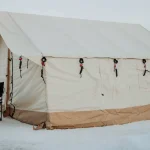
Not all tents are created equal, especially when it comes to winter camping. Backpackers and traditional campers alike should invest in a 4-season tent. Unlike the more common 3-season tent, 4-season tents are built to withstand the harsh conditions of winter climates. They’ll keep you warmer in cold temperatures, protect you from heavy precipitation like snow and hail, and block strong winds. Backpackers will want to opt for the lighter, synthetic tents, while campers staying put would benefit from sturdier canvas 4-season shelters.
If you’re hoping to use a tent stove to provide additional warmth inside, you’ll want a winter tent equipped with a pre-installed stove jack to use your stove safely. Not only do tent stoves heat your tent, but they also provide an indoor option for cooking meals, limiting your time spent in the cold, which is especially beneficial at night. Plus, they add unmatched ambiance, making your shelter a cozy safe haven from the winter elements.
It’s also good to remember that you’ll be traveling with more gear in winter months. To accommodate your supplies, choose a tent whose capacity is at least one person more than the number of people in your group. This will ensure room for everyone plus their gear inside your shelter.
Invest in Winter Sleep Gear
Your sleep gear will be just as important as your tent and will be vital to keeping you warm when temperatures drop through the night. Plan on bringing a cold-weather sleeping bag that’s rated somewhere between 0 and -20 degrees. Another option is investing in a liner, which can be inserted into your everyday sleeping bag and provide similar protection against low temperatures, at a more accessible price.
Below your sleeping bag, you’ll want to place a sleeping pad. Not only do these add extra comfort and improve your night’s rest, but they also create an additional barrier between you and the cold ground. This will provide further insulation and reduce the amount of body heat you lose through the night.
Prioritize Your Well-Being and Safety
Camping in the wilderness can be dangerous at any time of year, but winter can add a few safety concerns to note. Threats of extreme weather like freezing temperatures and snow storms can put you in compromising situations to be prepared for. Dressing properly and investing in the appropriate shelter and sleep gear can help protect you against frostbite and hypothermia in low temperatures. Additionally, take extra care to stay dry!
Remember that it’s just as important to remain hydrated and well-fed in the winter as it is in the summer. Besides the extra effort you may exert while camping in winter, your body also burns more calories in cold weather due to shivering, making consuming nutritious and high-calorie meals essential. It’s common for campers to feel less thirsty in the cold, which can become dangerous if you’re not on top of your water intake. Plus, staying hydrated can help your body stay warm, as well as help reduce fatigue.
Outside of maintaining your health, you should also be aware of natural hazards and safety concerns at your destination. For example, mountainous regions are vulnerable to fatal avalanches and dangerous blizzards. Make note of the risks you could encounter and come prepared with the recommended safety gear. These can range from navigational items and satellite devices to snow shoes and shovels. The last thing you want is to find yourself in a dangerous emergency situation without the proper supplies to return to safety. No matter the season, it’s always a smart idea to let your loved ones know your destination, a loose itinerary, and the dates of your travel at the bare minimum.
The Essential Winter Camping Gear Checklist
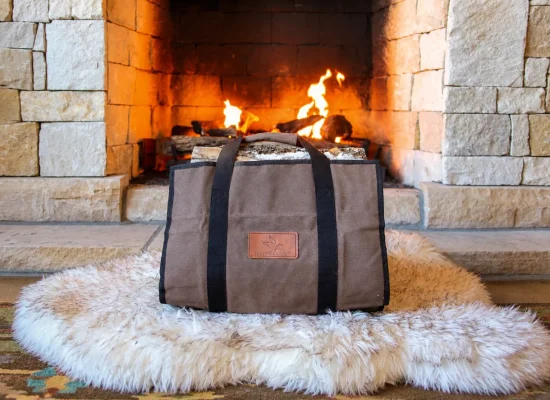
There’s quite a bit to consider before embarking on a winter trip, and there’s definitely more to pack. You’ll still need all of the normal camping gear you’d take during spring, summer, and fall. But on top of that, you’ll need to pack everything we just talked about into your canvas camping bags.
So in addition to all-season camping basics, be sure to pack the following items for your winter camping excursion:
- Base layers
- Mid-layers
- Outer layers
- Warm hat that covers the ears
- UV Sunglasses or goggles
- Sunscreen
- Ski mask
- Scarf
- Gloves and mittens
- Warm socks
- Gaiters
- Snow boots
- Hand and feet warmers
- Canvas camping bags
- 4-season tent or winter tent
- Cold weather sleeping bag or liner
- Sleeping pads
- Snowshoes or skis
- Ice axe
- Trekking poles
- Snow shovel and avalanche probe
- Emergency blankets
- Avalanche radio
- Navigational tools
- Satellite device
- Cold weather first-aid kit
- Thermos
- Coffee or kit-making kit
Winter Camping Basics in a Nutshell
The benefits of winter camping are abundant, from the breathtaking landscapes and unique wildlife to the lack of crowds and minimal bugs. It’s no wonder that it’s increasing in popularity among campers, with a notable increase of 40% between 2019 and 2021. While it’s a unique and worthwhile adventure, winter climates can be harsh, and it’s important to be prepared before venturing into the unknown.
Cold weather calls for layered clothing and high-quality accessories like waterproof gloves and gaiters. Extreme conditions will require you to bring a durable 4-season tent that keeps you warm and withstands harsh winds and precipitation. To ensure a good night’s rest, pack cold-weather sleeping bags in addition to your sleeping pads to keep you warm and off the cold ground. Most importantly, prioritize your well-being and safety at every turn. From hypothermia and frostbite to avalanches and blizzards, winter trekking can be dangerous. Assess the risks of your destination and prepare appropriately. Once your comfort and safety are accounted for, you’re ready to explore the wonders of cold-weather camping!



No Comment! Be the first one.