

Family camping trips are a longtime favorite way to spend quality time, rest, and reconnect amidst busy, bustling lives. However, Mother Nature can be volatile, and her inconsistent weather patterns can quickly throw a wrench in even the best-laid plans. Whether you are facing extreme heat, spring rainstorms, fall gusts, or winter snow and ice, choosing a tent that protects you from any surprise elemental challenge is crucial to family tent camping success. To help, we’ve gathered our best advice and put it here in this guide so you and yours can make the best possible choice when selecting a weather-resistant family tent for all seasons.
Understanding Weather Resistance
‘Weather resistance’ is a phrase used in the outdoor industry to describe a tent or certain piece of gear’s ability to shield its users from various weather conditions, including rain, wind, snow, and sun. It probably goes without saying, but 4-season tents must be able to handle extreme weather while still providing maximum comfort and durability. Here are a few top features to look for in a weather-resistant family camping tent:
Waterproofing
Proper waterproofing ensures that rain, snow, or even dew droplets do not seep into your tent. Surfaces that require proper waterproofing typically include the tent’s outer fabric, seams, and rainfly.
Polyurethane coatings are among the most common treatments used to make tent fabric waterproof. The higher the hydrostatic head rating you can find, the better water resistance the tent has. For example, a rating of 1500mm or higher is recommended for medium to heavy rainfall.
Silicone-treated fabrics also offer great waterproofing and long-term durability. Fabrics treated with silicone tend to be more lightweight than polyurethane but are typically more expensive.
Wind Resistance
Strong wind resistance allows the tent to withstand strong gusts without blowing away, collapsing, or tearing.
Snow Load Capacity
The higher the snow load capacity, the more snow accumulation a tent can hold without risking collapse or structural damage.
Ventilation
Proper ventilation is key to a comfortable, safe, and mildew-free environment inside your tent. Vents allow adequate airflow into and out of the dwelling to prevent condensation accumulation and overheating.
Fabric and Material
Nylon and Polyester
Nylon and polyester are heavy-duty materials commonly used for tents and rain flies. Seek fabrics with high ‘denier’ ratings for durability and strength. For example, 68D or 70D are strong ratings. These types of materials are typically treated with a waterproof coating using silicone or polyurethane.
Canvas
Cotton canvas offers excellent durability as well as breathability, making it a suitable material for all-season use. Canvas has natural water-resistant properties but is also typically treated with an extra waterproof coating like nylon or polyester. Canvas tents are heavier than alternatives, but provide better insulation in the winter and can handle snow and rain effectively.
Ripstop Technology
If you choose a tent with ripstop technology, this means its construction materials also include reinforcing threads which are woven into the fabric to prevent any small tears and rips from spreading.
Seam Integrity
Seams are unfortunately unavoidable as potential weak points where moisture could possibly enter your tent. Proper seam construction and reinforced sealing are essential for true weather resistance.
Double-Stitched Seams
Double stitching reinforces existing seams and enhances durability. Before purchasing a tent, ensure all seams are reinforced, particularly in high-stress areas like corners and around zippers.
Seam Sealing
Most tents come with factory-sealed seams, so they require extra sealing. Seam sealant can be applied to ensure that water does not seep through the stitching.
Full Coverage: Rain Flies and Tarps
Rain Fly
A rainfly should be well fitted to the shape of your tent, yet extend over edges to provide complete protection from moisture.
Tarps
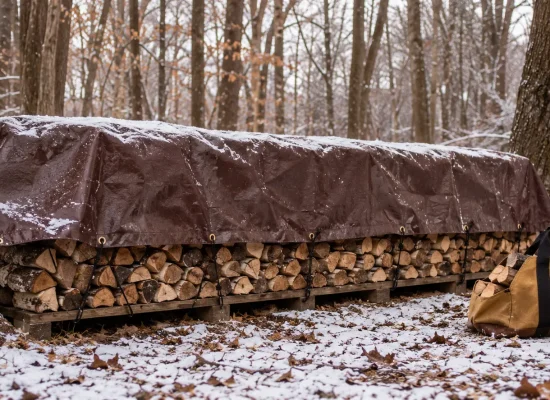
Poly tarps are an excellent addition to your camping gear pile due to their many many uses. Made from polyethylene, such tarps are waterproof, lightweight, and can be used as a makeshift shelter on their own or provide extra protection over a tent in the rain or snow.
Proper Airflow
Ventilation Prevents Condensation
Proper ventilation is essential for keeping condensation from accumulating inside the tent, which can lead to uncomfortably damp, chilly conditions that can be unsafe in subzero temps.
Mesh Windows
Tents with mesh windows and vent covers allow for maximum airflow while also keeping biting, annoying insects outside. Adjustable mesh vents help encourage airflow and ventilation based on the weather.
Cross-Ventilation
Tents that feature multiple adjustable vents on opposite sides create what is called cross-ventilation, which improves airflow and reduces moisture buildup.
Pole System and Structure
Pole Materials
Aluminum or galvanized steel poles are preferred for their strength and durability. They are lighter, yet more resistant to bending in the face of strong winds as compared to fiberglass poles.
Hub Systems
A hub system describes a pole system that consists of a central “hub” connector where multiple tent poles meet. The rest of the tent’s poles radiate out from this central point, forming a framework for the tent. This feature greatly simplifies setup and provides increased stability.
Reinforced Corners and Guy Lines
Ideally, the tent you choose should consist of reinforced corners and sturdy guy lines. These features help secure the tent and prevent damage from strong gusty winds.
Aerodynamic Design
Some tents are designed with aerodynamic shapes that cut through the wind, diverting the force evenly around the structure without disrupting the integrity of your tent.
Snow Load Capacity
Snow Skirts
Snow skirts are tent fabric extensions that sweep the ground and help keep snow from drifrting into your tent. They are also great for improving insulation and keeping the interior of your tent warm.
Strong Frame
Four-season tents designed for winter camping should consist of a very strong frame capable of supporting snow accumulation. Double-check that your poles are reinforced and equipped to handle snow loads.
Temperature Regulation:
Insulation
In cold weather, you will want a tent made of well-insulated material that can hold heat from your tent heater inside and keep cold air from seeping in. Tents with thermal reflective coatings or additional insulation layers are obvious choices.
Heat Management
During the hot months, you’ll want to ensure that the tent of your choosing has adequate ventilation as well as shade. It’s worth noting that some tents come equipped with built-in cooling features or allow for additional ventilation options to be added.
Ease of Setup and Takedown
Simple Setup, Quick Takedown
Choose a tent with a straightforward setup process. This will matter a ton when it comes to setting up and taking your tent down in extreme weather. Color-coded poles and sleeves or an automatic pop-up system can simplify the setup process. Additionally, ensure that the tent is easy to disassemble and store compactly. Consider a tent that includes a convenient carry bag.
Additional Features
Interior Pockets
A helpful feature included in many tents is built-in pockets meant for organizing small personal items and gear like flashlights and headlamps. These make for easy access to most-used items and keep the interior of your tent free of clutter.
Lighting Solutions
Many tents include built-in lighting or hooks for lanterns or string lights. You can always add your own light setup– we highly recommend purchasing solar-powered string lights or lanterns for easy campsite ambiance.
Gear Storage
In addition to tent pockets, some tents feature extra storage options such as gear lofts or hanging organizers which are wonderful additions that help keep your camping gear organized and conveniently accessible. This is especially helpful when it comes to cold weather months as you will inevitably have more gear to store.
Budget and Value
Set Your Price Range
Family camping tents fit for all seasons will vary widely in price based on materials, size, and features. Set a budget and stick to it, comparing your options within that range. It IS possible to find a good tent without breaking the bank!
Warranty and Support
Be sure you are purchasing a tent from a company that offers good warranties and customer support. Because you are making such an investment, a family tent warranty will provide peace of mind and protection against potential defects.
Conclusion
When you decide to go shopping for a weather-resistant family camping tent for all-season camping, you will be involved in a long process of evaluating the many features that make tents versatile and comfortable. By simplifying the process and considering just the essential factors such as construction material, ventilation, pole systems, snow load capacity, temperature regulation and spaciousness, you can easily find and select a tent that enhances the camping experience for your whole family no matter the season you’re in.
At White Duck, we offer a range of high-quality tents designed for all-season use, providing excellent durability and weather resistance. By complementing the tent design that works best for your crew with the right gear and preparations, you will be ready to immerse yourself in many memorable family camping adventures no matter what the weather brings.


No Comment! Be the first one.