

If you’ve ever worked on an outdoor project, gone camping, or conducted any general utility maintenance, then you know how essential heavy-duty tarps are to making any of these into a successful endeavor. Choosing the right type of tarp, however, matters. When you choose the right tarp, it makes an even more significant difference in your experience and the longevity of your equipment. Two of the most popular materials for tarps are canvas and polyethylene. Both have their unique advantages and disadvantages, which we will discuss in this guide. We’ll explore the key differences between canvas and poly tarps and help you determine which is the best choice for your needs.
Material Composition
Canvas
Canvas tarps are made from a durable cotton or cotton-polyester blend. The materials are woven tightly into a large piece of fabric, providing a strong and durable surface. It can be treated with various coatings such as wax or polyurethane to enhance water resistance and durability.
Poly
Poly tarps are made from their namesake–polyethylene, a type of durable plastic. These tarps are often coated with UV-resistant material, making them safe and durable against most outdoor conditions. Poly tarps can be produced in different weights and thicknesses, offering suitability for a range of options for different needs.
Durability and Longevity
Canvas
One of the biggest advantages when it comes to canvas tarps is their supreme durability. They are naturally equipped to withstand wear and tear over time without sustaining significant damage. When properly cared for, canvas tarps can last many years, making them a great investment for outdoor enthusiasts who enjoy a versatile array of activities.
Poly
Poly tarps are less durable than canvas and have a shorter lifespan. While they can resist tearing and puncturing, their lifespan may be shorter if exposed to harsh weather conditions over extended periods. They can become brittle when exposed to extreme temperatures or harsh UV light, which leads them to break down prematurely as compared to canvas.
Water Resistance
Canvas
Canvas materials have inherent water-resistant properties, but the intensity of such can vary based on the weave and treatment of the fabric. Untreated canvas may absorb some water, while properly treated canvas offers supreme water protection. Regular maintenance, such as reapplying waterproofing agents, can help maintain its effectiveness in repelling and evaporating water.
Poly
Poly tarps are far superior to canvas tarps when it comes to water resistance. They are often fully waterproof and can keep moisture from penetrating their surface at all, making them ideal for situations where rain or snow exposure is a concern. Poly tarps feature sealed seams and plastic coating which keeps water from seeping through altogether and ensures that items beneath remain totally dry.
Weight and Portability
Canvas
Canvas tarps, like canvas tents, tend to be a lot more dense and heavier than their synthetic counterparts. This can make canvas tarps less desirable for portability’s sake, especially if you are planning on carrying your gear over a long distance such as on a backpacking trip. However, their weight contributes to their extreme durability, making them suitable for rugged applications if you can withstand the haul.
Poly
Poly tarps are lightweight and quite compact to carry, making them ideal for backcountry camping, backpacking, and other outdoor activities where weight should be lessened. Their portability contributes to their popularity in terms of outdoors enthusiasts who opt for temporary shelters and prefer quick, easy setups.
Breathability
Canvas
A standout feature of canvas tarps is their incredible breathability. An inherent characteristic of the natural fibers’ weave is their ability to allow air to circulate, significantly reducing condensation inside the tarp. This is crucial if you are trying to avoid molding whatever is underneath your tarp, or if you are camping–as it helps maintain a comfortable environment and prevents you from waking up damp and cold.
Poly
Poly tarps are effective at blocking water but at the cost of breathability. Compared to canvas, poly tarps are not a great option if you are trying to avoid mold and mildew buildup, or if you are planning on taking your tarp camping. If you live in a humid climate, canvas tarps are probably your best bet for covering tools, outdoor equipment, building materials, or for going camping.
Cost Considerations
Canvas
Canvas tarps are, as a rule, more expensive than poly tarps. The higher cost is a result of their advanced durability, natural materials, and supreme versatility. While the initial up-front investment may be greater than that of synthetic poly tarps, many find that the lifespan and versatility of the canvas are worth the investment. You may find yourself having to replace the cheaper tarps more frequently, and spending more in the long run.
Poly
Poly tarps are generally more budget-friendly, which makes them a popular choice for those looking for cost-efficient, temporary solutions. Where canvas is more of a long-term investment, not all projects or outdoor activities require such a permanently functional tarp. Poly tarps are widely available in many sizes and weights, so there are plenty of options for large tarps that fit everyone’s budget.
Environmental Impact
Canvas
Because canvas itself is a naturally derived material, canvas tarps are far more environmentally friendly than poly tarps. They are biodegradable after disposal, and are very green in their production, requiring fewer harmful chemicals. Choosing canvas can be a much more sustainable option for environmentally conscious campers and outdoorsmen and women.
Poly
Polyethylene is made from plastic, thus, having a larger environmental footprint in terms of both production and disposal. Poly tarps are not biodegradable in the slightest and can contribute to plastic pollution if not properly disposed of. This is not to say that you cannot ethically purchase a poly tarp, as many companies are now producing recycled poly tarps to mitigate this concern.
Usage Scenarios
Canvas
Canvas tarps are ideal for long-term needs and situations where intense durability is crucial. They are also a healthy option for humid climates and for any environment where waste disposal is of concern. They are commonly used for outdoor activities such as:
- Camping– as a reliable, breathable shelter, as well as reinforcement for your tent.
- Agriculture– to protect equipment and/or livestock in the event of inclement weather.
- Outdoor events– they can serve as event canopies or makeshift shelters for large gatherings.
Poly
Poly tarps perform excellently in situations where short-term applications are needed or in instances where water resistance is a priority. Their most common uses include (but are not limited to):
- Emergencies– Poly tarps operate awesomely as quick shelters during storms and other natural disasters.
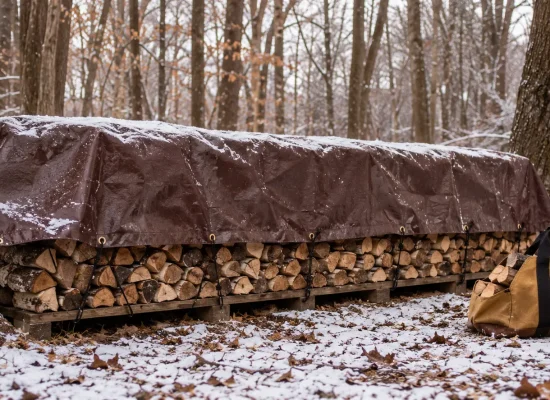
- On construction sites– you can often find poly tarps protecting expensive equipment and heavy-duty materials from rain and snow.
- Camping– polyethylene tarps are great options as groundcovers and temporary setups against rain and snow.
Maintenance and Care
Canvas
Naturally derived canvas tarps require extensive and regular maintenance to keep them operating in tip-top shape. Important examples of necessary maintenance include cleaning, waterproofing treatments, and proper storage. If not cared for correctly, they will begin to mold and/or mildew, especially in damp conditions.
Poly
Poly tarps are generally very low maintenance. They can be sprayed off or wiped clean and stored without concern for mold or mildew, due to their intense coating and non-absorbent plastic properties. However, regular checks and addressing of wear and tear are recommended to ensure they remain intact and effective.
Conclusion
Choosing between a canvas tarp or a polyethylene tarp simply depends on your specific situational needs, and the intentions behind your tarp usage. Choose a canvas tarp if you are looking at protection for a long-term project or if you are planning on using the tarp for a shelter when camping. Canvas is a great option for those willing to deviate from budget and invest a little more upfront for long-term benefit. Poly tarps are a great option for those in search of a lightweight, portable solution for a short-term situation– where water resistance is a top priority and you are looking for a budget-friendly solution to a circumstance you don’t see repeating itself or extending for long periods.
In the end, both canvas tarps and poly tarps have their rightful place in the order of things in the outdoor and utility worlds. Understanding the scope of your project or activity, and the environmental demands will help you decide which of these two options will best protect you, your equipment, your livestock or your tools from the elements. All in all, whether you opt for natural or synthetic, breathability or water resistance, a tarp of any kind will be a helpful addition to your gear pile.




No Comment! Be the first one.