


So you have finally decided to take on a camping adventure. An outdoor getaway can be nourishing for the soul. You wake up to warm sunlight, engage in a rewarding activity every day, and breathe fresh air away from the pollution of the city.
As part of your preparation, whether your tent is borrowed or bought you are in good hands with a canvas wall tent. This is a spacious and sturdy shelter for the outdoors that prioritizes comfort and security for its occupants.
You only get a few days off from the daily grind of your job, make this time count. With the right gear and guidance, you can make your next camping trip a transformative experience.
- As a beginner, you must test out your new tent. If the tent is a hand-me-down, check to see if the kit includes all the parts required to set it up. Unpacking it and laying out all the pieces should also teach you how to repack the entire thing so you don’t struggle on the last day of the camping trip.
When you repack everything a neat idea would be to put it back in the order where the last thing to go in is the first thing you would need when setting up. Wall tents take an hour and a half to set up when two people are doing it together. You should do a practice run so that you know exactly what to do when setting up the tent at the campsite. This way you won’t waste any time, or stress about not understanding the tent instructions. Your camping trip can have a great start.
- Before you head out make sure you check what is provided at the camp site. Some campsites have communal kitchens so you don’t have to pack kitchen items. Some campsites will have outdoor furniture so you don’t have to pack that foldable chair for each member of your family. Knowing what to expect will lighten the load you have to pack and travel with.
- Don’t skip packing a first aid kit. Remember you don’t just want things for cuts and abrasions, but for poisonous plants and insect bites. An insect repellent should make this list too. Your first aid box is just as important as your tent.
- Look up the weather forecast for the campsite. You want to pack your clothes accordingly. When in doubt always pack a pair of thermals and one rain jacket.
- Be smart about what you pack. When camping, you are living minimally. You don’t need more than one pair of hiking boots. You don’t need more than one snow jacket if you are camping in winter. You can always take a nylon rope to dry clothes that get wet.
- You may be ready to let moonlight or the bonfire illuminate things for you at night, but it can get pretty frustrating when you can’t find things in your wall tent and have to resort to your phone light all night. Take some portable lights and lanterns with you. The great thing about a wall tent is the height of the walls. You can attach a lantern to the ceiling that will illuminate the entire interior of your tent.
- Wall tents advertised for two people may look too big for just two people. First-time campers may buy a two-person wall tent for four people. While a small tent can fit 4 cramped sleeping bags, you will be missing out on the main perks of camping in a wall tent. For example, a wall tent comes with all that extra space so you can install a stove to keep yourself warm, and to cook with the appropriate equipment.
A wall tent is meant for occupants to be able to walk around the interior, and also store their camping gear inside safe from the elements.
- If you have packed canned food or prepped meals don’t leave them inside the tent. Animals in the area will be attracted to the smell of food and even empty food wrappers. At the end of the day don’t leave any dirty dishes or remnants of your meal on your campsite. A good idea would be to store your food in the car, or your campsite lockers.
- Always get a wall tent that is pre-treated to be fire resistant and water proof. This will make your trip comfortable if it rains. Pre-treated canvas is part of the maintenance of your tent. This way you can extend the life of your tent and have many memorable camping getaways before you retire your gear. White Duck Outdoors offers readily primed tents so that you do not have to treat them yourselves.
- Find the ideal camping spot to pitch your wall tent. A few things should go into your checklist for the perfect camping spot. First, you want a leveled ground area. You don’t want to pitch your tent too close to a natural body of water. Most campers will make this mistake and in the event it rains, the water level from the river or lake rises and seeps into their tent.
You also don’t want to pitch your tent in the direction of heavy winds without a natural barrier barring some of that wind pressure before it hits your tent. If possible, pitch your tent under shade so the canvas doesn’t have to deal with overtime UV damage from prolonged exposure to direct sunlight.
- Always pitch during the day when there is plenty of sunlight. If you arrive at your campsite and it is pouring rain, wait for 90 minutes, if the skies clear you can pitch the tent, if not then you may have to delay your camping trip by a day. Remember to time your practice run for pitching the tent. This way you will know how much you need before the sun sets to easily pitch your tent.
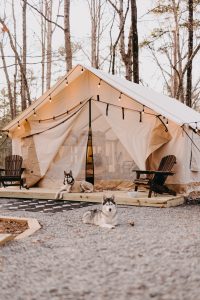
- Double-check your stakes. Make sure that your guylines are tight and secure. Instead of staking straight into the ground, try angling your stakes at 45 degrees so it is harder for the guyline to slip out.
- Don’t put your sleeping bags or mattress right next to the tent walls. Condensation can easily accumulate overnight and make your bed damp. For the same reason don’t place your clothes where they are touching the tent canvas.
- Wall tents don’t have a sewn-in floor. If you want to add a floor so you can relax without your boots inside, all you have to do is add a canvas tarp as a floor before you pitch your wall tent.
- It is easy to keep your wall tent clean. If you are tired of everyone tracking mud inside the tent, get a broom and just wipe the mud and dirt out the front door. Wall tent doors extend to the ground so the corners won’t collect dirt. You can also add an old mat at the front of your tent so that everyone wipes their shoes before entering the tent.
- Wall tents can be mended without sending them to a professional or replacing the entire tent kit. Army duck canvas is a sturdy material. It is unlikely that it will succumb to tears easily. But it is not invulnerable to damage. In case your tent does sustain a tear you can stitch and seal it during your trip. Pack a repair kit so you don’t have to stress about a damaged tent in the middle of your trip.
- Add a rainfly to your tent kit. This is an extra layer of protection against rain that is tethered on top of your wall tent. A rainfly has a larger surface area than the width of your tent so that water doesn’t seep into the window and door flaps.
- At the end of your trip when it is time to disassemble your tent, you have to take extra care of the canvas. Don’t fold the canvas unless it is dry. Wall tent canvas is a blend of cotton and other materials. If not dried out before folding and storing, the canvas may catch mold and mildew.
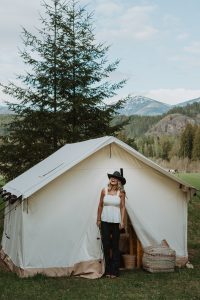
Ready to embark on your next adventure? You already know who you want to include as your fellow campers, next complete that checklist to make this camping getaway the best one. Complete your canvas tent with stove by browsing these accessories and camping essentials. Bring your furry friend along, there is a place for them with the outdoor dog beds at White Duck Outdoors.



No Comment! Be the first one.