


Perhaps the best feature of a quality canvas tent is that you can install an outdoor tent stove in it. This makes it so much more convenient to go on a camping trip in the cold, or when you want a private kitchenette on the campsite.
Table Of Contents
Cooking on a camping trip can be an enjoyable and memorable experience. This is an activity everyone can share. For glampers, the stove is the centerpiece of their luxury kitchen space. All in all, a stove is a must-have item amongst tent camping accessories.
Check out some top tips that will inspire you to take out your outdoor stove for your next adventure.
How to Set Up A Tent Stove
Before you set up your stove, you must be strategic about how you set up your tent. The vent opening has to be away from tree branches so that they don’t catch fire from the stove pipe. Stoves that use wood for fuel can shoot sparks and debris up the stove pipe. Wall tents will have an opening in their canvas either on the roof or on the side of the tent.
You must prep your stove. Before you get the logs for burning, set the bottom of the stove with sand. This will create a protective barrier between the wood and the metal casing of the stove. Tent stoves have thin casings and because of this, the burning wood can in time burn through the stove. Therefore, to extend the life of your stove, give it a cushion of insulation.
Invest in a spark arrestor. This can be installed in the chimney and its main function is to kill any rogue sparks that travel up the pipe. While the exhaust is away from any tree branches, you don’t want the sparks landing on your tent’s canvas either.
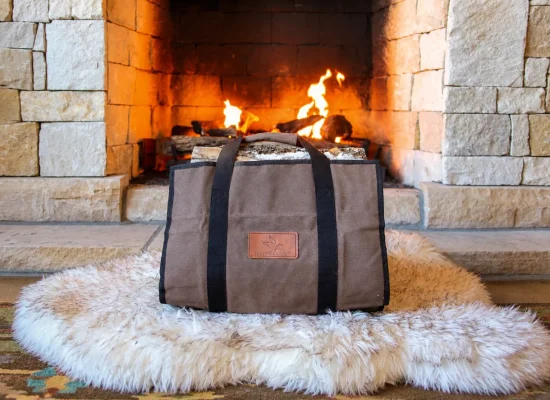
Make sure you place the stove a couple of feet away from the canvas. A good idea would be to place it near the entrance so you don’t have to lug your log carrier around the interior of your tent.
Top Tips for Cooking on a Tent Stove
- Check the direction of the wind and how strong it is. If you feel it’s windy while you are cooking, put up the windguards next to the stove. This way the flame won’t fluctuate while you are cooking. A diminishing flame is also dangerous because you may pump up the heat and once the wind halts, the stove will immediately fire at a higher intensity.
- When you are prepping the menu for your camping trip, make sure you stick to ingredients that don’t take too long to cook. For example, rice has a longer cooking time than most food items. Ingredients that can be cooked quickly won’t require you to stick by the stove and watch it simmer. This only takes time away from other activities on your camping trip.
- It takes a while to get the hang of a tent stove. Before you start cooking, don’t hesitate to adjust the wood and the vent system to create the desired temperature for cooking. Remember, wood-burning stoves take a while to heat up, unlike the stove units we have at home. The same goes for cooling off. Be wary of the stove even when you have emptied the firebox, the metal won’t cool down immediately.
- You want consistent heat on your stove plate. The trick is that you get the right wood. Dry wood is excellent for keeping the burning temperature consistent. Wet wood logs and green wood will not only provide inconsistent heat but also create excessive smoke.
- Know that you have choices. Outdoor tent stoves come in a variety. You want one that has an easy door opening to the firebox. You can even find stoves that have multiple cooktops so you can prepare different things at the same time.
- Don’t bring food items that are cooked carefully or are delicate. The best items are the ones that can withstand heat from these stoves and don’t run the risk of burning as soon as you place them on the cooktop. These include sausages, eggs, chicken, and hamburger patties to name a few.
- If you have invested in an outdoor stove oven, always preheat this. Most campers will turn it on and enjoy the heat it emits to the interior of your tent.
- Outdoor stoves don’t always have the most evenly heated cooktops. It is important that before you use your stove on a camping trip you test it out at home first. This way you will know which spots heat up the fastest and which ones lag. When you finally get to use it to cook, you can then focus on the areas that cook best.
- Instead of changing the temperature of the wood-burning stove, take the pan off the stove place it on a table mat next to the stove, and then back on the stove. This way you can regulate the cooking temperature of the food without meddling with the stove every five minutes.
- It is okay to take the utensils and cookware that you use at home for your camping trip. However, if you have cast iron pots and pans, reserve these especially for camping. Cast iron cookware serves the best on an outdoor stove. These retain heat and are also great for distributing it to the food being cooked. You will be less worried about packing and unpacking a cast iron pan as it is sturdy and difficult to damage.
- If you feel that you are overcooking or burning part of your food on camping trips, remember to rotate your food more often than the recipe dictates. It takes a while to get the hang of how hot a tent stove can get, in the meantime, you want to save your food.
- Another great way to make sure that you cook at the desired temperature is to take the guesswork and intuition entirely out of the equation and get a cooking thermometer. This will help you learn how much wood and flame can get the temperature you need.
- You will probably be using the stove multiple times a day. Make sure that you clean the firebox and the stove top daily. This will result in optimum wood combustion and won’t clog areas that require ventilation and airflow. Keeping the stove clean will also help you eliminate creosote buildup, which is flammable and a hazard for your tent.
- Instead of adding wood consistently as you continue cooking different ingredients, you can plan your cooking to what requires the most heat first and then end with foods that take less time and heat to be ready. This way you can utilize the stove even as it is cooling down by cooking items that require low heat as the wood burns out.
- Invest in a quality stove and then stick to the stove you have. Outdoor stove cooking can be picked up by your intuition. With practice, you will become a pro at managing the temperature and knowing exactly how much wood your stove goes through for different meals.
Safety Tips for Cooking on a Tent Stove
- Buy a tent that is treated to be fire resistant. Though fire-treated canvas tents are not invincible, they are a good precaution.
- If you have any flammable or combustible items inside the tent, make sure to keep them as far away as possible from your tent stove. It is easy to make use of all empty spaces you find to place objects when you are camping.
- If you are camping for more than just a weekend, remember to clean your spark arrestor every two to three days. This helps keep soot and the accumulation of ash off of it. This will help keep carbon monoxide levels low inside your tent. A clean spark arrestor is also a better-functioning spark arrestor.
- Get an old mat and place it at the feet of your stove. This will signifiy the cooking area and any spills will fall down to this mat. It will also help you draw a line for your children to treat the mat as a no-go zone so that they are nowhere near the hot stove.
- If your stove pipe just barely sticks out from the roof of your tent, you need a longer pipe. The chimney has to stick out at least 6 inches above the tent so that it is harder for the sparks to fly out and catch on to your canvas tent.


No Comment! Be the first one.