

Walking into any outdoor equipment retailer can be daunting. The walls are over 20 feet tall and just packed with gear. Every month, it seems, something new comes out for some previously unforeseen purpose. Gadgets appear, and then, if they grow to be useful, every other company imitates them and makes them a different color or shape, lighter, or more technologically advanced. For instance, carabiners. Where would we be without 30 different shapes and colors of carabiners? But this phenomenon isn’t simply limited to climbing gear. It happens with all types of equipment, all the time. It seems it’s impossible just to find the right tent these days.
Table Of Contents
When it comes to the fundamentals, buying a tent is as basic and necessary as it comes. But, as you can imagine, not all tents are designed equally. It’s a shame to say, but when it comes to first-time campers purchasing a new tent, they actually get it wrong more times than not. Because of that, we’re going to look at some key ideas to focus on when buying a Trent for the first time. The first thing to keep in mind is that buying new outdoor gear should be fun. Just keep thinking of the potential fun you’ll have, the adventures you’ll go on, and that should keep you smiling through the whole process.
What Do You Have in Mind?
If you’re reading this, you’ve probably already been hanging out in this phase of the process for some time. If not, even better. Now is the time to sit back and consider what you’re getting yourself into (and all the fun that comes with it). There are numerous types of tents on the market that, as mentioned, can be overwhelming. Tents for long camps, overnight camps, backpacking, hanging off the side of a sheer cliff (called a portaledge), semi-permanent tents, and more. Not to mention the different materials they are made out of. We’ll cover these a little later, but there are two categories of tent material. There are natural fiber tents, wool, which comes from animal fiber, and canvas, a heavy type of cotton, linen, or, in some instances, hemp. And there are synthetic fiber tents. These are primarily made out of polyester and nylon. Some tent companies do get very creative with materials, but for today, we’ll focus on these.
So, the first thing to do is consider how you want to experience the outdoors. Are you looking for ease and simplicity? Do you want something lightweight? Maybe you’re more interested in something technical with all the bells and whistles. Or, it might not just be you. Do you need to provide space for the whole family? Do you like to host camping parties? Are you interested in backpacking or car camping? We’ll talk specifically about this, but if you haven’t heard of glamping, you’re in for a treat. Take some time and really break down what you’ll need from your tent. Do this before going into your local retailer or pursuing online. Not knowing how they like to camp is how most people get oversold or leave with something they’re not happy with. Once you’ve done that, buying a tent can be broken down into 3 pretty easy groups to understand.
Group 1: Get it To Go
The most popular aspect of pretty much all camping and outdoor gear is miniaturization, which makes everything smaller. This really began in the late 1800s when explorers were trying to get to remote parts of the planet. To do so, they had to go as far as they could, as light as they could. Keep in mind, there was no such thing as plastic or even food preservatives. So, getting there as light as possible was necessary. In the 1950s and 1960s, the synthetic revolution began. Post-WWII, camping came to the masses. In the midst of an economic boom, Americans had more excess time and money than ever. Many of them took to the woods. During this same time, nylon and polyester showed up everywhere, especially in new tents and sleeping bags. This immediately became the practice and the popular.
It is an incredible advancement in outdoor gear, but also, at times, a bit overkill. The fact is, for the average camper, cutting a few ounces here or there only to throw everything in the back of a motor vehicle doesn’t make much sense. Many salespeople will sell you on the fancy, lightweight gear that is designed to take you to the South Pole, or up the treacherous cliffs of K2. It’s really just not necessary. Is light, compact gear nice to have? Absolutely. But in moderation.
Consider the space you have available, and the approach to camp. A decent polyester tent that can fit into a moderately-sized duffel or backpack is ideal. The average introductory tents, running from $100-$200, will fit you, a partner, and your gear very comfortably (more about sizing later). When it comes to lightweight, just don’t fall for all the technical terms and the benefits promised in the features. Look for functionality and a good match for your price range.
Group 2: Comfort is Key
If you’re not too concerned about packing space, if you’re hauling an equipment trailer or driving a pick-up, or if you plan on staying for longer periods of time (more than one or two nights), then step into the realm of Camping for Comfort. Many first-time campers think they are going to set out into the backcountry and explore lands unknown. That simply isn’t realistic. If someone spends all the time to get to the outdoors, set up a camp, spend the day roaming the wild and getting exhausted on the mountain trails, the idea of squeezing into a mummy bag in a tiny tent isn’t exactly ideal. There is nothing wrong with admitting that you want to sleep comfortably, and there’s no shame in buying a little heavier tent.
Natural fibers like wool and canvas make for comfortable, spacious tents that are reliable in any season. These tents usually come in familiar shapes with square sides, so intuitively, they’re easy to set up. They provide spacious interior spaces and high ceilings. For longer camps in the colder seasons, canvas tents usually come with stove jacks, providing space for a tent wood stove. Really, what we’re getting at here is comfort. More space, ease of set-up, and controllable inside temperatures all make for a nicer living space.
These tents are going to weigh more; there’s no doubt. But, again, for most of the population who are going to be car camping, they will only have to haul these tents a few feet to their tent site. Campsites, which litter the entire U.S., from National Parks to local camping, make it easy to set up a canvas tent on flat ground with a firepit nearby.
Group 3: The Luxury Tent Experience
If during the 1950s and 60s, Americans went in the direction of “Lighter is Better”, then after the millennium, they started to push more for the lap of luxury tents. Glamping was popularized in the early 2000s, specifically because local and private campsites and resort camping popped up all over. These spaces put folks into close proximity of the outdoor experience, but sacrifice none of the creature comforts that home provides. Now, many campsites are equipped with bathrooms and running water, and some even have electricity.
Glamping often features pretty twinkle lights, extra throw pillows, numerous lounge spaces like portable couches and chairs, and an equipped kitchen and possible refrigeration for some exceptional snacking. The idea is to be out in nature, experience the serene feeling the pastoral imposes, but still have a 5-star experience back at camp.
If this is the direction you choose to go, then one of the most preferred options for luxury tent material is canvas. White Duck Outdoors makes Bell tents that are spacious, stylish, and look particularly good with some string lights strung from the pitch. These are also fantastic 4-season tents because canvas breathes in the winter and holds heat in the winter. They fit a tent wood stove and will have plenty of room for you, your crew, and all your plush surfaces.
Who’s Coming Camping: Choosing the Right Tent Size
If you’ve considered what kind of camping you want to do, backpacking, out of a vehicle, pure luxury, then it’s time to figure out who’s going to be with you. This isn’t too difficult unless you’re actively looking to marry into numerous children or have one on the way. If you have a family, then you’ll want either one large tent for everyone or, depending on the number of people in your clan and the age of your children, you might want two tents: an adult and a kid’s tent.
For solo campers or partners, the smallest recommended tent is a three-person tent. The general rule of thumb for tent size is to have a tent that fits at least one more person than is in your crew. The following is a pretty good guideline for choosing a tent size:
- 1 or 2 in your crew: 3-person tent
- 3 in your crew: 4-person tent
- 4 or 5 in your crew: 6-person tent
- 6+ in your crew: Cabin tent or Wall tent
Cabin and Wall Tents come in square footage for their sizes. There are recommendations for the number of people they can sleep, but if you’re considering a canvas wall tent, pace out the space in your driveway or yard and lay out your interior camping space. Look at the dimensions, and always go a few feet bigger than you’ll need. People like to spread out, and camping gear always takes up more space than anticipated.
How to Pack it
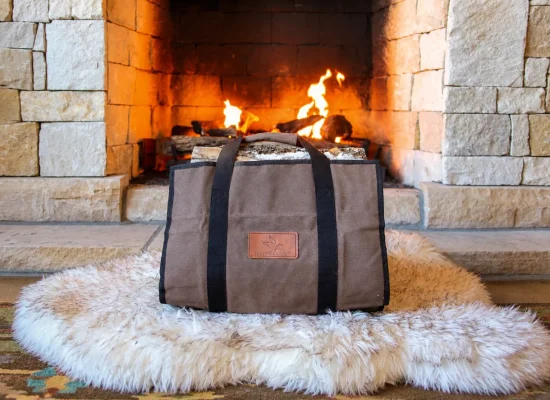
Tents usually come in their own stuff sack or tent bag, but many of these don’t come with straps or are difficult to carry. A canvas duffel bag is a good addition when purchasing a tent to keep all your tent and sleeping gear in, to store and haul when the time comes. Taking care of your new tent will ensure that it lasts until you’re ready for your next upgrade. Regardless of the material, make sure the tent is dry and securely folded before stowing it away for long periods of time. There is nothing worse than losing a tent to mold. It may be the case that you’ll need to reset the tent up when you get home to dry it out and sweep off any sand or debris. Sand gets into the fibers of any tent and breaks down the waterproofing and insulation the tent provides. Keep it clean. Keep it packed away safely.
Don’t be Fooled, Buy for Your Needs
Finding a good outdoor professional is almost as tricky as finding a good mechanic. Some popular retailers have fantastic people on staff, while others will really try to sell you the most expensive thing on the wall. Do some personal reflection and research before you go in. If you’re shopping online, make up a list of your needs and budget and stick to it. The biggest mistake that first-time tent buyers make is buying too much tent.
One last thing to consider is the lifetime of the tent. If you want a solo backpacking tent, but also want a good canvas tent for a basecamp, consider what the next few years of your life and your camping goals will need. If you’re unsure if this is a hobby you will like, maybe start with something a bit cheaper and stay close to home. If you’re looking to get back into camping as an adult and know you already love it from childhood adventures, maybe choose a better-quality tent. Something that will last you a few years and that you can pass on.
Whatever type of camping you’re doing, just remember the basics: Pack it in, pack it out, plan ahead, and always respect the wild. Follow these simple rules and you’ll have fun for years to come.


No Comment! Be the first one.