
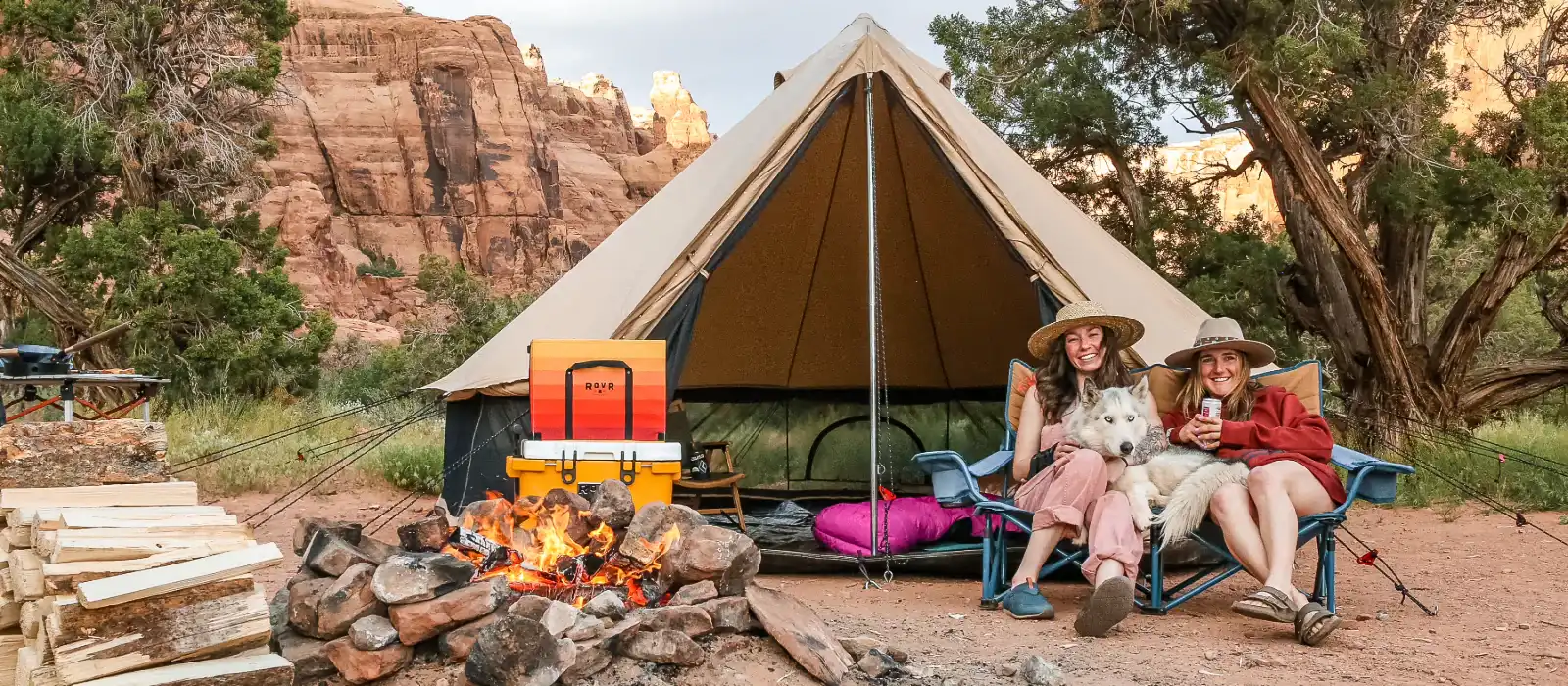
The beauty of camping is that it can be an extremely accessible and inexpensive vacation if done right. Of course, if you’re splurging on all the latest gear or booking a luxurious glamping getaway, you’ll be spending quite a bit of cash. The good news is that none of that is necessary to have a successful camping experience. With a little research, thoughtful planning, creativity, and determination, camping can be an affordable way to travel. Dive in for practical tips to reduce spending and put together a budget-friendly camping trip!
Table Of Contents
Only Bring the Essentials
Anyone who’s spent time browsing an outdoor retailer’s website knows how many fancy gadgets and gizmos flood the market. While many of them have practical uses that enhance the camping experience, most of them are unnecessary expenses. Needless to say, you don’t always need a glamping tent complete with luxe furniture and amenities to enjoy the outdoors. When planning a budget-friendly trip, focus only on bringing the absolute essentials. Check out the following list to get started.
Camping Must-Haves
- Camping tent
- Mallet and tent stakes
- Multitool
- Rain fly sheet
- Ground tarp
- Sleeping bags
- Pillows
- Camping chairs
- Foldable tables (if your campsite doesn’t have picnic tables)
- Cooking and eating supplies (if you plan to cook)
- Camp stove with fuel
- Firewood, firestarter, and lighters
- Cleaning supplies
- First aid kit
- GPS or other navigational tools
- Electronic device chargers
- Lanterns and flashlights
- Backpack or hiking sack
- Wildlife safety equipment (like bear spray and bear bags if you plan to camp in bear country)
Decide what’s necessary for you and what’s not. You may find no need for a camp stove if you’re happy eating pre-cooked meals or food that requires no heat. Some campers may not feel the need for items like tables or backpacks. Additionally, you can easily rely on your smartphone for flashlights and navigation tools – just make sure you have a reliable way to charge it!
The Best Ways to Get Gear on a Budget
Cutting expenses on a camping trip comes down to how creative you’re willing to get when sourcing your gear. If you’re a long-time camper with all the gear you need, feel free to skip this section and head straight to tips on how to find an affordable campground below! If you’re new to planning a camping trip or are missing a few essential pieces of equipment, there are a few tricks to obtaining gear for dirt cheap, or sometimes even for free.
The first place to look for gear is at home – and this is where creativity is crucial. If you don’t own a sleeping bag, consider bringing a quilt and pillow to sleep with instead. Maybe you don’t own camping chairs but you have lawn chairs for the beach that you can use in their place. If you have a large cooler but no table, use the cooler as a small tabletop. While first aid kits are highly recommended for any outdoor adventure, there’s no need to spend money on a pre-made kit. Get crafty and make your first aid kit at home with the basic medical supplies you already own. Instead of buying paper plates, bring all of your cooking and eating supplies from home and avoid purchasing disposable items entirely. The possibilities here are endless and will depend on what items you have at home that can double as camping gear.
If you want to take it to the next level, convert your car or truck bed into a shelter instead of investing in a camping tent. Not only will this save you a ton of money, but car camping has a whole host of benefits that make it a great option for campers on a budget.
Another great way to get free gear is to borrow it from a friend. Or, plan your camping trip with a group. Group camping allows you to bring items together and share the essentials so that, hopefully, no one has to buy anything new.
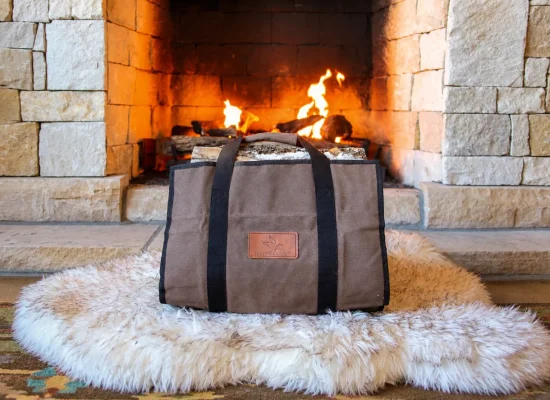
Once these two options are exhausted, turn to rentals to secure the remaining necessary gear. Visit a nearby outdoor retailer or local organization that offers camping rentals. For the most part, renting gear will be cheaper than buying it. This is especially handy for the outdoorsy folks who live in cities with minimal space to store camping equipment. Borrowing and renting are also great ways to get non-essential gear that can increase the comfort and efficiency of your campsite, like a log carrier or hammock.
If you’d prefer to own your gear, hit up thrift stores and secondhand shops. There are a handful of online secondhand stores that sell pre-loved gear for cheaper than their original retail price. Simply search for cabin tents for sale on one of these sites and see hundreds of options in your budget.
A Note on Saving Money Long Term
For some travelers, it’s less about how much money they save initially and more about how much money they save in the long term. If this sounds like you, focus more on the quality of the items you purchase than their price tag. Read reviews to ensure you’re investing in high-quality, durable gear that will last. For example, opt for a well-made tent stove over a junky plastic portable heater for winter camping. Generally, the better the quality of your items, the less likely you’ll need to shell out more cash to replace them down the road.
Find an Affordable Campground
Traditional, developed campgrounds are already relatively affordable, averaging between $10 and $50 a night. While this is significantly cheaper than the cost of a hotel, you’ll also need to account for the entry fees common at national and state parks. Outside of the traditional campsites in federal and state-managed parks, private campgrounds can also offer competitive rates. Sites like Hipcamp and the Dyrt have thousands of listings for campgrounds across America. Many of these are cheaper due to their more remote locations away from popular destinations or a lack of amenities. If these are things you’re willing to compromise on, you can easily find an affordable campsite at a private campground.
Arguably the best way to save money while camping on a budget is to camp on free public lands. In the United States, it’s legal to camp for free on BLM (Bureau of Land Management) land. National forests and the USFS (United States Forest Service) also offer free camping in certain areas. If you go this route, be sure to read up on the rules and regulations for using these resources responsibly.
If you are paying for a campsite, be flexible with the time of year you go camping if you want to save money. You’ll often find that campsites are cheaper during the off-season as campgrounds attempt to lure guests with lowered rates and discounts.
The Bottom Line
Camping doesn’t need to be an extravagant endeavor to connect with the outdoors successfully. Whether you’re camping in a borrowed tent with rented gear or in a decked-out glamping tent, your proximity to nature and the opportunity to embrace its benefits stays the same. While camping requires a few necessities to ensure your safety and comfort, there are endless ways to secure these items in a budget-friendly manner. Understanding the best resources for affordable gear and campgrounds can cut your costs in half without sacrificing the essentials. If saving money long-term is more important to you than saving money upfront, remember to invest in highly-reviewed, good-quality gear that will last a lifetime. With a little creativity and dedication, camping on a budget is within your reach. So source your gear, secure an affordable campsite, and adventure in peace knowing you’ve saved money without giving up what’s important.



No Comment! Be the first one.