
Benefits of Primitive Camping
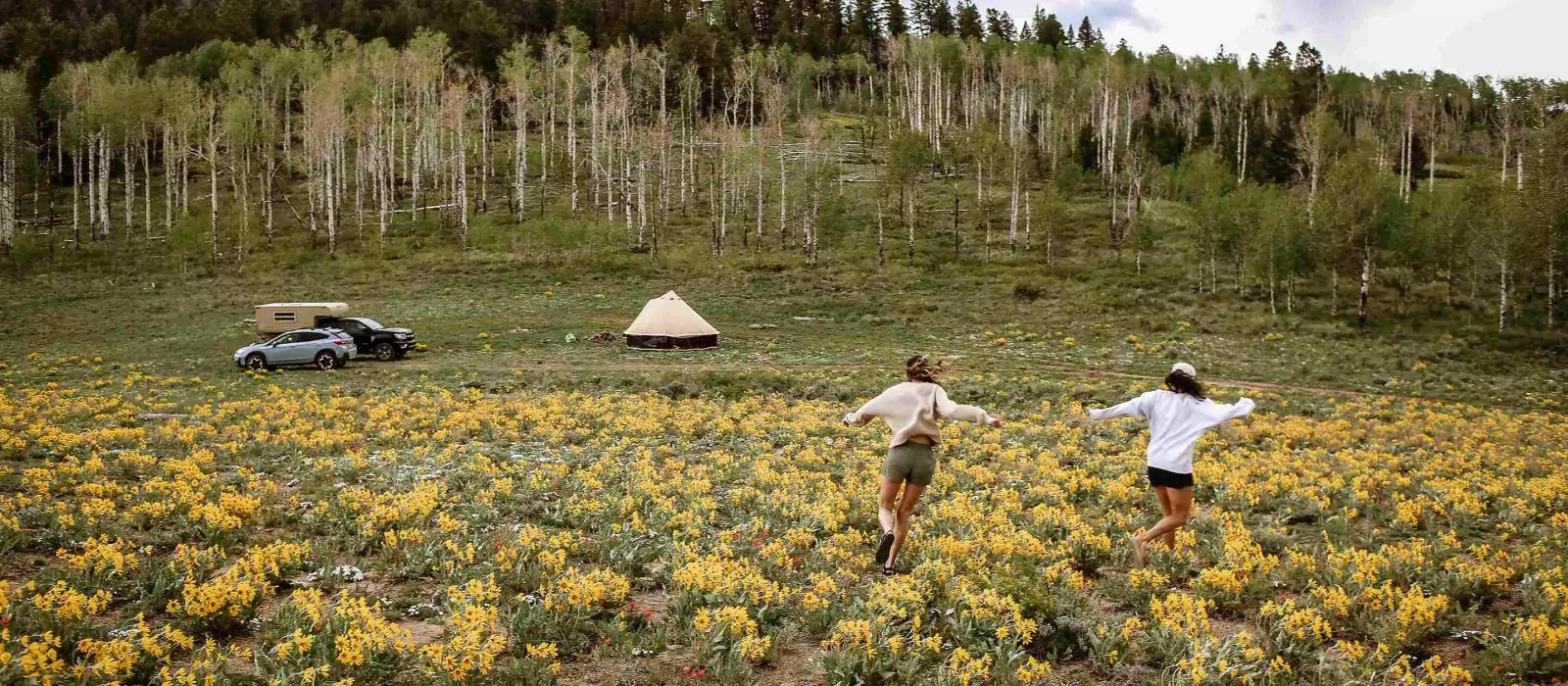
Colorado tent camping is an especially popular activity through the summer months. Though camping at an established campground might have its perks, such as bathhouses and electricity, lesser-known primitive camping spots tend to have far fewer people. This means a more peaceful, predictable, and serene experience. You’re far less likely to encounter large, noisy groups and their many interruptions.
Table Of Contents
- Benefits of Primitive Camping
- Hidden Gems in Northeastern Colorado
- Campsites Near Water
- Campsites With Mountain Views
- Hidden Gems in Southern Colorado
- Campsites Near Water
- Campsites With Scenic Views
- Hidden Gems in Western Colorado
- Campsites With Recreational Trail Access
- Campsites for Wildlife Viewing
- Camping Gear You’ll Need
- Extras
Popular camping destinations sometimes come with fees and high permit costs. Lesser-known areas are often far more affordable, sometimes even free.
Lesser-known spots are typically lacking in popularity because they are not easy to get to. Often, these types of campsites feature unique landscapes and experiences that aren’t commonly seen at a traditional campground. You might get a chance to view interesting wildlife, beautiful high mountain scenery, or unusual geological formations.
If you’re seeking solitude and a chance to truly unplug and disconnect, lesser-known areas can provide the privacy and silence you’re looking for, far away from the hustle and bustle that comes with people moving in and out of more popular sites.
Discovering a spot of your own and exploring a less-traveled area can add an element of adventure and excitement. It often requires a bit more planning and navigation, which can be incredibly rewarding.
Hidden Gems in Northeastern Colorado
Campsites Near Water
Red Feather Lakes, namely Lost Lake Dispersed Camping Area, is located about 45 minutes west of Fort Collins, Colorado. This site offers dispersed camping options around the scenic lakes and plenty of opportunities for fishing and hiking. The road to get to Red Feather Lakes is not always well maintained and can get rough, so a high-clearance vehicle is probably your safest bet.
Campsites With Mountain Views
Guanella Pass, located about an hour west of Denver, features scenic mountain views and access to nearby hiking trails. Campsites are widely dispersed, providing plenty of privacy and serenity. The area remains less traveled as a result of consistently rough roads, so keep this in mind when deciding on a vehicle to take.
Muller State Park, located in Divide, CO–about 2 hours from Denver– is open year-round and features 20 walk-in/camping tent-only dispersed sites. There is an area for RV camping as well, which offers facilities like electricity, showers, and toilets. If you choose to camp in a lesser-known walk-in tent camping spot, you will be far enough away from the established campgrounds to ensure a private, peaceful experience. There are over 50 miles of hiking trails throughout Muller Park. It’s worth noting that dogs are not allowed to accompany hikers on the trails, but the trails offer some pretty spectacular and immersive views.
Rabbit Ears Pass, about 1.5 hours northwest of Denver, offers dispersed campsites with gorgeous mountain views. Some sites may require some off-road driving—literally off the beaten path!
Coal Creek Canyon lies approximately 45 minutes northwest of Denver, featuring plenty of dispersed campsites nestled in a deep canyon. This particular location is appealing to those looking for a spot with access to hiking and mountain biking trails. Campsite accessibility varies, so we recommend a high-clearance vehicle or backpacking preparation.
Hermit Park is about a 2-hour drive from Denver toward Estes Park– without the Estes Park crowds. Hermit Park was once a private area set aside for Colorado state employees’ recreation. There are more than 100 mixed-use campsites around the park, with no electricity or sewer. The park is full of beautiful hiking trails with breathtaking views of the park, and if you’re lucky, wildlife!
Hidden Gems in Southern Colorado
Campsites Near Water
Dolores River Campground is located about an hour northwest of Telluride, Colorado. The campground is beautifully situated along the banks of the Dolores River and features both dispersed and established campsites, though still relatively unknown and remaining low-traffic. If you’re looking for a peaceful rest with plenty of fishing and swimming, this is the spot for you.
Columbine Lake, a beautiful high-altitude body of water, offers dispersed camping just one hour west of Telluride. Access to the campground is limited and definitely requires a high-clearance vehicle, which weeds out a good portion of the crowd.
In southeastern Colorado, you will find Big Sandy Reservoir– roughly 2 hours northeast of Trinidad. This scenic reservoir campground offers plenty of opportunities for fishing and hiking, tucked away along rough access roads. You’ll likely need a high-clearance, all-wheel drive vehicle to reach your destination.
Campsites With Scenic Views
Lizard Head Pass is a high mountain pass located in the San Juan Mountains of Colorado, just a 30-minute drive from Telluride. The pass is a part of the Colorado Trail, a long-distance hiking trail that spans the entire length of the state. The area offers dispersed campsites with scenic views of the Lizard Head Peak for which the pass is named– it resembles the head of a lizard. Due to its remote nature, the area is less crowded than more popular camping spots and offers a quieter experience.
Boone’s Draw is a lesser-known dispersed camping area near the Comanche National Grassland, about 1.5 hours southeast of Pueblo. Campsites in the area are primitive and serene, offering wide-open views of the grassy plains and surrounding unique geological formations.
Picketwire Canyonlands is a stunning and relatively remote area in southeastern Colorado, about 1.5 hours southeast of La Junta. Also located in the Comanche National Grassland, Picketwire Canyonlands is known for unusual geological features, prehistoric indigenous petroglyphs, and one of the largest dinosaur track sites in North America. Enjoy beautiful canyon views and little to no crowd, as the area requires a bit of driving on rougher, primitive roads.
Hidden Gems in Western Colorado
Campsites With Recreational Trail Access
Rabbit Valley is a scenic camping area located in western Colorado, near the Utah border. It lies within the McInnis Canyons National Conservation Area, which is managed by the Bureau of Land Management (BLM). The area is known for its distinctive semi-arid desert landscape, dramatic canyons, and access to off-road trails. Just 30 minutes from Grand Junction, this rugged environment offers remote, primitive dispersed camping opportunities.
Dominguez-Escalante National Conservation Area, 45 minutes south of Grand Junction, is a protected area also managed by the Bureau of Land Management (BLM). The entire area encompasses approximately 210,000 acres of diverse landscapes, including canyons, mesas, and high desert terrain. Throughout, dispersed campsites can be found which feature dramatic landscapes with colorful rock formations and picturesque vistas. Key areas include the Dominguez Canyon and Escalante Canyon, both offering breathtaking views. There are several access points for camping and outdoor activities. Be sure to bring along a map, and plenty of food and water as you may very well find yourself outside of cell service.
Campsites for Wildlife Viewing
Little Book Cliffs Wild Horse Area, 45 minutes east of Grand Junction, is managed by the Bureau of Land Management and is known for its rugged terrain, unique geological features, and namely–its consistent population of wild horses. Little Book Cliffs offers dispersed camping in a very remote area, providing quite a primitive and isolated experience. There are no developed campsites in the Area.
Aside from wild horses, the area is also home to many other wildlife species such as mule deer, mountain lions, and unique bird species. It’s definitely a favorite spot for wildlife enthusiasts and photographers. Be sure to check on any specific regulations ahead of time regarding the wild horses.
Camping Gear You’ll Need
When camping in remote areas, you’ll need extra sturdy, reliable camping gear. We recommend bringing along a canvas wall tent as your main dwelling. Wall tents are sturdy against windy, rainy conditions, and provide plenty of room inside for gear storage and bedding. You can even bring along a tent stove for heating and cooking convenience, as the wall tent also features a stove jack.
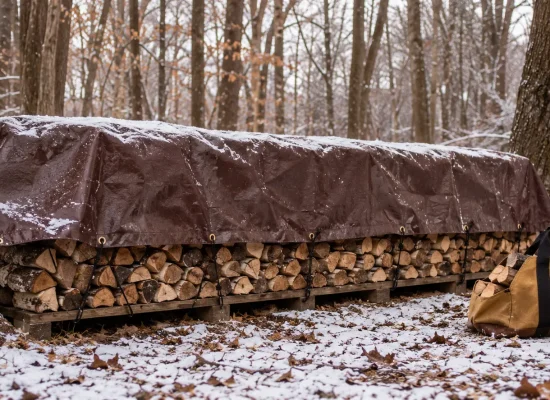
Because you’ll be camping on rough, undeveloped terrain, it’s a good idea to bring outdoor tarps for extra protection. Placing a tarp underneath your tent adds a layer of protection for your tent floor, keeping it from being damaged by rough rocks or roots. Additionally, outdoor tarps can provide extra rain coverage when hung from trees over your campsite.
Extras
Some activities, such as backcountry camping or specific access to archaeological sites, may require permits or have special regulations. Be sure to plan ahead and acquire any recreational passes or permits necessary to enjoy the area of your choice to the fullest.
As part of your pre-planning for a trip to lesser-known camping areas, check road conditions and weather before your visit, as access to the path less traveled can be easily affected by adverse weather.
Maintain a respectful distance from wildlife, and be sure to properly store your food in bear-safe containers or at the very least, lock your cooler safely in your vehicle. Feeding or approaching the animals too closely can be extremely dangerous for all parties involved.
Since services are limited in the area, bring plenty of water, food, a first aid kit, and other supplies. It certainly would not be a bad idea to toss in a satellite GPS. When camping in areas managed by the federal government, adhere to all BLM guidelines to ensure both your safety and the protection of the natural and cultural resources in the area.


No Comment! Be the first one.