
After months of waiting, the first day of my solo camping trip in Acadia National Park finally arrived. Since I typically only camp alone once per year, I was left with plenty of time to daydream about my trip and prepare for it successfully. With the day of my adventure here at last, I was more than ready to hop in the car and drive towards the wilderness. Like always, I got an early start, with a plan to check into the campsite as early as possible to give myself plenty of time to adjust to camp life before sunset.
Table Of Contents
While my careful preparation in the months leading up to the trip helped to build my confidence, I’ve found that it’s natural to be a little nervous about how everything will go, especially when travelling alone. I managed to focus on my excitement over my fear during the drive to the park, and channeled my anxiety into energy to create a mental game plan for when I pulled up to camp. Read on to see just how this game plan unfolded, and discover everything I did to set up camp and settle into the wilderness on Day 1 of my solo camping trip. Let’s dive right in!
Picking the Perfect Campsite Upon Arrival
Since I did the heavy lifting of booking a campground in advance, I already had a campsite reserved with my name on it. I always recommend that first-time solo campers take care of this ahead of time to make their arrival as seamless as possible, especially if you plan to travel to a popular destination where campsites can be snatched up months in advance. I pulled in at 12 pm on the dot – the earliest I was permitted to start setting up camp per the campground’s check-in policies.
It should be obvious at most front-country campsites where others before you pitched their tents, whether there’s a patch of land that looks heavily used, or a designated tent pad built for this exact purpose. When I arrived at my campsite, neither of these signs welcomed me, so I took some time to find the perfect spot for my cabin tent. I picked an area with flat, even ground that was directly under an opening in the forest canopy to avoid any natural debris falling onto my tent unexpectedly. I didn’t need to worry about the campsite’s proximity to water and other resources this time around, but don’t forget these considerations if you’re choosing a campsite in the backcountry or at a less developed campground.
Before I could start setting up, I needed to clear the ground of hazards, which included a few small tree branches, large sticks, and jagged rocks that were in the way.
Setting Up a Successful Camp
I consider a camping tent to be the center of every successful campsite, so it’s always my main focus when beginning to set up camp. To protect my canvas cabin tent from moisture and wear and tear from direct contact with the ground, I started by laying down a waterproof poly tarp where I intended to pitch my tent. With that in place, it was finally time to pitch my cabin tent. I won’t bore you with the details of pitching, since every solo camper will have their own preferred style and brand of tent. If you happen to have a White Duck Outdoors tent, whether it’s a cabin tent like mine, a glamping bell tent, or something in between, I love their comprehensive set-up video tutorials if you’re new to pitching canvas tents.
Once my tent was stable and secure in the ground, I laid out my sleeping gear and other tent accessories inside. I tend to avoid using my tent as a storage unit while camping since most things are safer kept in a locked car anyway. Outside of my sleep setup, I popped in one of my battery-powered lanterns, my canvas bag full of clothing for the week, and my power bank for charging devices.
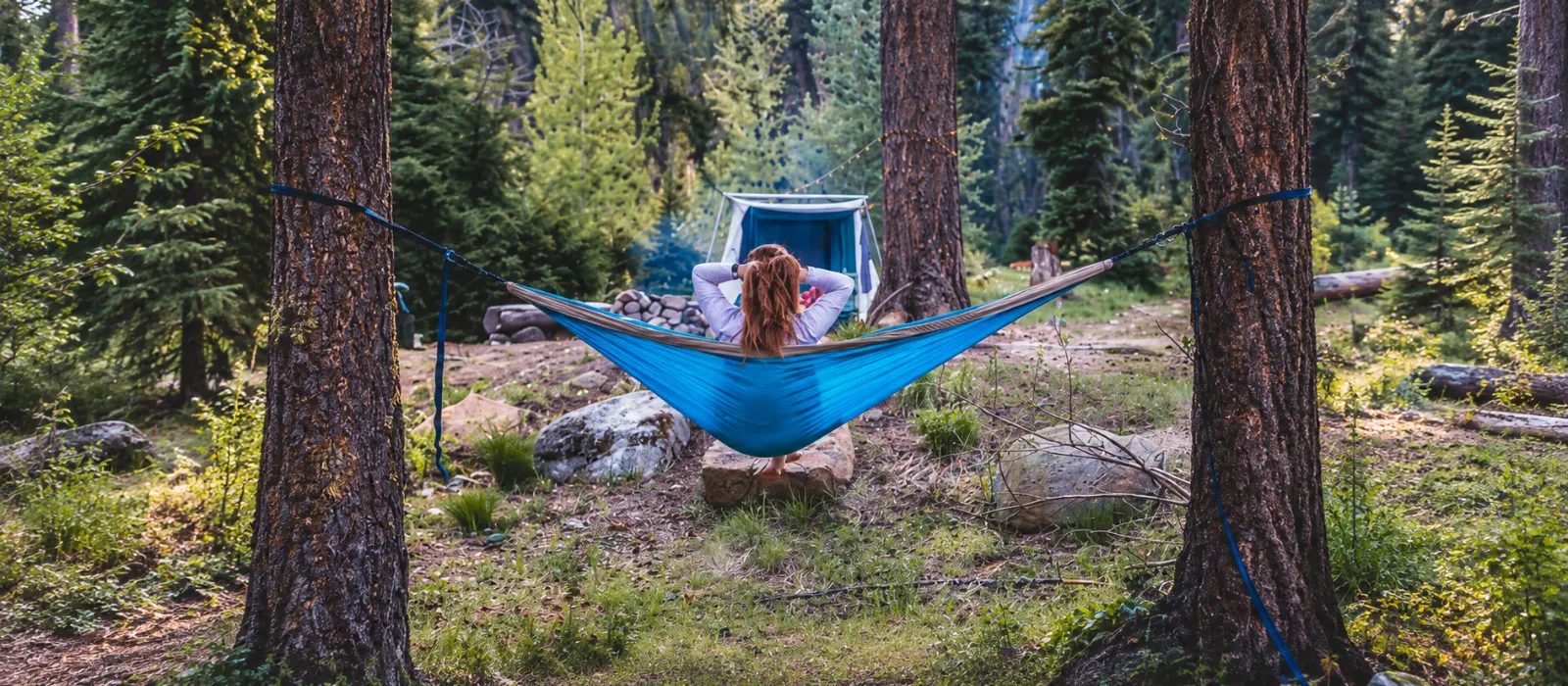
From there, I zipped up the tent door while I got to work on the rest of my campsite. Since my philosophy when packing was to travel light, I really only brought along the essentials and passed up on extra items like decor. This made the remainder of my campsite setup relatively easy. I pitched my sunshade tarp on the opposite side of my camping area and used it as an overhead shelter for my campsite kitchen. For a space to relax, read, and journal throughout the trip, I tied my travel hammock to two sturdy trees.
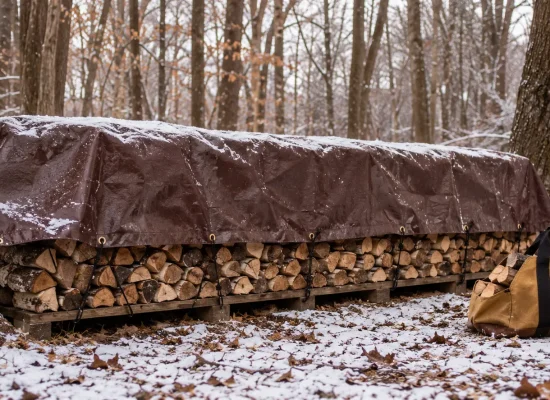
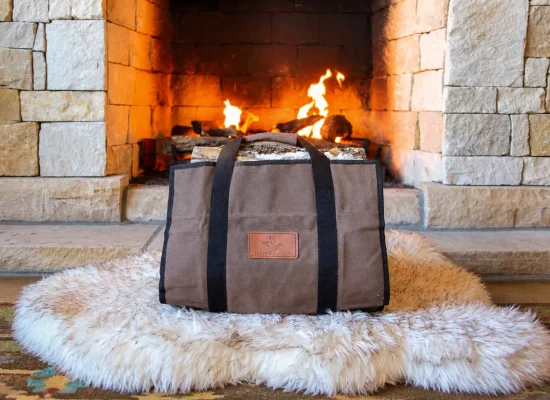
Next, I plopped my favorite camping chair next to the fire pit, brought my log carrier filled with firewood over, and got a small campfire started. With October well underway, I knew I would need the warmth as the sun began to set. While I wanted to travel light, I realized pretty quickly that my next fall camping trip would greatly benefit from a wood-burning tent stove. I survived with just a campfire this time around, but I made sure to make a mental note for the future.
Settling in for the Night
My campsite was set up and ready to go, so I was finally able to relax and enjoy the peaceful nature of Acadia. I hadn’t eaten all day, so I warmed up a simple solo camping staple: rice and beans. After enjoying my comforting food around the campfire, I took to reflecting on my day in my trusty journal as the sun set. I find journaling to be a cathartic way to document a solo journey, allowing me a space to reflect, make notes for the future, and remember the many memories I make on a trip. During this particular writing session, I took some time to jot down my intentions for the trip. Ultimately, my goal was simple: disconnect from the stressors and routines of daily life and reconnect with the healing nature of the wilderness. Plus, I really wanted to see some beautiful fall foliage this year!
With my campsite in order, my belly full, and my intentions set, I headed to bed to get a good night’s rest before exploring the park in the morning. Stay tuned for the next blog in this 6-part solo camping series to discover how I spent my 2nd day in Acadia – see you there!
Missed how this trip came together? Catch up on the planning and packing in Making Memories in the Wild.


No Comment! Be the first one.