

Setting up a successful kitchen at your campsite is key to crafting an enjoyable experience in the great outdoors. Whether you’re staying in a long-term village of medieval tents or pitching your shelter in a new spot every night on the backpacking trip of your dreams, you’ll have to designate a place to cook your meals. When you whip up a delicious meal in your home, you have a handful of luxuries you’ll miss at camp, like counter space, a full-size fridge, and every utensil under the sun. To work around the absence of these everyday comforts, you’ll need to come to camp prepared. From packing the right gear to assembling your cook station, read on for the ultimate guide to setting up the perfect camp kitchen.
Table Of Contents
- Divvy Up Kitchen Responsibilities
- Prep Your Ingredients Ahead of Travel
- Pack Your Kitchen Supplies
- Know How and Where To Store Your Food
- Designate a Place To Cook at Camp
- Set Up the Cooking Station
- Pick a Heat Source
- Assemble your work surface
- Make room for cleaning
- Find a Cozy Dining Space and Enjoy Your Meal
Divvy Up Kitchen Responsibilities
From crafting a meal plan to cleaning the dishes at the end of a meal, a lot of work goes into making a camp kitchen run smoothly. Unless you’re embarking into the wilderness on your own, it’s a smart idea to divide up kitchen responsibilities among your group. How much you’ll be responsible for will of course depend on how many other people you’re camping with. No matter how many other hands you have to help, divvy up the work! You’ll need a meal planner, an ingredient prepper, some to set up, a cook, and a cleaner. Whether two people divide up these responsibilities evenly or you have 1-2 people handling each task, communicate with each other who is in charge of what. You can also switch tasks around each day to keep your experience fresh. Not only does communication on this front set clear expectations, but it also reduces the chances of chaos when it comes to mealtime, increasing the efficiency of your camp kitchen!
Prep Your Ingredients Ahead of Travel
Before you arrive at your campsite, make a meal plan for the duration of your trip. Remember to include your three meals a day, plus snacks for on-the-go outdoor activities like hiking and biking. With a meal plan set, you can then easily shop for and prep your recipe ingredients. While prepping your ingredients ahead of travel isn’t mandatory for a successful outdoor kitchen, it can save you a significant amount of time and help your campsite run more efficiently.
Check out these 6 ways to prep your ingredients ahead of time:
- Pre-cut all of your ingredients, like veggies and meats.
- Season all of your ingredients at home.
- Pre-portion every meal by organizing each meal’s ingredients into one container.
- Freeze your meats and store them in your cooler. This will keep your meats fresher for longer and double as ice packs.
- Make foil-packets that contain the ingredients for your dinners.
- Pick meals that can be made in advance so you only have to heat them at camp, like breakfast burritos and soups.
Pack Your Kitchen Supplies
Now that your food is prepped, it’s time to pack your camp kitchen supplies. Don’t forget these essentials:
- Stove or grill with fuel (unless cooking over a campsite!)
- Lighter and matches
- Firestarter (optional)
- Firewood log carrier (optional)
- Cooler with ice packs and ice
- Tin foil and saran wrap
- Hard food storage containers
- Cooking pot(s) and pan(s) with lids
- Strainer
- Pot holder
- Folding table with tablecloth
- Cutting board
- Cooking utensils (measuring cup, measuring spoons, stirring spoon, sharp knife, spatula, tongs, whisk, skewers, scissors)
- Bottle opener, can opener, and vegetable peeler
- Coffee supplies
- Silverware (spoons, forks, knives)
- Plates and bowls
- Mugs, cups, and water bottles
- Water jugs (if there’s no potable water source nearby)
- Trash and recycling bags
- Dishwashing tub
- Biodegradable soap and sponge
- Hand towels or paper towels
- Cleaning spray or antibacterial wipes
- Meal plan ingredients
- Spices, oil, butter, and condiments
Know How and Where To Store Your Food
Not only does properly stored food keep your campsite organized, but it also keeps unwanted visitors away. When packing your food, avoid soft containers that could easily be torn apart by critters looking for a snack. Instead, secure food and meal ingredients in hard containers, like glass or plastic, with sealable lids. At camp, keep your food and coolers inside of your vehicles or, if camping in bear country, in bear boxes. If, for whatever reason, you don’t have access to either of these options, hang your food from surrounding trees in a secure bear bag. To increase your safety at camp, never leave food, or any scented products, in your tent. Lastly, only bring food out when you’re actively using the ingredients and putting together your meals. Otherwise, you may be sharing with some uninvited furry friends.
Designate a Place To Cook at Camp
At an amenity-rich front country campground, there may already be a designated place at your campsite for cooking, complete with a fire pit grill grate and picnic table. If that’s the case at your destination, you can get right to setting up to cook! If your camp leans a little more wild, you’ll need to designate a place to set up your kitchen. Generally, you should plan to cook 100 yards away and downwind from your tent. While this is mainly advised for backcountry campers and those staying in the heart of bear territory, it’s best practice to keep the delicious aromas that may attract pests and predators away from your tent.
If your outside tent comes complete with a stove jack, you may want to use a wood burning stove to cook your meals in the comfort of your tent during cold weather. In this case, only leave food in your tent while actively cooking or eating, otherwise, follow the food storage guidelines outlined above!
Set Up the Cooking Station
After the hard work you put into assembling your tent and making your campsite comfortable, you’re likely hungry for your first meal. It’s time to set up the cooking station! While we all dream of snapping our fingers and transporting our home kitchens to the wilderness, we’ll have to settle for something a bit more modest. For the absolute basics, you’ll need a heat source, a work surface, and a cleaning area.
Pick a Heat Source
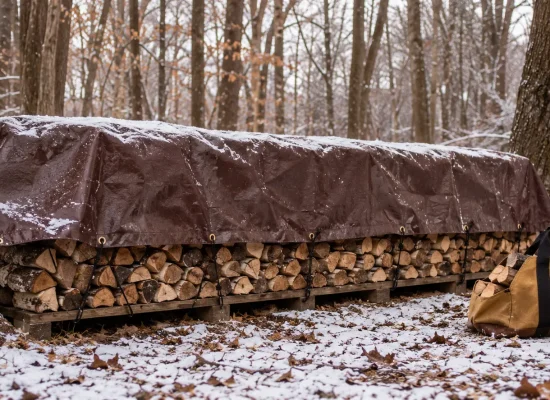
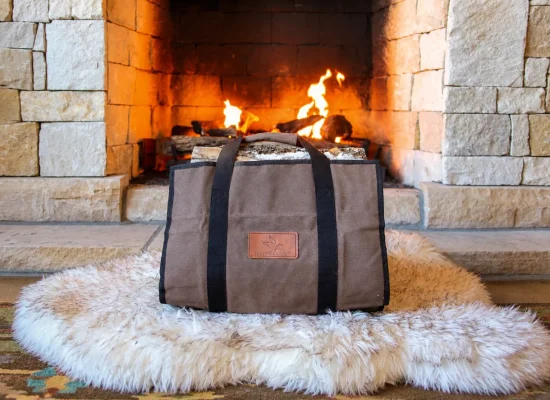
Unless you plan to eat a host of raw fruits and vegetables (no judgment, of course!), you’ll need to pick a heat source to cook your meals. Choose from a portable gas stove, a standing grill, a wood burning stove, or the classic campfire grill setup. Each of these options will require a source of fuel. Gas stoves and grills usually call for some form of gas, like butane or propane. Tent stoves and campfires will use wood as their fuel source, so grab your firewood log carrier and collect some lumber!
Assemble your work surface
Hopefully, you’ve done most of your ingredient prep at home. Still, you’ll need a work surface to finish the job and get your meals to their final form. For campers with picnic tables, these can easily double as your work surface. For others, you’ll want to bring along at least one table to cook on. Plastic, foldable tables are lightweight and easy to pack, so a safe bet for most use cases.
Make room for cleaning
Whether you’re the type to clean as you go or wait until the end to clear your mess, you’ll want to designate a spot for it. Hang a trash bag and set a recycling bin by your cook station to make disposing of waste easy. When you’re done with your dishes, set up a basin (a medium-sized plastic container works great for this) and fill it with water and biodegradable soap to create a makeshift kitchen sink. Ideally, you’ll do this approximately 100 yards from camp to avoid getting camp muddy. The number one thing to remember at this stage of cooking is to Leave No Trace! This applies to all waste, including food scraps.
Find a Cozy Dining Space and Enjoy Your Meal
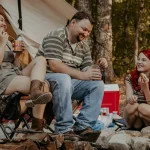
With your meal cooked, you’re ready to gather with your loved ones and eat your hard-earned meal! Pull up chairs around the campfire, lay out a picnic blanket, or set a table for a true outdoor dining experience. No matter how you dine, make it a comfortable and safe place to nourish your body with yummy food and great company. Cooking in the outdoors poses a few more challenges compared to cooking in your home kitchen. By divvying up responsibilities among your camp crew, prepping ingredients ahead of time, packing the essential kitchen supplies, storing your food properly, finding a safe and functional place to cook, and setting that space up, you’ll minimize these challenges and enjoy your meal with more efficiency than ever before. Bon appétit, campers!


No Comment! Be the first one.