
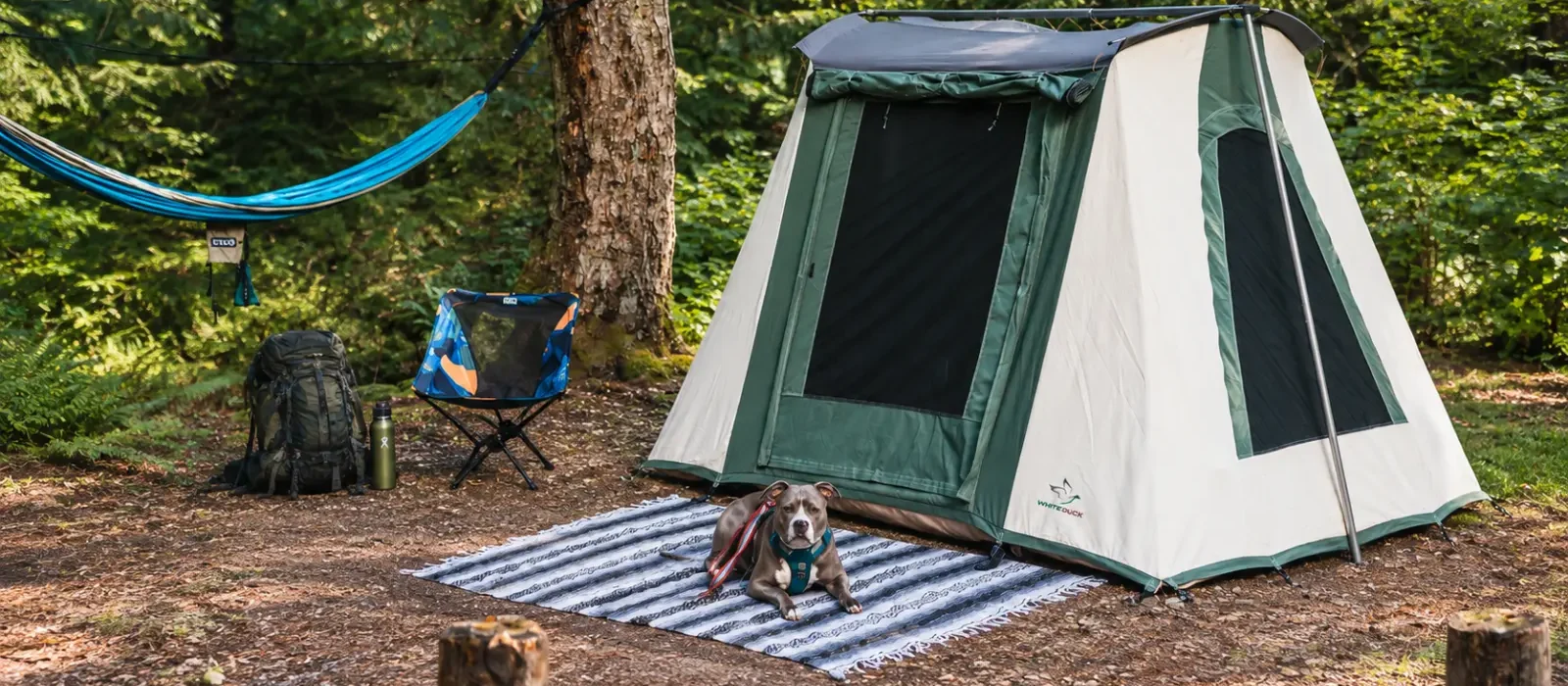
As a lover of the outdoors, I always try to make time for at least one solo camping trip every year. While I love camping with family in our wall tents and glamping with groups of friends in luxury tents, there’s something special about venturing into the wilderness alone to learn new skills, grow as a person, and soak up the many benefits of camping in solitude. Plus, there’s nothing better than the freedom of doing only exactly what you want to do, when you’re ready to do it, with no opinions from other campers swaying your experience!
Table Of Contents
I’ve found that 5-day trips are the ideal length for a solo excursion. With two half days dedicated to setting up and taking down camp, you still have 3 full days and some change to enjoy everything the outdoors has to offer.
But an amazing camping trip can’t happen without a little bit of planning! Today, I’ll take you through everything I did to plan and prepare for my latest 5-day solo camping trip, from picking a destination to creating a packing checklist and testing my outdoor gear. So, whether you’re planning your own solo camping vacation or just want to see if this type of adventure is for you, read on to learn how I tackled it all and discover tips and tricks to make your next outdoor experience a success. Plus, stay tuned for the next 5 blogs in this 6-part series to see how it all came together! Let’s dive right in.
Booking the Trip
I had 3 non-negotiables when picking a destination for my yearly solo adventure. First and foremost, I wanted to stay on the East Coast to limit the costs and exhaustion of long-distance travel. Second, I was itching to catch fall foliage, so I was searching for a location known for colorful autumn landscapes. Lastly, like many other outdoor enthusiasts, it’s long been a goal of mine to hit all 63 national parks in the United States. With these requirements in mind, Acadia National Park was a no-brainer for my travels.
I always aim to book my national park trips at least 6 months in advance to secure the best campsites, especially at the more popular parks in the country, like Acadia. Since solo camping can be quite the undertaking, I also made the decision to keep it simple by camping at a developed, front-country campsite. Not only does this give me convenient access to amenities like restrooms, but it also allows me to drive right up to the campsite, alleviating a huge burden of transporting my camping gear alone. For this trip, I chose to book Schoodic Woods Campground, thanks to its reputation for being relatively quiet and peaceful for a popular national park. I was able to book my 5 days outdoors for the very last week of the campground’s open season, which worked out to the 2nd week of October – perfect timing for autumnal foliage.
Creating a Packing Checklist
My anxiety and restlessness always amp up as a solo trip draws near, but I’ve found that thoroughly preparing builds my confidence and puts my mind at ease. About a month out, I create a packing checklist to give myself plenty of time to gather my gear, test it out, and purchase new items, if necessary. Although I’ll have the convenience of a drive-up campsite, I still wanted to pack light to make other logistics easier, like packing the car, setting up camp, and breaking down at the end of my trip.
I took some time to think about what exactly I wanted and needed out of my adventure, which ultimately helped me land on the following solo camping packing list:
- 1 7’x9’ canvas cabin tent
- 1 ground poly tarp
- 1 sleeping bag
- 1 sleeping pad
- 1 travel pillow
- 1 throw blanket
- 1 eye mask and a pack of earplugs
- 2 battery-powered, portable LED lanterns
- 1 roll of battery-powered string lights
- 1 camping chair
- 1 sunshade tarp
- 1 tree hammock
- 1 canvas tarp
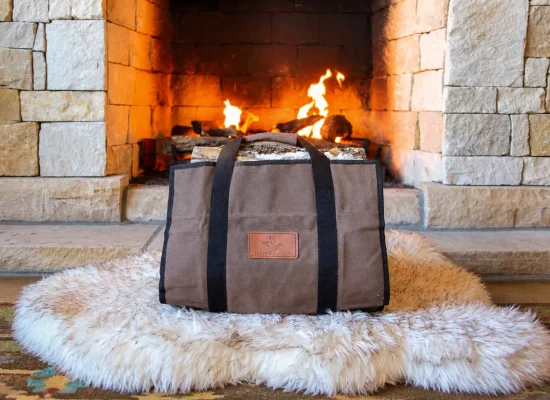
- 2 firewood bundles with a log carrier and firestarter
- 1 camping multitool and 2 lighters
- 1 4’ folding table
- My kit of campsite kitchen basics
- 5 days’ worth of camping meals, snacks, and drinks
- Eco-friendly cleaning supplies
- 1 first aid kit
- My navigation gear kit, including a compass, GPS, and Acadia National Park map
- 1 power bank for devices with charging cords
- Fall-appropriate clothing, shoes, and accessories for 5 days
- 1 durable hiking backpack
- My hygiene and toiletry bag
- Binoculars and a star chart
- Recreational fishing gear
- 1 journal and pen
- 2 books from my reading list
- 1 small canvas bag for personal items, including my phone, wallet, keys, and ID
Preparing With a Test Run
A test run is a must-do activity to properly prepare for any camping trip, whether you’re travelling solo or adventuring with a group. Not only does it give you a chance to review your packing list, but it’s also the best opportunity you’ll have to practice your setup and check for potential issues before you’re outdoors, where they’ll naturally be harder to address.
I like to wait until a clear-skied morning in the week leading up to my trip to round up my gear and practice my setup. This includes pitching my cabin tent with all of my tent accessories, and setting up extra gear like hammocks and sunshade tarps. My trip to Acadia was actually the first chance I had to use my new sunshade tarp, so I definitely needed this time beforehand to get the hang of pitching it alone.
Once everything was set up, I carefully inspected all of the gear to ensure nothing needed repairs or replacements before I ventured alone into the wilderness. I also spent some time ensuring that my tent’s seams were still fully waterproofed and sealed, a task I don’t always have time to do, but was thankfully able to squeeze in this time around. With my setup in working order and my confidence high, I broke it all back down and organized my gear to be packed up in my car later.
Final Thoughts Before My Solo Adventure
Preparing for a solo camping trip can be just as nerve-wracking as it is exciting, even for seasoned campers like myself. As much as I look forward to recharging in nature, there’s a lot to do to ensure a successful trip, from booking the perfect campsite to packing the right camping gear. With everything that goes into it, this phase of planning and preparation before a solo trip can feel like an adventure in itself. Whether you’re planning your own solo trip or just reading along to see if this type of camping is for you, take what you need from my planning above to gain your own confidence in the outdoors. Remember to stay tuned for the next blog in this 6-part solo camping series to see how my first day outdoors unfolded!
Curious how it all played out? Follow along as I pull into Acadia and set up camp for the first time in Day 1: The Call of the Wild.


No Comment! Be the first one.