

After a long winter cooped up in your house doom scrolling on the internet, spring is the perfect opportunity to disconnect from technology, reconnect with nature, and explore the many wonders of the great outdoors. And what better way is there to immerse yourself in the wilderness than through a remote camping trip?
Table Of Contents
For city folks, traditional front-country camping is remote enough. But, for those of us who dream about nature every moment we’re stuck inside, front-country campgrounds aren’t nearly far enough from civilization. There are tons of advantages to camping more remotely, even for the folks that don’t fall into that latter tribe. Read on to learn the numerous benefits of planning a remote camping trip and get a list of all the essential camping gear you need for this kind of outdoor adventure. Plus, discover the top remote destinations to explore this spring. Let’s get into it!
The Benefits of Camping Remotely
You may have never thought to venture beyond a traditional developed campground, but there are tons of benefits to stepping into more remote territory. As we briefly alluded to earlier, remote back-country campsites are much less crowded than the alternative. If your goal is to enjoy the peace and serenity of wilderness, there’s no better option than remote camping. On top of that, with a little research, you can easily find low-cost, and often free, remote campsites. For example, the Bureau of Land Management offers millions of acres across the United States for various recreational activities, like camping, typically for free.
While you still need to follow local laws and recreate responsibly, remote camping often comes with more relaxed rules and regulations compared to a developed campground. This means you have more freedom and flexibility to camp how you want and completely customize your camping setup. Many campgrounds have rules around the number of people allowed at a campsite and the size your tent can be, for example. Out in the remote wilderness, there are no such rules restricting your adventure.
Remote camping also gives campers access to some of the most beautiful natural scenery in the world. Ask anyone who’s already explored remote destinations, and they’ll tell you there’s nothing quite like untouched landscapes with minimal traces of mankind. In the same vein, remote camping is typically much cleaner than busy parks and campgrounds that see a lot of foot traffic. For stargazing and astronomy enthusiasts, the lack of light pollution from urban development makes remote camping truly worthwhile.
If watching wildlife is on your outdoor bucket list, back-country camping is the way to go. Because of the lack of crowds and limited development, you’ll find the most active and abundant wildlife in remote destinations.
When it comes to building your arsenal of outdoor skills, remote camping is a fantastic opportunity to learn new things, from self-reliance and problem-solving to resourcefulness and survival skills. Plus, remote wilderness is the best place to learn to live minimally and more mindfully. Nothing will encourage you to appreciate the little things like living on only the absolute bare necessities.
Essential Camping Gear for Remote Adventures
The countless benefits of remote camping are crystal clear, but how does it differ from a more traditional campground experience, specifically regarding gear? You’ll bring much of the same gear to a remote destination that you would to a front-country campsite. That being said, there are a few items that will benefit you in more remote settings.
A Canvas Camping Tent
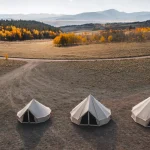
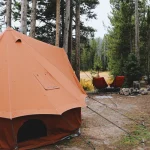
While any high-quality tent will do, a canvas camping tent, like a wall tent, will be your most durable and reliable option for remote adventures. Weather can change quickly in remote regions, and a canvas tent will offer the necessary weather resistance to keep you safe and comfortable. Plus, most canvas tents are incredibly spacious, giving you plenty of room to store all of your essential gear. Don’t forget your basic tent accessories, too, like a ground tarp, rainfly sheet, and extra tent stakes.
A Water Purification System
One challenge when it comes to remote camping is the lack of potable water readily available to you. Having a reliable water purification system at camp is paramount to a safe and successful trip. There are many different options campers can choose from, from water filtration straws and filtering water bottles, to larger water purifying devices.
On-The-Go Campsite Kitchen Supplies
Every campsite needs an on-the-go kitchen, and a remote setup is no exception. You’ll need all the basic tools and equipment you’d use at a normal campsite, including a camp stove, utensils and dishware, and meal ingredients. Since remote campsites are generally harder to access, it’s smart to opt for highly portable items, like collapsible dishes and foldable backpacking stoves.
Emergency and Safety Supplies
Being farther away from civilization means you’ll be farther from help if you find yourself in an emergency situation. For this reason, it’s imperative to come prepared with basic emergency and safety supplies. Dedicate one of your bags to these items to keep them accessible in an emergency:
- A satellite radio or satellite phone
- Basic navigational tools like a compass, paper map, and handheld GPS
- Tools like a pocket knife, axe, saw, and mallet
- Fire-starter
- A flare gun
- Flashlights and camping lanterns with extra batteries
- A first-aid kit
- An emergency blanket
- A whistle
- Bear spray
Top Remote Destinations To Explore This Spring
On the East Coast: Allen Lake State Forest in Allegany County, New York
In the West: Island Lake in Desolation Wilderness, California
In the Midwest: Jones Spring in Chequamegon National Forest
In the South: Cape Sable in Everglades National Park, Florida
Final Thoughts
Remote camping offers outdoor lovers a unique opportunity to connect with nature on a whole new level. Venturing into more remote territories lets you enjoy less crowds, low-cost and free campsites, more abundant and active wildlife, untouched and cleaner natural landscapes, and the opportunity to learn new outdoor skills. While you can bring much of the same gear on a remote camping trip, there are a few items, like a water purification system and emergency kit, that will aid in the success of your adventure. So pick a remote destination that calls to you, gather your essential gear, and embark on the adventure of a lifetime this spring!


No Comment! Be the first one.