

The natural world is filled with unique landscapes, interesting wildlife, and beautiful scenery – but nothing is quite as awe-inspiring as the night sky. Stargazing opens your eyes to elements out of this world, from the dust of our home galaxy to faraway stars in distant solar systems. One long look at the night sky makes the universe feel enormous and minimizes our everyday human struggles. Whether it’s quelling our stresses or halting our anxieties about day-to-day life, stargazing puts things in perspective and fosters tranquility. Plus, it’s a fantastic educational opportunity for kids and adults alike.
Table Of Contents
So how can you create the best stargazing experience while camping? Read on to learn how to plan a stellar stargazing and astronomy camping trip, from how to set up camp to maximize comfort to the essential gear you’ll need for a successful experience. Plus, get a detailed list of exciting things to look for in the night sky!
Planning a Stargazing Camping Trip
Planning a successful stargazing camping trip starts with picking a destination known for the dark skies that make stargazing possible. There are hundreds of amazing locations across the globe, and the International Dark Sky Association has certified a long list of them alongside their night sky conservation efforts. Camping at one of these destinations guarantees (weather permitting) phenomenal stargazing.
Outside of simply searching for a certified Dark Sky Place, you want to prioritize camping in an area with minimal light pollution. Backcountry campsites further away from towns and deeper into the wilderness are ideal since you won’t have to deal with any nearby lights. If you do opt for a busy front country campsite, you’ll want to move to a dark, quiet spot away from camp when stargazing begins.
When you go night sky camping is almost as important as where. Planning your trip around a new moon, whether right before, during, or immediately after, guarantees the darkest skies possible as moonlight will be significantly reduced. It’s generally believed that winter is the best season for stargazing thanks to the cold, clear skies often free of haze. Plus, campers enjoy longer nights in winter, meaning more time for observing the night sky before bed. With that being said, every season has its advantages. For example, July and August are regarded as the best months to see the Milky Way in the Northern Hemisphere.
No matter when and where you decide to set up camp, it’s always important to monitor the weather up until your trip. If you want to see anything interesting in the night sky, the skies must be clear from clouds and precipitation.
How To Set Up Camp for Stargazing
When deciding what gear to bring on your night sky camping trip, especially when it comes to your shelter, consider what season you’re adventuring in. While you can easily stargaze from any tent you have, your shelter must be a comfortable and safe escape from the environment and weather you’re entering.
If you’re taking the advice above to stargaze in the winter months, make sure you come equipped with a 4 season shelter like a canvas tent. A wall tent is an exceptional canvas tent choice for winter night sky camping thanks to its spaciousness and superior performance in cold weather. Between their insulating capabilities, compatibility with tent stoves and ample space for storage of your stargazing supplies, wall tents make a comfortable and functional retreat for this style of camping.
Once you get to your destination, search for a dark, quiet spot away from any hustle and bustle of busy campgrounds or nearby towns. This will minimize noise and light pollution that could otherwise interfere with your viewing experience. While campfires are a staple of cozy campsites, you might want to consider forfeiting them or opt for a tent stove inside your shelter, to further minimize light pollution at camp.
Additionally, swap your regular lanterns, flashlights, and headlights for red light alternatives. Bright white lights can make it difficult for your eyes to adjust in the dark, and they’re just another item contributing to light pollution.
When it comes to where you’ll stargaze from, don’t forget to bring along comfortable camping chairs or large picnic blankets to set up outside of your tent under the stars. Bring plenty of extra blankets and throw pillows for your comfort – you might be lying down for quite a while!
Essential Stargazing Camping Gear
Outside of packing a suitable tent and all of your other everyday camping gear, don’t forget the following items to enhance your stargazing experience:
- Star charts and other night sky guides
- Binoculars
- A travel telescope
- A compass
- Camping chairs
- A large picnic blanket
- Fleece blankets for warmth
- Pillows
- Red light lanterns, headlamps, and flashlights (no white lights!)
- Warm clothing layers
- Bug Spray
- Glasses or contacts if necessary
- Plenty of water, beverages, and snacks
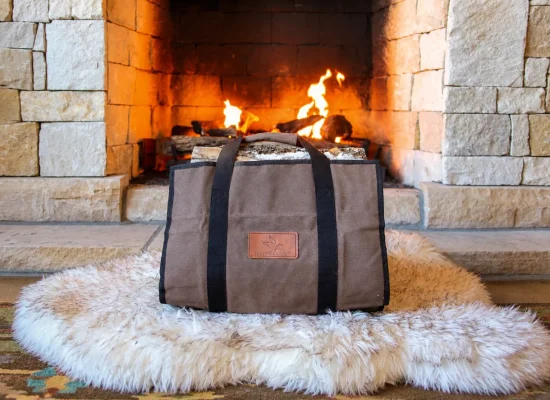
- A canvas bag for storing your stargazing gear
Amazing Things To See in the Night Sky
With your night sky campsite setup, you’re ready to soak in the wonders of the night sky! Here are 4 notable things to look for.
The Milky Way
The Milky Way is one of the greatest viewing pleasures of the night sky. Not only is it our home galaxy, but it’s also made up of billions of other stars, as well as the gas and dust that give it that milky glow. As mentioned above, the Milky Way is at its brightest in the summertime, specifically July and August, in the Northern Hemisphere.
Constellations
Constellations marry the scientific with mythology thanks to the ancient civilizations that created stories around many of these iconic groups of stars. Some of the most recognizable and easy-to-spot constellations include Orion’s Belt, Ursa Major and Minor, Leo and Taurus. Star charts will help you easily spot these night sky wonders.
Planets
You don’t always need a telescope to view a handful of our solar system’s planets. Mercury, Venus, Mars, Jupiter, and Saturn are the five brightest planets, and they can be seen in the night sky throughout the year. Use a night sky guidebook or app to get exact information on the best times to see each individual planet.
Shooting Stars and Meteor Showers
Shooting stars are actually not stars at all. Rather, they’re small meteors burning up upon entering the atmosphere of Earth, creating a quick yet beautiful streak of light in the night sky. You’re almost guaranteed to see shooting stars in a dark sky if you look long enough. It’s best to ditch the binoculars and telescopes for your best chances of spotting one. For something a bit more exciting, chase a meteor shower! These are a group of shooting stars appearing in the sky within a short period. They’re magical celestial events worth planning stargazing trips around, as they only happen a few times a year.
Final Thoughts
Stargazing is more than just an entertaining nighttime activity outdoors, it’s an inspiring way to relax, put life in perspective, and learn a thing or two about the greater universe. Planning a successful night sky camping trip comes down to understanding what makes for good stargazing, from tracking down dark skies and considering the phase of the moon to picking the right season and embarking during nice weather. Aside from the destination you choose and the time of year you book your campsite for, night sky camping is further elevated with the right camping gear. So pick an incredible dark sky location, gather your essential stargazing items, and enjoy the abundant celestial wonders awaiting you in the night sky!


No Comment! Be the first one.