

It’s time to get excited for a camping trip in the late fall breeze or while enjoying the fresh snow this winter. The off-season for camping, which begins in early October and lasts roughly until mid-April, depending on your region’s climate, is actually the perfect time to get outside and exercise your adventurous spirit with some winter activities. Choosing the best tent to relax, cook, and sleep in when the day is done is key to a successful trip. Read on to learn about the primary types of cold weather tents and how they keep you warm regardless of the temperature on the other side of your snow flaps.
Table Of Contents
Single Wall Tents
As the name implies, single wall tents are constructed with a single layer of material– usually nylon, cotton canvas, or canvas– that functions as both the inner tent wall and the rainfly or wind protection on the outside. If you opt for a single wall tent for your cold weather camping, it’s best to look for one made with water repellent material, which will give you an additional barrier for protection against any harsh weather. Be sure to also bring a waterproof floor mat or heavy duty tarp to function as a tent footprint, since most single wall tents are made from breathable material that focuses more on a lightweight build and less on avoiding indoor condensation. Single wall tents are excellent for a quick setup and teardown, and they can be small enough in size to turn any nook or cranny into an ideal overnight camp. For keeping warm in a single wall tent, though, you may find yourself relying more on your additional gear than on the heat retention properties of the actual tent.
Pros: Lightweight, budget-friendly, compact
Cons: Less protection from extreme climates
Double Wall Tents
For a more durable and insulated option, look for a double-wall tent. Double wall tents have a second layer of material that functions as a rainfly separate from the inner tent wall. In this design, the outer layer can be entirely waterproof, protecting campers and gear from snow and rain, while the inner layer is breathable and light to prevent excess condensation. More material does come with a few logical drawbacks, though, so while double wall tents are the warmest tent option simply using their thicker walls and thorough water protection, it is important to be realistic about the additional amount of weight and space you should prepare for when packing for your trip.
Beyond the pure number of layers as an additional factor to keeping you warm, many double-wall tents allow users the option of installing a tent stove. Tent stoves are an efficient way to warm up any size of space or amount of campers. Although they require extra space for storage and for safety once in use, they are often more than worth their weight once everyone is settled and enjoying a hot meal that’s been cooked right inside the comforts of the tent. But even without a tent stove, a double-wall tent’s versatility and strength offer unmatched protection against the winter chill.
When choosing a double wall tent, you also have a variety of materials to take into consideration.
Synthetic
A tent made of synthetic materials, like nylon or polyester, will have much of the same benefits and drawbacks that we saw in the classic three-season single wall tent. Nylon, polyester, and blends of the two are generally lightweight and compact, but they lack breathability and insulation, letting in more sun in the summers and more breeze in the winters. Synthetic tents are more budget-friendly, however, since their fabrics are easily sourced and manufactured. It’s also easy to find synthetic rollable rugs or sleeping pads to help you stay warm all night long.
Pros: Lightweight, budget-friendly, compact
Cons: Less insulation, more exposure to condensation
Canvas
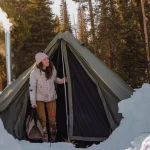
Canvas tents, made from a cotton canvas blend, are a durable and warm option for your double-wall tent. Many canvas tents are constructed with a tent stove in mind, so they have built-in infrastructure for your stove setup and a larger space to work with when storing gear and setting up sleeping arrangements. Cotton canvas tents do take a bit longer to set up, especially if you opt to use a tent stove for ultimate comfort and warmth on your trip, but the time it takes to set up camp is negligible on longer-term excursions or car camping adventures. Many double-wall tents are automatically treated with fire-safe, water-repellent, and UV-resistant coatings to make the canvas material safe for both the indoor warmth as well as the cold weather outdoors.
Pros: Compatible with tent stoves, durable, warmth from multiple layers
Cons: Heavier, less portable, potentially higher in cost
Overall Tips for Cold-Weather Warmth
No matter which tent you choose, here are some general tips for staying warm while camping in the cold.
- Opt for wool or moisture-wicking clothing, especially when it comes to socks that might get wet throughout the day.
- Find a sleeping bag and pad with a high R-value (think five and up) that will be properly insulated against the cold.
- Choose your campsite carefully to help ward off intense winds– find a spot where your tent will be safely shielded by trees or bushes on at least one side.
- Invest in a portable camping heater or space heaters instead of a tent stove.
- Cushion your tarp flooring with a layer of dry moss or leaves before setting up your tent for additional insulation.
- Choose a tent with enough space for yourself, your companions, and your gear– but not with too much space where you’ll end up diffusing your heat into empty air.
When you’re properly equipped, the promise of winter weather can be an invitation to pack your camping gear and spend more time outdoors! Stay warm and enjoy winter adventures to remember by choosing the best tent to protect against any cold weather that might come your way.


No Comment! Be the first one.