

From snow-draped forests to deep chilly valleys and icy rugged peaks, winter camping presents a unique blend of serene natural wonder and the challenge of survival. For those who wish to immerse themselves in the cold, sometimes unpredictable, winter conditions, a certain level of survival skills and emergency preparedness is necessary. Understanding these will set you and your crew up for a successful, comfortable, and memorable winter camping trip!
Table Of Contents
The 10 Essentials of Camping Gear
Having a personalized camping gear essentials list is a great way to prepare for a successful camping trip throughout the seasons. In the wintertime, and especially in frigid temperatures, this list will look a little different than it normally does in the summer or spring. More gear, heavier-duty materials, and different emergency preparedness will be necessary.
Shelter
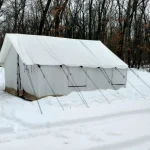
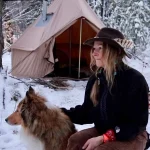
A heavy-duty, fully weatherproofed cold weather tent is in order! Ultralite, synthetic materials are no match for frigid nights and high winds. Opt for a canvas wall tent with durable poles and a shock-absorbing grounding system.
Communication
Out in the backcountry, you may be out of cell service. Regardless, it’s important to bring your phone, an SAT phone, and other personal items that will be useful in the case of needing contact.
Clothing
Packing proper layers like moisture-wicking base layers, fleece pants and jackets for insulation, and rain pants and jackets is a must. Remember to always pack extra clothes, beyond what you would think. In the case of getting too damp or wet from the snow and not having an opportunity to completely dry out, you will be happy to have a warm set of clothes to change into. And don’t forget to accessorize! Gloves, mittens, beanies, wool socks, and balaclavas make all the difference in keeping warm.
Light
Headlamps, lanterns, and flashlights are all items to carry. UV lanterns to keep in the tent are quite convenient. Even in the wintertime, UV from the sun’s strong rays can easily keep the tent lit up. Don’t forget that camping in the winter means camping with fewer hours of daylight. Unpredictable stormy conditions also cause a lack of visibility, so be sure to bring extra batteries for lighting devices.
Heat
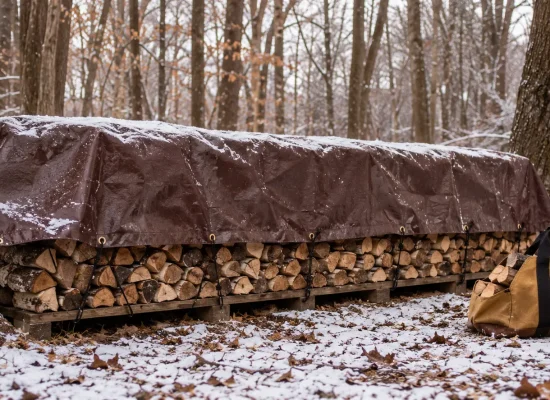
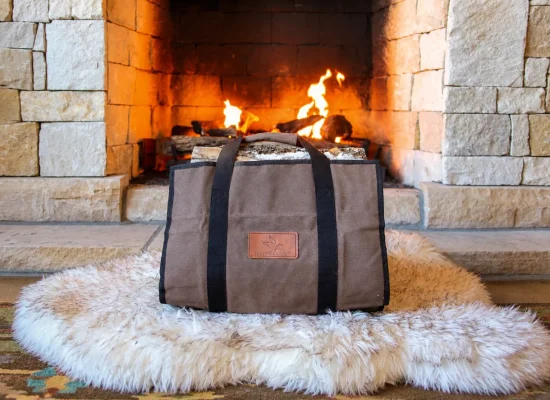
A cold-weather tent that has a built-in stove jack is ideal for using a tent stove. You can use either a propane or a wood-burning stove to fill your space with heat, which the canvas will trap inside. Utilize a canvas wood carrier to help keep firewood dry and more effective. Don’t forget the matches! Being able to maintain a fire and keep a tent warm is crucial for the health and safety of you and other campers.
Food
Try to bring simple foods and premade camp meals, rather than multiple perishable ingredients. These store better for longer, and require minimal effort. That helps you conserve energy when out in the cold. Always bring an extra day’s worth of food and snacks just in case! Make sure you’re getting plenty of fats and proteins to keep you fueled as you exert yourself trekking, skiing, hunting, or whatever winter activities you’re getting up to.
Navigation
Having a compass, GPS, map, or PLB is crucial. With shorter hours of daylight, you may find yourself trying to get back to base after a hike, or a heavy snowfall may disorient you. You must have a way of navigating yourself to safety.
Repair kit
Put together a small toolkit with glue, patches, a knife multitool, etc. You never know what’s going to need repairs as the winter weather wears on your gear. Luckily, Most winter tents come with a tool kit that includes everything you’ll need for tent repairs out in the field.
First Aid
Your gear isn’t the only thing that needs love from time to time! Roughing it will likely require some personal repairs here and there. Pack a first aid kit complete with foot care, ointments, disinfectants, bandages, and everything in between.
Other Emergency Preparedness
Survival Shelter
Including a canvas tarp in your gear list can really come in handy. This, or another lightweight emergency tarp, can be used for all sorts of purposes. Whether you need to put together a quick temporary shelter or need an extra layer of warmth, a tarp for a survival shelter is necessary.
Water
Hydration is key when camping in the winter. Your vitals are working extra hard to keep you warm and conserve energy. Replenish with fresh clean water through a filter and store in a reservoir like a water bladder or bottle.
Visibility
In the deep dark winter nights, increase your visibility with reflective guylines and stickers to put on your tent and even on your outerwear.
Information
Always tell someone where you are planning to go, who you are going with, and for how long you plan to be gone. Sharing your camping itinerary with a trusted person or people is very important in the case of an emergency.
Constantly check the weather forecast leading up to your trip and plan accordingly. When in doubt, play it safe. If the weather is looking rough, or if a trail is making you feel uneasy, it’s better to turn around or stay back than proceed.
With the proper gear, emergency preparedness, basic survival skills, and a flexible attitude, you can confidently immerse yourself in a winter wonderland of adventure! Get out there today and start enjoying everything the season has to offer.


No Comment! Be the first one.