
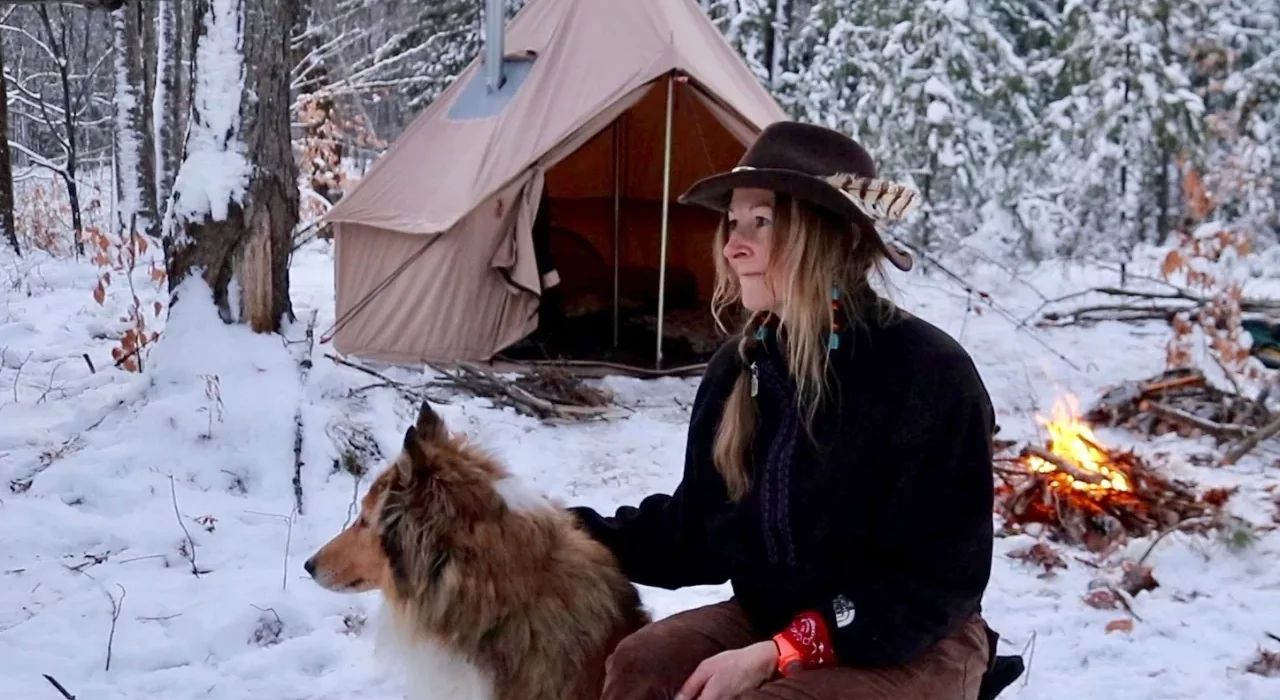
Our beloved winter camping tents are the heart and soul of what keeps us outside during the long, frigid season. It is the structure we call home, and our safety net in heavy weather. Our canvas camping tents do the heavy lifting to keep us warm and cozy, and in return, they deserve a little TLC back! In this blog post, we will do a deep dive into all things winter tent maintenance and care, so that you can extend the life of your tent and enjoy making cold-weather camping memories for years to come!
Table Of Contents
- Tent Style and Material
- Proper Care and Maintenance
- Cleaning Your Canvas Tents
- How Often Should I Clean My Winter Camping Tent?
- Spot Cleaning
- What Should I Use to Clean My Canvas Tent?
- Re-waterproofing
- Minimizing Damage in the Field
- Making Small Repairs in the Field
- Patching a Hole
- Unsticking a Zipper
- Long term Storage
Tent Style and Material
Winter tents come in many shapes and sizes, and depending on what yours is will affect which methods of storing it and keeping it clean are best.
Canvas tents are the best option for winter camping due to their heavy-duty and insulating nature. Heavy-duty, waterproof canvas tents are built to withstand the harsh elements over a long period of time. The rugged durability is perfect for protection against strong winds, rains, heavy snow, and rough handling as the canvas doesn’t become rigid or brittle in cold temperatures like other synthetic materials. Also unlike these other materials, canvas naturally allows moisture and condensation to escape– keeping the cold out, and the heat in. The reduced dampness inside the tent is critical for the comfort, safety, and health of ambitious winter campers.
Oftentimes, canvas tents are much larger than typical backpacking or synthetic tents. With more headroom and taller walls, these are particularly useful for winter camping, as they provide generous space for storing gear, multiple sleeping arrangements, room to cook by the stove, and spending time inside.
Additionally, many canvas tents are designed to accommodate a wood-burning tent stove with a stove jack, which is a great option for heating the interior. The tightly knit canvas fibers of the tent help to retain the heat, creating the perfect, cozy tent even in freezing temperatures.
Proper Care and Maintenance
Caring for your winter tent is essential to ensure your shelter remains durable, weatherproof, and ready to face harsh conditions. We’ll explore practical tips to protect your investment, from cleaning and waterproofing, to storing your tent after a wintertime adventure. Whether you’re a seasoned camper, or prepping for your first cold-weather outing, these steps will help extend the life of your tent and enhance your outdoor living experience.
Cleaning Your Canvas Tents
Canvas camping tents can last for decades with proper care, which makes them a worthwhile investment for serious winter campers.
How Often Should I Clean My Winter Camping Tent?
A heavy-duty canvas tent doesn’t need rigorous deep cleaning very often. In fact, washing or scrubbing canvas too often can actually damage and fray the natural fibers, and wear down any waterproofing or weatherproofing finishes. Occasional spot cleaning works just fine for areas that need a little extra attention.
It’s good practice to wipe down, brush off, and spot-clean your tent after every use, before folding and storing it back in its canvas camping bag.
Spot Cleaning
Ensure your canvas tent is completely dry, and that you have brushed off and buffed out all loose dirt and debris before beginning. Using a soft-bristled brush or washcloth, combine warm water with mild soap and dampen the affected areas. Gently pat or brush the spot to get rid of mud and stains. Allow the tent to dry out completely.
What Should I Use to Clean My Canvas Tent?
Using a soft-bristled brush, mild soap, and warm water to gently spot clean is perfect. To wipe off any loose dirt and debris, just a soft-bristled brush or broom should do the trick! Avoid harsh chemicals and scrubbing tools, as these eat away at waterproofing and scuffing up the canvas fibers.
Re-waterproofing
Re-waterproofing your canvas tent is a great way to maintain its weatherproofing abilities over the years. Luckily, this is a task that doesn’t need to happen very often. But over the years if you notice moisture or soaking in areas of the canvas, that’s a good indicator to refinish it. Purchase a waterproofing treatment specifically designed for canvas for the best results, and avoid using any products made with synthetic materials– these may not bond well with canvas.\
After cleaning your tent and letting it dry completely, ensure you are in a well-ventilated area or outside. Follow the manufacturer’s instructions on the waterproofing product, and use a sponge, brush, or sprayer to apply an even coat of the treatment across the entire surface of the tent. Concentrate the product on areas that may be more susceptible to wear and tear, like seams. Let it dry thoroughly, and test it by spraying it with water, which should bead off the surface.
Minimizing Damage in the Field
There are a few ways you can prevent damage to your canvas tent in the wintertime. Bringing a couple of extra waterproofing materials and layers can make all the difference in keeping the tent dry and warm.
Utilizing a heavy-duty tarp as a tent footprint and as a rainfly can be a lifesaver for both you and your tent in winter conditions. These waterproof layers act as a barrier between your tent and the natural elements. Shielding from dirt, debris, and excess moisture, the addition of a heavy-duty tarp can be an excellent long-term solution and addition to your regular camping gear. Tarps also happen to be much more convenient to clean than an entire tent, so bringing one along can save you time out in the cold.
Making Small Repairs in the Field
Of course, the winter conditions can be tough on a tent, and sometimes small repairs are necessary. Keep a travel-size toolkit in your canvas camping bag for small repairs. Things like multitools, a sewing kit, tape, and glue are versatile enough to use on other gear too. You never know when you’re going to need to stitch up a pair of socks, unstick a pesky zipper, or patch a hole in your tent!
Patching a Hole
In the unlikely event of needing to patch a hole in your canvas tent during the winter, you’ll need to take extra care to ensure the repair is effective in cold, wet conditions. Make sure the area you’re patching is as clean and dry as possible before working.
Measure the size of the tear to determine the patch size you’ll need. You can either use a patch with adhesive, or scrap canvas and fabric glue. Cut your patch to size, and slightly larger than the hole itself, and round the edges to prevent peeling. Evenly apply the adhesive or glue around the edges and press the patch firmly over the hole. Let it dry, and you should be good to go!
Tip: If you’re camping in freezing conditions, use an adhesive that’s been designed for low temperatures and ensure materials are warm enough to work with effectively.
If you’re choosing to stitch the patch rather than glue, be sure to use waxed thread for the best results, and sew in a strong overhand or zig-zag pattern for more durability.
Unsticking a Zipper
In cold weather, zippers can get sticky! And nothing’s worse than not being able to get inside your warm canvas tent to thaw out. Firstly, handle the zipper gently– yanking or forcing it could lead to more damage. To lubricate it, apply a small amount of zipper cleaner or lip balm to the teeth and gently work the zipper back and forth. Warming it up in your hands also works if it is slightly frozen.\
Having a flexible and positive mindset can really make all the difference when small repairs need to be made. So prepare yourself with the right skills and tools to save you time and money, and allow you to get the most use out of your winter camping tent over the course of the years.
Long term Storage
After doing a thorough wipe-down and dust-off, make sure to lay the tent flat and dry out completely. Then fold it and store it in a cool, dry place– like a plastic bin or a canvas camping bag– until next time!
If you’re tearing down a tent in the snow, and don’t have the option of letting the canvas dry out before storing it, then don’t forget to take it back out once you’re home to let it dry completely– as well as whatever bag or bin was used to transport it– and then fold it neatly and store. This way, you will surely avoid any mold or mildew growth.
Winter camping tent maintenance and care don’t have to be complicated, time-consuming, or difficult. With the right preparedness and mindset, you can keep your tent in tip-top shape so you and your loved ones can enjoy decades of safe, comfortable winter camping adventures.




No Comment! Be the first one.