
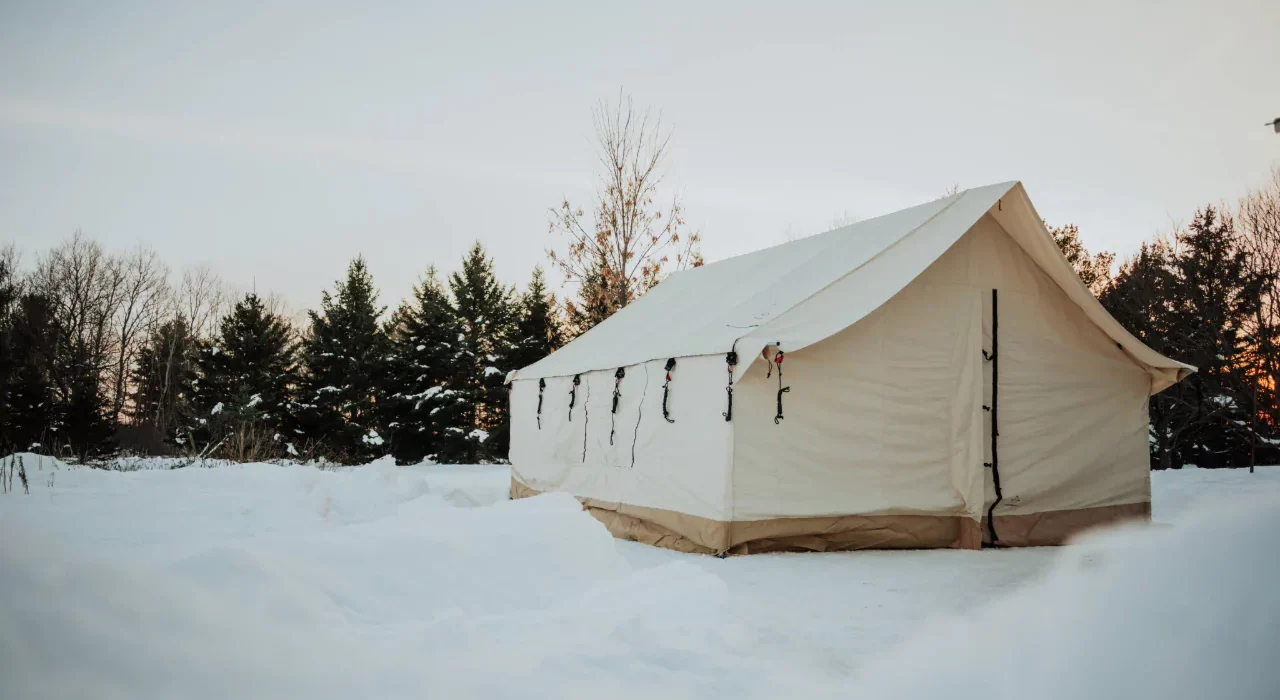
When you are embarking on a cold-weather camping adventure, what you will need most is a good tent stove. This crucial piece of gear is what makes a hot tent, well, hot. Choosing the right stove for your tent makes all the difference in comfort. With an overwhelming amount of stove options available, here’s how to choose the best one for your needs. From stove size to fuel types, to heat output and portability, this guide will help make your decision simpler.
Table Of Contents
- Understand the Role of a Hot Tent Stove
- Factors to Consider When Choosing a Stove
- Tent Size and Volume
- Heat Output (BTU Rating)
- Small Tents (1 to 3 People)
- Medium Tents (4 to 6 People)
- Large Tents (7 People or More)
- Fuel Type
- Wood-Burning Stoves
- Propane Stoves
- Multi-Fuel Stoves
- Portability and Weight
- Durability and Build
- User-Friendliness
- Chimney and Stove Jack Compatibility
- Other Features to Look For
- To Sum it Up…
Understand the Role of a Hot Tent Stove
The primary role of a stove in a hot tent is to provide heat. However, it can be used for many other purposes such as cooking, gear drying, and heating/boiling water. The stove helps maintain a livable, safe temperature inside even during extreme cold.
Without a tent stove, you wouldn’t be in a hot tent camping. Your tent would simply serve as a windbreak. There would be no real relief from freezing temperatures. A reliable stove burns fuel efficiently, provides steady heat, and is easy to use even for beginners.
Factors to Consider When Choosing a Stove
Several key factors will come into play when it comes to selecting a stove for your tent. Realistically thinking through these helps to determine how comfortable you will truly be during your trip. Choose wisely!
Tent Size and Volume
First things first, you will need to consider the size of your tent when choosing a stove for it. The size and design of your tent will dictate the type and size of the stove you end up with. Hot tents vary greatly in size, from solo shelters to large tents. A stove that works well in a six-person tent may be extreme overkill for a two-person tent and so on.
- Small Tents: Made to fit one to three people, small tents should house more compact stoves. The stove you choose should provide enough heat for three people while remaining lightweight and easily transportable. Popular choices include small wood-burning stoves that can be broken down into several parts for compact storage and packing.
- Medium Tents: These “medium” sized tents are made for housing four to six people. Such tents will need a stove that offers a higher heat output but remains compact. A mid-sized wood stove or a stove with a large firebox is efficient for medium tents.
- Large Tents: Tents of the largest size require an appropriately fitted stove. A large wood-burning stove with a large firebox or even multiple stoves can be great when camping with a group bigger than six people. A multi-fuel stove may be necessary to keep the tent warm in subzero temps.
Heat Output (BTU Rating)
Stove heat output is measured in British Thermal Units (BTUs). This measurement indicates how much heat the stove generates per hour. When selecting your stove, be sure that the BTU output is appropriate for the size of your tent and expected weather conditions.
Small Tents (1 to 3 People)
Stoves with a BTU rating between 5,000 and 10,000 are sufficient for small tents. These stoves will keep a small space warm without overheating.
Medium Tents (4 to 6 People)
Stoves with BTU ratings between 10,000 and 20,000 will comfortably heat a larger area, like a wall tent.
Large Tents (7 People or More)
A stove with a BTU rating higher than 20,000 is absolutely necessary to keep a large tent warm. Depending on how cold the outdoor temperature is, and how many people are inside, you may need two stoves. More than one stove just ensures that heat is distributed evenly.
Fuel Type
A hot tent stove burns one of three types of fuel– wood, propane, or multi-fuel. Each fuel type has its pros and cons, so your choice is entirely based on preferences, location, and experience.
Wood-Burning Stoves
The most common stove is the wood-burning stove for hot tent use. These are powered by split wood, obviously, which you can gather from your surroundings most of the time.
Pros:Wood is widely available in most camping circumstances, so it’s free if you are permitted to gather it. Wood stoves provide heat for a long period of time, great if you want to get a good night’s sleep or are camping for an extended period. It’s easier to control the fire in a wood burning stove and thus adjust the heat.
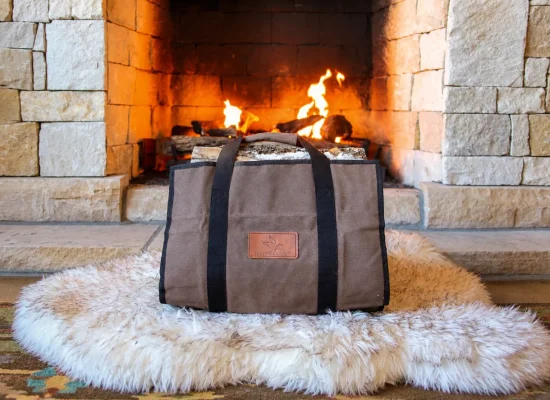
Cons:Wood stoves require you to gather, chop, and carry firewood. This can be a huge hassle if there are feet of snow and ice on the ground–that is unless you have a log bag. Wood stoves also require quite a bit of regular cleaning. They may also take a while to start producing heat upon lighting.
Propane Stoves
Propane stoves are another convenient option for hot tent heating. Propane stoves are fueled by small propane canisters or large tanks depending on the size and model you choose.
ProsPropane stoves are remarkably easy to use. They produce consistent heat and don’t require the hassle of gathering firewood. Additionally, they don’t produce constant messes like wood-burning stoves do. (If you’ve ever used one, you’re familiar with the frustration of constant woodchip sweeping).
ConsPropane can be hard to obtain in remote areas. You may have to bring extra canisters or tanks with you– that can get heavy. Propane stoves sometimes do not offer as high of a heat output as wood-burning alternatives. This can be an issue in extremely cold conditions.
Multi-Fuel Stoves
Named for obvious reasons, multi-fuel stoves burn wood, propane, alcohol, or biofuels. They offer flexibility that strictly propane or wood stoves do not.
ProsMulti-fuel stoves are versatile and adaptable. They can be used in a wide variety of environments– making them convenient for remote camping.
ConsOften, multi-fuel stoves are bulkier, complex to set up, and require regular maintenance. Generally, they are on the expensive side as compared to single-fuel stoves.
Portability and Weight
Portability should be a key consideration. If you are planning on taking your stove on backcountry trips, it matters even more. Wood-burning stoves tend to be heavier due to their dense makeup, especially if they have a large firebox. Propane stoves can be lighter and more compact but don’t forget to account for the weight of a propane canister.
When it comes to portability, ask yourself:
- Can this stove fit in my pack or bag? Can it be easily transported in my vehicle?
- Is this stove lightweight enough to manage for long distances?
- Is it difficult to assemble or disassemble this stove?
Durability and Build
Choosing a stove for your hot tent is a long-term investment. This being true, it’s important to choose one that will be durable. Look for a stove made from high-quality materials such as stainless steel. The right materials help ensure that the stove can withstand wintery conditions over several years.
Additionally, check for:
- Stove Design – Many stoves come with reinforced legs or heat shields. These help prevent damage and ensure that the stove is stable.
- Corrosion Resistance – Choose a stove that is rust and corrosion-resistant. This is especially helpful if you know you will have to use it in wet conditions.
User-Friendliness
When you choose a stove, you should choose one that is simple to use. This means having few, simple controls for adjusting temperature. Additionally, good stoves come with features like air vents which allow you to monitor airflow. Heat output will be most efficient with these helpful features, too.
Maintenance is something else to consider. Wood-burning stoves require greater upkeep. You must clear out ash and soot from a wood-burning stove, while propane stoves are easier to maintain. This is true simply because there are fewer moving parts. Regardless of your stove choice, make sure your stove is accessible to clean and doesn’t demand complicated maintenance.
Chimney and Stove Jack Compatibility
Nearly all hot tents come equipped with a stove jack. A stove jack is a chimney port for venting smoke and other toxic gasses out of your living space. It’s essential to make sure that the stove you choose is compatible with your tent’s stove jack. This can be determined by examining size and comparing chimney configuration.
- Chimney Size: The length of the chimney pipe should efficiently vent smoke out of your tent. It should be constructed of heat-resistant material such as stainless steel. This helps to avoid melting or other irreparable damage.
- Stove Jack Size: Make sure your stove’s chimney pipe fits not only easily but snugly into the stove jack of your tent. Some tents allow for some adjusting, while others are fixed. Choose what meets your needs and preferences.
Other Features to Look For
- Cooking Surface: Some stoves come with a built-in cooking surface or a griddle on top. This is useful for heating food, cooking meals, or boiling water right inside your tent.
- Ash Pan: An ash pan is a super handy feature that allows for quick, easy removal of ash from a wood-burning stove. This reduces mess and maintains a stove’s efficiency.
- Extra Storage Compartments: Some stoves include drawers and nooks for tool storage, kindling, or small gear like gloves for handling wood. This helps to make stoves more versatile and handy on an extended camping trip.
To Sum it Up…
Choosing the right stove for your hot tent requires in-depth consideration of several factors. Remember, the goal here is to maximize ease and comfort, not make winter camping harder than it already is! By thinking through your tent size, fuel preference, heat output goal, and camping conditions, you can narrow down the choices and make one that works for many adventures to come.
Happy camping!


No Comment! Be the first one.