

Got the itch to escape into the woods for a camping trip, but feel restricted by cold weather? Hot tent camping is your solution. It’s a unique way to experience the outdoors in the fall and winter months. Hot tent camping offers warm shelter in the harshest of conditions. You’ll have a cozy home base to retreat to after exploring the snowy wilderness. Hot tent camping can seem intimidating and challenging to inexperienced newbies, but with the right knowledge, tools, and preparation, it can be a very rewarding and relaxing experience.
Table Of Contents
- What is Hot Tent Camping?
- Benefits of Hot Tent Camping
- Comfort and Safety
- Longer Camping Season
- Cooking Convenience
- Ambient Atmosphere
- Essential Gear for Hot Tent Camping
- The Tent
- Wood Stove
- Stove Pipe and Chimney
- Sleeping Bags & Pads
- Wood for Fuel
- Lighting
- Cooking Gear
- Setting Up Your Hot Tent
- Safety Precautions
- Conclusion
In this beginner’s guide, we will break down each aspect of hot camping. We’ll discuss gear necessities, camp setup tips, safety precautions, and other tricks to make your first hot tent camping experience a smashing success.
What is Hot Tent Camping?
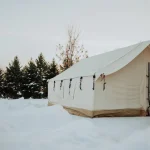
Hot tent camping refers to the use of a canvas camping tent equipped with a heating source–whether it be a wood-burning stove or a propane heater–to keep the interior warm and cozy. These types of hot tents are specifically designed to handle high heat and allow for plenty of safe ventilation. Hot tent camping is most popular during winter, for obvious reasons. It provides a warm, dry space to find rest and relief from subzero temps after a day of outdoor activities.
Hot tents are made from thick, durable, fire-retardant materials which allow you to use a tent stove inside. A wood stove provides ample heat to keep the tent’s interior toasty. Meanwhile, the stove jack and chimney carry away otherwise harmful fumes and smoke. Not only does this setup keep campers warm in freezing temps, but also enables convenient indoor meal preparation.
Benefits of Hot Tent Camping
There are many advantages of hot tent camping–especially for folks who enjoy winter skiing, snowshoeing, ice fishing, and trekking out on a snowy hike. The top benefits of hot tent camping include:
Comfort and Safety
Most obvious– hot tent camping provides the ability to stay warm in even the coldest of weather. A well-maintained stove keeps your tent interior at a comfy temperature no matter how insane outside temps may get. Winter camping can also lead to dampness and discomfort since you’re dealing with wet snow. Moisture plus freezing temps can be a dangerous combination. Hot tent stoves provide a source of heat to dry out wet clothing and gear.
Longer Camping Season
With the added warmth of a hot tent, you can extend your camping season well into the cold months. Whether you are planning a serious winter camping excursion in the backcountry, or just want to enjoy a snowy retreat, a hot tent provides a range of options.
Cooking Convenience
Most wood stoves designed for hot tents come with stove pipes used for cooking and boiling water. This makes for a more convenient, versatile camping experience. Additionally, a range of camp kitchen functions means greater diversity in camp meals– always a good piece of news when you don’t have to live solely on jerky and dried fruit!
Ambient Atmosphere
There’s something very cozy about gathering around a wood stove in a camping tent. Add light snowfall outside, and you’ve got yourself a scene worthy of Hallmark. Such ambiance fosters an intimate, rustic experience that many people relish and remember for years.
Essential Gear for Hot Tent Camping
To ensure a safe and enjoyable hot tent camping experience, it’s important to bring the right camping gear. Below are some of the most essential items you’ll want to be sure to invest in:
The Tent
Hot tent camping requires the right tent. Typically, hot tents are made of durable, fire-resistant fabric such as canvas. They also feature stove jacks– a specially designed opening used to vent smoke safely. When selecting the right canvas tent for hot tent camping, consider how many people will be camping in it. Think about transport– if you plan to backpack you might opt for a smaller, lightweight option. Since you will be relying on your stove for warmth, adequate ventilation is crucial. Proper airflow helps to prevent dangerous gasses from building inside your tent.
Wood Stove
The wood stove is the most important component of hot tent camping. It provides the heat you need to keep your tent, well, HOT. Most tent stoves are small, easily transportable, and designed to fit compactly inside your tent. They don’t take up excess space and predominantly use wood logs as fuel. As mentioned, pipes function to channel the smoke through the jack and out of the tent.
So, how do you choose the right tent stove? No pressure! Look for one that is compact but still powerful enough to heat your tent. A stove with a small footprint, adjustable air controls, and an efficient burn rate is ideal. All of this information should be readily made available by the manufacturer.
Stove Pipe and Chimney
A stove pipe and chimney are essential pieces of safe hot tent camping. The stove pipe is the piece that carries smoke from your stove out of your tent. This prevents the accumulation of toxic fumes. The chimney is an important piece of temperature regulation inside your tent. It prevents overheating. Some tent stove models include adjustable chimneys and stove pipes to accommodate taller tents like wall tents.
When setting up the stove pipe, it’s crucial to ensure that it is properly placed and sealed. Most hot tents come with stove jacks. These are designed for easy pipe and chimney installation.
Sleeping Bags & Pads
Though the wood stove keeps the tent toasty, it’s still important to bring warm sleeping gear. Sleeping bags rated for cold weather are essential even on a hot tent camping trip. Sleeping pads are great for added insulation and protection from the frozen ground.
Sleeping bags should be rated for at least ten degrees lower than the temp you expect at your campsite. You should also opt for down-insulated sleeping bags, but synthetic bags can be great if you’re expecting damp weather conditions.
Wood for Fuel
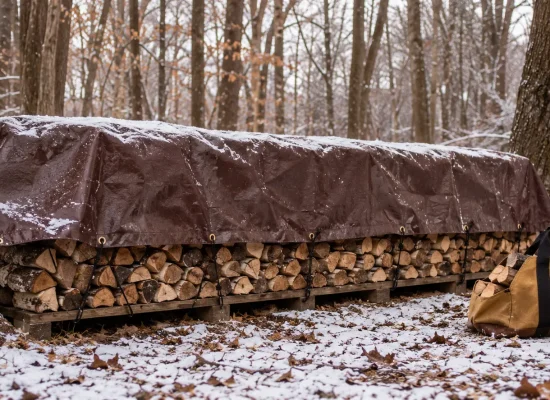
Wood stoves require a steady supply of–you guessed it–firewood to maintain warmth! Always bring and/or source enough wood to last throughout your trip. In some areas such as National Forests, you will need a permit to cut wood. In others, it may be scarce or difficult to gather. It’s a good idea to always check ahead to see what resources are available, and the kind of licensing you might need. Make sure your wood is dry when you gather it. Wet, green wood will create excessive smoke and not nearly enough heat.
Lighting
While hot tents provide warmth, they don’t necessarily provide enough light. This is especially true if you’re camping during the long dark hours of winter. Battery-powered string lights hung from the tent awning are great for external lighting. Fuel-based lanterns are efficient options for indoor lighting. Fuel-based lanterns use kerosene or propane to keep them burning. Choose a lantern that won’t overheat the tent, but is large enough to provide ample cooking/reading/game-playing light.
Cooking Gear
For those who enjoy the convenience of cooking inside their tent, appropriate cookware is crucial. Bring at least one small pot and a cast iron pan. Don’t forget utensils like a spatula, wooden stirring spoon, forks, knives, and spoons for eating. Reusable plates and bowls are helpful, too.
Many wood stoves designed for hot tents include a cooking surface handy for meal prep. Always use special cooking gear designed for high heat. Remember to never leave cooking equipment unattended, even if you think the heat is off.
Setting Up Your Hot Tent
Setting up a hot tent requires careful planning. When it comes to safe installation, there are a few key steps you should follow to ensure that it goes smoothly.
Choose the Right Campsite: Find a level, sheltered spot for your tent. You should avoid pitching your tent on snow drifts, near high riverbanks or cliffs, or under flimsy tree branches that could collapse under heavy snow. If you can, seek out a sheltered spot to protect your tent from high winds.
Pitch the Tent: Pitch your hot tent as you would any old camping tent. Many are designed for quick setup but don’t rush. Be sure the tent and its guy lines are taut, secured, and stable.
Stove Installation: After you’ve pitched your tent, install your stove in its designated place. Be sure the stove pipe passes through the stove jack. Also, check that it is properly connected to the chimney. Inspect for any holes or spots where smoke could seep into your tent. Do not leave the stove unattended when it is running.
Arrange Your Sleeping Space: Once your stove is set up, be sure that proper ventilation is in place, too. Arrange your sleeping bags a safe distance from the stove, but in a spot where warmth can bring comfort.
Stoke the Fire: You will need to pay close attention to your fire, adding logs and adjusting heat at regular time intervals. Make sure to monitor the stove’s air intake so that the stove can keep producing steady heat.
Safety Precautions
Hot tent camping can be a fantastic experience when done safely and efficiently. Here are a few important safety precautions to keep in mind:
Proper Ventilation: Always make sure your tent has proper ventilation. This prevents dangerous gas or fatal build-ups from happening. Never, ever use the stove without checking for proper airflow through the stovepipe.
Fire Safety: Keep the stove away from flammable materials. Always ensure that the stove pipe is securely connected and there are no smoke leaks. Never leave the stove unattended.
Carbon Monoxide Awareness: Know that there is always a risk that carbon monoxide can sneakily build up if ventilation is not properly set up. Consider placing a carbon monoxide detector inside your tent as extra protection.
Cold Weather Protection: Always bring extra layers of clothing– hypothermia is a real risk when you continuously wear wet clothes. Bring emergency supplies– emergency blankets, et cetera.
Conclusion
Hot tent camping is a great way to enjoy the beauty of winter. A warm tent provides comfort, safety, and relaxation. By investing in the right gear, planning your trip, and taking safety seriously, even beginners can reap the benefits of an extended camping season. Happy camping!


No Comment! Be the first one.