
The great outdoors offers us more than just beautiful landscapes and magnificent views. Being out in nature results in tangible benefits for our physical and mental health. Read on for an in-depth overview of how spending time in nature can improve our health, among other notable benefits. Then, get a comprehensive list of outdoor activities to encourage you to spend more time outside. Plus, discover top tips that make getting outside easier in your day-to-day routine. Whether you’re visiting a local botanical garden with friends or venturing into the wilderness for a solo camping trip, there’s a great deal to gain from stepping outdoors and into the fresh air. Let’s get into it!
Table Of Contents
- How Nature Improves Our Mental Health
- The Physical Benefits of Spending Time Outdoors
- More Positive Effects of Exploring Nature
- 10 Fun Outdoor Activities To Try
- Visit a nature center, botanical garden, or conservation center.
- Go Camping or Glamping
- Watch Wildlife or go Birdwatching
- Learn Outdoor Photography
- Forage for Plants
- Go Fishing or Hunting
- Play Sports and Exercise
- Plant a Garden
- Take Scuba Diving Lessons
- Stargaze
- Bonus: more activities that get you outside!
- Top Tips To Spend More Time Outdoors
- Final Thoughts
How Nature Improves Our Mental Health
The positive effects of nature on mental health have been well-documented over the years, and these benefits only grow as we spend more and more time attached to screens and other detrimental technology.
First and foremost, time spent outdoors has been proven to boost cognitive function. In two different psychology studies, researchers found that both looking at outdoor greenery and listening to the sounds of nature improved participant’s mental abilities while performing tasks.
Nature also serves to relax the human mind. In today’s day and age, we’re constantly experiencing sensory overload from the various technologies at our fingertips. Retreating to nature gives our brain a much-needed break from these unnatural stimuli, which simultaneously increases happiness, enhances concentration, boosts creativity, and improves problem-solving skills.
When it comes to how we feel, nature helps us there, too. Consistent exposure to the outdoors has been linked to lower stress levels and decreased rates of depression and anxiety disorders. Further, it’s well known that exposure to sunlight is key to regulating our sleep cycles. So, spending ample time outside during the daytime is vital to getting rejuvenating sleep at night, and good sleep results in better health and mood outcomes overall.
Moreover, nature is full of learning opportunities, whether you’re practicing survival skills on a camping trip or training in a new outdoor sport. Learning and practicing these new skills gives participants a sense of accomplishment and purpose, which in turn boosts confidence and improves self-esteem.
Between better sleep, reduced stress, decreased rates of mental illness, improved self-esteem, and enhanced cognitive abilities, getting outside more often is a no-brainer for maintaining your mental wellness.
The Physical Benefits of Spending Time Outdoors
The health benefits of Mother Nature don’t stop at your mental well-being. Going outside improves your physical health, too! Regular outdoor exposure to the sun is an easy way to get the necessary amount of Vitamin D that’s essential to optimum health. Vitamin D is crucial to bone health, immune function, heart health, skin and hair health, muscle function, and even weight management.
Similarly, time spent outdoors has been linked to better immunity. This is in part thanks to the Vitamin D discussed above, but also thanks to an organic compound called phytoncide. Phytoncides are released by plants, especially pines, cedars, spruces, and firs, and have antibacterial and antifungal properties that have been shown to increase the effectiveness of the human cells that fight viruses and tumors. Long story short, breathing in the air around plants directly improves your immune system! Kind of amazing, right?
If you’re outside, there’s a good chance you’re participating in some sort of physical activity. Many types of outdoor activities, from walking and hiking to kayaking and swimming, offer a form of physical exercise. These can improve cardiovascular health, muscle strength, and physical fitness overall. Further, exercising in uncontrolled environments, like running on a mountainous trail instead of on an indoor treadmill, is more challenging and physically beneficial for your body. Plus, changing up your setting makes your workout more interesting and may increase the chances of you sticking with it.
More Positive Effects of Exploring Nature
If the undeniable benefits to your mental and physical well-being don’t inspire you to get outdoors, here are a few more positive effects of spending time outdoors that might!
Exploring the wilderness is a great way to discover more about the natural world and the many ecosystems that operate around us. Learning these things not only makes us brighter, but it also has the ability to promote a new appreciation for nature. In turn, appreciating nature encourages us to take important initiatives toward sustainability, preservation, and conservation of natural resources.
In addition, many outdoor activities can actually help to reduce our carbon footprints, whether it’s planting a vegetable garden or riding a bike instead of taking a car. As long as you’re enjoying the outdoors responsibly, like following the principles of Leave No Trace on a camping trip, there’s a good chance your time spent outdoors is beneficial for the environment.
10 Fun Outdoor Activities To Try
There are abundant ways to spend time outdoors, whether you take a simple walk through your neighborhood or embark on a two-week backpacking trip through the mountains. If you’re looking to reap some of the many benefits discussed above, consider one of these 10 fun activities that will get you outside and into nature.
Visit a nature center, botanical garden, or conservation center.
Organizations like nature or environmental centers, botanical gardens, and conservation centers offer an educational place for adults and kids alike to learn about the natural world while getting out into the fresh air. Many of these centers will offer a range of programs that make learning about the outdoors a fun and immersive experience.
Go Camping or Glamping
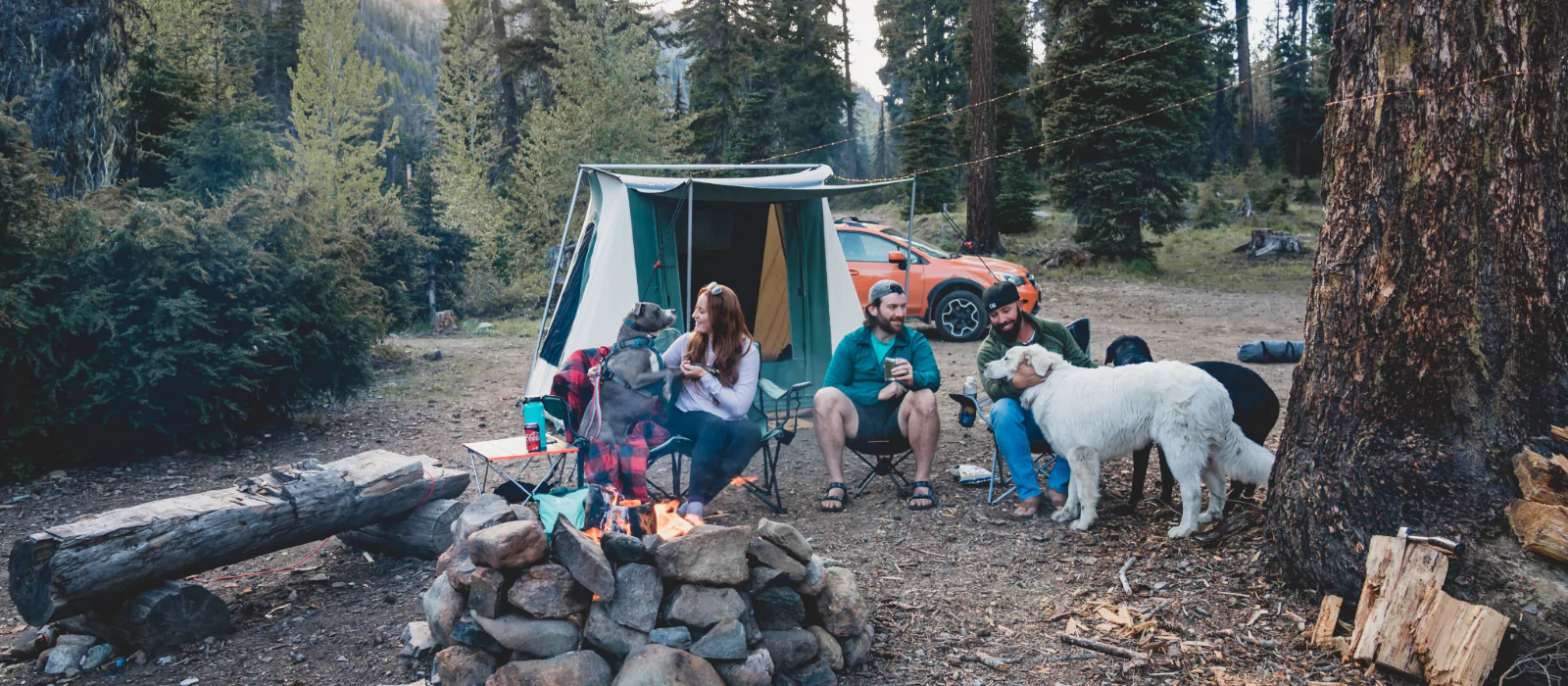
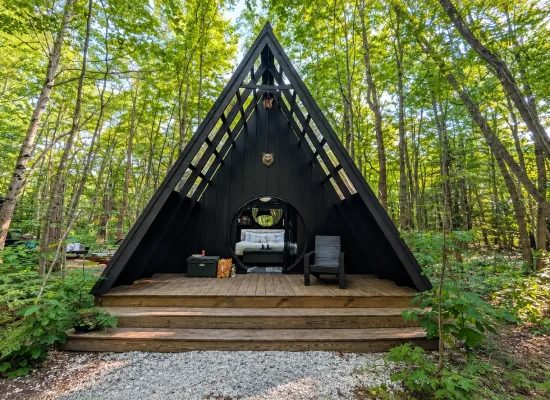
If you prefer spending an extended amount of time outdoors, whether it’s a long weekend or a multiple-week trip, camping is the perfect choice! Camping tents offer a portable shelter to keep you safe and comfortable while out in the elements of nature. That way, you can enjoy a range of outdoor activities during the day, like hiking and building a campfire, all while having a temporary shelter to retreat to at night.
Watch Wildlife or go Birdwatching
We live much of our day-to-day lives completely removed from the realities of the natural world around us. Between clocking in at the office and running kids to and from school, it’s easy to forget that entire ecosystems are thriving out in the wilderness. Watching wildlife and going bird-watching are great reminders of this. Plus, it’s equal parts relaxing and thrilling to lay in wait and finally catch a glimpse of beautiful wild animals. You can even plan entire camping trips around watching wildlife!
Learn Outdoor Photography
Maybe you’ve always loved snapping photos, or maybe it’s a hobby you just recently decided to pick up. Either way, consider taking your photography outdoors! Nature offers a range of beautiful subjects perfect for photography, whether it’s picture-perfect landscapes or awe-inspiring wildlife. Not only are there tons of photo-ops, but it’s also an entirely different beast to learn to take great photos outdoors.
Forage for Plants
Foraging for plants is a unique way to learn about your local ecosystems and gain a new appreciation for wild plants. Plus, some plants are edible, which adds another exciting layer to the hunt! If this activity sounds right up your alley, be sure to do your research before embarking outdoors. There’s a lot of information you’ll need to know to forage responsibly, from what plants are ethical to harvest to what rules and regulations your local authorities have put in place for foragers.
Go Fishing or Hunting
The benefits of participating in outdoor activities like fishing and hunting are abundant. Not only do you get to spend ample time outdoors, but you also have the opportunity to learn new skills, connect with fellow fishermen and hunters, and even bring home nourishing food for you and your family. You can easily plan an afternoon around either of these activities or enjoy them while on a camping trip dedicated to them.
Play Sports and Exercise
There are few sports that can’t be played recreationally outdoors, making it a great way to get outside, especially if physical health is top of mind for you. Activities like rock climbing, hiking, kayaking and canoeing, skiing and snowboarding, surfing, and mountain biking are the best if you’re looking for true outdoor immersion since they tend to take place in more remote natural landscapes. More general recreational sports like beach volleyball, soccer, baseball, and football can be played outside, too, and can be easy to organize at local parks or even in your own backyard.
Plant a Garden
Gardening is the perfect outdoor activity that encourages you to return outdoors again and again. By planting a garden, you’ll be required to tend to it every day if you want to maintain it properly. Not only will you get to enjoy the fruits of your labor, whether that’s actual delicious fruit or just beautiful plants and flowers, but you’ll also get a daily dose of fresh air when you go out to take care of your garden.
Take Scuba Diving Lessons
Looking for an outdoor activity that’s a bit more unique? Try taking a scuba diving lesson! Scuba diving offers participants a chance to experience an entirely different type of outdoor landscape. There’s tons of beautiful scenery and special marine life to see underwater, plus, it offers all of the same physical and mental benefits of any other outdoor activity on this list.
Stargaze
Spending time outdoors isn’t limited to the daytime! Stargazing is one of the best activities in nature for relaxing, reducing stress and anxiety, and improving your mental health overall. Stargaze from the comfort of your backyard or at a remote campsite and enjoy the robust benefits of a couple of hours spent in fresh air. While you’re out, be sure to look for the Milky Way, all of the popular constellations, any planets that may be out, and, of course, shooting stars!
Bonus: more activities that get you outside!
- Walk your dog or other pets
- Take your kids to a playground
- Have a park picnic with friends
- Host a backyard cookout
- Throw an outdoor birthday party
- Eat your meals outside
- Watch the sunrise or sunset
- Listen to music while looking at a beautiful natural landscape
- Read a book outside
- Take a nap on a hammock
- Enjoy a day at the beach or lake
- Go swimming
- Plan an outdoor scavenger hunt
- Fly a kite on a windy day
- Play catch with a baseball or football
- Build a bonfire and tell campfire stories
- Play cards or lawn games
- Journal outside
- Shop at the local outdoor farmer’s market
- Attend a concert at an outdoor venue
- Get drinks or enjoy a meal on a restaurant’s rooftop
- Set up a projector and watch a movie outside
- Stretch, meditate, or do yoga at the park
- Go on a yoga or outdoor-focused retreat
- Do outdoor chores like raking leaves or pulling weeds
- Participate in outdoor holiday festivities like carving a pumpkin, trick-or-treating, looking at Christmas lights, or Christmas caroling
- Build a snowman, construct a snow fort, or make snow angels
Top Tips To Spend More Time Outdoors
With the busy lives we all lead, it can be difficult to find the time to get outside. That being said, it’s proven that the outdoors is important for our mental and physical well-being. Experts recommend spending at least two hours, or 120 minutes, per week to reap these benefits. So how can we get in those hours easier? Here are just a few tips for seamlessly incorporating the outdoors into your day-to-day routine!
- Locate your closest parks and green spaces. Knowing where local green spaces are makes it easier to go out and enjoy them. Take it a step further by getting involved, whether it’s advocating for your parks at town meetings or volunteering to help maintain them. The more well-looked-after green spaces there are, the easier it is for you and your community to reap their benefits.
- Bring your normal activities outside! If you normally read throughout your week, try reading on your front porch instead of on your couch. Many day-to-day activities can be done outside, from reading and journaling to eating meals and even crafting with kids.
Similarly, find alternatives to indoor tasks in your every routine. Work out at a local park instead of inside a gym, or shop at your neighborhood farmer’s market instead of at an indoor grocery store.
- Make lifestyle choices that encourage spending time outdoors. For example, owning a dog or planting a garden gives you a reason to go outside to take care of them. While you should never get a pet or make a drastic life change just to get outside more, it’s definitely an advantage of making these lifestyle choices.
- Utilize seasonal gear to enjoy the outdoors all year long. The weather isn’t always sunny and 75, but that shouldn’t stop you from stepping into nature. If camping is your outdoor activity of choice, for example, invest in luxury tents built for 4 seasons. Buying the right gear makes it possible to adventure outdoors safely and comfortably in every season.
- Start a club outdoors! Organize a social club around one of your favorite hobbies, whether it be a sport like soccer or an interest like reading, host it at a local green space, and get your friends and other members of the community in on it. Not only will this give you a chance to bond and socialize with like-minded people, but it’ll also help to hold you accountable for your goal of getting out in nature.
- Unlike staying cooped up indoors, spending time outdoors leaves you vulnerable to the natural elements. By preparing for these elements, whether it’s bringing sunscreen to block the harsh UV rays or a full water bottle to stay hydrated, you’ll be more inclined to stay outside for longer.
At the end of the day, the most important thing to do to spend more time outside is to make it a priority. Just like anything in life, whether you want to see your friends and family more or get healthier, you just have to do it. Making the intentional choice and holding yourself accountable is the best way to make getting outside a reality.
Final Thoughts
The great outdoors is full of gorgeous scenery, awe-inspiring wildlife, and endless opportunities for adventure. But it doesn’t stop there! Spending time in nature offers robust benefits to our physical and mental health, a space to learn valuable skills and acquire new knowledge, and a chance for us to reduce our carbon footprints. If a beautiful view isn’t enough to get you outside, understanding these substantial benefits may give you the push you need to step outdoors. Whether you’re strolling through a local botanical garden or fishing at a lake with your family, there are tons of fun ways to enjoy the fresh air and reap its many benefits.



No Comment! Be the first one.