
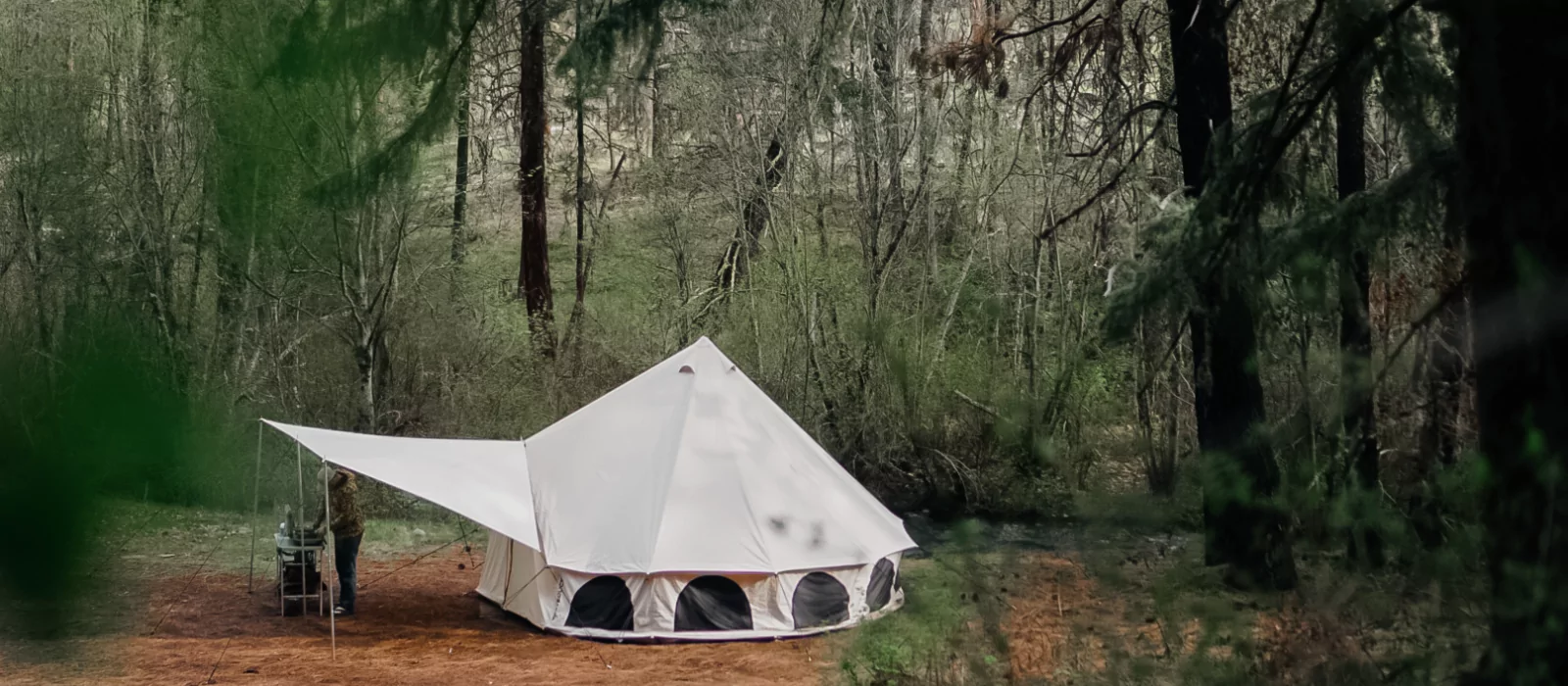
When it’s 100 degrees outside and the roads are burning hot, everyone turns on their air conditioning. But all I can think about are tall pine trees and cool mountain air. There’s something special about getting to higher elevations when it’s too hot down low.
Table Of Contents
- Trees Work Like Nature’s Air Conditioning
- Colorado’s Cool Mountain Spots
- Idaho’s Hidden Forest Treasures
- Wyoming’s High Cool Places
- Utah’s Mountain Forest Hideaways
- Pacific Northwest Forest Paradise
- California’s Sierra Nevada Serenity
- Arizona’s Unexpected Cool Zones
- Smart Camping Gear for Forests
- Plan Your Forest Escape Right
- Finding Your Perfect Forest Sanctuary
I know some cool forest camping spots out West. These places are perfect when summer gets too hot. Forest camping isn’t just about shade. It’s about places that are 20 degrees cooler with morning fog on old trees. Places where you only hear wind in the branches and never feel the heat from a car.
I’ve camped everywhere from the Sawtooth peaks to the Sierra Nevada forests. I’m always looking for cool weather and great views. Keep reading, I’ll reveal some of my favorite locations and cool forest camping spots.
Trees Work Like Nature’s Air Conditioning
A thick forest can be 10 to 20 degrees cooler than open spaces. Here’s how it works: Trees put out water vapor through their leaves and this creates a cooling effect. Combine that with shade from big tree tops and you have nature’s air conditioning.
I’ve seen this work in Arizona. Phoenix reaches over 110 degrees while up in the pine forests near Flagstaff, it’s only 70 degrees. Not bad for a two-hour drive. This temperature change is everything when I’m looking for summer camping.
Forest spots also block strong sun rays. The leafy roof works like a big umbrella and cuts the sun curing the hot days. When you plan forest camping, elevation matters. Every 1,000 feet higher drops the temperature by 3.5 degrees. High places + thick trees = paradise.
Colorado’s Cool Mountain Spots
Colorado has some of the best summer escapes in America. The San Juan Mountains are my favorite when it gets too hot. These peaks rise over 14,000 feet high, creating forest areas that stay cool through July and August.
Near Durango, the San Juan National Forest has endless camping in aspen trees and spruce forests. I love setting up my outfitter tent in high meadows with the tall peaks surrounding me. The aspens are naturally cooling while their leaves shine like silver in the mountain wind.
The Routt National Forest near Steamboat Springs is another great spot. Thick pine forests cover the mountains and many of the camping spots are quiet and cool. I’ve spent chilly summer nights here listening to elk bugle as the temperatures dropped into the 40s.
The White River National Forest spans across central Colorado and has some of the state’s highest peaks. Camping ranges from traditional campgrounds to remote spots without amenities, so come prepared. Thick pine forests surround everything and promise to keep things cool while offering great views.
Idaho’s Hidden Forest Treasures
People might skip Idaho for more famous places, but Idaho has so many cool forest camping spots. The Sawtooth National Forest is a personal favorite. These sharp peaks make their own climate, and the forests stay cool even in hot summers.
The area around Stanley has great camping in the middle of thick Douglas Fir and spruce trees. I camped there when the valleys hit 90 degrees, but in the forest, it was 65 degrees. A little elevation, thick trees, and mountain air make for perfect summer camping.
Central Idaho is home to the Frank Church Wilderness. This huge wild area is the biggest roadless place in the lower 48 states. Forest camping never ends here and river camps have ponderosa pines while the higher locations have fir and spruce trees. This region might require some backpacking, so call the forest station before you head out.
The Boise National Forest is a great spot if you want to be a stone’s throw from a bigger city. These forests have excellent camping in mixed trees that will keep you cool. Boise is, after all, the City of Trees. Those trees can change the temperature from Boise’s desert valley to the forests by 25 degrees.
Wyoming’s High Cool Places
Wyoming forests have some of the best forest camping in the world. Grand Teton and Yellowstone are obvious choices. But lesser-known forests have cool forest camping spots as well.
The Bridger-Teton National Forest covers over 3.4 million acres with high wilderness everywhere. I’ve found incredible camping near white bark pine and alpine fir at elevations above 8,000 feet. Even on hot summer days, these high forests stay cool. At these elevations, bring a jacket, you’re going to need it at night.
The Medicine Bow National Forest sits along Wyoming’s south border with easy access from Colorado and Utah. Thick pine forests make the natural air cool and crisp so summer camping stays comfortable.
The Wind River Range deserves special mention. Serious wilderness fans love it here with peaks that rise over 13,000 feet. This is a serious range, so your camping gear needs to be well intact because weather changes fast. Do your research and make sure not to get caught in the high country during a storm. Getting above 10,000 feet will be windy and exposed, even in these high-mountain forests.
Utah’s Mountain Forest Hideaways
Most people think Utah means red rock desert. But Utah has cool forest camping spots in the mountain areas up north. The Wasatch and Uinta mountains offer summer retreats when the desert valleys down south get too hot.
The Uinta Mountains are remarkable. It is the longest east-to-west running mountain range in the contiguous 48 states. While the main roads are well-traveled, it’s easy to find some rugged backcountry that will leave you alone for miles. These elevations are high and the lodgepole pines sway tall in the high mountain breeze.
The Ashley National Forest in northeast Utah is home to the High Uintas Wilderness and Utah’s highest peaks. Camping here is exceptional. Engelmann spruce and fir trees grow everywhere. In wetter years, I’ve seen July snow flurries at these heights while desert areas hundreds of miles away posted 100-degree heat.
The Fishlake National Forest offers easier camping with good road access. The famous Pando clone lives here. Pando is a massive copse of trees that is, essentially, all one tree. It is, arguably, the world’s largest living organism. This huge aspen grove makes a natural cooling zone that is perfect for summer forest camping.
Pacific Northwest Forest Paradise
Washington and Oregon have diverse forest camping spots. The Olympic Peninsula is a literal rainforest that cools all year round and the Cascade Mountains offer high retreats.
Olympic National Forest has an incredible variety from coastal forests to alpine areas. The rainforests stay cool and humid even during heat waves. Camping among giant firs and cedars feels like a natural cathedral with breathtaking views.
The Mount Baker-Snoqualmie National Forest offers thick Douglas fir and western hemlock trees. I’ve found many camping spots here along forest roads that resulted in easy trail access and plenty of opportunity for adventure.
Oregon’s Mount Hood National Forest is another crowd favorite. Mixed tree forests make perfect summer camping while thick cover keeps things cool. The plants in this region still let enough sunlight through for a little warmth during the day to stay comfortable.
California’s Sierra Nevada Serenity
California’s Sierra Nevada mountains have so many cool forest camping spots. The height changes are dramatic and create different forest zones with different cooling patterns.
The Sequoia and Kings Canyon area has camping among the world’s largest trees, and these giant sequoias create plenty of shade. They help keep temperatures steady through most of the year. I’ve camped here during California heat waves when valley temperatures spiked and the forest stayed a lovely 75 degrees.
The Tahoe National Forest has thick Jeffrey pine and red fir in its cooling zones with elevations above 6,000 feet. Being close to the lake keeps temperatures down as well. This is a tourist hotspot, so plan ahead and make reservations for your campsite.
The Eastern Sierra along Highway 395 provides quick access to high forests. I love camping in aspen groves near Mammoth Lake where temperatures can be 30 degrees cooler than desert valleys below. Really, you could camp every night for the rest of your life and never hit the same campsite twice in California. It’s a beautiful state.
Arizona’s Unexpected Cool Zones
Arizona seems unlikely for cool forest camping, but the state’s high country offers excellent summer retreats. The height changes here are dramatic and create forest islands surrounded by desert.
The Coconino National Forest around Flagstaff has the world’s largest ponderosa pine forest. These huge trees provide natural cooling. They keep summer temperatures comfortable while just 2 hours away, Phoenix reaches 115 degrees. I enjoy 70-degree days camping here while friends in the city swelter in triple-digit heat.
The White Mountain Apache Reservation offers excellent forest camping but you do need permits. With elevation reaching over 11,000 feet, thick Engelmann spruce and corkbark fir offer exceptional cooling.
The Kaibab National Forest sits on both sides of the Grand Canyon and offers different forest experiences. The North Rim has high elevation and dense forest that is much cooler than the desert below. I’ve camped here in summer and needed a sleeping bag for near-freezing temps. Keep in mind, when you’re near the desert or in high elevations, temperatures can often have a huge swing.
Smart Camping Gear for Forests
Forest camping requires different gear than desert or camping. Thick trees affect tent placement and cooking so I recommend a solid outfitter tent for forest camping. If I’m setting up for a few days, I want strong construction to handle wind, falling branches, the baking sun, and other extreme weather. White Duck Outdoors makes an incredible Wall Tent that is a fortress in the forest, a perfect outfitter tent for any climate.
Forest camping gear should include extra guy rope. When you’re summer camping in forests, hang food and camping gear away from wildlife. Bears are common in most forests, so proper food storage is essential. I always pack bear canisters or rope. Hang food bags 12 feet high and 6 feet from tree trunks.
Moisture management becomes important in forests. Trees make the air damp; plus higher humidity means gear stays wet longer. I make sure to pack quick-dry fabrics and my wall tent has good ventilation to keep everyone comfortable on multi-day trips.
Plan Your Forest Escape Right
Fires are always a danger in forest regions. Make sure to research campfire restrictions before you go. Many national and state forests ban fires during dry periods. This affects cooking and evening activities. I always check with local ranger stations and carry backup cooking solutions.
Forest weather changes fast, especially at higher elevations. Even during heat waves, mountain forests can get sudden temperature drops. Rain or snow is also not uncommon. Layered clothing and weather protection are essential camping gear for any situation.
Water sources in forests are more reliable than desert camping, but purification is still necessary. I carry filtration systems and purification tablets as backup. Mountain streams and springs provide excellent water. So, with a little proper treatment, any wilderness illness shouldn’t be an issue.
Finding Your Perfect Forest Sanctuary
To find the cool forest camping spots, there will often be extra effort to get there, and popular campgrounds fill quickly in summer. But dispersed camping in national forests offers unlimited opportunities, solitude, and cooling comfort.
I recommend exploring forest service roads. Find hidden gems away from crowds. Many roads need high-clearance vehicles, but they lead to incredible camping spots that few people will find. Always check road conditions and carry recovery gear when going off main routes.
Remember Leave No Trace principles. This is especially important in forest environments. These ecosystems are delicate. Proper camping practices keep these spots pristine for future generations. Pack out all trash, minimize campfire remains, and respect the wildlife.
Summer doesn’t mean suffering through heat. Summer camping in forests offers the perfect escape to natural cooling systems. Whether you prefer dramatic Teton peaks or gentle Sierra giants, there’s a perfect forest sanctuary for everyone. Pack your camping gear. Find your favorite outfitter tent. And discover why mountains always call when valleys get too hot.



No Comment! Be the first one.