
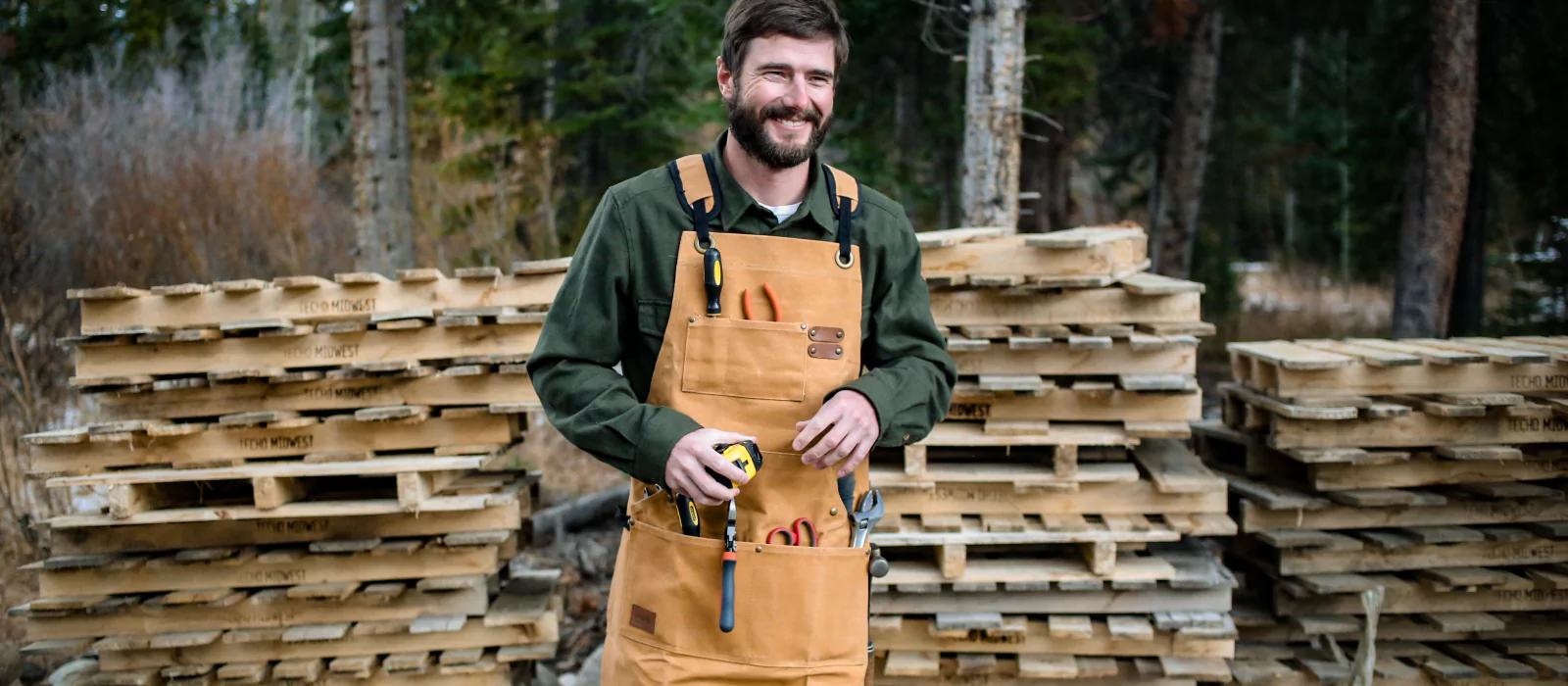
We all know that camping gear (or lack thereof) can either make or break a trip to the great outdoors. When you invest in high-quality camping and outdoor apparel, the goal is to increase personal comfort in terms of warmth, nourishment, and safety for many seasons. This guide will touch on a few helpful tips for apparel cleaning, storing, and maintenance so you’re sure to get the best bang for your buck out of your favorite items.
Table Of Contents
- Understanding Your Apparel
- Essentials of Outdoor Apparel Care
- Commonly Used Garment Materials
- Cleaning Techniques
- Drying Techniques
- Specific Material Considerations
- Stain Treatment
- Stain Removal Techniques
- Apparel Storage
- Prep
- Choosing a Storage Location
- Storage Methods
- Folding v. Hanging
- Storage Bags
- Avoid Compression
- Seasonal Considerations
- Maintenance Habits
- Intentional Use
- Conclusion
Understanding Your Apparel
Outdoor apparel has evolved tremendously over the past few decades, and there are innumerable designs in various materials for various seasons and purposes. Understanding the types of materials you will be working with is essential to maintaining gear longevity.
Essentials of Outdoor Apparel Care
- Base Layers: The base layer is arguably the most important piece of personal gear you will invest in. These are typically long-sleeved tops or legging-like bottoms made from moisture-wicking and thermal materials–like polyester or wool– as a first layer of protection against your bare skin. These materials need gentle care to retain their warming, drying properties.
- Insulation Layers: Next-up, fleece or down jackets provide a layer of insulation over the top of your base layer. These also need special attention–washing in cool water and gentle air drying to maintain their shape and insulating properties.
- Technical Jackets: This layer incorporates waterproof and windproof materials in the form of jackets to protect against the most bitter of elements. Often, they feature special coatings and membranes that require gentle cleaning methods (specifics typically detailed on garment tags) to maintain their performance.
- Pants and Shorts: Outdoor-appropriate tactical pants and shorts are designed to be durable, breathable, and flexible in order to allow for free movement during most activities. Pieces such as jogger pants sometimes have features like reinforced knees or other seams, and feature water-resistant materials. Since pants and shorts are meant to be durable, they may not require such delicate handling when it comes to washing, but you should still use cooler water when washing to maintain shape.
- Footwear: Hiking boots and trail shoes require careful, frequent cleaning to prevent quick wear and tear due to dirt, moisture, and rough use. We put our shoes through a lot, especially on rocky uneven terrain. If and when you find a tear in your shoe or a hole in your sole, move quickly to repair it so that you do not sustain further damage or injury to your foot on your next hike.
Commonly Used Garment Materials
- Synthetic fibers like polyester and nylon are commonly used in the construction of outdoor gear as they are quite resistant to tears, long-lasting, and quick-drying.
- Natural fibers like wool and canvas are often used as strong insulators and moisture-managers, as opposed to cotton which is comfortable and relatively cheap but retains moisture.
- Waterproof materials such as Gore-Tex and eVent provide awesome protection against rain, snow, and sweat while still allowing your skin to breathe.
Cleaning Techniques
Understanding the materials that your gear is made from is crucial for maintaining the performance and appearance of your outdoor apparel. Here are a few tips for cleaning the commonly used garment materials above:
- Read Manufacturer’s Care Labels! These typically include detailed, specific instructions to your garment regarding proper washing and drying practices.
- Separate Your Laundry! Prevent color bleeding and needless wear-and-tear by separating your laundry based on lights and darks and types of fabric (i.e. delicate vs. heavy duty).
- Set Your Machine Settings Properly. Use a gentle cycle with cool to cold water to prevent unnecessary damage to delicate, waterproof, or technical fabrics.
- Choose Detergents Wisely. Use a laundry detergent that is free from bleach and fabric softeners (yes, we know it’s a bummer), as these can rapidly degrade water-resistance treatments.
- Consider Hand Washing. If you choose to hand wash as it can be much gentler on fabrics, first fill a basin with cold water and a small amount of detergent. Mix together and submerge your garment, soaking for a while before rinsing thoroughly. This is a much more time-consuming practice as opposed to machine washing, but can be useful for preserving tricky garments.
Drying Techniques
- Air Drying is a helpful option when trying to avoid garment shrinking or wear and tear from being tossed in a hot machine. When air drying, be sure to shield your garments from direct sunlight as UV rays can be damaging to fibers, material coatings, and colors. Use a clothesline or drying rack to hang delicate items, or padded hangers to maintain jacket shapes.
- Machine Drying is a more common practice, especially for those of us who always seem to be on a time crunch. Never use high heat, and only choose low heat settings for items that can withstand warm temperatures without damaging their protective properties or fading their colors. These are typically garments made from synthetic materials–but check labels to confirm. If drying insulation layers, dryer balls can help restore lift to downy materials.
Specific Material Considerations
- Regularly re-treat your waterproof jackets using a Durable Water Repellent, or DWR, spray. Doing this periodically will help maintain your garments’ water resistance for many seasons.
- For down jackets, always use a front-loading washer on a gentle cycle to avoid downy insulation clumping. Always use low heat settings and dryer balls.
- When it comes to wool garments, gentle wash cycles and flat-surface drying are the way to go to avoid stretching.
Stain Treatment
If you’re spending time outdoors, you will get dirty. There’s no way around it. Knowing how to properly treat the inevitable apparel stain is essential for preserving your wardrobe for many seasons.
- Dirt and mud are the most common camping stain-causers next to food and drink spills. Oil and grease stains can come from camp cooking or equipment repairs– these guys are a little trickier.
Stain Removal Techniques
- Pre-treat! Whether you are using a stain remover or creating your paste with baking soda and water, apply the mixture to the stain as quickly as possible after it has happened. Let it stand for a while before washing–overnight if possible.
- Spot Clean. On a fresh stain, use a damp cloth and gently DAB, do not rub, to avoid spreading the stain further.
- Stains happen fast, you must be faster. The sooner you tackle the stain, the better your chances are of getting rid of it like it never even happened.
Apparel Storage
Prep
Always wash and dry your items before storing them to prevent mold, mildew, and unpleasant odors resulting from both.
Before storing, inspect your clothing for signs of wear–like frayed hems and seams, or broken zippers. Repair before stowing away.
Choosing a Storage Location
Avoid damp areas, opting for cool, dry spots for stashing clothes in order to prevent mold and mildew. A storage location that is temperature-controlled is best for fabric preservation.
Storage Methods
Folding v. Hanging
Heavier items like jackets, work aprons, and pants should be folded rather than hung to avoid stretching. Instead, hang your lighter base layers on padded hangers to preserve their shape.
Storage Bags
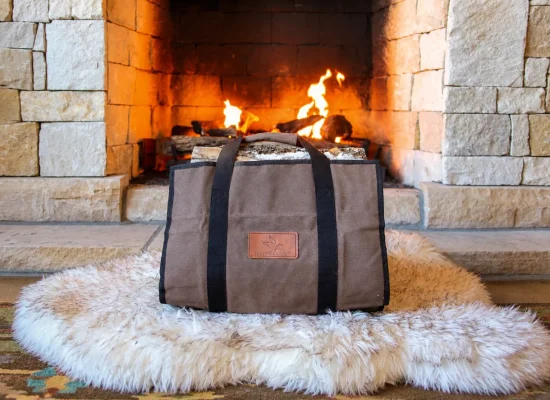
Using breathable storage bags is helpful when stashing away items you won’t use for a while, opting for materials like canvas instead of plastic which easily traps moisture.
Avoid Compression
Always store your insulated jackets loosely to maintain their shape and consistent insulation properties.
Seasonal Considerations
As the seasons change from warm to cold and back again, pack your gear away in those breathable storage bags and rotate your gear to ensure all of your items get used evenly, and maintained regularly.
Maintenance Habits
- Check seams and stitches for signs of wear and tear, and repair with fabric patches or repair tape as soon as you notice an issue. This can prevent significant future damages.
- Evaluate waterproofing and insulation by periodically testing your jackets and insulated garments’ performance.
- If you discover complex repair needs like garment re-stitching or zipper replacement, seek out professional repair services as soon as possible.
- Re-treat your waterproof garments at the close of every season, or make a habit of doing it after several washes if you feel the need. Purchase high-quality waterproofing sprays designed for your apparel’s specific construction materials.
Intentional Use
Though outdoor gear is made to withstand rough wear and extreme elements, unnecessary exposure to harsh conditions should be avoided when possible to maximize apparel use. Understand your gear’s limits when it comes to temperature and moisture thresholds to prevent premature wear and tear.
Conclusion
Properly caring for your camping and outdoor apparel is crucial for preserving its protective properties and keeping yourself well-equipped for any conditions for years to come. By understanding your materials, following proper cleaning, drying, storage, maintenance, and use practices, you won’t have to do without your go-to apparel items any time soon.




No Comment! Be the first one.