
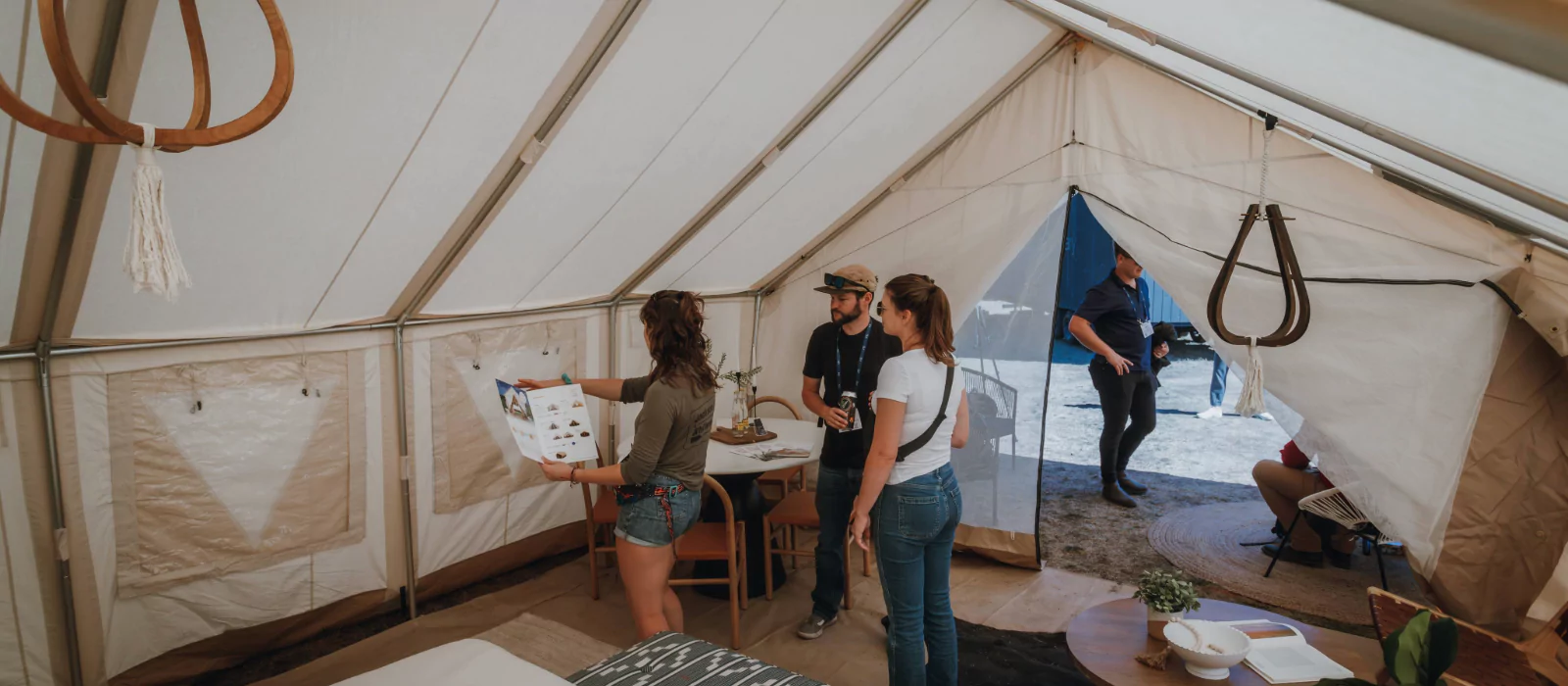
Picture this: You’re settling into your wall tent after a long day. Then you discover half the local bug population wants to join you for dinner. I’ve been there. Swatting mosquitoes while cooking, dodging flies during conversations. Not to mention losing sleep to that persistent buzz of tiny unwelcome guests.
Table Of Contents
- Why Bugs Love Your Space
- Quality Mesh Screens: Your First Defense
- Mesh Density Matters
- Pick the Right Material
- Screen Every Opening
- Start with the Obvious Spots
- Don’t Forget Hidden Areas
- Install Screens Like a Pro
- Keep Screens Tight
- Adjust for the Season
- Beyond Screens: Smart Bug-Proofing
- Pick Your Campsite Wisely
- Use Smart Lighting
- Keep On the Upkeep of Your Screens
- Check Screens Daily
- If It’s broken, Fix it
- Layer Your Defenses
- Add Chemical and Natural Help
- Create Physical Barriers
- Work with Your Tent’s Systems
- Match Heating Systems
- Weather Protection Integration
- Think Like a Bug and Stay Outdoors
The good news? Creating bug-proof wall tents isn’t hard. You just need the right approach and quality mesh screens.
Your wall tent should be your wilderness sanctuary, not a bug battleground. With proper mesh screens and smart techniques, you can keep creepy crawlies out. The best part is that you’ll still enjoy fresh air and natural ventilation. Let me show you how to create the perfect bug-free camping experience.
Why Bugs Love Your Space
Let’s understand what makes your tent so attractive to insects. Tents are roomy and spacious, especially if you’re pitching a wall tent. They have multiple entry points like windows and vents for access. These features make tents comfy for humans. They also create opportunities for bugs to sneak inside.
Most insects want three things: light, warmth, and carbon dioxide from your breath. Your lit-up wall tent becomes a beacon. It draws every moth, mosquito, and beetle within half a mile. Add cooking smells and body heat and you’ve created an insect paradise.
Here’s the key: prevention beats elimination every time. Once bugs get inside your tent, getting them out is frustrating. It’s like playing whack-a-mole. The best offense is a good defense, so start with smart mesh screen placement to stop the problems before it starts.
Quality Mesh Screens: Your First Defense
Not all mesh screens are created equal. The best mesh screens for wall tents balance protection, airflow, and durability. Choose wrong and you’ll regret it.
Mesh Density Matters
Fine mesh has 18-20 holes per inch. It stops mosquitoes, gnats, and no-see-ums. Those tiny biters can slip through bigger holes. On the other hand, ultra-fine mesh blocks airflow, which defeats the purpose of opening windows and doors.
Standard mesh works best for most camping. It has 14-16 holes per inch and blocks most flying insects while keeping good ventilation. It’s perfect for wall tent accessories like window screens and door panels.
Pick the Right Material
Fiberglass mesh is cheap and light. But it tears easily, especially where it attaches to frames. Another alternative is aluminum mesh. It costs more but lasts longer. It won’t rust in wet conditions either. For tents that see heavy use, aluminum is worth it.
Some modern wall tent accessories use hybrid materials. They combine aluminum wire cores with protective coatings. You get tear resistance and flexibility in one package. Your needs might be different than others, so consider usage, price, and your camping location when picking out your mesh screens. I live around no-see-ums so I sacrifice a little airflow for protection from those minute munchers.
Screen Every Opening
Creating bug-proof wall tents means protecting every entry point. You can’t just screen doors and windows. Think about how air moves through your tent. Let’s think about where insects might find openings.
Start with the Obvious Spots
Doors and windows are your main defense. These big openings need the best screens. Many people only screen windows and think it’ll be okay to leave doors open during cooking or socializing. Big mistake.
Try a double-door system where the outer door stays open while an inner mesh door keeps bugs out. This gives maximum airflow with full protection. Perfect for hot summer evenings when you need every breeze.
Don’t Forget Hidden Areas
Wall tents need good ventilation to prevent condensation. Roof vents and floor gaps need mesh too. People often overlook these areas. But they become major bug highways.
Watch corners and seams where fabric pieces meet. Even small gaps let tiny insects inside. Quality wall tent accessories include special screens for these spots.
Install Screens Like a Pro
Having great screens means nothing if they’re installed wrong. I’ve seen a few sleepless nights ruined by loose screens. They gap, sag, or come loose at the worst times and let every critter creep on in.
Keep Screens Tight
Mesh screens must be pulled taut to work well. Loose, sagging screens create gaps along the edges where insects can slip right through. Loose screens also catch on clothes and gear leading to tears and damage to the screen and your clothes.
Most quality wall tent accessories include tensioning systems. White Duck Outdoors makes guy ropes and metal runners that will keep all your screens secured in place with proper tension. Get a rubber mallet and some extra stakes as well, you can’t go wrong. Also, take time during setup to get everything guy lined in place and check them daily for loosening.
Adjust for the Season
Different seasons need different approaches. Summer demands maximum ventilation. Screen every possible opening. Spring and fall might allow selective screening based on local bug activity.
When the chill comes in winter you’ll want to remove some screens. This prevents ice buildup while maintaining ventilation around heating sources.
Beyond Screens: Smart Bug-Proofing
Creating bug-proof wall tents involves more than just screens. So mart campers will use multiple layers of defense to ensure a truly comfortable outdoor experience.
Pick Your Campsite Wisely
Your first defense starts before you unpack your wall tent. The right campsite can dramatically reduce bug pressure. It makes your screens more effective too.
Avoid camping near standing water. This breeds mosquitoes and other biters, and honestly, it can stink, and it’s just gross. Look for breezy spots where natural air movement keeps flying insects away. Higher elevations often have fewer bugs, though this varies by region and season.
Clear brush and tall grass around your tent. Insects hide in these areas during the day. A clean perimeter also makes the bugs travel a bit further. They can’t just hop from the brush to your tent wall.
Use Smart Lighting
Smart lighting works with your screens to create better barriers. Position bright lights away from your wall tent. This draws insects to other locations. Use red or yellow lights inside the tent. These colors are less attractive to most flying insects.
Try creating a “bug zone” with bright lights 50-100 feet from your tent. This draws insects away from your camping area. It reduces pressure on your screen defenses.
Keep On the Upkeep of Your Screens
The best mesh screens for wall tents need regular care to stay effective. Like any outdoor gear, screens face constant challenges. Weather, wildlife, and normal wear will take their toll.
Check Screens Daily
Make screen inspection part of your camp routine. Look for tears, loose attachments, or debris buildup. Small problems caught early are much easier to fix. Major failures discovered at bedtime are no fun. Everything seems to fall apart when you’re most tired.
Clean each of your screens regularly with a soft brush, preferably after each campout. Make sure to remove dust, pollen, and spider webs that can clog mesh openings. This will help maintain airflow. In dusty conditions, daily cleaning might be necessary.
If It’s broken, Fix it
Carry a screen repair kit as part of your wall tent accessories. With that, small tears can be patched with repair tape but be sure to apply the tape from both sides. In cases of larger damage, you might need to cover the section with a solid piece of fabric until you can make permanent repairs later.
Some basic sewing skills will go a long way in reattaching loose screens to frames. A few simple stitches can extend screen life significantly.
Layer Your Defenses
It’s a battle out there, but seasoned veterans know that bug-proof wall tents need layered systems. Screens are the main barrier, but additional measures create backup protection. They handle cases where screens alone might not be enough.
Add Chemical and Natural Help
Use insect repellents with quality screens for extra protection around tent entrances. High-traffic areas benefit too. Natural options like citronella candles work without harsh chemicals and essential oil diffusers create barrier zones.
Permethrin-treated clothing provides long-lasting protection. It works even when screens are temporarily opened. This treatment bonds to fabric fibers and can repel insects for weeks. This is a great idea for extended camping trips.
Create Physical Barriers
Some wall tent fans create air curtain systems. Let me explain. Use small fans near main entrances. Moving air makes it hard for insects to enter. This works when doors are temporarily opened for loading gear, removing wet or dirty clothes, or cooking. With that in mind, mud rooms also provide a buffer zone. Wall tent accessories can create these spaces, like a canvas porch. White Duck Outdoors makes a canvas porch that attaches to their Alpha Wall Tent, and it is a game changer. People can transition in or out without exposing the main tent to bugs.
Work with Your Tent’s Systems
Modern wall tent accessories work as integrated systems. They’re not standalone parts. Your mesh screen choices should work with heating, ventilation, and lighting systems. This gives optimal comfort and function.
Match Heating Systems
Wall tents with wood stoves need special screen considerations. Heat can damage certain screen materials and poor ventilation around heating creates safety hazards.
Plan screen setups that provide adequate fresh air for indoor fires. Keep insect protection too. Some wall tent accessories include special screens designed for heating systems.
Weather Protection Integration
Screen systems should work smoothly with rain flies and storm panels. The best setups allow for quick transitions. You can go from full weather protection to maximum ventilation. Never compromise bug-proof abilities.
Think about how screens work with guy lines, stakes, and structural elements. Well-designed wall tent accessories account for these interactions. They provide solutions that work in all conditions.
Think Like a Bug and Stay Outdoors
Creating bug-proof wall tents takes attention to detail and quality components. Smart camping practices matter too. The right mesh screens, properly installed and maintained, transform your shelter. It goes from battleground to peaceful retreat.
Whether you’re planning a weekend trip or an extended backcountry expedition, invest in proper bug protection. The comfort and enjoyment benefits are huge. Remember that the best system is one you’ll actually use consistently. Choose wall tent accessories that match your camping style and commitment level. Then use them for reliable, long-term protection against unwanted insect visitors. We’re not going to quit going outdoors, and the bugs aren’t going away, either. So, plan ahead, and spot me through the bug screen.



No Comment! Be the first one.