

Tents have been around for centuries, offering people shelter from the elements and a reliable retreat in the great outdoors. With such a long history, their evolution over time has been inevitable. Campers and outdoorsmen can now choose from a variety of camping tents, from ultra-modern performance tents to more traditional canvas shelters. With so many choices, it can take time to understand the distinct differences between them all. Today we’ll break down what separates modern tents from traditional canvas tents, starting with a brief history before delving into the variances between the two. Let’s get started!
Table Of Contents
- The History of the Canvas Tent
- The Synthetic Revolution and the Emergence of Modern Tents
- How Traditional Canvas Tents and Modern Tents Differ
- Fabric and Materials
- Size and Space
- Popular Tent Shapes
- Weight and User-Friendliness
- Weather Resistance and Sturdiness
- Affordability and Cost
- Common Use Cases
- Which Tent Is Right for Your Camping Trip?
- Wrapping It Up
The History of the Canvas Tent
The first camping tents uncovered by archeologists date back to around 40,000 years ago. These ancient shelters were made from animal hide, mainly from mammoths. Canvas tents didn’t appear until many centuries later, around 600 AD in what was then the Byzantine Empire. These shelters were essential to ancient militaries on the move. Since then, canvas tents have been employed across civilizations and eras, used by tradesmen on the Silk Road, European explorers during the Renaissance, and modern armies during both World War I and II. Coming into modern times, American Boy Scouts and Girl Scouts turned these traveling and military staples into leisure camping shelters.
Fast forward to today and canvas tents are still used and loved by outdoorsmen for many purposes, from hunting trips to family glamping adventures. While modern tents took over a large portion of the market upon their invention, the robust benefits of canvas tents have helped them stay relevant during the evolution of camping tents. Canvas tents have also evolved in their own ways, making use of contemporary manufacturing practices and materials to create more durable, better-performing tents that are modern in their own right.
The Synthetic Revolution and the Emergence of Modern Tents
The 1970s saw a perfect storm for the evolution of the camping tent. There was a huge uptick in the popularity of camping at the same time fabrics were being revolutionized. This led tent manufacturers to experiment with synthetic materials, like nylon, in the construction of camping shelters. These new fabrics and materials allowed camping tents to maintain weather resistance and durability while becoming extremely lightweight and easy to use. Thanks to their quick popularity, mass production of modern tents began. For today’s purposes, we’ll use the term modern tents to refer to these innovative tents that utilize the synthetic fabrics of the material revolution of the 1900s.
How Traditional Canvas Tents and Modern Tents Differ
Aside from when they became popular, there are many important differences between a traditional canvas tent and a modern tent. Read on for a complete comparative guide.
Fabric and Materials
The most notable difference between traditional canvas tents and modern tents is the fabrics and materials used in their construction. Canvas tents typically use a thick and durable cotton canvas material, often complete with important treatments like water repellence and UV protection. In addition to this, you’ll notice the frame and structure of canvas tents to be made from heavy-duty, anodized steel or aluminum poles. On the flip side, modern tents are made from lightweight yet durable synthetic fabrics, like nylon and polyester. To maintain this lightness, poles are made from lightweight variations of aluminum or carbon fiber.
Size and Space
While the size of tents varies greatly depending on the manufacturer, traditional canvas tents are commonly the larger option between traditional and modern tents. On average, canvas tents can accommodate upwards of 16 campers, offering unmatched capacity and spaciousness. Modern tents tend to hold 1-6 campers on average, though some variations can hold up to 12. For this reason alone, canvas tents are easily the better option for glamping, while modern tents are suited better for small-group camping.
Popular Tent Shapes
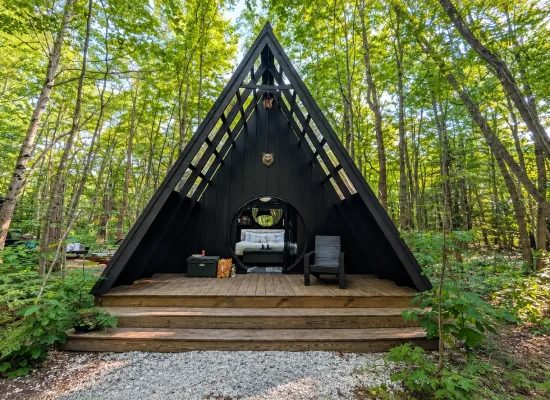
Both canvas tents and modern tents take on many shapes, though there’s little overlap between the two. When shopping for traditional canvas shelters, you’ll find shapes including the wall tent, cabin tent, yurt tent, scout tent, pyramid tent, and the classic bell tent. Modern tents take on different shapes, including the dome, geodesic, A-frame, bivy, and tunnel tent. The designs of canvas tents lend them to being more spacious, while modern tent shapes prioritize aerodynamics and ease of use.
Weight and User-Friendliness
As we’ve touched on, modern tents are the lighter-weight option thanks to their synthetic materials. This makes them easier and quicker to pitch in comparison to canvas tents. Between the minimal weight and speed of set up, modern tents are the go-to for backpackers. On the other hand, the heavy weight of canvas tents makes them better suited for glamping and long-term camping expeditions where the shelter needs to maintain sturdiness. This heavyweight of canvas tents also makes them a bit more difficult to pitch, often requiring more than one set of hands.
Weather Resistance and Sturdiness
Both canvas tents and modern tents offer weather resistance thanks to innovations in materials and processes. While cotton canvas is not naturally waterproof, modern treatments like water-repellent coatings help canvas tents perform well in rain and snow. The synthetic materials of modern tents are naturally waterproof, helping to protect campers from precipitation. The important difference here is each tent’s sturdiness. Because of the heavy-duty materials of canvas tents, they naturally perform better in harsh weather conditions, especially in the winter season. Many modern tents, on the other hand, offer less successful protection from strong winds and heavy snow.
Affordability and Cost
The price of camping tents varies greatly, depending on the size and shape of the tent, the quality of materials used, the features present on the tent, and the brand name. That being said, canvas tents tend to be more expensive than modern synthetic tents, often running consumers thousands of dollars. This is largely due to their size and heavy-duty materials. Modern tents are usually the more affordable option, costing as little as $30 at some retailers.
Common Use Cases
Because of their size and sturdiness, canvas tents are best suited for glamping, hunting, large group camping, and winter camping. Modern tents are more attractive for traditional family camping, backpacking, and small groups thanks to their user-friendliness and lightweight.
Which Tent Is Right for Your Camping Trip?
The right tent for you will largely depend on the type of camping trip you plan. If you’re traveling with a ton of camping gear or equipment in general, the spaciousness of a canvas tent will come in handy. If you want to create a luxurious experience and make use of tent accessories like awnings or porch extensions, go with canvas – especially for glamping experiences. If winter camping is calling you, 4-season canvas tents will ensure you stay safe and comfortable in the cold-weather elements. Plus, canvas tents are usually compatible with tent stoves, unlike modern synthetic tents.
For backpackers or backcountry campers who plan to carry their gear far, the lightweight quality of modern tents will likely be the most important factor in your decision. Modern tents are also a great option for first-time campers or those planning a solo excursion thanks to how easy these shelters are to pitch.
Wrapping It Up
The rich history of camping tents has resulted in many variations and innovations throughout the years. Although traditional canvas tents date back to ancient times, they’ve stood the test of time thanks to their unwavering benefits in the outdoors. With the invention of synthetic fabrics like nylon and polyester came huge changes to camping tents. These important innovations created shelters that were more portable than ever before, without sacrificing performance in the elements. Now, campers get the luxury of choosing between traditional canvas tents and modern tent alternatives. Understanding the key differences between the two can help you make the most informed decision about which tent is right for your next camping trip. Whether you’re embarking on a seasonal hunting expedition or trekking through the mountains on a backpacking trip, you can rest assured that there’s a shelter that can meet your unique camping needs.





No Comment! Be the first one.