

In the outdoor industry, there are many different types of tents to choose from. There are canvas cabin tents, wall tents, outfitter tents, backpacking tents, winter tents, four-season tents–the list goes on and on. However, most tents do fall under two different categories for their frames. You can choose a pole tent vs. a frame tent. Both offer unique advantages and cater to specific needs. We are here to delve into the pole tent vs. frame tent debate and help you figure out which type is best for you and your needs.
Table Of Contents
- Pole Tent vs. Frame Tent: Know the Difference
- Pole Tents: A Timeless Classic
- Advantages of Pole Tents
- Considerations for Pole Tents
- Applications for Pole Tents
- Frame Tents: Modern Convenience and Flexibility
- Advantages of Frame Tents
- Considerations for Frame Tents
- Applications for Frame Tents
- Criteria for Choosing the Right Style Tent
Pole Tent vs. Frame Tent: Know the Difference
Although it might not seem like there is much of a difference between these two tent styles, there are important differences between pole and frame tents. Pole tents feature a center pole that serves as the structure’s primary support. Pole tents normally have a peaked middle, due to the central pole, and also need to be staked into the ground to remain stable. Frame tents, on the other hand, do not have central poles, and do not need to be staked into the ground. Let’s dive a little deeper below.
Pole Tents: A Timeless Classic
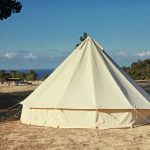
Pole tents, such as canvas cabin tents and canvas wall tents, are the most common type of tent. They have been around for centuries, and they remain a popular choice for various outdoor uses. Here are the defining features:
- Structure: The tent is supported by a central pole or multiple poles which creates a high peak or peaks and a sloping roofline.
- Material: These tents are normally made of durable canvas and mesh, but can also be made of more synthetic materials.
- Setup: For a pole tent to be secure, it must be staked down and the poles must be secured.
- Ambiance: The Pole tent creates a cozy and inviting atmosphere, ideal for weddings, festivals, or glamping.
Advantages of Pole Tents:
Pole tents have a lot of advantages for their users. Besides being absolutely adorable and creating a magical, fairy-like aesthetic, they are very cost-effective and generally cost less than frame tents. They are the more budget-friendly option. Because this style provides so much ceiling space, it can be used for a variety of events and activities. What’s more–you can get massive ones! Pole tents come in various sizes, with some reaching impressive lengths of over 200 feet. The stakes make a pole tent relatively stable, and it can therefore withstand a variety of weather conditions and climates.
Considerations for Pole Tents:
Pole tents can be difficult to set up. (Did someone say, “instruction manual”?) Be prepared to gift your friends a few beers for their help setting up a larger pole tent beast. Plus, they have limited options regarding where they can be set up. They typically require a grassy area for staking. If you are using a canvas tent, be prepared to deal with the wear and tear: they require regular cleaning and waterproofing to maintain their longevity.
Applications for Pole Tents:
- Camping: Perfect for creating a base camp with a rustic feel.
- Backpacking: Smaller, lightweight pole tents are suitable for wilderness adventures.
- Hunting: Provide a comfortable and secure shelter for hunting trips.
- Festivals and Events: Create a vibrant atmosphere for outdoor gatherings and celebrations.
- Weddings and Glamping: Offer a unique and romantic ambiance for special occasions.
Frame Tents: Modern Convenience and Flexibility
Frame tents, also known as outfitter tents, are a contemporary take on tent technology. Unlike pole tents, they offer this unique set of characteristics:
- Structure: The frame tent is supported by a prefabricated aluminum or steel frame, eliminating the need for center poles. This can lead to more flexibility and diversity in their structure.
- Material: Frame tents are typically made of waterproof synthetic fabrics like polyester or PVC, creating the benefit of fabulous weather protection from the elements.
- Set Up: Frame tents are typically easier to set up, due to the frame being somewhat preassembled.
- Clean Lines: Frame tents have a sleek and modern aesthetic, ideal for corporate events and formal gatherings.
Advantages of Frame Tents:
Frame tents are quick to set up, due to their preassembled frame. When you get a frame tent, you can easily pop it up, so they are easier to assemble on their own. Since they lack center poles, you can maximize the space used in the tent without obstructions. Get ready to dance the night away without anything in your way! Frame tents are also more stable, more versatile, and better for longer use than pole tents.
Considerations for Frame Tents:
Frame tents generally cost more, due to their complex design and more expensive materials. They are also harder to set up completely on their own, so a professional setup is recommended for large-frame tents. (They can be quite intricate!) Finally, frame tents aren’t typically as lengthy as pole tents because they just don’t have that center pole to support the length.
Applications for Frame Tents:
- Smaller Events: Frame tents are perfect for smaller, fancier events. The clear interior and wind resistance make them perfect for weddings, parties, and corporate functions.
- Long-Term Use: If you need a tent for a long period of time (mother-in-law getting in your way but she is planning on staying for months?) then a frame tent is perfect for you.
- Emergency Shelters: Frame tents are often used by relief organizations to provide temporary housing after crises.
- Sporting Events: During sporting events, frame tents can be used as concession stands to sell food and drink.
Criteria for Choosing the Right Style Tent
- Surface Type: To make sure you have the right tent, think about the surface that you will be putting it on. The tent will need to be stable (you don’t want to blow away while you are inside of it!) and pole tents work better on grass or any other surface that can accept stakes.
- Length of Event or Trip: Frame tents are more commonly used for long-term events, as they often need professionals to set them up. So, if you are only going to need the tent for a short period, you may want to consider a pole tent.
- Space: Do you need a long tent or a short one? A tall one or one without obstructions in it? These are all questions to consider when choosing your tent.
- Budget: Think about what you can afford in regard to your tent. Frame tents tend to be more expensive, and pole tents more affordable, so this may factor into your decision.
With a tent, you can transform your event into an unforgettable experience! Tents aren’t just coverings; they’re canvases for creating a magical atmosphere. Picture billowing fabric casting dappled light on a summer wedding, or twinkling string lights illuminating a cozy autumn gathering. Tents offer a unique space to celebrate, sheltered from the elements yet open to the beauty of the outdoors. And when it comes to tent selection, you have two main choices: the classic pole tent or the versatile frame tent. Each offers distinct advantages to suit your specific needs and occasion. Either one is sure to set the perfect stage for your event.



No Comment! Be the first one.