

A major dilemma that most campers will come across at some point is whether to use a tarp vs. a tent footprint for extra protection beneath their tent. Here, we’ll discuss what these two groundcovers are, and which of the two might be a better option for you depending on the type of tent you have, the terrain you are camping on, and
Table Of Contents
Why Do I Need A Groundcloth?
Covering the ground beneath your tent’s bottom is essential to ensuring that your tent lasts through many seasons and many camping trips. Sticks, rocks, and prickly vines that cover the forest floor can easily rip through your tent, causing leaks and other issues down the line. Beyond tears, prolonged rubbing on sandy, rocky soils will wear your tent bottom thin if it rests unprotected on the bare ground.
Water from the soil can easily seep into your tent without the protection of a ground cloth like a tarp or tent footprint, dampening all of your sleeping gear. This is not only an annoying discovery but can be especially dangerous in the wintertime when a gradual moistening of your bedding and clothing can easily lead to hypothermia.
Ground cloths are essential for comfort’s sake, too, as they can cushion painful lumps and bumps presented by rocks and sticks lying underneath your tent. No matter the season, ground temperatures can turn chilly at night, and having the extra layer of insulation provided by a tarp or tent footprint can help you and your tent companions stay warm and cozy.
What Is A Tarp?
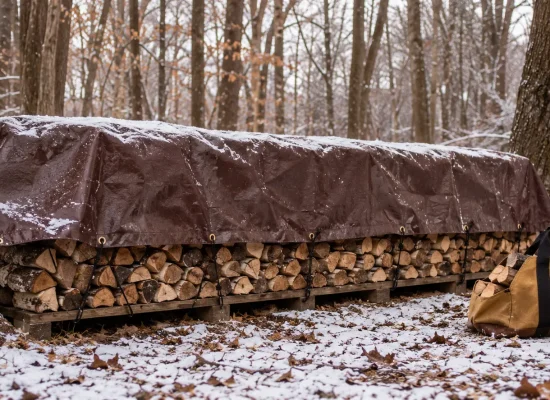
Tarps are a classic camping essential that can serve as ground cover beneath your tent to keep water from seeping in, but can also be hung high above your camp to serve as a shelter of its own or a double layer of protection against surprise rain or snowstorm. Tarps are typically thick, heavy sheets of material but can be easily folded into a duffel bag and transported to camp.
Poly tarps are extremely heavy-duty, all-purpose, all-season tarps designed to keep your gear safe and dry no matter the weather. Poly tarps are made from ultra-strong, reliable polyethylene material–essentially tough plastic–and coated with water, mold, mildew, and rot proofing, as well as extra UV protection against fading.
Cotton canvas tarps are another great option for breathable, year-round, weatherproof camping gear protection. Canvas tarps have waterproof properties like poly tarps, but tend to hold up for much longer as they allow for moisture evaporation that reduces rust and rot. They are heat-resistant and very difficult to tear, making cotton canvas tarps ideal for use as a barrier between the bottom of your tent and even the roughest of ground surfaces.
Benefits of Using a Tarp
Tarps are extremely versatile. They can be used as a protective layer placed underneath your tent to keep dirt, debris, water, and bugs from making their way inside. Tarps can also be used to create a makeshift shelter, protecting your gear from falling moisture and even preventing the cookfire from going out when it rains or snows.
Tarps, being the heavyweight champs they are, last a very long time with proper care. We never leave for a camping trip without at least one! Tarps are an essential piece of camping equipment before and after the trip is over, too. When you return home, you can use a tarp to cover all of your camping gear in its storage space to protect it from weathering and damage.
Drawbacks to Using a Tarp
Choosing a tarp can sometimes mean quite literally choosing the heavier option. The more durable a tarp is, the more it will weigh, and while on its own this may not seem like much, factoring in all of the other tent accessories you may have to carry could be the deterring factor from choosing to purchase a poly tarp.
Tarps are generally one-size-fits-all, meaning there is a good chance your tarp will stick out from the sides of your tent bottom. While this is not a problem if the weekend forecast is looking sunny and dry, there is a possibility that excess tarp will pool rainwater rather than wicking it away from your tent–which is a big part of the goal of having a ground cloth.
What Is A Tent Footprint?
A tent footprint, unlike a tarp which has many uses, is specifically made as a ground cloth to be used between the surface of the earth and the bottom of a tent. It can be hung overhead as a rain shield in desperate times, but typically, a tent footprint perfectly fits the design of your tent bottom and can even be anchored to it. Typically, tent footprints are made of more lightweight, moisture-wicking materials and are ideal for easy transport and warm-season camping.
The best tent footprints are most often constructed from materials such as laminated polyethylene and include galvanized steel pegs for stability.
Benefits of Using a Tent Footprint
Much like a tarp, the tent footprint primarily protects your tent from invasive moisture, rocks, and twigs that could cause damage to your tent. Tarps, however, are typically much larger than the area of the tent bottom– tent footprints are designed to match perfectly to increase their rainproof capabilities.
Not only does choosing a ground cloth that is flush with the bottom of your tent prevent rainwater from pooling, but also keeps your tent bottom clean. We are big fans of being able to easily pack up and go home after a long weekend without having to worry about extensive drying or cleaning processes.
Finally, choosing a tent footprint vs. a tarp means having a guide for pitching your tent! Because your footprint is made to perfectly match the outline of your tent’s base, after you place the footprint, you will have a clear idea of where your corners, stakes, and pegs will need to land. This will save you time and energy that can be better used relaxing in nature.
Drawbacks to Using a Tent Footprint
Purchasing a tent footprint vs. a tarp might seem like a wasted effort if you tend to camp predominantly in sandy areas or those with dense, lush grasses.
Tent footprints, because of their specialty design and luxury lightweight materials, are usually slightly more costly than a multipurpose tarp. If you are looking to invest in quality camping equipment on a budget, perhaps a tent footprint is not the best place to start. Purchasing an inexpensive poly tarp first might be a good trial run, especially if you are a beginner camper who is not yet sure of your preferences.
Which Should You Choose?
If you are a warm-season-only camper with a roomy budget, purchasing a tent footprint might be the best choice for you. This way, you can prolong the durability of your tent by protecting the bottom of your dwelling from wear and tear, while reducing the amount of extra weight you have to pack around. Tent footprints are also a great choice for campers who value comfort, organization, and simplicity since they act as a perfectly sized waterproof landing pad for your dwelling as well as your gear–and keep everything clean from setup to takedown.
Choosing a tent footprint vs. a tarp might be a money-saving option if your tent already has damage on the bottom, as it essentially functions as a protective outer skin. You may also choose to purchase not only one but two tent footprints for your damaged tent floor– one to layer inside, and one to layer between the ground and your tent floor.
On the other hand, if you are a bargain seeker camping in an area prone to high humidity or heavy precipitation, it may be in your best interest to purchase both a poly tarp and a canvas tarp no matter the season– one to protect your tent from moisture and one to hang overhead. If you are looking to make one single investment into a good multipurpose ground cloth for all-season camping, you may choose to invest in a good poly tarp for insulation and protection.
In some circumstances, tarps can be set up as standalone shelters all by themselves. If you are going on a backpacking trip and looking to minimize the amount of gear you have to lug around, a couple of multipurpose poly tarps or canvas tarps are a great investment instead of a tent altogether.
Final Thoughts:
When it comes to the tent footprint vs. tarp dilemma, it ultimately all comes down to regional climate protection, budget, personal camping style, and preferences. Tent footprints might be a perfect choice for those who are willing to spend a bit more for a perfect fit. Tarps might be the best option for the multi-purpose camper. Whichever ground cover you choose, the most important piece to the puzzle is ensuring that your tent stays dry, comfortable, and damage-free– a goal easily accomplished by either of these options.





No Comment! Be the first one.