

Welcome to the world of camping! The great outdoors is a wide open welcoming space for everybody to connect and reconnect, and there’s no better time to get started than now. The following blog post is our ultimate camping guide for you beginners, covering everything from picking your location to gear recommendations
Table Of Contents
- Go With Friends!
- Where Will You Go?
- Before You Go
- How Will You Get There?
- Packing List
- 1. Navigation
- 2. Sun Protection
- 3. Insulation
- 4. Illumination
- 5. Fire
- 6. First-Aid Kit
- 7. Repair Kit & Tools
- 8. Nutrition
- 9. Hydration
- 10. Emergency Shelter
- Equipment
- Tent
- Organization
- Stove
- Extras
- Campfire Essentials
- Bear Spray
- Bug Spray or Citronella Candle
- Card Games & Activities
- Leave No Trace
Go With Friends!
Our first recommendation is to go with a group! If you are just starting out with limited or no camping experience, we highly recommend camping with at least one other experienced camper. Make sure this is someone that you trust and feel comfortable communicating with. Nature is a place where you come face to face with conflict resolution and problem-solving. Should anything go away, it’s great to lean on each other to figure things out. Having a buddy there to help along the way is ideal! An experienced camper can impart not only some wisdom and reassurance but also add to the fun and adventure of being outside.
Where Will You Go?
The most fun part of camping– and the reason we all want to do it– is choosing where you get to go. Whether you want a lowkey, classic drive-up experience, or you want to trek with nothing but your backpack out to the destination saved on your Pinterest board– the world is your oyster!
As you’re deciding on a spot, it’s a good idea to start small and local. Try out an easy-to-access designated campsite, where you have more amenities and neighbors. This is a safe space to test out your camping gear, get comfortable with your sleeping setup, and practice pitching and tearing down your tent. It’s also fairly inexpensive to rent a space.
Before You Go
Do your research! There are lots of online forums and apps that can help you stay up to date on weather and campsite conditions and reviews. These are super helpful when deciding what you may need to bring. You may be all set to go and then read a review left the day before saying the mosquitos were terrible! Don’t let that deter you, but now you know to bring bug spray!
How Will You Get There?
There are so many ways to get to where you’re going! Will you be driving? Backpacking? Trekking for any length of time? Keep the weight of what you pack in mind. If you’re driving into a spot, make sure your vehicle fits within the limitations
Packing List
The 10 Essentials is a list you ought to familiarize yourself with. This will be the 10 building blocks of camping gear you need to pack for a safe and secure trip. According to the National Park Service, the list goes as follows:
1. Navigation
You may be able to download the map of your trail or campsite on your phone to use offline, but in the spirit of staying logged off– and on the off chance you’re unable to use your phone– have alternative, reliable sources of navigation.
Something like a paper map, GPS, or a compass at the very least.
2. Sun Protection
A MUST! Dealing with a painful, itchy sunburn while you’re away from home is a nightmare– not to mention irrevocable damage to your skin. Even on cloudy days, UV from the sun is very powerful. A brimmed hat, sunblock, UPF shirts and pants, sunglasses, and even SPF lip balm are all great ideas to have on hand. Bring your sun gear so you can reap the benefits of vitamin D while staying safe!
3. Insulation
This refers to insulating clothing layers. Having a rain shell (that can double as a windbreaker), a light fleece, thermal underwear, a hat, and gloves if necessary. The NPS recommends bringing an extra layer of clothing that reflects the most extreme conditions you could face that season in your destination.
Pro tip: when packing clothes, look for items made with merino wool. This is an awesome natural material that aids in odor control and temperature regulation. Merino socks are incredible for comfortable hiking and blister resistance!
4. Illumination
If you’re new to camping, you may be amazed by just how dark it can really get at night. Truly, the stars and moon are the only illumination around, and the rest is up to you. Have a flashlight, lantern, and headlamp with you. And don’t forget extra batteries!
5. Fire
This is a crucial skill to learn either before your first camping trip or learn from experienced friends at a campsite. Fire provides warmth, light, and heat to cook.
In the summer there are often burn bans due to extreme heat.
Check with the ranger station what the status is for burning fires in the area.
Never light a fire before knowing what the rules and regulations are at your campsite, and never make a fire during a burn ban!
6. First-Aid Kit
Minor injuries can become major concerns if left unattended. Especially away from normal amenities, pharmacies, and urgent care, it’s important to at least have a few items on hand to offer immediate solutions and relief. Having an understanding of how to use the items in your kit is crucial as well. You can build one yourself, or purchase a lightweight premade one. Note that each camper should have their own small first aid kit to help themselves, and to help others.
7. Repair Kit & Tools
Duct tape, scissors, a knife, a screwdriver, and a multipurpose tool are great things to have in a kit. You never know when you might need to repair a tent pole on the fly or need something to help open a stubborn jar!
8. Nutrition
Bring easy-to-prepare, simple ingredients or premade meals. Nonperishable foods are great to have on hand. Pack more food and snacks than you think you’ll need. Seriously, like a full day’s worth of extra food. You may surprise yourself with the appetite you’ll work up after a day of exploring!
9. Hydration
Bring a water bottle or water bladder. Some campsites with amenities have a water spigot where you can refill, but always bring an extra jug of purified water. Don’t forget to bring some sort of water filter or iodine (that you have tested before ever leaving) to ensure clean safe water. Bring electrolyte packets as well! These weigh almost nothing and seriously enhance the effectiveness of hydration in your body.
10. Emergency Shelter
In the case of an emergency, a plan for shelter is one of the most important things to have. Emergency shelters can be lightweight and easy to pack. Do your research on what piece of equipment seems like a good fit for potential extreme conditions you may face.
Equipment
Tent
Depending on what time of year you’re going camping, your shelter situation may look different from season to season. For starting though, we recommend investing in a 4 season tent because this has been created to support you in all seasons and conditions. These are typically heavy-duty, often canvas tents that are both treated for UV protection and waterproofed. These qualities not only preserve the well-being of the tent itself, but they also assist with temperature regulation– both holding in heat and keeping you cool.
Don’t forget to bring a tent footprint as well as a rain fly. You can think of these as the foundation and roof of your tent! For installation, pack extra guy lines and stakes.
Organization
As you’re packing, consider utilizing packing cubes, duffle bags, airtight containers, and canvas bags. These are so helpful in keeping things clean, dry, and organized. This also protects any special equipment and gear you may be bringing for various activities.
Stove
If you’re not planning on cooking over a fire, bringing a little camp stove or tent stove is great! If you’re camping in a 4 season tent, it may have a stove jack so you can easily and safely use a stove inside. You’ll have to decide whether you want to use a propane or wood burning stove. White Duck has lots of information on using different types of stoves we recommend reading before you decide.
Extras
Campfire Essentials
What’s a camping trip without a cozy campfire? Don’t forget your skewers, marshmallows, chocolate, and graham crackers!
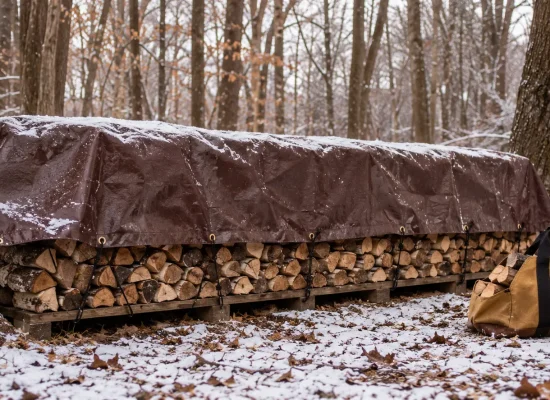
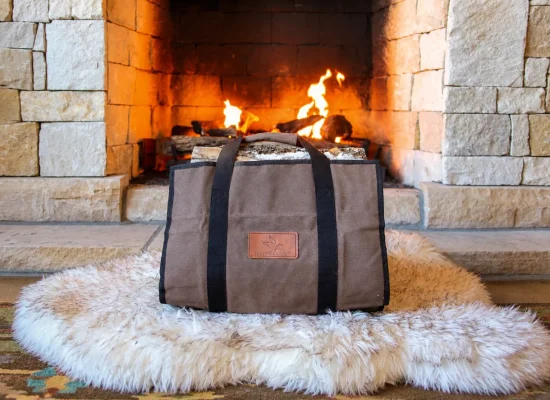
Pro tip: use a canvas firewood carrier to keep wood dry (very important) and to keep it from toppling everywhere.
Bear Spray
Trust us, you never know when you might need this!
Bug Spray or Citronella Candle
Having some sort of bug resistance in your camping setup takes up almost no extra space and is well worth bringing along.
Card Games & Activities
Cozy fireside nights are the perfect scenario for having fun. When you’re not moving around adventuring, there are endless opportunities for entertainment with a simple deck of cards, travel-size board games, night-sky maps, and star-gazing guides. Don’t forget your daytime activities like a sketchbook, camera, and books to read.
Leave No Trace
Perhaps the most important set of principles to take with you every time you go outside is Leave No Trace. LNT embraces ethical stewardship towards the natural environment to ensure a clean, healthy, minimal impact outside. This way, nature continues to thrive and be a beautiful space to continue sharing for generations to come.
Practically, it’s these 7 steps:
- Plan ahead and prepare
- Travel and camp on durable surfaces
- Dispose of waste properly
- Leave what you find
- Minimize campfire impacts
- Respect wildlife
- Be considerate of other visitors
We highly encourage you to continue to read up on these in-depth on either the National Park Service website or learn more about them at any major outdoor retailer.
The great outdoors has endless wonders to offer. Though your first camping trip can feel a little daunting at first, it should be equally as exciting. With the right preparation and a can-do attitude, you’ll have a memorable and joy-filled experience. So spend some time picking out your destination, getting some friends together, then pack up and head out! Cheers to an amazing first-time camping experience, and many more to follow!


No Comment! Be the first one.