

Camping is the ultimate opportunity to gain knowledge and build skills around the great outdoors. While there’s endless information to learn, one area you’ll want to be sure you understand is safety. Unlike other common vacations, camping is an intensive experience that can be dangerous if you’re ill-equipped. From weather and wildlife to first aid and fire safety, there is an abundance of information you’ll need to tackle to explore the wilderness securely.
Table Of Contents
- Why Use a Camping Tent Stove?
- Tent Stove Safety Concerns
- How to Safely Use a Tent Stove While Camping
- Choose the right tent
- Install your Stove Correctly
- Ventilate your Tent
- Use a stove mat
- Never leave a stove unattended
- Be mindful of your tent organization
- Clean your stove after every use
- Look out for warning signs of danger
- Keep safety tools nearby
- The Bottom Line
In today’s article, we’ll discuss the importance of fire safety, specifically regarding the use of a tent stove. Whether you’re solo camping in the backcountry or glamping with a group of friends and family, fire and stove safety is vital knowledge to have to ensure a successful trip.
So what exactly is a tent stove and why would you use one at your campsite? And most importantly, how do you use one safely? Dive in to find out!
Why Use a Camping Tent Stove?
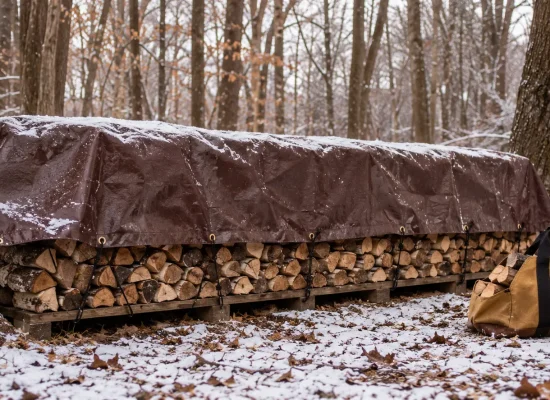
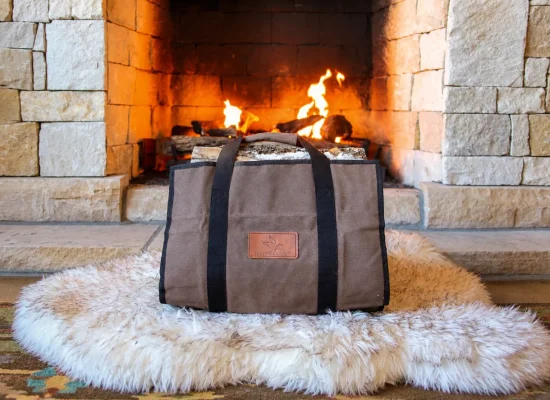
A tent stove is simply a wood-burning stove meant for use inside your camping tent. These appliances convert wood into energy through combustion, creating heat that can be used for a variety of camping purposes. Whether cooking your meals, warming your tent, or creating an unmatched ambiance, a tent stove is both a functional and aesthetic addition to your camp setup. Just like a campfire, your tent stove will require dry, clean wood for fuel – so grab your log carriers and start gathering!
But why choose a stove over building a campfire? While they serve similar purposes, many campers opt for tent stoves for their superior efficiency, safety, and functionality. Enclosing your wood-burning fire in a stove appliance makes for a more complete and efficient use of fuel. Further, it’s safer than an open campfire as it contains sparks created in the fire, preventing them from spreading and catching surrounding items on fire. Functionally, a stove is easier to use when cooking, and unlike a campfire, can be safely used to heat your tent.
Tent Stove Safety Concerns
There are two main safety concerns to be aware of when using a tent stove: tent fires and carbon monoxide poisoning. Tent fires can start in a variety of ways, whether through incorrect installation of the tent stove or misuse of the appliance. Fires not only put you and your loved ones in danger, but they also put the natural ecosystem around you at risk, with the potential to cause damaging forest fires. Carbon monoxide poisoning, on the other hand, is a silent danger that is much harder to spot than a tent fire. Carbon monoxide is fatal and is produced when fuel in your stove is unable to burn completely, and is often caused by poor ventilation in an enclosed space like a camping tent.
How to Safely Use a Tent Stove While Camping
While there will always be risks associated with creating fire, there are plenty of ways to use a tent stove safely and responsibly. Here are 9 things to remember while using a tent stove to ensure the safety of you and your fellow campers.
Choose the right tent
Not all tents are created equally, and many traditional camping tents are not equipped to house a stove safely. If you want to camp with a tent stove, you’ll need a canvas tent that features a heat-resistant stove jack. Stove jacks create a dedicated space for the pipe of a tent stove to exit the tent at either the roof or sidewall. This heat-safe exit point is crucial for the safe operation of a tent stove and helps minimize risks of carbon monoxide poisoning and tent fires. It’s also imperative that the tent you choose is made from high-quality fabrics that have been treated with fire-resistant coatings. Generally, treated canvas tents will be the safest option on the market.
Install your Stove Correctly
Proper installation of your stove tent stove is crucial to safe operation. Stove jacks either come pre-installed in your tent or require self-installation. If you’re a beginner, opting for a pre-installed stove jack is a great way to ensure safety and relieve you of the stress you may feel over the risks of incorrect installation. If you plan to install your stove jack yourself, pay special attention to assembly instructions to ensure you follow the recommended safety protocol. This usually means avoiding placement that’s too close to the tent walls and double-checking that your pipes are tightly connected before use.
Ventilate your Tent
Carbon monoxide poisoning is the biggest risk when you fail to ventilate your tent properly. Properly installing your stove jack will ensure that harmful fumes are exiting your tent at all times. Additionally, aim to open your tent’s mesh windows and doors during stove use to maximize ventilation. Opening windows adjacent to the location of your stove can help create a cross breeze that makes ventilation more efficient and effective.
Use a stove mat
Placing a mat underneath your stove can help protect your tent floor and is a fantastic measure to take to prevent tent fires. A stove mat is designed to create a protective barrier between the heat of your stove and the bottom of your tent, reducing the risk of dangerous heat transfer. Additionally, a stove mat will catch embers and sparks from the wood-burning fire when the stove door is open. Without a stove mat, you risk hot embers falling onto your tent while refueling, creating a serious risk of fire.
Never leave a stove unattended
Just like any other fire source, you should never leave a tent stove unattended. While stoves are much safer than campfires, they still pose risk, and you’ll want to be present if something goes wrong. If you plan to leave your tent for any reason for a prolonged amount of time, take the necessary steps to put out the fire on your stove. This commonly requires you to close off air vents, spread out remaining embers, and close the stove door. For your safety and the sake of your tent, don’t walk away until you’re sure the fire is completely extinguished.
Be mindful of your tent organization
Avoid storing highly flammable or combustible items near your tent stove. Common items like bug spray, butane cans, cooking oils, and aerosol cans like sunscreen should be kept in a separate area from your stove. Further, while it may be tempting to dry damp clothes near the heat of a stove, never leave flammable items like clothing or cotton canvas bags near a fire source.
Clean your stove after every use
Regular use of your tent stove will create a natural build-up of ash and soot. The build-up of this debris can make it more difficult for smoke to escape and can raise levels of carbon monoxide. By cleaning your stove regularly, you’ll reduce the risk of fire and carbon monoxide poisoning. When cleaning, be sure to get the main cavity and stove grate as well as the stove pipe. For long-term maintenance, invest in a wire brush for deep cleaning.
Look out for warning signs of danger
Being aware of early warning signs of danger will equip you to take action before it’s too late. For tent fires, smoke is the number one indicator of danger. Smells of smoke are also a good indicator, though this will be harder to detect if you’re already burning wood.
Carbon monoxide is trickier as it notoriously lacks an odor or any visual signs. Instead, stay alert for physical symptoms in your body. Common symptoms include the following:
- Headaches
- Dizziness
- Disorientation
- Nausea
- Vomiting
- Shortness of breath
- Rapid or irregular heartbeat
- Chest pain
- General weakness
If you experience any of these symptoms while using a tent stove, exit your tent immediately and seek medical attention.
Keep safety tools nearby
If all other preventative measures fail, it’s essential to keep safety tools within arms reach. For fires, have a fire extinguisher as well as ample water at the ready. Other accessories to consider investing in include an emergency fire blanket and a portable smoke detector. For carbon monoxide, carrying a portable carbon monoxide detector will be your best defense against the invisible gas.
The Bottom Line
Outdoor tent camping is one of the best occasions for you to learn lifelong skills, especially when it comes to safety. If you decide to cash in on the functionality and ambiance a tent stove offers at a campsite, it’s crucial to know how to operate it safely. It all starts with choosing the right tent that’s capable of housing a tent stove safely. After proper installation of your stove, you’ll want to consider proper ventilation, stove safety accessories, and basic safety procedures like regular cleaning and knowledge of early warning signs of danger. Now that you’re armed with expert safety tips, you’re ready to light your fire and enjoy the convenience and comfort of your tent stove.


No Comment! Be the first one.