


Camping is one of the best getaways you can choose to experience some time outdoors and connect with nature in your family camping tents. However, just as nature shows us the beauty of the outside world, it also comes with potential hazards that can break or make your camping experience.
Table Of Contents
- Getting Prepared Beforehand
- Making a Plan
- Getting Your Vaccinations
- Know Your Camping Area
- Minimizing Risk on Camping Location
- Familiarize Yourself With Camping Rules
- Storing Food Properly
- Fire Safety is Crucial
- Protection Against Carbon Monoxide Poisoning
- Avoid Contact With Wild Animals
- Packing Your Camping Bag
- Do Not Forget the Insect Repellant
- Packing Clothes For the Occasion
- Staying Hydrated
- First-Aid Kits For Injuries
- Having a Source of Light
Fortunately, we are here to provide you with a list of tips that can help you become more aware of these hazards and keep yourself safe during your exciting camping journey. Things like checking the weather forecast, researching the camping area, what camping accessories to have on hand or even letting someone know about your itinerary, and more are some of the essential things that will be covered in this guide to help you make sure your and your family’s safety is prioritized throughout your camping trip.
- Getting Prepared Beforehand
1.1. Making a Plan
1.2. Getting Your Vaccinations
1.3. Know Your Camping Area
1.4. Minimizing Risk on Camping Location
- Familiarize Yourself With Camping Rules
2.1. Storing Food Properly
2.2. Fire Safety is Crucial
2.3. Protection Against Carbon Monoxide Poisoning
2.4. Avoid Contact With Wild Animals
- Packing Your Camping Bag
3.1. Do Not Forget the Insect Repellant
3.2. Packing Clothes For the Occasion
3.3. Staying Hydrated
3.4. First-Aid Kits For Injuries
3.5. Having a Source of Light
Getting Prepared Beforehand
Making a Plan
Before you start driving towards your camping destination, there are a few things you will need to consider. Planning ahead is the best course of action to take when you are thinking of planning a camping trip. This includes taking steps like researching the camping area and checking out the weather forecast, which tends to change within an hour. This will help you know beforehand if you are expecting any kinds of potential issues that can arise from severe weather conditions or dangerous wildlife. This will allow you to have a plan prepared in case you have to deal with these situations.
Getting Your Vaccinations
Being outdoors exposes you to a lot of hazards caused by nature. That is why it is important to ensure that your vaccinations, including your tetanus, have been kept up to date before you embark on your camping adventure. This way, you can protect yourself from different kinds of diseases and conditions when you are camping.
Know Your Camping Area
When you are researching your camping location, it is important to familiarize yourself with its surroundings – such as the wildlife, dangerous terrain, or even poisonous plants within that location. Plus, your research will also give you insights into the rules and regulations of the camping area, which can include things like the requirements for a camping permit or even fire restrictions.
Minimizing Risk on Camping Location
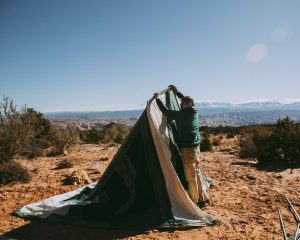
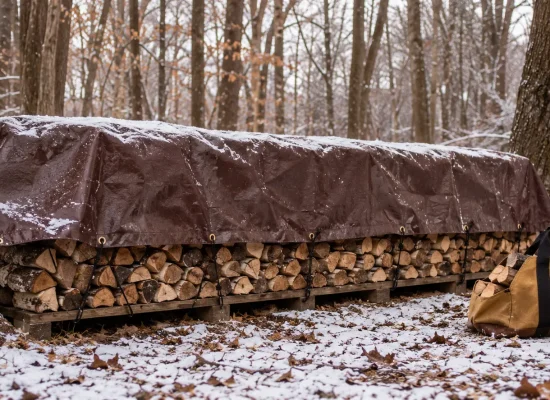
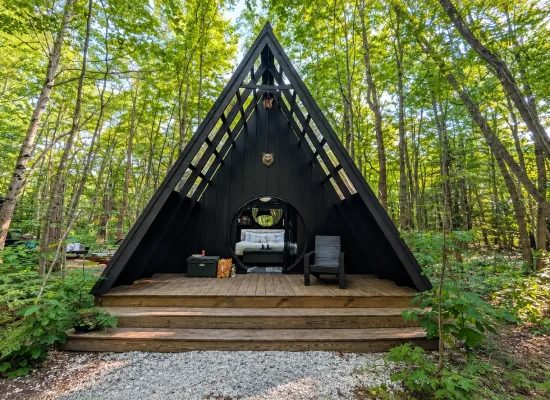
When you have decided on your camping area, the next thing you will need to look into is choosing the space to set up your canvas wall tents. Ideally, you should keep an eye out for dry, clear, and flat areas that are free from hazards like overhanging branches or even dead trees. In case of unexpected weather conditions as well, it would be best to make use of heavy duty tarps for your tents so that there is an additional protection layer to provide further security on the tent for you and your family. Another crucial factor to keep in mind is that your campsite should be at least 200 feet away from lakes and streams to steer clear of flooding and to avoid any water-borne diseases.
Familiarize Yourself With Camping Rules
Storing Food Properly
When camping outdoors, you are exposed to wildlife from all corners. When it comes to storing food, you need to do it properly to avoid the risk of attracting the attention of wild animals to your canvas wall tents. Invest in bear-proof containers or you can even hang it from a tree and have it be about 10 feet or more off the ground. Another thing to keep in mind is to also get rid of any food scraps and make sure not to store or even cook the food inside your tents.
Fire Safety is Crucial
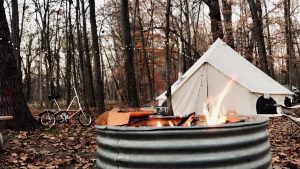
Not knowing about fire safety can lead to a lot of problems when you don’t know what to do in case there is a fire emergency. Equipping yourself with fire safety knowledge can help in preventing wildfires and potential accidents. It is important to follow the fire safety regulations of the camping area you have chosen and keep your fire contained within its designated pit or ring. And most importantly, never leave the fire unattended and always completely extinguish the fire when you are leaving the campsite.
Protection Against Carbon Monoxide Poisoning
Carbon monoxide poisoning tends to occur when charcoal or gas fails to combust completely due to a deficiency of oxygen in its surroundings. When too much carbon monoxide enters the air, it can enter the human body and build up in the bloodstream. It replaces the oxygen in the red blood cells with carbon monoxide, which leads to serious tissue damage or sometimes even death. To prevent this kind of poisoning, you must never use fuel-burning equipment like heaters, gas stoves, lanterns, charcoal grills, etc. near or inside the tent or any other enclosed shelter.
Avoid Contact With Wild Animals
There are many wild animals near camping areas that carry various diseases that can be dangerous to people. You can enjoy watching animals from a safe distance away when they are within their natural habitats. And if you are bringing your pet to the camping trip then make sure you have them vaccinated so that they may also stay safe through the trip.
Packing Your Camping Bag
Do Not Forget the Insect Repellant
Your war with the bugs will never end when you are outdoors, so it is always best to prepare yourself for battle beforehand. Make sure to pack an insect repellant, specifically one containing DEET, and apply it on your skin when outdoors. Not only will this prevent your irritation against these bugs, but it also ensures that you are safe from diseases that are often spread by mosquitoes like dengue or Zika.
Packing Clothes For the Occasion
It is essential to note that the clothes you wear can make a huge difference in your camping experience. Dressing appropriately will not only make you comfortable but you will also be safe outdoors. Keeping in mind the terrain of the camping site and the weather forecast, bring appropriate clothing, which includes layers so that you are prepared for any potential weather or location changes during your trip.
Staying Hydrated
Dehydration and the problem of water purification can be a serious issue during camping trips if you have not brought clean water with you. Staying hydrated is crucial when it comes to maintaining good health. It also keeps you in ideal physical condition when you are participating in various camping activities. Some people prefer drinking water from the stream as that elevates the experience of their camping trip – but a lot of people do not realize just how polluted the water in streams can be. That is why you must bring enough clean water for you and your family for the duration of the trip. It would also be good to invest in purification tablets or bring a water filter so that you can have a safe supply of water. It is also advised to follow the guidelines for washing and drinking water, including being aware of water sources near your campsite.
First-Aid Kits For Injuries
Most campsites tend to be located in isolated areas and it becomes difficult to get to a doctor immediately when there is an accident there are many different ways you can get hurt while camping. You can slip on uneven terrain, get injured while partaking in camping festivities, or even get burnt while standing too close to the fire. Under those circumstances, it is crucial to have a first-aid kit to treat injuries while you are out camping. The kit should include supplies like antiseptic wipes, paracetamol, sterile gauze, and adhesive patches. And if you or someone in your family has an allergy, it would be best to keep an EpiPen in the first-aid kit as well.
Having a Source of Light
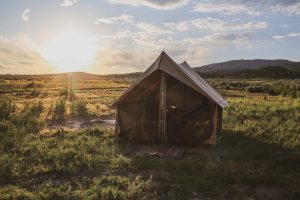
When nighttime comes, the sky becomes pitch black, and moving around in the dark can become a hassle without a source of light. That is why you need to have a headlamp or even a flashlight so that you can see in the dark and avoid tripping over while walking. Plus, you should also have extra batteries at hand or even an extra backup light source in case you break or lose your current light source.


No Comment! Be the first one.