

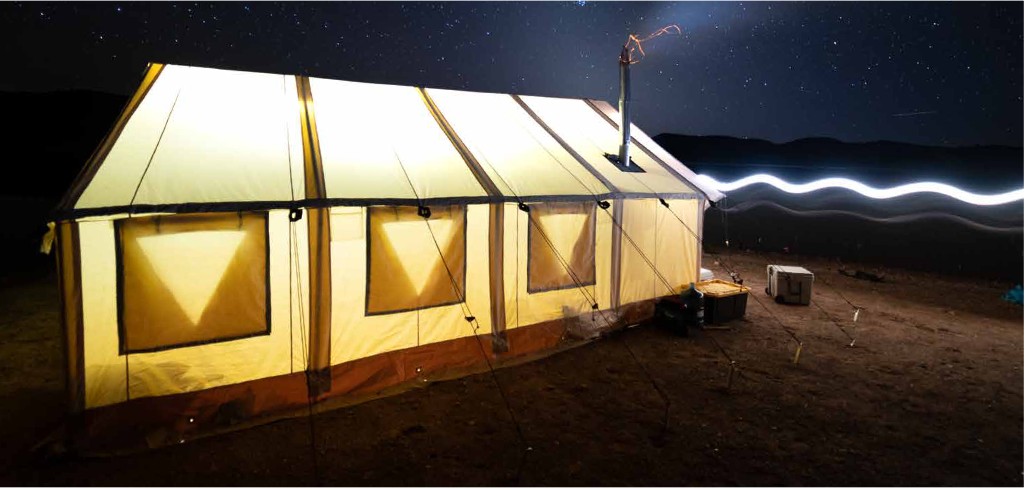
Camping trips are incomplete without enjoying the staple delicacies of a campsite. If you skip on packing your canvas tent with stove you will soon start missing the smoky aroma of smores by the campfire, the classic hotdogs, and barbecue meat.
Table Of Contents
- What Stove Style Do You Prefer?
- Are Camping Stoves and Backpacking Stoves The Same?
- How Many Burners Do You Need?
- What Would You Fuel It With?
- How Much BTU Output Do You Want?
- Does It Come With Additional Features?
- How Stable Is It?
- Is It Easy to Clean?
- Would You Go For Hybrid Models?
- Tips For Using Camping Stoves That No One Will Tell You
- Conclusion
The type of stove that will suit you depends on what you plan on cooking, fuel availability, and the number of people you will be cooking for, amongst other things. Here are our top considerations when you are looking for the best camping stove for you.
What Stove Style Do You Prefer?
The most common stove styles are freestanding and tabletop. There isn’t a significant difference in their output. But tabletop stoves do have lower thermal units.
Are Camping Stoves and Backpacking Stoves The Same?
Most people use the terms backpacking stove and camping stove interchangeably. It is easy to get confused between the two types because they are both portable.
When camping the gear centered around the activity is minimal but without compromising on anything. Tabletop camping stoves have multiple burners and can be placed on a countertop or in the case of a campsite, an outdoor table.
The freestanding camping stoves are larger and come with legs to give the stove height. They are fueled by either propane or wood in a small firebox underneath the burners.
Tent stoves fixed inside a tent have detachable legs and a chimney fitted on the stove jack of a canvas tent. You can cook meals just like you would at home using these stoves. They are also great for warming the interior of your tent.
Backpacking stoves are small, single-burner stoves that aren’t heavy and are no bigger than the burner plate. The idea is that they should fit in your backpack as you journey with everything you need in a bag.
How Many Burners Do You Need?
Two is the standard number of burners you will find in outdoor stoves. Single burners can also be obtained but are only useful if you will be cooking one-pot recipes or if you won’t need another burner to brew your coffee in a moka pot as you prepare breakfast in another pan at the same time. They will definitely save you space.
The deciding factor here should be how much you want to cook vs. use dehydrated food or canned food, and how many people will you be feeding.
An important consideration here is the size of the burners compared to the diameter of your cooking pots and pans. If you are getting a multiple burner stove make sure you can actually place two pans side by side at the same time. Even if you think the stove looks big enough you may be mistaken. The best way around this is to read the specifications of each stove before making the purchase.
What Would You Fuel It With?
Most camping stoves use propane. This is because propane is readily available, and lights easily. For an overnight camping trip, 10 oz of this fuel should be enough. If your campsite is close to an outdoor store you can easily find more if you run out.
That being said, propane does not function optimally in freezing temperatures. If you are planning on camping in snowy weather, liquid fuel is the best option. Liquid fuel stoves cost more than propane stoves do.
Wood as fuel for wood burning stoves is the most convenient kind. Wood logs are now readily available at campsites as more and more campers are adopting this type of outdoor stove. That being said, in areas with campfire restrictions, these stoves would also not be allowed.
You have less control over the flame with wood burning stoves, especially if you have never cooked with one. But in time, you will build the instincts on how intense you need the flame to cook different things. The best thing about this type of stove is that wood is more available than propane in the great outdoors.
How Much BTU Output Do You Want?
To measure burn time and power, stoves use the British Thermal Unit. A single unit is equivalent to the heat of one burning matchstick. Instead of taking a stove for a test run, you can use this rating to determine how powerful a stove is. Just look for the BTU output in the details of the product.
A camping stove burner should have a BTU ranging around 10,000 BTU per hour. A Countertop burner will have 8000. A freestanding stove burner usually has 10,000. With a better BTU rating, you can boil water faster and stoves will have better simmer control for cooking on low flame.
Does It Come With Additional Features?
Outdoor stove models are equipped with extra features. For one, does your outdoor stove have anything to shield the heavy winds outside that will impact the cooking flame? Wood-burning stoves have secure fireboxes. Yurt tent with stove installed inside the tent shouldn’t account for the wind at all. Some countertop stoves have a windscreen that folds out to make 3 walls around the stove.
Look for a heat reflector in stoves. This feature at the bottom of the stove maintains the temperature by reflecting heat back up to the pot or pan.
Does the stove have a piezo ignition? This is a clicker or a button that sparks the fuel so you don’t need to use matches or a lighter. For the convenience they boast they may add to the price of your stove. The self-igniting feature is infamous for failing after frequent use. Make sure you buy a premium model if you value this feature.
How Stable Is It?
Countertop stoves may be the easiest to handle but they don’t come with a foundation. You either have to place them on a campsite picnic table to cook or a makeshift counter space. When you have nothing, you will just have to place it on the ground. Depending on the terrain, this may not make for the smoothest cooking experience for you.
A stove that accounts for stability like a freestanding stove doesn’t rely on counter space. The adjustable legs can be shortened or extended when you are assembling the tent stove so that the stove is parallel to the ground.
Is It Easy to Clean?
You don’t want to deal with cleaning an entire stove without a proper cleaning station and plumbing during your camping trip. You want a stove that is hassle-free in that department. Check to see if the burners of the stove you like have drip trays. These are disks that collect any food and oil that seeps down to the stove. Instead of cleaning the entire stove you can just remove the drip trays and wash them.
Would You Go For Hybrid Models?
Hybrid models are versatile. You can use the burners for your regular meals and a grill top to make barbecued meat. This way you won’t have to pick one over the other for your camping trip. You won’t even need to buy a separate grill on occasions you want to use it. If you or the people you go camping with like the idea of barbecuing often, then a hybrid version is a good deal. If none of you barbecue, then stick to the burner stoves.
Tips For Using Camping Stoves That No One Will Tell You
Sometimes stoves need to be turned off and on to make them work correctly. For instance, if one of the burners is not getting as much fuel as the other burner unscrew the fuel tank and the pipe and let it rest for a bit. Then attach it back and turn on the knobs.
Keep a rag between the intricate parts of your stove. Wrap your fuel tank or bottle in a rag as well. You don’t want them rattling together in the back of your car as you travel to and from the campsite.
When you have used up all your propane fuel and are removing the fuel bottle, make sure you keep the stove on and then remove the bottle. This way all of the residual fuel will burn out and the flame will die out on its own. Then you can turn it off.
Conclusion
No stove stands out as the perfect variant. You must decide what suits your needs and budget for additional features on your camping stove accordingly. Remember to take into account eating habits, campsite space, the number of people you are cooking for, and features that make it easy to clean and maintain your stove.


No Comment! Be the first one.