


Camping in a low-temperature climate may seem like a challenge to some, but to an outdoor enthusiast, it has some excellent advantages. There are fewer critters to deal with. It is incredibly serene to observe nature when things have quietened down a bit and popular camping grounds are not riddled with crowds of people.
Table Of Contents
But to evade the unpredictable weather in this winter wonderland, the number one step is to have the appropriate shelter. When you begin your search for winter tents, use this list of factors that make a good winter camping tent.
Comfort
How much do you want to rough it during this trip? Even if you want to keep the whole experience as minimal as possible you need some amenities to make it a pleasant trip. The biggest factor here is a tent that complements a heating source.
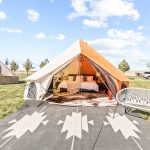
A canvas tent like a bell tent has a stove jack for installing an outdoor tent stove. With a tent stove, you can cook your meals inside instead of relying on dried food and canned goods. It will also keep you warm in the winter. You can easily get your hands on a wood-burning freestanding stove. Another common type of fuel for outdoor stoves is propane. However propane doesn’t function optimally in cold weather, so you will have to switch to liquid fuel.
Size
The size and capacity of a winter tent matter. A tent should have enough space to place your sleeping bags and all your camping gear under a roof, safe from the elements. Campers will size down when buying a winter camping tent so that they are huddled together inside and don’t lose body heat. If you need a 6 person tent don’t opt for a 4 person tent.
A tent with storage features like a vestibule increases its value in winter. Remember you probably spend more time inside your tent than exploring the outdoors. Having enough space to sit comfortably and enjoy the view is important. Vestibules are also important for parking your gear that is wet or snow-covered from your day out. This way your gear will be protected but not tracking snow inside your tent.
Other than tent extensions, and the floor space, adequate headroom also helps. Wall tents are between 8’ to 10’ high. They offer plenty of space for campers to stand up straight and move around the tent. This makes it easier to make a small kitchen area where you can cook and eat.
Sturdy
A good winter tent has to be tough. The shape of the tent contributes to this amongst other features. For instance, a bell tent doesn’t retain water or snow on the roof. It just slides right off. A dome-shaped tent fares well against strong winds. A tent that is strong enough for snow load resistance will do the job too. You have to remember to sweep the snow off the roof every morning so it doesn’t accumulate further.
Frame design is imperative to the durability of a winter camping tent as well. Wall tent frames are made from either wood or aluminum. A sturdy pole will have a wider diameter because even sturdy materials wear out in freezing weather.
Tent Fabric Type
Army duck canvas is made from cotton and a blend of materials. The canvas is breathable and swells tighter when wet. White Duck Outdoors primes its canvas to be water resistant. Synthetic canvas like polyester is also a good barrier against cold weather. That being said, you can use heating appliances and a wood-burning stove in a canvas tent. But a polyester tent will be damaged if you use a heating source inside.
Canvas thickness should also be in consideration, as the thicker the fabric the harder it will be for nearby tree branches and other sharp objects from tearing it.
Double Wall Tent
Some winter tents will have the option of a double wall, which is two separate layers of fabric instead of one. This is not a substitute for a single thick layer of canvas. The outer layer is for protection against the cold winds. The inner wall is for limiting breathability; it is usually treated to be water repellent. Double-walled tents are also more durable than single-wall tents because any tear or damage that the outer wall may sustain, the tent still doesn’t have a breach for the harsh weather.
Ventilation
When you breathe you are releasing warm air into the tent. When warm air meets cold tent walls, the air turns into water vapor. In extremely cold weather conditions, this condensation on your tent walls will freeze. It may look like snow has seeped into the tent. If the inside of your tent is damp, you won’t be able to have a peaceful night’s sleep.
To get rid of this extra moisture, you need proper airflow in your tent. Look for tents that have windows and entryways with mesh lining.
Easy To Maintain
A good winter camping tent is easy to repair on the spot. If your tent gets a tear you should be able to fix it with a simple repair kit and adhesive patches. A tent you splurge on once should pay off by being useful for several future winter camping trips. If a pole breaks you shouldn’t have to replace the entire tent kit, just the damaged part.
Weight
You want a winter tent that is easy to carry and set up. An elaborate tent may take hours which means you are without any shelter or security from the chilly weather as you assemble the kit. If you have already decided on a bulky tent, then make sure you have a pair of helping hands when you set up the tent so it takes half the time.
Tent manufacturers use various techniques to make assembly easier and faster for campers. This includes color coding bits and parts so that you know which rod and clip goes where.
Comes With Additional Features
Find a tent that comes with accessories like a rainfly. This is an extra barrier that goes on top of the tent and protects it from snow and rain. Tents that you can attach a floor tarp to are also useful because then you have the freedom to insulate the tent from the cold ground as you like.
Tips And Tricks For Camping In Winter
- The floor of the tent is not enough. You need to add your own insulating layers according to where you are going to sleep. The tent stove can go directly on the ground. However, you need to add a sleeping pad with a high R-value between the ground and your sleeping bags. Throughout the day you can use these pads for sitting or standing on while you cook.
- Don’t leave your hiking boots outside or under the vestibule. Bring them inside and place them close to the tent stove. When you put them on in the morning your feet will be warm and toasty.
- If your sleeping bag is not snug cold air can get trapped in it and you will feel cold when you go to bed. To remove all that extra space for cold air, stuff your bag with your clothes till it has just the right amount of space.
- Change your clothes before getting into your sleeping bag. You will have sweated in your clothes all day and now that dampness is going to feel chilly. Wear clean and dry clothes to bed.
- Place your water bottle upside down and make sure it is not full to the brim. Water starts freezing from the top. If your bottle is upside down, the water near the mouth of the bottle will not be frozen and you can still drink it without waiting for the ice to melt.
- Eat even if you are not hungry and think you can do with skipping a meal. The body creates heat when you digest food.
- It can be a hassle to get out of your warm sleeping bag and use the communal restroom on the campsite. Keep a bottle inside the tent for when you need to pee at night. This is another reason for investing in a spacious winter tent.
3 and 4-season tents are built to handle rugged landscapes and high altitudes. Their components are designed to handle both warm and chilly weather. This makes it tricky because the tents have to tackle humidity and scorching sun exposure, in addition to snow and wind. Find a winter camping tent that is perfect for your next camping trip from White Duck Outdoors camping gear.


No Comment! Be the first one.