
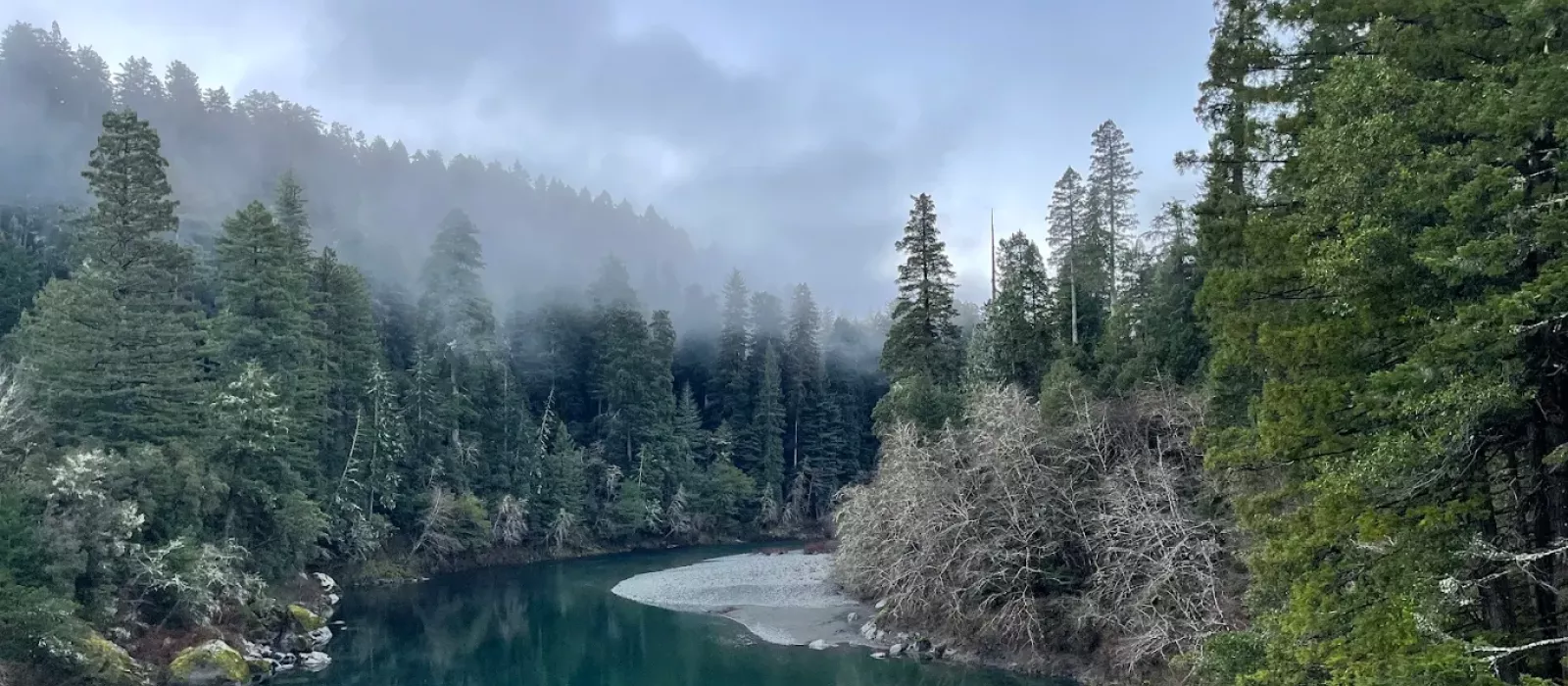
If you’re planning a national park trip, doing your research before hitting the road is a key part of a successful adventure. Every national park has its share of stunning views and exciting excursions. Be sure you know where you’ll spend the night before setting out on an all-day activity. Many campsites book out weeks, if not months, in advance, and the ideal spot within each campsite varies depending on what you’re interested in seeing during the day. Read on to discover the fan-favorite campsites in national parks all across the United States.
Table Of Contents
- Pacific West United States
- North Cascades National Park: Sahale Glacier Camp
- Redwood National Park: Redwood Creek Campsite
- Yosemite National Park: Benson Lake Campsite
- Intermountain United State
- Yellowstone National Park: Slough Creek Campground
- Zion National Park: Watchman Campground
- Southeast United States
- Everglades National Park: Long Pine Key Campground
- Northeast United States
- Acadia National Park
Pacific West United States
North Cascades National Park: Sahale Glacier Camp
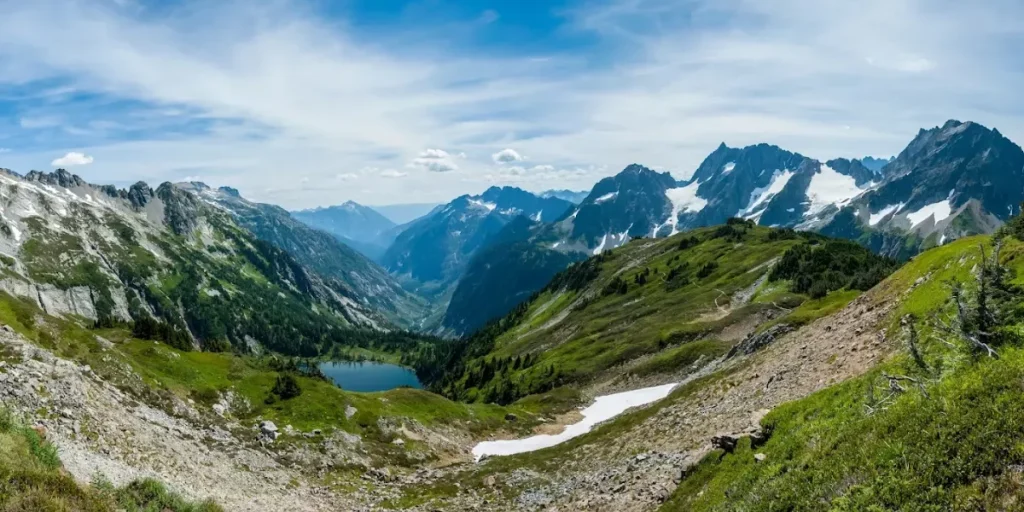
Camping in North Cascades National Park will be an unforgettable experience regardless of where you choose to spend the night. If you’re looking to go a little ways off the beaten path for a great view, try Sahale Glacier Camp. While not a multi-site campground, this campsite sits at an elevation of 7,400 feet and promises views of nearly every mountain in the Cascade Range.
To get to Sahale, hike Cascade Pass until the trail intersects with the Sahale Arm Trail. Follow this path around Doubtful Lake for about two miles until you reach the campsite. You’ll have a chance to enjoy the wildlife and natural landscape of the North Cascades directly from your campsite.
Before camping in the North Cascades, invest in a durable three or four season tent that can withstand any mountain winds you might experience. Be sure to bring along the proper tarps and guylines to set up any additional shelters for cooking, adding extra wind protection, or simply enjoying the view from your camping chairs.
For access: Permits available by lottery through recreation.gov.
Redwood National Park: Redwood Creek Campsite
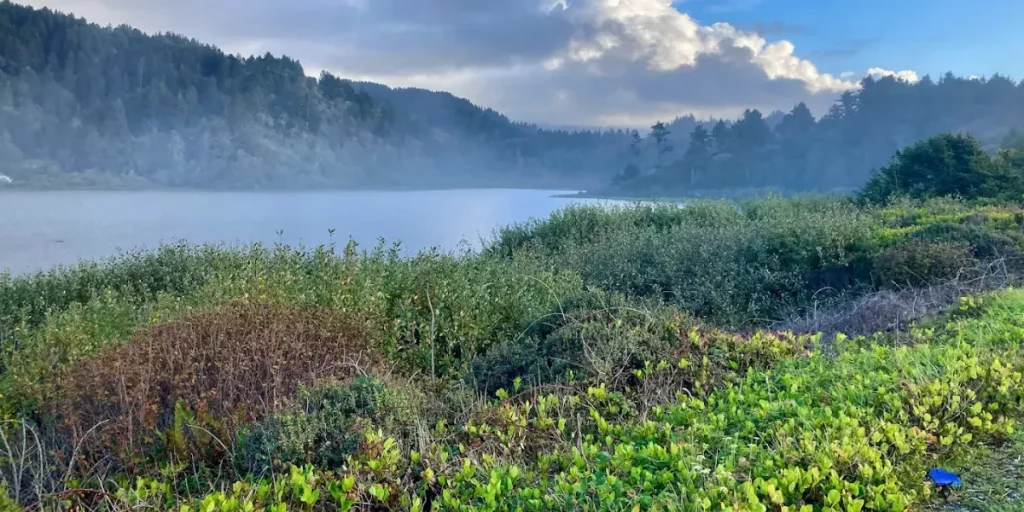
If you’re making a trip to Redwood National Park, you’ll want to spend as much time among the trees as possible. For the ultimate Redwood camping experience, set up your camp along the gravel bank of Redwood Creek. The creek runs directly through the park’s main forest, so you’ll be in the perfect spot to explore the world’s tallest trees or enjoy a splash in one of the many swimming holes along the length of the water.
To camp in a forest, especially alongside a river, you’ll want to prioritize water-resistant gear to avoid waking up damp with morning dew. Bring along a heavy-duty polycarbonate tarp to act as your tent footprint and give you extra padding and water protection.
For access: Permits for the Tall Tree Access Road are free and available online at recreation.gov.
Yosemite National Park: Benson Lake Campsite
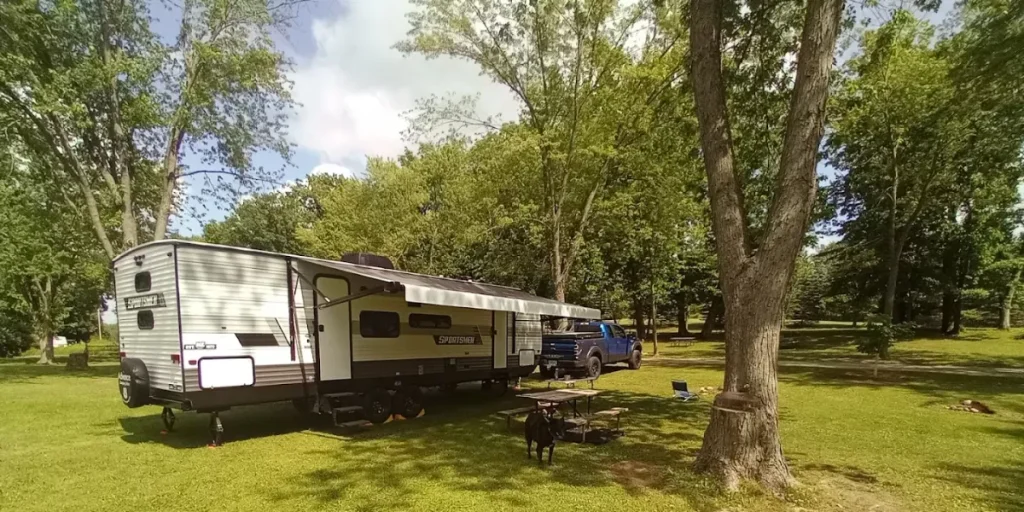
Yosemite National Park quickly became one of the most-visited national parks in North America, and if you’ve ever had the chance to explore the falls and surrounding backcountry, as well as the history of the park, you’ll know exactly why it’s such a beloved space. It can be tricky to find a campsite in any of the park’s main campgrounds, though.
On your next Yosemite trip, venture out a little farther into the backcountry to camp on the banks of Benson Lake, situated in the northern end of the park. Benson Lake is about twelve miles out from the Robinson Creek Trailhead. The extra travel time is more than made up for by the beauties of the park’s natural landscape. You’ll be camping on a white sand beach, warm enough in the summer for swimming. The horizon will showcase views of Piute Mountain in the distance.
Before camping in Yosemite’s backcountry, check the time-sensitive restrictions on the park’s website for information on campfires and trail closures. Occasionally, especially if you’re traveling in or around fire season, campfires will be permitted in backcountry campsites to avoid any danger of forest fires.
If building your own fire is prohibited at the time, it’ll likely be warm enough to camp comfortably without one, but your packing list may need to be adjusted to account for a portable stove or shelf-stable meals.
For access: Permits are available in limited quantities by lottery on recreation.gov.
Intermountain United State
Yellowstone National Park: Slough Creek Campground
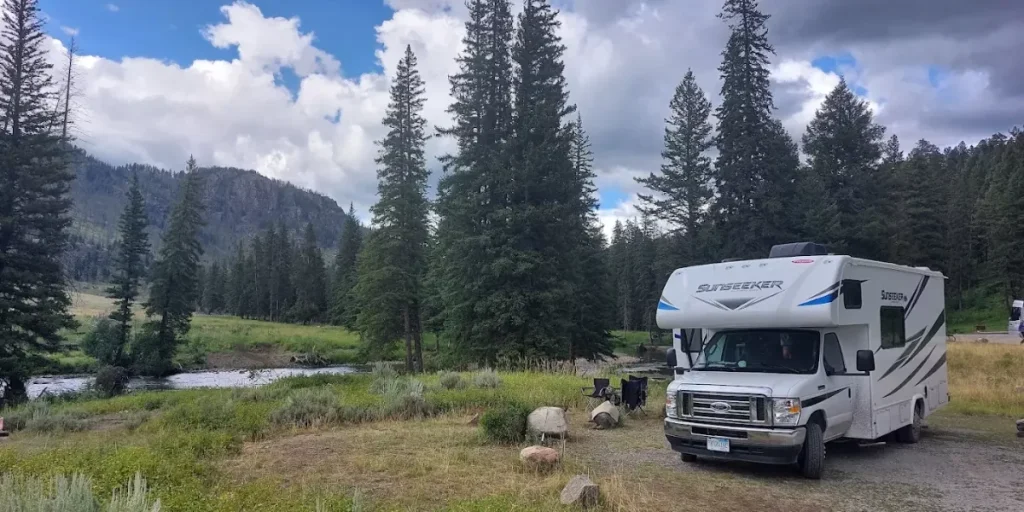
The first national park in North America, Yellowstone is home to the incredible sights– and sounds, and smells– of hundreds of natural hot springs and geysers. Like Yosemite, this park is often crowded in the busy season (roughly July to September), but this shouldn’t deter you from planning a trip.
For year-round accessibility, if you’re visiting in the off-season, you’ll be directed to Mammoth Campground. Mammoth is near the Mammoth Hot Springs, relatively central to the rest of the park, and the only Yellowstone campground open year-round.
Slough Creek Campground is a fan-favorite spot during its open season of May through October. There are only sixteen sites, and its amenities are the most primitive out of any of Yellowstone’s main campgrounds. Roughing it for a few days is a small price to pay for immediate access to the water, which is home to Yellowstone’s array of fish and a popular spot for wildlife such as bison, elk, or wolves to water.
For access: Campsites are first-come, first-served in the park during Slough Creek’s open season of May to October.
Zion National Park: Watchman Campground
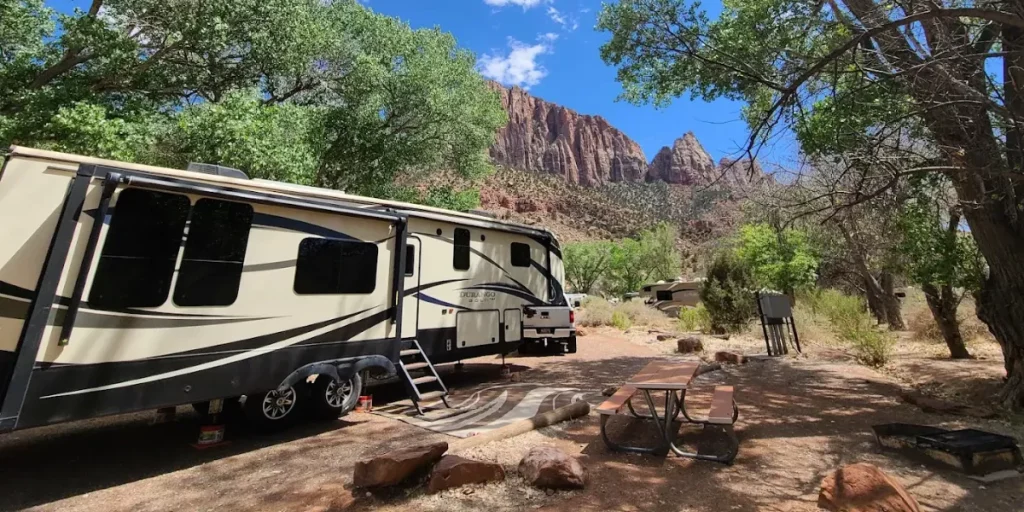
Just a few hours south of Yellowstone is Zion National Park, another stunning exhibition of natural beauty. Zion’s red rock formations and canyon cut through with the Narrows River make it one of the most popular national parks in the Southwest. Zion has three main campgrounds, in addition to numerous backcountry camping options.
Of the three, Watchman Campground is the best choice for its location relative to the rest of the park’s sights. Tucked in near the southern entrance of the park, Watchman is within a few minutes of the main visitor center and the Zion Canyon Shuttle. This makes it easy to plan a full day of adventures without having to travel too far to find your way home for the night.
This campground is the biggest on the list in terms of campsites. Even with 176 individual sites, comfortably spaced apart for quiet and privacy, it fills up weeks to months in advance. Watchman has quite a few campground amenities, including built-in firepits and public restrooms with flushable toilets.
If you’re planning a glamping-style trip or traveling with a larger group that would enjoy the comforts of a structured campground, Watchman is a great choice.
For access: Reservations available online at recreation.gov. Eighteen walk-in sites available with first-come, first-served availability.
Southeast United States
Everglades National Park: Long Pine Key Campground
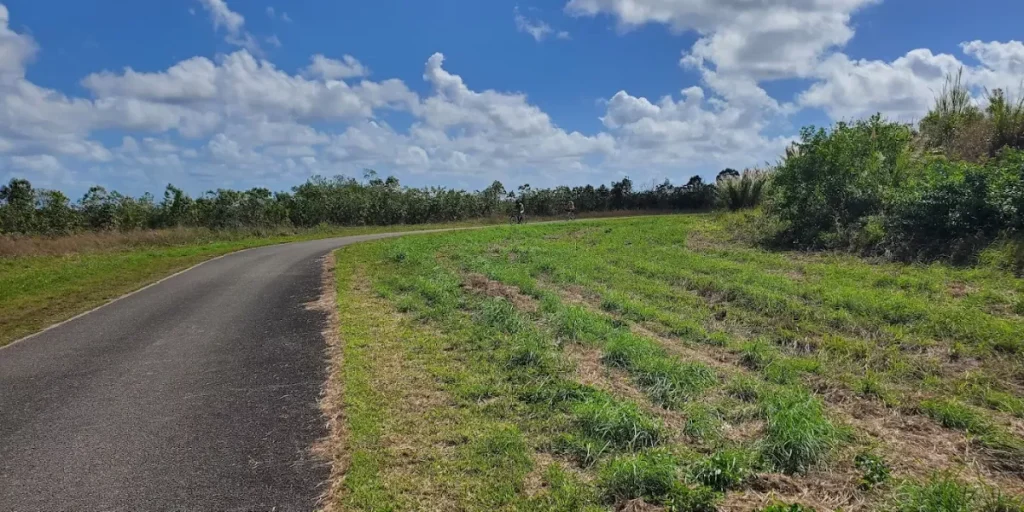
Everglades National Park is a sanctuary of wildlife, fishing, and fauna, and you’ll want to be at the center of it all. Long Pine Key Campground, open from November to May, is one of only a few campgrounds in the park itself. Even with over one hundred sites in total, it feels quiet and peaceful compared to the popular Flamingo Campground.
Long Pine Key is nestled among the trees and alongside several fishing holes, and you’ll have multiple of the park’s most noteworthy trails– Anhinga Trail and Long Pine Key Nature Trail– only a few minutes’ walk away.
Camping at Long Pine Key is the perfect mix of seclusion in nature and easy accessibility. You can drive right up to your campsite, and many of the sites are large enough and have infrastructure to accommodate RVs. RV sites do require reservations, but tent camping is allocated on a walk-in basis.
The campground also provides restrooms with showers, flushable toilets, and potable water. If you’re staying at Long Pine Key, take advantage of the trail access you have and explore a little outside of the central area of the park to enjoy all of the beauty that the Everglades is known for.
For access: Reservations for RVs are available online at recreation.gov. Tent campsites are available on a first-come, first-served basis.
Northeast United States
Acadia National Park
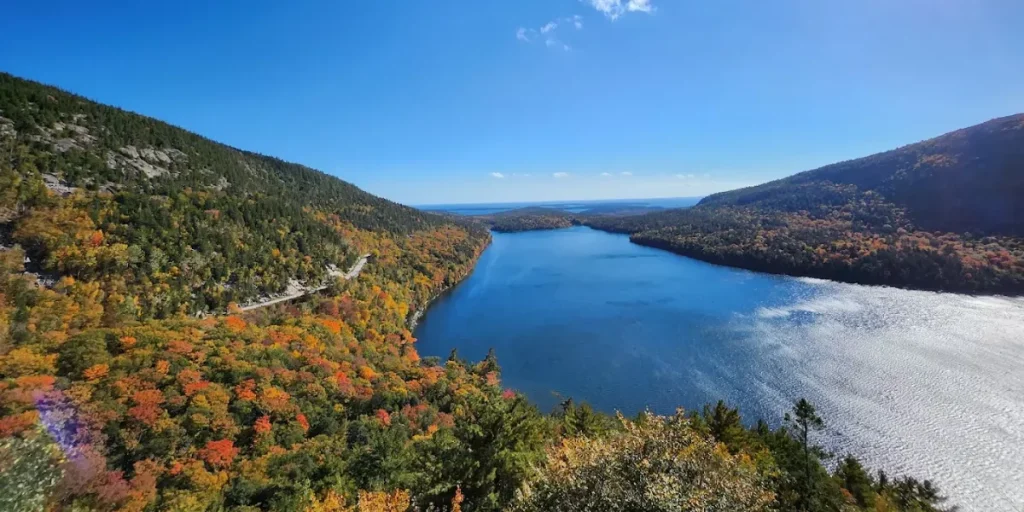
National parks are fewer in number in the northeastern corner of the United States, but they certainly don’t disappoint when it comes to beautiful views and challenging trails. When you’re visiting Acadia National Park, stay the night in Blackwoods Campground.
The park’s Island Explorer Shuttle leaves directly from the campground, making it easy to explore any nearby destination without much hassle. You’ll also have walking access to the Ocean Path from the central campground.
The campsites themselves vary in size, so it’s wise to reserve your site in advance if you’re traveling with a larger group or need an RV-accessible site. All campsites in Blackwoods have access to restrooms with running water.
Cozy up in front of your campfire and enjoy the sights and sounds of Acadia from Blackwoods Campground during your next overnight stay.
For access: Reservations available for RV and tent campsites on recreation.gov.


No Comment! Be the first one.