
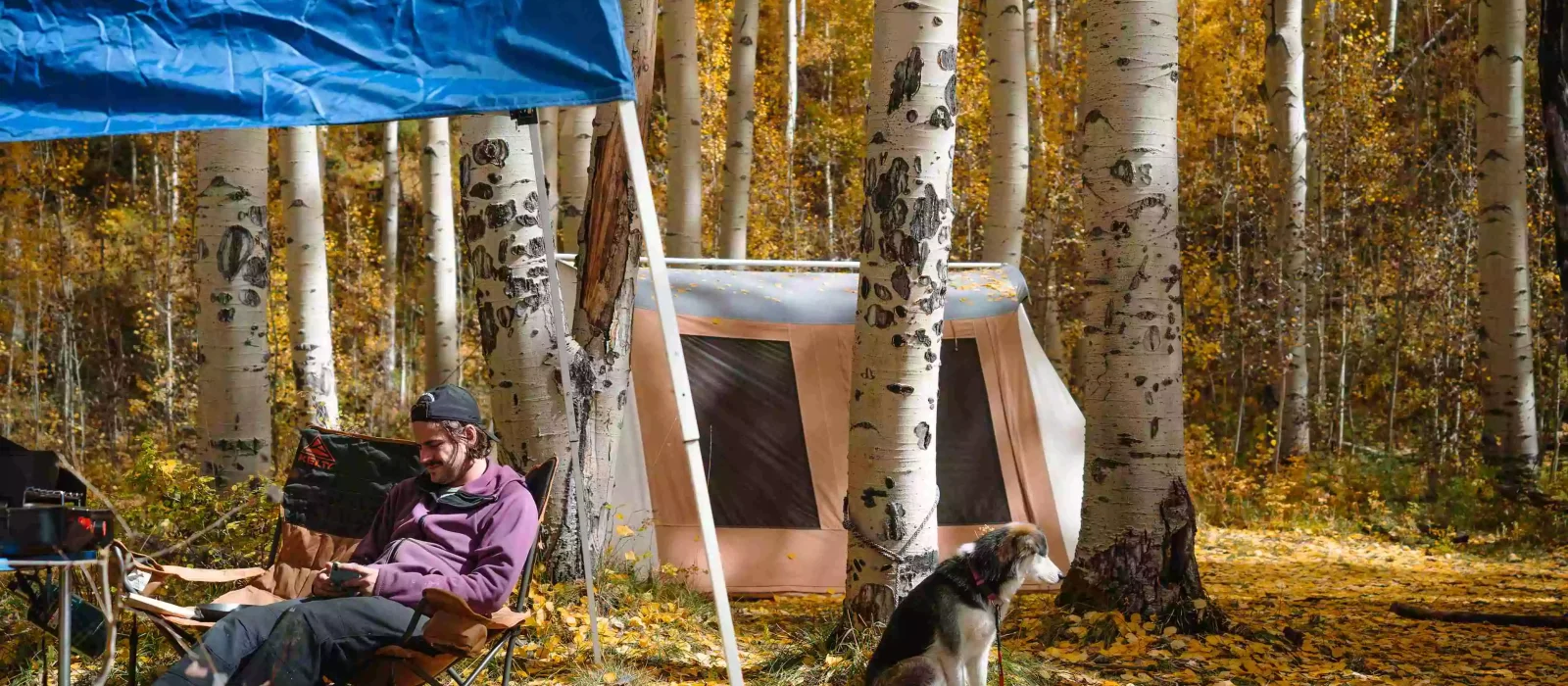
While summer may be the most popular time of year to wipe the dust off your tent and head into the wilderness, camping can easily be a year-round activity. Each season has unique benefits, and there’s good reason to explore all year. In summer, you’ll experience warm weather, longer days, and increased accessibility to natural sites. You’ll enjoy milder climates, fewer bugs, and abundant wildlife viewings in spring and fall. In winter, you’ll benefit from the lack of crowds, incomparable views of cold-weather landscapes, and a chance to improve your outdoor skills.
Table Of Contents
The gear you need from season to season differs, from the clothes you wear to the shelter you sleep in. Most tents fall into two categories: a 3-season tent and a 4-season tent. But what exactly makes one built for 3 seasons and one suitable for 4? Dive in and discover the key differences between a 4-season tent vs 3-season tent. Plus, read on until the end to learn how to pick the right one for you and your adventuring needs!
What Is a Three Season Tent?
A three season tent is a camping shelter designed for use in spring, summer, and early fall. Generally, these tents are relatively light in weight, portable, and built for mild weather conditions. That means they will protect you and your fellow campers from pesky bugs, light winds, and moderate rains, but aren’t built to withstand anything harsher. Because three season tents aren’t meant for extreme conditions, they typically have lightweight frames and fabrics.
Since many of these tents see most of their use in warmer months, they typically provide ample ventilation through mesh windows and doors. The incorporation of mesh into their design allows refreshing breezes to pass through, keeping them cool on warm days. Additionally, this constant airflow helps reduce the buildup of moisture in more humid climates.
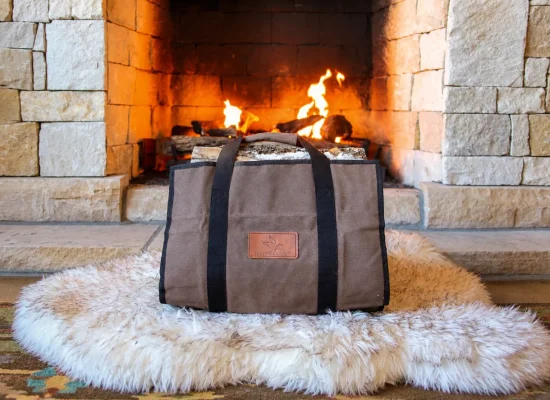
You’ll find that most of this tent style features a double-wall construction. This essentially means that the tent body and the rainfly are separate from each other. With the ability to remove or add on the rainfly at any time, three season tents are incredibly versatile. Further, you can choose to employ camping tarps to add extra protection under or above your tent. If you are looking for that additional protection, don’t forget your canvas bags for a durable way to transport tent accessories.
Because of their lightweight and simple design, these tents are usually rather straightforward to set up; often not requiring more than one or two people to pitch. Considering summer has long been the most popular season to camp, three season tents are suitable for most recreational campers who plan on camping in mild weather, or backpackers who need to travel as lightly as possible.
What Is a Four Season Tent?
Four season tents are camping shelters designed for use throughout every season, but are most commonly reached during winter. These are durable, heavy-weight tents that are built to protect campers from extreme weather conditions like high winds and dense snow buildup.
Instead of the abundant mesh fabric seen in 3 season shelters, 4 season tents often feature venting systems to control moisture inside. To properly withstand harsh weather, they need to be well-constructed with rigid frames and heavy-duty materials. Heavier fabrics and double-walled construction create insulation that can help keep you warm in cold climates. Because of their unmatched durability, you can expect a 4 season tent to be quite heavy and a bit more complex to pitch. This makes them best for stationary camping trips with more than one person to help set them up.
Most 4 season tents will be geometric in shape. Not only does this increase interior space, but it also prevents the dangerous buildup of snow that’s possible in extreme winter landscapes. Plus, this additional interior space gives campers more room to store their winter gear!
What Are the Key Differences Between the Two?
Season Suitability
The vital difference between these two types of tents is the seasons they’re suitable for. As discussed above, 4 season tents can be used year-round while 3 season shelters are best for spring, summer, and early fall usage. Because of this central difference, 3 season shelters will almost always offer superior ventilation and breathability that’s necessary for warmer weather. On the other hand, 4 season tents come on top when it comes to overall durability and protection, as they’re intended to withstand extreme conditions. Every other variance between these tent styles will come down to this key difference.
Size and Weight
While both tents come in a large variety of shapes and sizes, typically, 4 season tents will be larger, heavier structures. This is a huge plus for winter campers needing extra room to store cold-weather gear inside. Larger sizes also make 4-season canvas tents awesome for glampers, as they provide ample room and are durable for glamping accessories.
On the flip side, 3 season tents will often have less space inside and are almost always going to be the lightweight, portable option.
Materials and Construction
To accomplish the lightweight hallmark of 3 season tents, they are commonly constructed of thin synthetic fabrics like polyester and nylon. Additionally, you’ll find their frames to be lighter, often made from aluminum and secured with clips. As previously noted, you’ll also find that 3 season tents have a fair amount of mesh fabric incorporated in their designs to provide ample ventilation.
To withstand extreme weather, 4 season tents require a more robust construction compared to their 3 season counterparts. This naturally results in heavier, more durable materials. You’ll find that many high-quality 4 season tents are made from cotton canvas, and treated with waterproof and fire-resistant coatings. A canvas tent makes for a phenomenal 4 season tent thanks to its superior insulation capabilities while maintaining a fair amount of breathability. Instead of clip-in frames, these tents are more likely to have fabric channels for extra support and stability.
Set Up Complexity and Ease of Use
Generally, 3 season tents are simpler structures that are easier to erect than 4 season tents. This makes them ideal for solo campers or those camping with just one or two other people. Because 4 season tents are a bit more complex, as well as substantially heavier, you’ll likely need more than one pair of hands to get the job done.
Affordability
Between their durable construction, hefty materials, design complexity, and larger size, 4 season tents tend to be a bit pricier than 3 season shelters. That being said, prices range widely, so it’s not impossible to find extremely expensive 3 season tents and relatively affordable 4 season tents. On average, however, you can expect to shell out more money when investing in a tent that can successfully withstand all 4 seasons.
How To Pick the Right One for Your Camping Trip
Now that you know the differences between these tents, let’s break down when to pick a 3-season tent and when to go with a 4-season shelter.
3 season tents are generally a safe pick for most camping excursions that occur in spring, summer, or fall. Because of their ultralight weight trait, they are especially ideal for backpackers looking to pack and travel light. Their ease of use and simple designs also make them the practical option for solo-campers and small groups.
Since 3 season shelters are not as protective in winter weather, 4 season tents will be the best choice for campers traveling in winter, or through any harsh climates. Aside from cold-weather adventurers, 4 season tents are also the best option for glampers. This mostly comes down to the fact that glamping tents will need the space for large, luxurious furniture and camping accessories. Other people who would benefit from the characteristics of 4 season shelters are hunters, ski and snowboarders, and large groups in general.
Outside of the type of camping you’re embarking on, think about your personal preferences and let them inform your tent choice. Is the size and durability of your tent your priority, or do you prefer a tent that’s lightweight and easy to use? Consider all of the characteristics of each tent and weigh them against what’s important to you and your camping experience.
The Bottom Line
The benefits of camping through every season are abundant, but it’s important to come prepared with the right tent for your unique needs. Whether you choose a 3 season tent or a 4 season tent largely depends on the conditions you expect to encounter and your personal camping preferences. 3 season tents are lightweight, easy to set up, and perfect for spring, summer, and fall adventures, offering ample ventilation and simplicity. On the other hand, 4 season tents provide superior protection against extreme weather, making them ideal for winter camping and harsh climates. Further, they’re traditionally larger, making them a great pick for other larger groups venturing into the wilderness. At the end of the day understanding the key differences between 3 season tents vs 4 season tents will ensure you pick the right tent for your next adventure.



No Comment! Be the first one.