
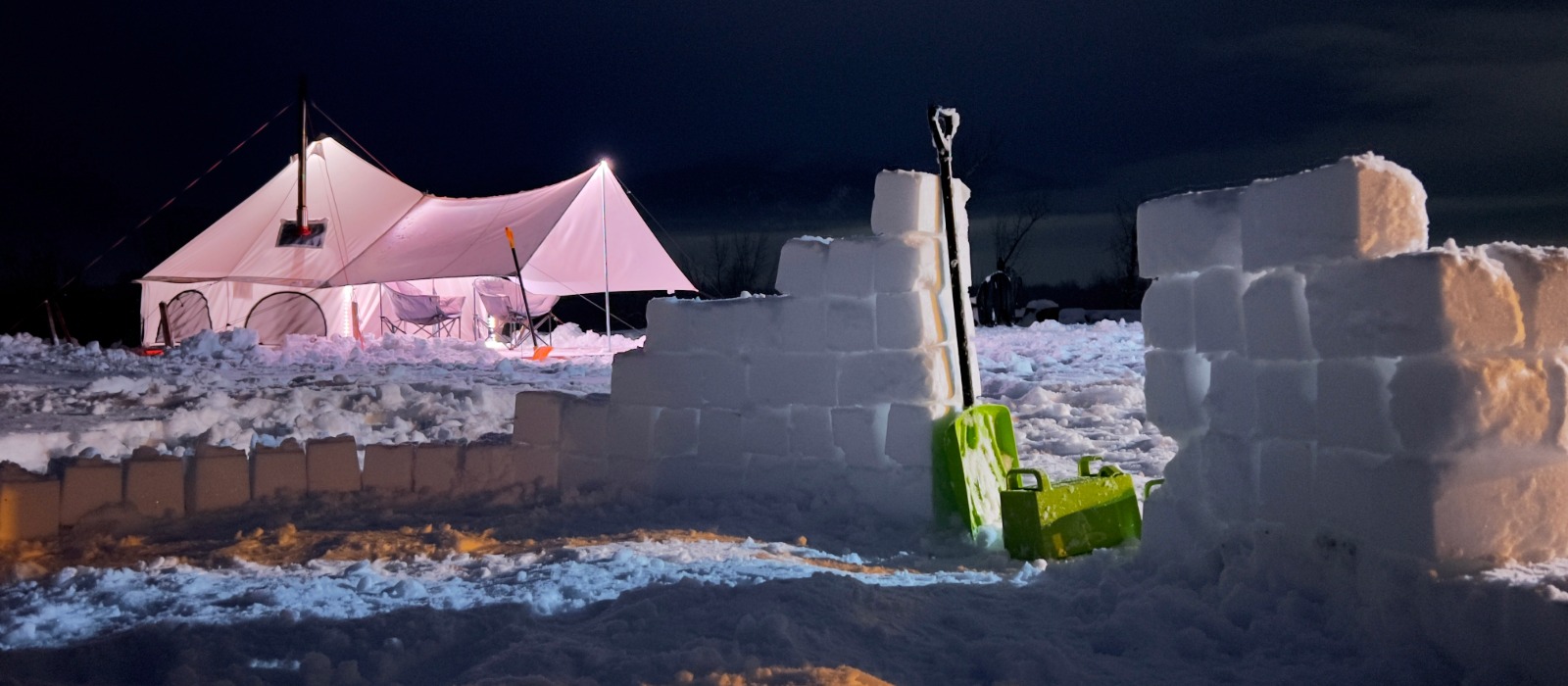
Each year, when winter rolls around, it seems like the storms take longer and longer to come. December starts off warmer than usual, but the nights get colder and colder. Then, seemingly out of nowhere, the whole city and mountainside are inundated with snow. It happens like this, in an instant, right when I’m least expecting it. When this happens, the modern convenience of a temperature-controlled home comes in really handy. This also makes me think of a few signs I’ve seen where others took on the winter and didn’t fare well. Hiking up a peak in southern Arizona, I remember a particular Boy Scout troop that got caught in a blizzard, stranded on an exposed side of a mountain, hoping for rescue in a time before beacons and cell phones. I’ll spare you the details, but it didn’t end well.
Table Of Contents
As this winter approaches and storms are already pounding the northern regions of the country, it’s a good time to review some winter safety tips for beginners. Catching the camping bug is a serious affliction, and waiting until spring can be torture. So, for those still intent on getting out in the sub-zero temperatures and deep powder, let’s go over some basics to ensure everyone has fun and comes home safe.
Know Before You Go
Any good camper or adventurer knows and does this: plan ahead. I wish life were as simple as all the fantasy and adventure novels where the character can throw a half a loaf of bread in a backpack and head out for a months-long journey, but that’s not real life. Consider these 3 elemental factors before hitting the road:
Check the Weather: It doesn’t matter what season or what location you’re headed to, always check the weather, especially in winter. Look at forecasts and track radar for storms that are at least a couple of days out from the last day of your trip. Meteorologists are smart and informative, but they can’t predict the future with 100% accuracy. Storms can move quickly and unpredictably, so knowing what is coming is the first line of defense.
Know the Region: Different elevations and biomes will mean different chances for storms of temperature drops. Winter camping in high-elevation deserts can mean major swings in temperature, and higher elevations in mountains means snow earlier. If camp ends up being next to a lake, a snowstorm can intensify with more moisture in the air.
Overprepare: The best winter camping safety tip I can recommend is this: Too much is never enough. Too much food, too much fuel, or too many layers is never enough. The beauty of cold weather is that it’s always possible to add more layers, as long as you have them. Also, it seems that where cold goes, moisture follows. This means the chances of gear getting wet are high, and nothing will set in hypothermia quicker than cold, wet clothes. So bring plenty of everything.
The Solace from Cold: The Winter Tent
With literally hundreds of tents to choose from, it can get confusing, especially when specific needs come up. While there are winter tents designed specifically for cold, there are also other practical measures to take in a good four-season tent. Some tents will keep you warm at the top of the Himelayas, but we don’t need to break the bank just to go winter camping. The best four season tent is, in my opinion, going to be a canvas tent. These come in wall tent designs, bell tents, scout tents, and each of them are durable, breathable, and insulate from cold when the temperature drops. In this way, a good canvas tent can be used in summer with the doors and windows propped open, and still double as a durable and reliable winter tent.
A good winter tent must have a solid frame with a fabric or outer layer that secures tightly to that frame. When the winds kick up and test the metal of base camp, a wall tent will not budge. Trust me. If you’ve planned ahead, and I know you have, and there is a storm on the horizon, it’s best to have a double-walled tent. White Duck makes double-walled canvas tents that can stand up to literally any weather. The double wall design provides an extra layer of warm air between the outer cold and the tent. For beginners, having the right gear is necessary to ensure winter camping safety.
The Perfect Winter Tent Needs the Perfect Tent Stove
In my early camping days, I spent too many cold nights piled under wool blankets while a storm raged outside my tent. Maybe it’s because I wasn’t raised with one, maybe I didn’t realize how easy they were to pack, but I came to use a tent stove way too late in life. If you really want to be comfortable in a winter camp, a tent stove in a canvas tent is bar none the best set-up. It used to be that tent stoves were a massive undertaking. Hauling them was daunting, and they were barely less of a hassle than moving around a permanent stove. While there are a few things to consider, that is not the case today.
Canvas tents can come in many sizes, which means a different amount of square footage to heat. This is something you’ll want to consider when getting the perfect tent stove for your setup. White Duck has a new line of anchor tent stoves that come in four different sizes. Not only can you find one for the right size, but these tent stoves also have heating racks, cooking surfaces, secure latching doors, and a dampener that ensures the right airflow means the right temperature inside the canvas tent.
Consider the Fuel
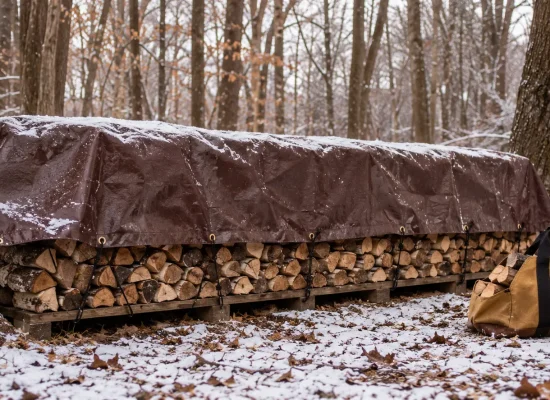
Not only is it necessary to feed the body, you also have to feed the fire. With more and more people getting into camping and, in a lot of cases, our open spaces are being limited, finding fuel for the fire in the wild can be a chore. In many cases, such as in National and State Parks, it is not allowed to cut down live trees for firewood. Not only that, but green wood, or wood that is freshly cut, does not burn well and mostly smokes. If the opportunity is there, campers need to gather fallen wood from around their campsite. These dead and broken branches make for awesome firewood and will burn hot and quickly in a tent stove. But sometimes just walking out the front door of your tent and grabbing wood isn’t so easy. So here are three tips for winter camping safety and gathering wood, because a good fire could save your life.
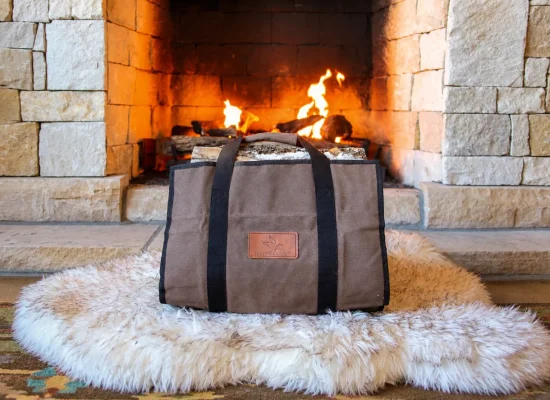
- Bring a Log Carrier: Log carriers are not just fashionable add-ons when checking out of the camping equipment store. When temperatures are dangerously low, limiting the amount of time outside, or exposure, is important to winter camping safety. This means if you have to go out and gather firewood in a snowstorm or just really cold temperatures, try to be outside for as little time as possible. Hypothermia can set in scary fast. White Duck makes an awesome canvas log carrier that’s sturdy and will last a lifetime.
- Kindling is King: Along with limiting exposure time, standing even inside the tent trying to build a fire in the tent stove can be freezing. Also, cutting frozen logs can be difficult. Make sure you have a sharp hatchet, a battery-powered saw, or be mindful of also breaking off small twigs and thin branches to get the fire going. Thick, frozen logs won’t burn.
- Bring Your Own Fuel: More and more, I end up doing this even when I’m not winter camping. It’s getting difficult to find fallen wood near campsites that are often frequented. Also, frozen wood that is gathered after a snowstorm is only going to be defrosted. At that point, it’s just wet wood, which also doesn’t burn well. The best idea, I’ve found is to bring at least one bundle of wood and get the fire going as soon as possible. If I need more wood than I can carry, at least I can make a few trips with my log carrier and come back to a warm tent.
When the Temps Drop, be Vigilant
Thinking ahead and falling temperatures should have a direct correlation. For every three degrees the temperature drops, that’s another level of mindfulness every camper should enact. We all want to get outside, but it should never be done carelessly or at the risk of getting injured or even drastically uncomfortable. The means exist, the products are out there, so be sure to stay sharp in skill and mind when heading out to winter camp.
For those who are genuine newbies, have faith! Winter camping is extremely fun. Taking a deep crisp breath of cold air is the best thing on a -13-degree morning. Just keep a few things in mind: Plan ahead, invest in a quality canvas four-season tent, and pack the heat with a tent stove. Once the task of getting the tent warm is done, the rest is gravy. Stay warm, and enjoy.


No Comment! Be the first one.