
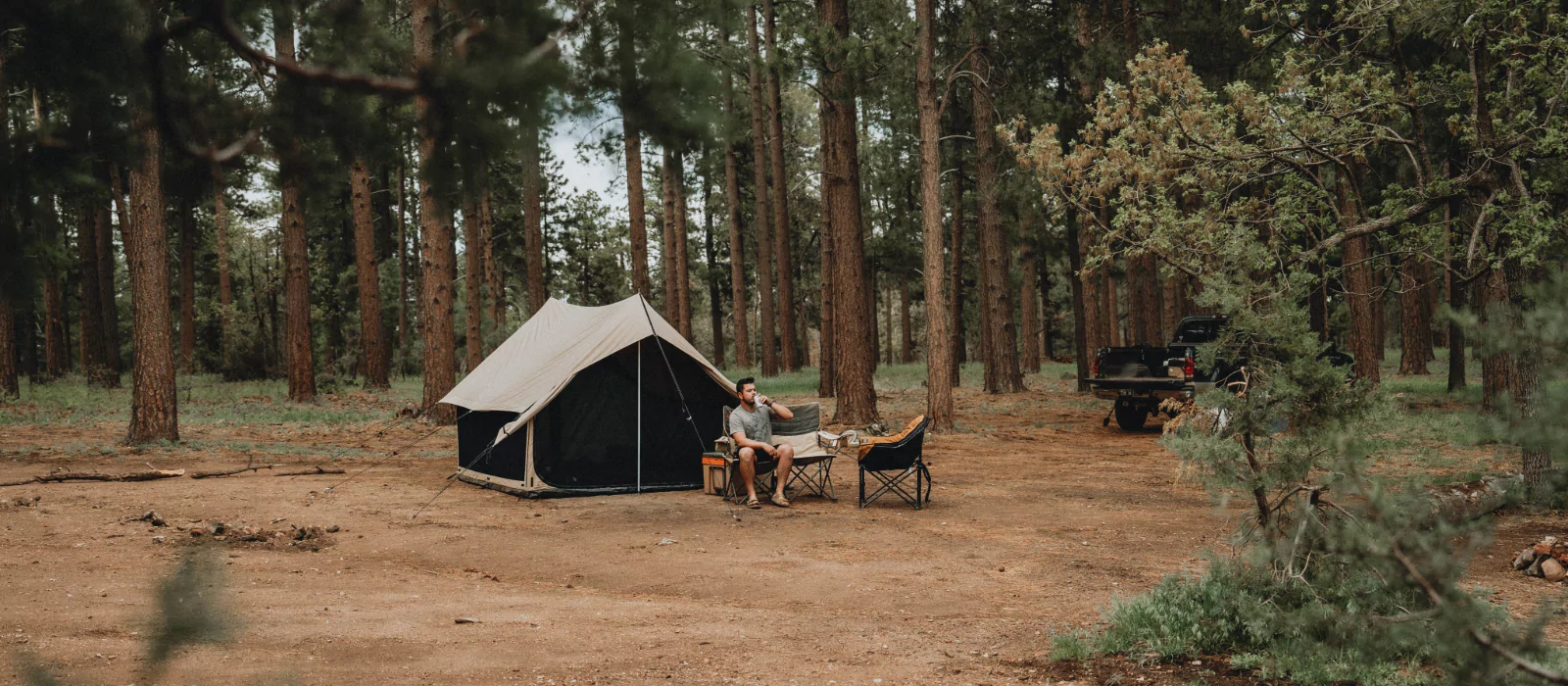
Summer is probably my favorite season for camping. Long days, starry nights, and memories that last forever. But there’s one thing that can ruin everything: a hot tent. I’ve been there. Tossing and turning in what feels like an oven while it’s only 85 degrees outside. Inside my tent? The surface of the sun.
Table Of Contents
You don’t need AC to stay cool. With the right tent cooling tips, you can beat the heat. These tricks work in deserts, humid forests, or just hot weekends. Read below to learn how to master cooling a tent in hot weather.
Why Your Tent Gets So Hot
Your camping tent becomes a furnace for simple reasons. Understanding them helps you fight back.
Sunlight hits your tent and gets trapped inside. This creates a greenhouse effect. Dark-colored tent material makes this worse because it absorbs more heat. From the inside, your body also makes heat while you sleep. In a small space, that warmth builds up fast.
Poor airflow makes everything worse. Many campers completely zip up their doors and windows and this traps hot air with nowhere to go. Also, the ground under your tent stores heat all day. At night, it radiates that heat back up.
Canvas tents handle heat better than synthetic ones. They naturally breathe and air moves through the fabric while keeping you protected. This is why smart campers choose canvas for hot weather.
Location, Location, Location
Where you set up matters more than anything else. Smart placement is your first defense against heat.
Find shade whenever you can. Trees cool the air around them by 10-15 degrees. No natural shade? Make your own with a sunshade tarp. Use your spare guyline and string it between trees or poles above your tent.
Higher ground is cooler. Heat rises, yes, but the air is thinner at higher elevations, making it cooler. So, camping uphill beats low spots. Avoid valleys where hot air gets trapped.
Watch the wind. Position your tent to catch evening breezes. Canyons often funnel cool air as temperatures drop. Point your tent opening toward these airflows. Wall tents from White Duck Outdoors have doors at both ends and windows on either wall, as well. During hot days these canvas tents are ideal in the summer.
Water helps too. Lakes and streams cool the air through evaporation. Camp close enough to benefit but far enough to avoid bugs and humidity.
Master Tent Airflow
Good ventilation is everything when cooling a tent in hot weather. Most people don’t open enough vents. One of the best tent cooling tips is to open everything you safely can. Roll up walls on canvas tents if possible. Unzip all mesh windows and doors. You want air flowing through, not sitting still.
Try to create a chimney effect. Open vents at the bottom and top of your tent. Hot air rises out the top while cool air creeps in the bottom. This natural flow keeps the air moving.
Think about wind direction. Turn your tent to catch breezes. Sometimes rotating just 45 degrees makes a huge difference. Canvas camping tents shine here. They breathe through the fabric itself. Synthetic tents only move air through zippers and vents. This natural airflow keeps the canvas cooler.
Choose Smart Materials and Colors
Your tent’s design affects temperature big time. Not all camping tents handle heat the same way.
Light colors reflect heat while dark colors soak it up. A white tent can be 20 degrees cooler than a black one in direct sun. That is a huge gap, color matters more than you think.
Canvas beats synthetic for hot weather. Cotton fibers let air move naturally. Synthetic materials trap heat like plastic bags. Canvas also insulates better, keeping temperatures steady. Finding a good moderate daytime temperature inside your tent will help you keep it cooler later in the day. This means you’ll be sleeping in moderate temperatures as well. Not too hot and not too cold.
Double walls help with heat. The air gap between layers provides insulation and better airflow. Single-wall tents struggle more with heat buildup.
Size matters too. Bigger tents heat up slower than cramped ones. Extra room also improves air circulation around your sleeping area.
Look for lots of mesh panels. The more tent accessories for ventilation, the better while multiple openings at different heights give you better options.
Block the Sun
Sometimes the best defense is offense. Stop heat before it builds up inside your tent.
A sunshade tarp above your tent works like magic. It blocks direct sun while air flows between the tarp and tent roof. The difference is dramatic. Position tarps 18-24 inches above your tent. This gap lets air move while continually providing shade. Use guy ropes and stakes for tension. No sagging allowed.
Canvas tarps work great. They bounce heat away instead of absorbing it. If you’re deep in the backcountry, emergency blankets make lightweight options for backpackers.
Think about the sun’s movement. Morning sun might feel nice for drying gear while afternoon sun from the west is brutal. Plan your shade accordingly.
Use natural features too. Pine trees, rocks, or hills can block the sun during the hottest hours. Get creative with what’s around you.
Timing is Everything
When you do things matters as much as how you do them. Work with nature, not against it.
Set up camp in the evening when it’s cooling down. Arriving during peak heat means working when it’s hottest. Considering that, try to plan activities for the cooler morning and evening hours.
Prep your tent for nighttime before dark. Open all vents and remove extra gear that holds heat. A backpack full of spare clothes is like a little heater in the corner. Pre-cooling makes a big difference later. The same goes for your hot body. Stay outside during the day (11 AM to 4 PM) when you can. Find natural shade or enjoy water activities. Your tent stays cooler when you’re not adding body heat.
Use water jugs as thermal mass. Large containers stay cooler than air temperature. Place them around your sleeping area to moderate heat. If you’re camping near water, keep your water jugs in the lake or river to lower their temp. Bring them in during the sweltering afternoon.
During that time, you can take afternoon naps in natural shade instead of your tent. A good spot under trees beats a hot tent every time.
Cool Your Sleep Setup
Even with perfect tent ventilation, your bed needs a little TLC for comfortable rest.
Get your body off the ground. Sleeping on a cot lets air circulate under your body and it will feel much cooler than sleeping on the ground. The earth absorbs heat and continues to radiate heat all night.
Pick light bedding. Heavy winter sleeping bags are miserable in the heat. Use summer bags or just sheets.
Cooling towels give instant relief. Soak them in cool water for your neck, wrists, or forehead. These spots cool your whole body fast. Also, sleep without socks on. Your feet trap a large amount of body heat.
Small camping fans make a real difference. Battery-powered models move air around your sleeping space all night. Look for quiet ones if you’re a light sleeper or you just want to hear the soothing sounds of nature all night.
Choose the right clothes. Moisture-wicking fabrics pull sweat away and dry quickly. Cotton feels nice but holds moisture, making you hotter.
Advanced Cooling Tricks
When basic methods simply aren’t enough, these tent cooling tips will come in handy during extreme heat.
Use evaporation cooling. Drape wet towels over your tent’s outside or spray down canvas tents with water. As water evaporates, it pulls heat away. If you’re near a river or lake, you can have cups or buckets full of water over the top as well.
Set up cross-breezes with multiple fans. One pulls hot air out while another pushes cool air in. This works better than one fan alone.
Try underground cooling where allowed. Dig a shallow spot for your tent floor. Soil temperature below the surface is usually cooler.
Position ice chests near tent openings to cool the incoming air as ice melts and absorbs heat.
Stay Safe in the Heat
Comfort matters, but safety comes first. Know heat illness signs and prevention.
Heat exhaustion shows as heavy sweating, weakness, nausea, and headaches. Heat stroke is worse with high body temperature, confusion, and hot, dry skin. Both need immediate help. Make sure you’re drinking water constantly, even when you’re not thirsty. I use sports drinks to replace lost electrolytes. And avoid excessive alcohol and caffeine that will cause dehydration.
Know when to quit. If temperatures are dangerous or you feel sick, find air conditioning. No trip is worth your health. Watch weather forecasts and heat warnings. Extreme heat advisories mean dangerous conditions even for experienced campers. Sometimes postponing is smart.
One thing that people often forget is their pets. Dogs, in particular, have a difficult time cooling down without immersing themselves in water. Make sure you have extra cool places for your pet.
Your Hot Weather Success Plan
Cooling a tent in hot weather isn’t just about surviving uncomfortable nights. It’s about enjoying amazing summer camping opportunities. With smart planning, good gear, and proven techniques, you can still stay comfortable when temperatures soar.
Different places need different approaches. Desert camping differs from humid forests so practice these methods on short trips before you commit to longer adventures.
Be proactive, not reactive. Plan heat management from choosing your campsite through your whole stay. Good preparation makes the difference between misery and adventure.
These principles work whether you use canvas tents or modern synthetic camping tents. Stay hydrated, stay smart, and adjust plans if conditions become unsafe.
Don’t let hot weather keep you home this summer when you could be making memories. With these tent cooling tips, you’re ready for whatever heat comes your way. Whether it’s scorching or freezing, I’ll be out there with you. See you on the trail.


No Comment! Be the first one.