
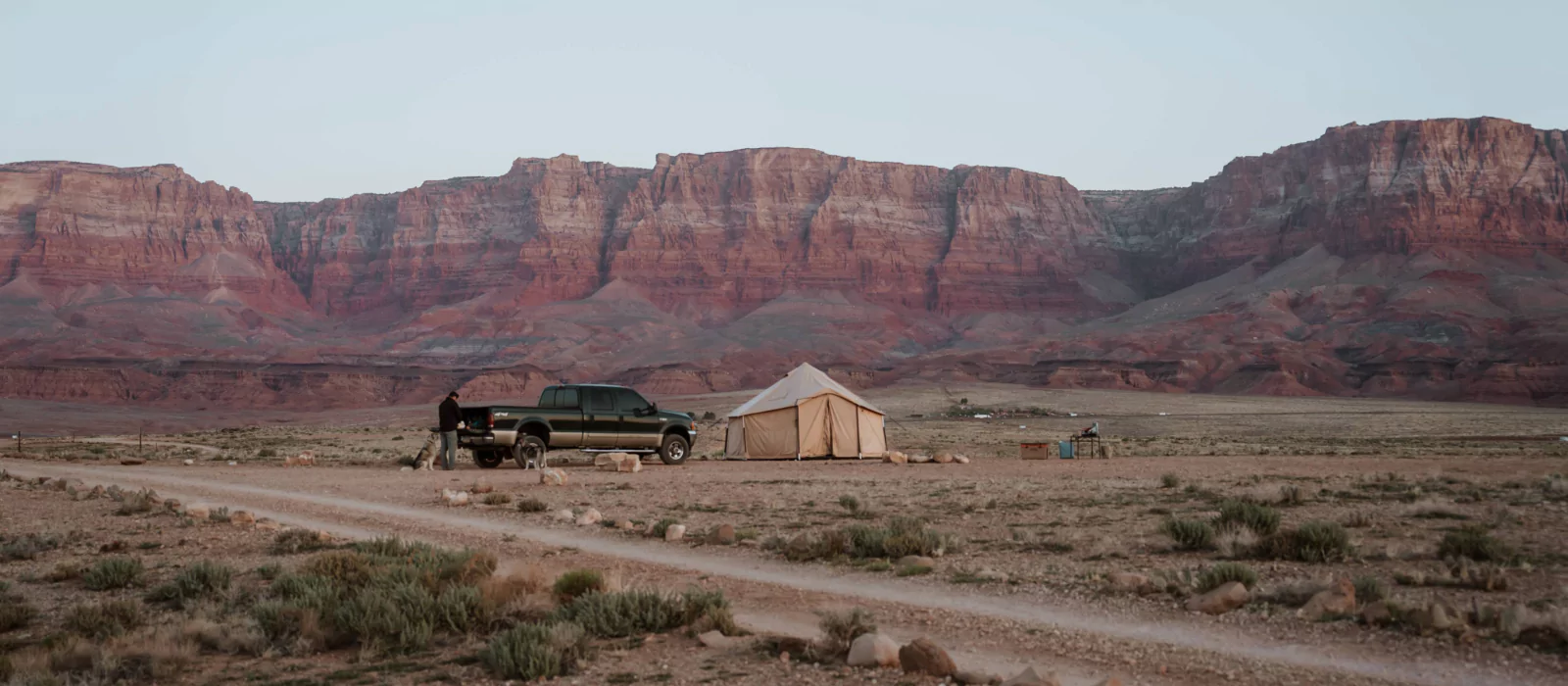
Planning an overlanding trip and not sure where to start? Or maybe you have plenty of overlanding experience under your belt but want to pare down your gear to the essentials or start fresh. Either way, it’s easy to get lost in the sheer amount of information and details out there about overlanding equipment.
Table Of Contents
In this article, you’ll find a streamlined breakdown of the eight essential pieces of equipment needed for a successful overlanding trip. While it’s always best to assess your personal needs, preferences, and activities to customize your packing list, this serves as a solid starting point.
1. A Reliable Vehicle
The vehicle you choose to travel with can make or break your trip. While there’s no need to go out and purchase the most updated off-roader on the market, it’s important to make sure that your vehicle is in good condition and fit for traveling a little off the beaten path. Check the tread on your tires, ensure you have a full-size spare, and perform basic maintenance on your vehicle before setting out on your journey.
A car with sufficient ground clearance and four-wheel drive will perform the best on moderate roads, or you can invest in all-terrain tires for extra stability on more difficult terrain. There are plenty of ways to modify your existing vehicle to make it optimally suited for Overlanding– think a rooftop tent, a kayak rack, upgraded and additional lights, and steering guards, just to name a few. If you’re only planning on a few shorter-term overlanding journeys, though, you should be safe with reliable four-wheel drive and plenty of fuel backup on hand.
2. Weatherproof Shelter
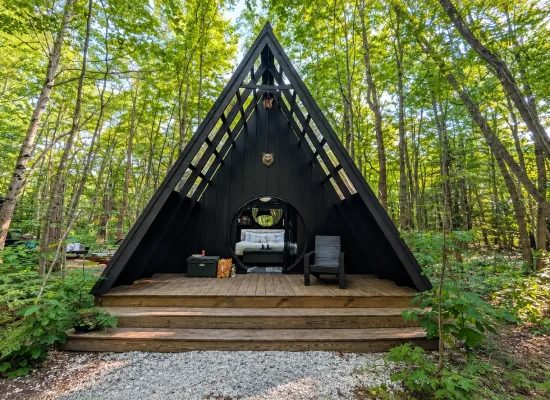
Since sleeping in your driver’s seat isn’t the most comfortable experience, nor is it truly capturing the awe and adventure that an overlanding trip promises, pay attention to your overnight shelter when planning.
Will you be mainly in warm climates, staying overnight in temperate weather and on flat ground? A standard three season camping tent might be a suitable option. It’ll set up and tear down quickly, take up very little space in the vehicle, and is a familiar and relatively comfortable way to spend the night.
Are you traveling in the colder months or do you think your journey will take you into more inclement weather? If so, you’ll want to consider a canvas four season tent. These tents are specifically designed to protect against strong winds, rain, and snow, all while providing a breathable and condensation-free experience indoors. While they take additional time to set up, a few nights’ stay in the same location, especially if you’ll be exposed to any kind of weather, will be much more enjoyable in a four season canvas tent.
To fully upgrade your overlanding experience, try a rooftop tent. Rooftop tents, appropriately named, are meant to sit on top of the roof of your car, giving you additional height for safety and comfort and making the camp setup process quicker than ever before. There are many different models of rooftop tents for sale, ranging in size, durability, and material, so find the one that best suits your vehicle and your needs before investing.
3. Satellite Communication
As with any adventure, safety is key. Overlanding often takes you farther out of cell phone range than you might expect. Even if you’ve packed a renewable power source and can keep your devices fully charged, you’ll likely find yourself with little to no access to cell service. Always carry a satellite communication device in case of emergency. These devices are small, lightweight, and built to last for years. However, if you’re taking one out of storage for an upcoming trip, test it beforehand to ensure it’s fully functional.
4. Insulating Sleeping Bags and Pads
Just like your choice in shelter, your choice in sleeping equipment will go miles towards making your trip a success. Check the R-value (resistance value) of both your sleeping bag and your sleeping pad– a low resistance rating means that your sleeping pad won’t insulate you from the cold very effectively, while a high rating can withstand even freezing or sub-freezing temperatures.
The sleeping pad will give you extra comfort and resistance from the ground chill, and the sleeping bag will keep your body heat regulated throughout the night. If you’re camping in cold weather, bring along sleeping equipment with an R-value suitable for at least ten degrees lower than the lowest temperature you expect to experience. If you’re camping in warm weather, a sleeping pad is still a great way to give added comfort and protection from morning dew.
5. Offline Navigation
Unlike hiking, where you spend the majority of your time following predetermined trails and venturing only as far away from the path as you can physically carry yourself, overlanding will take you into territory that you may never have explored before. Cell service could be nonexistent, and you may travel far enough away from your original road that disorientation is a real concern.
Be sure to download offline versions of your local maps as well as bring along hard copies. Mark up your hard copy maps with notes about how long and far you diverged from roads, where your campsite is in relation to nearby landmarks, and where the closest point of contact– gas station, hospital, convenience store– is in relation to where you are. Having multiple ways to navigate offline is essential to any overlanding trip.
6. Air Compressor
To protect your tires from punctures and to increase traction over uneven ground, it can often be helpful to air down your tires to a safe degree before driving. This number will vary depending on your vehicle and the terrain, so do additional research before beginning to air down your tires. You’ll need to air your tires back up to drive faster and/or over smoother roads, so bring along a good quality air compressor for easy transitions on and off the path.
Compressors can be a variety of sizes and strengths, but all will be labeled with a CFM rating. CFM, cubic feet per minute, refers to the amount of air a compressor can process in a given amount of time. Practically speaking, a higher CFM translates to a quicker inflation process– and more time on the road. You’ll also want an air compressor with high PSI– pounds per square inch– so your tire inflation is both quick and reliable.
7. Vehicle Recovery Kit
Overlanding will take you to some incredible views and memorable adventures– but it can also take you to places where your car may not be inclined to escape easily. Packing a vehicle recovery kit will save you a lot of time and hassle down the road if you ever face the possibility of having to rescue your vehicle from a sticky situation. Keeping this collection of tools on hand can save you from being stranded in an inaccessible area due to difficult terrain.
The basic elements of a vehicle recovery kit should include a kinetic recovery rope, rated for four times your vehicle’s weight, a tree saver strap at a minimum length of ten feet, a pair of recovery boards for extra traction and leverage, a strong shovel, and a good pair of gloves.
8. Campsite Essentials
This item is a substitute for a broader category of camping gear that will make your overlanding trip a success, even if the equipment itself isn’t specific to the challenges of overlanding itself. For example, while you might not need a bear-proof storage container, since you’ll be able to use your vehicle for food storage, you’ll still need proper ways to contain and carry any waste you create at the campsite. Invest in strong waste-containment bags, often odor-repelling as well, so you can easily follow Leave No Trace principles for each night of your journey.
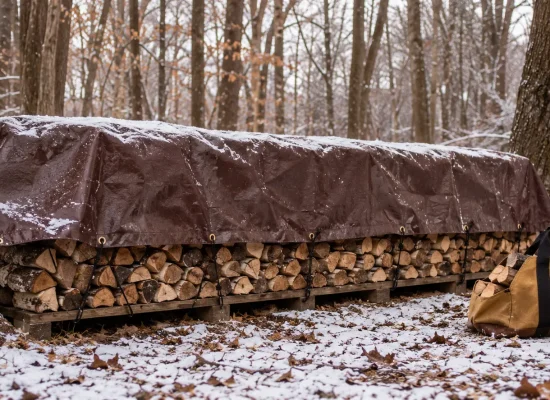
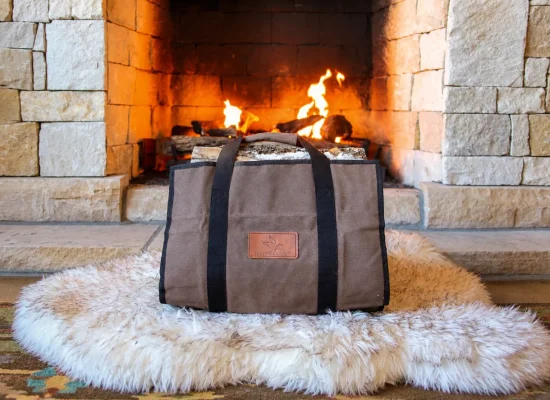
You’ll also want to bring along a few heavy-duty tarps—whether for ground cover under your tent, an impromptu tent shelter, or extra rain protection in case of unexpected weather. If you’re camping in an area where fires are permitted and find a safe spot for a campfire, bring a firewood log carrier to make collecting and transporting firewood easier.
And as always, make sure you have access to potable water, whether that be from a well-stocked supply of gallon containers you’ve brought along or from a water filtration and purification system.
The rest of your packing list can be borrowed from your usual camping essentials. A comfortable folding chair, s’mores supplies, and bug spray are just as useful on an Overlanding trip as they are at a designated campground by a lake. With these essential pieces of gear ready and waiting in your vehicle, you’ll be all set to hit the road.


No Comment! Be the first one.