

A tent stove is a great investment if you plan to camp regularly in colder weather. It keeps you warm and dry at night, helping you sleep well and wake up refreshed instead of shivering in the morning. Tent stoves also make it easy to prepare meals and dry out gear at the end of a long day—you have a convenient cooking space and a contained fire for drying damp items.
Table Of Contents
Once you have a tent stove, though, how should you best maintain it to keep everything in working order for as long as possible? First, we’ll break down a few of the most common types of tent stoves, detailing what makes them unique and breaking down the pros and cons of each variant. Then we’ll discuss general maintenance tips for optimal performance, regardless of the type of stove you’re using.
What is a Tent Stove?
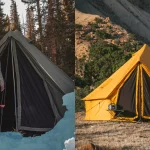
Generally speaking, a tent stove is a portable, wood-burning stove that is small enough to fit comfortably inside of a four season canvas tent. Four-season canvas tents are constructed of a multi-layered canvas blend material that has been treated with fire-resistant and water-resistant properties. These tents also have a stove jack cut out of their roof paneling to accommodate a flue pipe. This design, paired with the right stove accessories, allows you to safely use a tent stove inside your tent for indoor cooking, enjoying a fire while you drift off to sleep, and keeping you and your gear warm throughout the day.
Tent stoves are compact and can usually be folded in on themselves for easy storage and transportation. They require a flue pipe, also known as a chimney pipe (while the word “chimney” technically describes the outside of the pipe, and “flue” refers to the inside lining, the terms are used interchangeably when it comes to tent stove accessories), a spark arrestor, and a stove jack.
Three Main Kinds of Tent Stoves
Stainless Steel
Stainless steel tent stoves are an affordable and accessible option for your wood burning stove. There are many sizes and styles of stainless steel stoves on the market. Overall, stainless steel makes for a strong and stable tent stove with high heat conductivity and retention. These stoves will almost always take longer to fully cool down than you’d expect, so plan your camp teardown schedule accordingly so you’ll be safe from residual heat while cleaning and packing your stove.
Cast Iron
Cast iron stoves, while certainly heavier than any other tent stove option, make up for its additional weight with remarkable stability, resilience, and ability to retain heat. Cast iron stoves can withstand the extremes of both inclement weather and long-lasting heat, although they do take longer to fully heat up when you’re building your initial fire. These stoves are more prone to rust, though, so you’ll need to take additional care when cleaning to inspect every corner and crevice for residue. If you’re backpacking, don’t carry a cast iron stove– but if a car is doing the heavy lifting for you, a well-stocked cast iron stove will give consistent warmth throughout even the coldest of nights.
Titanium
Titanium tent stoves are by far the most lightweight and portable of the three major types of stoves. The metal is durable and can be manipulated into compact shapes for easy packing, travel, and long-term storage. Most titanium stoves feature fast-fold bodies and rolled chimney pipes, simplifying camp setup and teardown. Some models also come with larger removable stovetops, providing a bigger surface area for campsite cooking.
These stoves are highly heat-conductive because heat travels through the thinner metal faster than it does through cast iron or stainless steel. The stove and its surroundings will heat up quickly, but they will also cool quickly. Keep this in mind when planning your firewood usage—you’ll need to regulate how much and how often you add wood to maintain a consistent temperature.
General Maintenance Tips
Season Your Stove
If you’re using a new tent stove for the first time or if it has been in storage for a while, set aside a few hours before your trip to season it properly. Much like when you’re preparing a new cast iron pan for cooking, seasoning your tent stove is a process of cleansing the material of any harmful coatings or residues while building a protective layer on the metal. Stoke a small fire in the stove, open the vents, and let it burn for a few hours in a well-ventilated area until any residual odors are gone.
Clean Regularly
After each use, brush out any leftover ashes or debris from inside your stove. When you’re ready to pack up camp and set the stove aside until your next adventure, allow it to cool down completely– inside and out– before beginning to clean and dismantle any pieces. A wire stove brush or small trowel helps remove soot and ashes or use your fireproof gloves to gently remove any remaining debris by hand. This will also help your fresh wood burn brighter for longer by keeping the majority of the stove clear for usable tinder.
If you forget to clean your stove well, grime and soot will build up and make the joints stiff or potentially unusable. Creosote, a dangerous byproduct of burning firewood that contains tar, can quickly build up in your flue pipe and release toxins into the air while blocking proper airflow.
When unpacking your stove after a hiatus, take your wire brush and run it over each piece of the stove, paying careful attention to the false bottom and to the hinges at the legs, to make sure that any excess rust or corrosion is gone. A little rust won’t hurt, but you don’t want it to build up and begin to damage the effectiveness of the stove. You can also oil the joints with a non-petroleum-based oil. Clean the chimney thoroughly so that each section is free from creosote or debris.
While you’re actively using your tent stove, brush out the ashes and debris with a stove brush once per day to keep the stove operating at its full efficiency. Inspect each element and clean and oil it well once you’re ready to put the stove back into a cool and dry location for storage. For longer trips, do a full wire brush cleaning once a week.
Pack Well
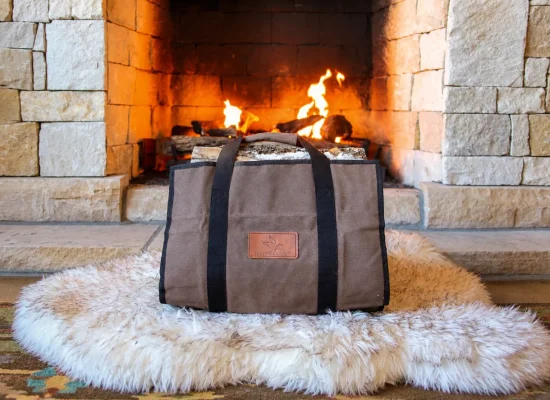
Using a tent stove properly requires regular maintenance, as we’ve discussed, and keeping both the operation and cleaning process safe and efficient is essential. Invest in a durable pair of fire-resistant gloves—a face mask is also useful for protection against smoke inhalation from larger stoves—along with a thin wire brush. Before use, check the quality of the seal on your stove jack and ensure the spark arrestor is free of dust or grime. A log carrier bag is also handy for transporting firewood and keeping tinder dry. If you’re camping on uneven ground, bring a fiberglass burn mat or a large piece of plywood to create a stable platform under the stove, helping with both heat conduction and stability. Additionally, always keep a fire extinguisher nearby in case of stray sparks. Your tent stove accessories play a big role in enhancing your experience, so don’t overlook these key elements of your packing list.



No Comment! Be the first one.