
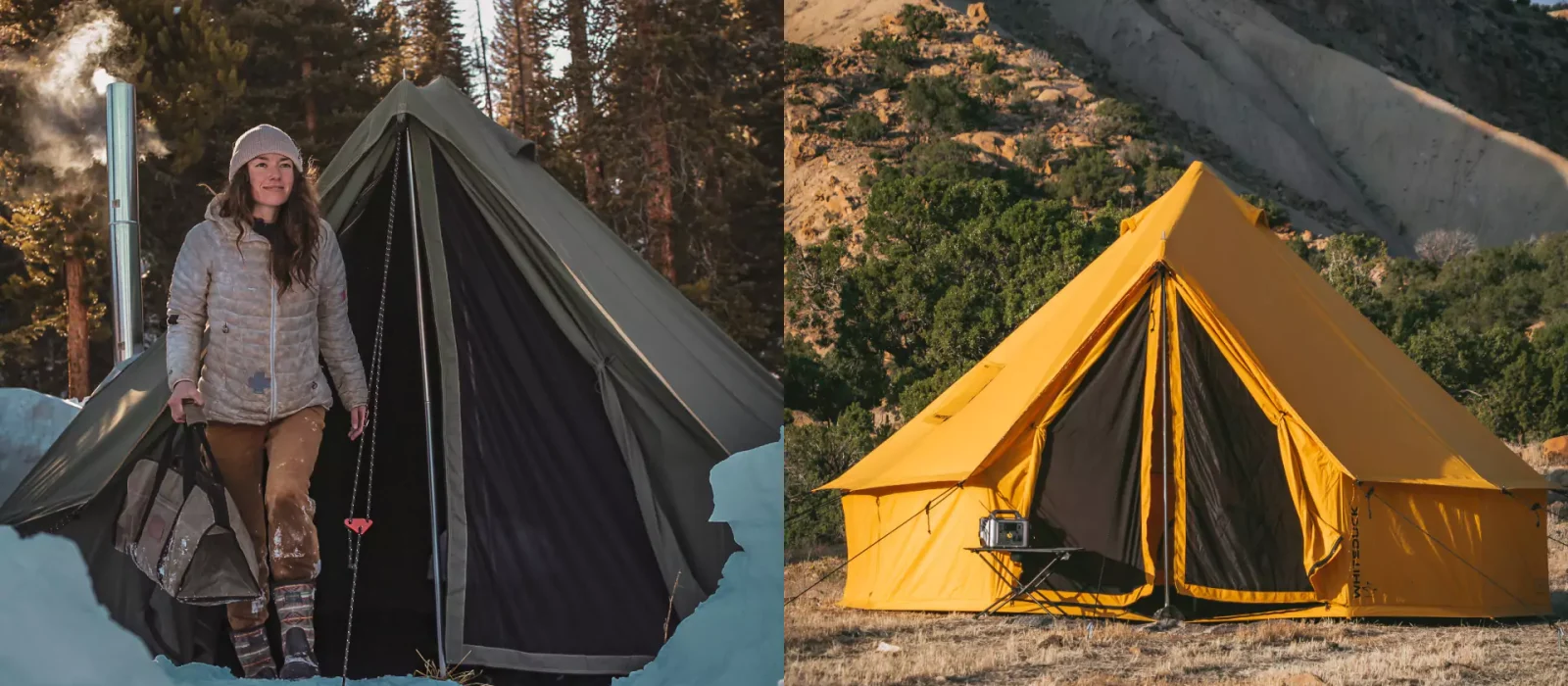
Camping is a great activity year-round, but your usual campground setup might need a few adjustments before you pack up and head out on your next adventure. To go camping in the summer, you’ll need to focus on protecting yourself from heat and potential insects, but your gear will be more lightweight and allow for greater flexibility in activities. Winter camping, though, requires more heavy-duty equipment and a focus on protection against inclement weather. Read on for more specific ways to adjust your gear and choose the best equipment for seasonal camping success.
Table Of Contents
Tents
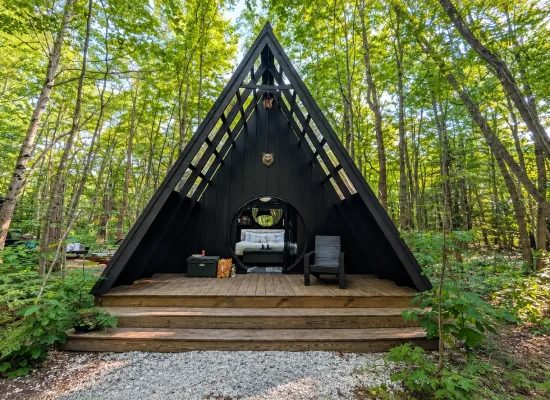
If you’re a seasoned camper, you’ve likely heard the terms “three-season” and “four-season” used to describe different tent setups. These terms refer to tents designed for different weather conditions and outdoor adventures year-round.
One-Season: Summer
One-season and two-season tents do exist, but they’re less common due to their specific uses. One-season tents, like pop-up beach tents, are designed for the mildest weather. They provide excellent shade in the summer but aren’t the best choice for overnight camping.
Two-Season: Spring and Summer
Two-season tents are slightly more structured than beach tents and can come with or without a rainfly. However, they are not designed to withstand heavy rainfall or strong winds. If you’re looking for a summer-only shelter, a two-season tent is a great lightweight option for warm weather, but it won’t protect in colder conditions.
Three-Season: Spring, Summer, Fall – and Mild Winter
Three-season tents, designed for spring, summer, and fall, are made from durable nylon or polyester to withstand strong winds and heavy rainfall. The tent’s rainfly, combined with its mesh lining, provides both ventilation and water resistance. If your gear can handle the cold and you’re not camping in extreme snowfall, a three-season tent can serve as a decent shelter in mild winter conditions.
If winter camping with a three-season tent, pitch it on a spot with minimal snow or ice. Overnight, body heat can cause snow and ice beneath your tent to melt, then refreeze by morning, potentially sticking your tent to the ground. Where avoiding snow is impossible, pack it down firmly with your feet and place a heavy-duty tarp under your tent for extra insulation.
For summer camping, simply find a shady, flat spot to set up your home-away-from-home.
Four-Season: All Year and Intense Winter
Four-season tents are the most durable and sturdy of all tent categories. These tents are typically made from canvas or a canvas blend that has been treated for UV, heat, and water resistance to withstand harsh winter conditions. They are excellent for camping in cold weather, or if you’re interested in hot tent camping with a wood-burning tent stove, but they can be bulky and difficult to ventilate when you want to let cooler air in during the summer months. If you need a four-season tent for year-round use, consider a canvas wall tent or bell tent. Their spacious interiors provide ample room for gear and sleeping arrangements, while large windows offer ventilation when needed.
Tent Accessories
Although you could camp in almost any weather with a strong three or four-season tent, planning a trip at different times of year requires special attention to the extra elements of your tent setup.
Winter:
During the day, you might be out enjoying the snow and cold weather with various winter activities, but back at camp, you’ll need a warm sleeping setup to get sufficient rest through the night. Look for an insulated sleeping bag with a draft collar or hood and a temperature rating at least ten degrees lower than the coldest temperatures you expect to experience. Bring a moisture-wicking, insulated sleeping mat to prevent heat loss from the ground, and always change into dry clothing before turning in for the night.
If you have a four-season tent with a built-in stove jack, you may want to invest in a wood-burning tent stove for added warmth throughout the night—and a hot breakfast without stepping outside in the morning.
Summer:
In the summer, swap out the insulated sleeping bag for a lightweight, breathable “summer bag” that provides the comfort of a blanket without the risk of overheating. The moisture-wicking sleeping mat you used during the winter will still come in handy in warmer months to keep your sleeping materials away from dew and to create extra cushioning between you and the ground. Similarly, keep the heavy-duty tarp under your tent for moisture protection overnight—or consider using a hammock with mosquito netting as an alternative to a traditional tent. Replace your tent stove setup with a portable tent air conditioner, or simply pack extra water bottles and a purifying filter to stay hydrated in the heat.
Camp Setup
It’s easy to learn how to spot the perfect campground, but the criteria to look for vary depending on the season.
Winter:
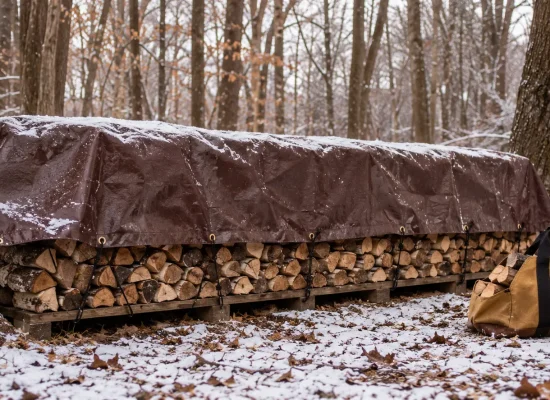
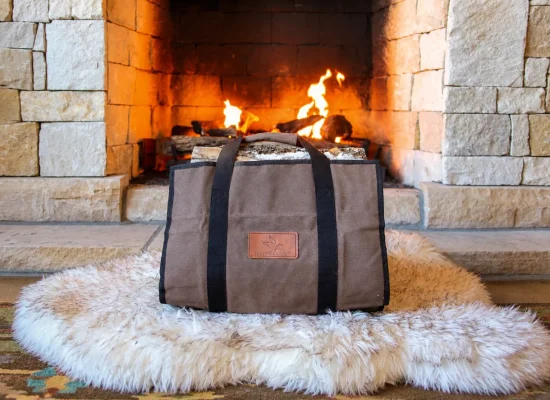
In the winter, set up camp in a forested area or in a nested spot where one side of your tent can be near a natural wind buffer, like a small hill or cliffside. This will help keep you warmer by breaking up the force of the wind if it picks up strength, and will protect you from the full force of any snow or rainfall. Keep an eye out for any source of dry firewood, and bring along a canvas firewood bag that will serve as an extra layer between your wood and any ground moisture. You can also carry fire starters and waterproof matches if dry wood is hard to come by.
Summer:
When the weather is warmer, you’ll want to have shade top of mind when choosing your campsite. Look for a space that is clear enough for your tent setup, but surrounded by trees or natural outcroppings to provide shade from direct sun. Having a plethora of trees nearby also gives you the perfect place to store your food, high in a tree in secure bear bags or bear-resistant containers, to prevent spoilage and keep animals away from your campsite.
Clothing
No matter the season, be sure to wear a base layer of lightweight, moisture-wicking clothing to help keep sweat off of your body. This will regulate your internal temperature and allow you to retain heat better in winter, and to stay cool consistently in summer.
Winter:
Use the three-layer rule to dress properly against the cold. Your first layer, the one closest to your skin, should be moisture-wicking and breathable, just like in the summer. For insulation, add a second layer—wool, fleece, or down jackets, for example—to trap your body heat and keep you warm while remaining relatively lightweight. The third layer should be a waterproof and wind-resistant jacket to keep you dry while allowing your middle layers to do the heavy lifting of keeping you warm. Look for waterproof shoes or boots to wear over breathable socks, preferably ones specifically designed for hiking or outdoor use.
Summer:
Outside of your base layer, it’s important to make sure that you’re adequately protected from any harmful UV radiation in the summer heat. Wear sunscreen on any exposed skin, and use a brimmed hat to protect your face and regulate your body temperature.
All Year Round
Camping is an activity worth investing in and enjoying year-round. Most of your gear, whether it’s a favorite sleeping mat or a reliable three-season tent, works well in all but the most extreme weather conditions. That being said, it’s important to recognize the parts of your packing list that require key swaps or upgrades—like mosquito netting for humid summer nights or an extra-insulated sleeping bag for winter’s coldest temperatures—to ensure the best camping experience in any season.


No Comment! Be the first one.