

When it comes to essential hunting and outdoor gear, the canvas tent is about as timeless and versatile as it gets. No matter the terrain, a canvas tent offers a practical solution to the ever-present battle against the elements. While technology, gear, and hunting practices have radically evolved, canvas hunting tents continue to stand the test of time. The classic canvas tent provides reliable, warm shelter for everyone who spends their fall and winter months tracking and harvesting big or small games. In this blog, we will explore the historical significance of canvas tents, their many benefits, and how they have evolved to stay modern and relevant to outdoorsmen and women everywhere.
Table Of Contents
- The History of Canvas Tents
- Where Did Canvas Come From Anyway?
- Early Days
- The Simultaneous Evolution of Hunting
- The Advancement of Hunting Tents
- Design Evolution
- The A-Frame Canvas Tent
- Cabin Canvas Tents
- Dome Tents
- Wall Tents
- Improvements to Functionality & Comfort
- Waterproofing
- Ventilation
- Setup Efficiency
- Why Choose Canvas Tents for Hunting?
- Durability/Longevity
- Comfort & Airflow
- Water & Weather Resistance
- Easy Maintenance & Repairs
- Environmental Friendliness
- Versatility
- In Conclusion…
The History of Canvas Tents
State the obvious–using tents for shelter is not a new idea. Humans have been using tents for protection from the elements, a cozy space to relax, gather with family and prepare food since the beginning of time. Canvas, though, is relatively new in comparison. Ancient North American tribes and East Asian nomads used animal skins and furs to construct their tents until the revolutionary concept of woven fabrics came about–history shows this happening around 17th/18th century Europe. Textile production advanced with the rise of the Industrial Revolution. Canvas was among the first textiles to be mass-produced and was initially woven from hemp or flax fibers.
Canvas was preferred to other materials in its early days for the same reason it is now–it was flexible, strong, and durable against harsh conditions and various climates.
Fast forward to the 19th century, when wars raged across the globe. Production of canvas was easier, faster, and more widespread than ever. Canvas tents were used across the globe by military forces on the front lines due to their abundance and affordability. During this time, the Napoleonic Wars were taking place in Europe, and soldiers were housed, fed, and doctored inside canvas tents during battles. Across the ocean and about 60 years later, the Civil War broke out in the United States. Both Northern and Southern forces used canvas tents as shelter as they were not only strong but easy to transport as the war moved across the East Coast. The shocking ability of canvas tents to withstand the constant setup and tear down as well as the general chaos and violence of war made them an impressive choice for civilian use in the years that followed.
Where Did Canvas Come From Anyway?
Early Days
The original “canvas” material was a heavy, thick, durable fabric made from pressed cotton, hemp, or flax fibers. In fact, the word canvas itself was derived from “cannabis”– otherwise known as hemp. The fibrous materials were woven extremely tightly to create a sturdy, waterproof barrier between the tent’s inhabitants and the outdoor conditions. To give you an idea of how strong and water resistant the material is, it is said that one of the first actual uses for canvas sheets was as early as 3,000 B.C. for ship sails. Knights, soldiers, and artists carried canvas tents along with them on their adventures across the globe during the Renaissance period– a testament to how climate-flexible the material actually can be.
Honestly, not much about the actual construction of canvas material has changed. However, around the mid-1800s, commercial cotton production in the United States was soaring. This made the production of the material even more abundant as it provided yet another fiber from which to weave the canvas. Settlers pushing westward sought out canvas tents for shelters and sheets of canvas to cover the wagons that held all of their belongings.
The Simultaneous Evolution of Hunting
In North America, hunting started to become more organized and (dare we say) commercialized around the 19th century. This was likely a result of westward expansion. People needed a way to feed their families as they traveled. Early hunters and trappers in the Rockies, Alaskan wilderness, and throughout Canada used large canvas tents for basecamps. They’d explore, hunt, forage, and trap during the day and return to a shelter large enough for the whole group at night. These early canvas hunting shelters were a reliable place to store equipment and supplies while offering protection from unfamiliar weather and predators.
Across the ocean, trophy hunting was on the rise. Wealthy Europeans frequented the African plains in search of big game like elephants, giraffes, leopards, and antelope. As demand for safari hunting expeditions in Africa grew, so did the demand for canvas hunting tents.
The Advancement of Hunting Tents
As hunting practices and civilization advanced, so did the design of tents. As hunting began to become more of a skilled sport than a frantic necessity, manufacturers started to tailor the tents to hunters’ preferences. In the beginning, canvas tents were large and rectangular. This made for easy setup and plenty of room for families and groups. Early canvas hunting tents were simple but functional.
Design Evolution
As the 20th century progressed, tent manufacturers started getting more and more innovative. Since the goal was to make hunting tents more effective, these early improvements to canvas design led to the introduction of models hunters still love to use today.
The A-Frame Canvas Tent
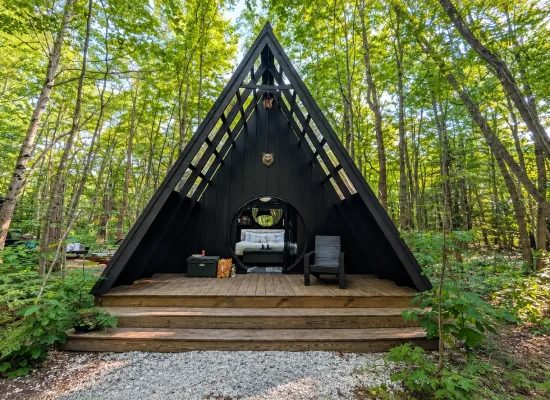
The A-frame was used during the Civil War to house Union and Confederate soldiers. It was favored because it offered better wind resistance and room to stand up. The frame itself was designed to be more sturdy but still simple enough for a quick, easy setup. A-frame canvas tents were used during WW1 for this purpose as well.
Cabin Canvas Tents
Cabin tents, inspired by early Byzantine tents, rose in popularity in response to lengthier hunting trips. Hunters wanted headroom and plenty of space to move about in a shelter they would stay in for days or weeks at a time. A cabin tent most closely mimics the shape of an actual house, which served as a significant improvement at old-timey basecamps just as it does today.
Dome Tents
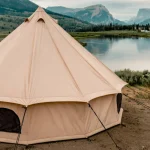
Dome tents, like cabin tents, were an improvement to the hunting world made in the name of spaciousness. Bell tents were derived from Native American tipi designs. They’re favored for their simple setup, usually just a single pole in the center to hold up the canvas covering. Hunters needed a place to store gear, sleep, and stay warm. In a dome-shaped tent, you no longer have to sacrifice space to sharply slanted corners. Modern yurts and bell tents fall into the “dome” category–though both have been around since ancient times.
Wall Tents
Hence the name, these tents feature four tall, vertical walls and ample moving-around space. There are paintings of wall tents as early as 1544, showing an open-faced, temporary structure with tall walls much like a pavilion. Now, they are favored for backcountry hunting and long-term basecamp setups. Wall tents can be packed into camp by horse, truck, or manpower and left standing at a central location for the entire duration of hunting season. Canvas wall tents are an awesome option for those who want to use a tent stove inside, as well, as most come with stove jacks and proper ventilation/fireproofing.
Improvements to Functionality & Comfort
Waterproofing
Since the beginning, canvas has been treated to resist water. In the early days, this was done with oils, animal fats, waxes, or paints. After all, what’s the point of a shelter if it’s going to leak or just be a heavy, soggy mess? Modern canvas, though, is treated with silicone or polyurethane. These effectively waterproof coatings came about after years of trial and error.
Ventilation
As crazy as it sounds, strategic tent ventilation is a relatively modern development. Modern canvas tents include adjustable windows with mesh coverings. This allows for plenty of healthy airflow, while still keeping unwanted critters out.
Setup Efficiency
While older tents were likely heavier and probably required more hands to set up, modern canvas tents have evolved to be manageable even for solo campers. This is largely a result of improved pole frames and easily understood color coding.
Why Choose Canvas Tents for Hunting?
If I haven’t already convinced you that canvas tents are a tried-and-true shelter choice, here are a few more unique advantages that keep them at the top of hunters’ must-have gear lists. Let’s talk about the benefits of modern-day canvas tents to the whole hunting experience.
Durability/Longevity
Canvas has a reputation for being exceptionally long-lasting. Its natural heavy-duty quality stands firmly against high winds, heavy rains, and dense snow or ice. Compared to synthetic materials which degrade over time, canvas maintains its natural integrity and superior strength for years of tough conditions. For hunters, this is absolutely essential. Many times, hunters will trek into the most rugged terrain with the most unpredictable conditions tracking their prey. Canvas is even resistant to tears and punctures, which makes it ideal even for densely wooded or rocky basecamps.
Comfort & Airflow
While being extremely durable, canvas is still one of the most breathable fabrics. It allows unwanted moisture to escape, keeping condensation inside the shelter to a minimum. This is true even in humid climates or rainy conditions.
On the other hand, canvas is a great insulator. Modern hunters as well as early settlers choose canvas because it allows for breathability during warm days, but keeps warm during cold nights. This is still true for campers and hunters today. Temperature regulation and insulation are a huge advantage in areas with widely fluctuating day and night temps.
Water & Weather Resistance
Canvas tents are also known for their superior weather resistance. A canvas tent that is relatively well maintained keeps hunters dry and warm in rain, snow, or high winds. Because canvas fibers are so tightly woven and are typically waterproof coated on top of that, canvas tents are able to not only protect from water but repel it.
It’s important to note that some are even treated with fire retardant coatings, so hunters stay safe inside when using a tent stove or when there’s a campfire nearby.
Easy Maintenance & Repairs
Canvas is super easy to repair, even in the field. This alone makes canvas tents most desirable for hunters who often set out on a hunt in very remote areas. Small tears can easily be sewn up with a normal sewing kit or patched with really any cotton material. On the other hand, synthetic tents are much harder to repair and usually need professional care. No one wants to find themselves with a damaged tent on night one of a weeklong, rainy/snowy backcountry hunting trip.
Environmental Friendliness
Since ethical hunters are, by nature, conservationists and environmentally conscientious, it matters a lot to use eco-friendly materials at hunting camps. Canvas tents have an extremely minimal environmental impact, making them ideal for “Leaving No Trace.” Since canvas is a truly natural material, it’s biodegradable. Even still, the canvas lifespan is much longer than a synthetic tent, thus reducing the amount of waste produced by hunters who use it.
Versatility
Canvas tents can of course be used for more than just hunting. So if you’re an outdoorsman or woman beyond just hunting season, you’ll be set year-round when you invest in a canvas tent. Whether you choose to hunt in the mountains, deep woods, or leisure camp on a beach– your canvas tent is an appropriate and reliable choice. Canvas tents are strong enough for long-term camping but simple enough for short weekend trips or single night excursions. Tent versatility is key for the versatile hunter.
In Conclusion…
From ancient nomadic peoples to explorers to military combat missions, canvas tents have served many important purposes. Over time, hunters and explorers helped manufacturers refine canvas tents into what they are today. After centuries of trials, today’s hunters and outdoor enthusiasts can enjoy superior breathability, longevity, ventilation, and comfort in canvas tents. However, we must credit the highly regarded qualities of canvas material itself to those early civilizations who made brilliant use out of the natural fibers available to them. Next time you find yourself at a hunting base camp in your canvas tent, you will have taken your rightful place in a long line of humans who have enjoyed the shelter and comfort of the same structure over their heads. Now THAT’s cool! Happy hunting!



No Comment! Be the first one.