

Hunting is not only an exhilarating outdoor hobby, but an absolute necessity for many. A single kill fills a freezer for a family for a whole year, saving money, time, and waste otherwise generated by purchasing meat from the grocery store. Whether you are a seasoned hunter or a beginner, having the proper gear is essential to a safe and successful hunting trip. Packing for a hunting excursion requires much more than just the weapon you will be using– it requires the right combination of clothing, tools, and accessories that ensure you can efficiently spot, track, and harvest your game. In this guide, we’ll walk through the essential pieces and parts of every great hunting trip–we’ll even construct a general checklist you can utilize when preparing to head out on your next hunt, whether you are embarking on a weekend deer hunt or a multi-day expedition.
Hunting Weaponry
Firearms
- Rifle: You will need a reliable hunting rifle if you are heading out on a big-game hunt such as deer, elk, or moose hunting. Choose a caliber appropriate for your prey– be sure to do extensive research ahead of time.
- Shotgun: A shotgun is ideal for hunting birds such as ducks, pheasants, or turkeys– or for small game like rabbits or squirrels. Again, appropriate ammunition is key.
- Ammunition: Always pack extra ammunition– more than you think you will need. There could be nothing more catastrophic than realizing you are out of ammo at a make-or-break moment during your hunt. Store your ammo in a waterproof case or pouch to keep it dry.
Archery Necessities
- Bow: If archery hunting is your thing, your bow will be the most crucial piece of gear. Consult a professional when purchasing your bow, one that properly fits your draw length and is properly equipped for the type of hunting you’re doing.
- Arrows: Be sure to bring along a variety of arrows suited to your bow and to the game you are on the hunt for. As before, it is always a good idea to pack more arrows than you think you’ll need.
- Broadheads: Broadheads are the tips that attach to your hunting arrows. You will have a choice between fixed or mechanical broadheads depending on your personal preference.
- Release Aid: For compound bows, these are helpful tools that improve accuracy and consistency in your shooting.
Hunting Camp Basics
Camping Tent
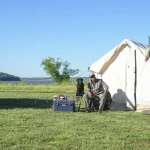
- A wall tent is suitable for long-term camping setups, which is perfect for those who prefer to pack in a heavy tent one time with the help of vehicles or horses, and leave it in the same place until the season is finished. This way, all hunters in the group have a home base they can rely on when out on a multi-day hunt.
Sleeping Gear
- Sleeping bags should be rated for temperatures even lower than what you expect to encounter– down to -30°F for winter hunting in harsher climates. Down insulation is best, as it is lightweight, compressible, and retains warmth.
- Mummy bags offer pristine insulation, and heat retention, and are more compact for saving space inside your tent.
Cooking Gear
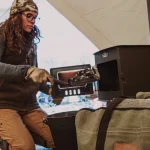
- Portable Tent Stove – A portable tent stove is an essential piece of camping gear for both heating and cooking inside your tent. You will want one that breaks down compactly, making for easy transport as you pack it into hunting camp. Having a tent stove enables you to keep warm and cook inside your shelter regardless of weather conditions outside.
- High-Energy Snacks – Don’t forget lots of nutrient-dense snacks like protein bars, dried fruit, etc. in order to keep your energy sustained!
Appropriate Clothing for All Conditions: Layering
Here’s a short but comprehensive list of the personal gear basics to toss in your camping bag.
- Base Layer – Start with breathable, moisture-wicking fabrics like merino wool. These pull sweat away from the body and allow it to evaporate, rather than cotton which traps moisture and can lead to unnecessary chilliness and in the worst cases, hypothermia.
- Mid Layer – The next layer should consist of insulating materials like fleece or down, which provide warmth. This mid-layer will trap and keep body heat in while still allowing moisture to escape.
- Outer Layer – Your outermost layer should be waterproof, and windproof, but still breathable. Look for jackets and pants that are made of durable waterproof fabrics like Gore-Tex for example.
Neutral colors and camouflage (obviously) serve to help you blend into your surroundings, which is absolutely crucial whether you are hunting for small or large games.
Hats and Gloves
- A camouflage or neutral-colored hat is necessary in cold weather as most body heat actually escapes via the scalp. Not only will a hat keep you warm, but a hat with a bill helps keep the sun out of your eyes and can even enhance your camouflage.
- Choose gloves that allow for dexterity but are structured enough to still provide warmth and protection against the elements. Consider choosing a pair of gloves that feature zip-off fingertips for safe and easy use of your firearm or bow.
Footwear
- Waterproof, insulated boots are a non-negotiable piece of a hunter’s outfit, paired with comfortable, moisture-wicking socks to keep your feet warm and prevent blistering. We recommend wool socks.
Pack and Game Storage
A high-quality hunting backpack allows you to carry your gear efficiently and pack out your kill. A good pack should be large enough to hold everything you need, sturdy enough to distribute weight evenly, but not so bulky that it completely hinders movement. A few key features to look for are:
- Hydration System – Some packs come with a built-in water reservoir or a hydration bladder that ensures you can stay hydrated without having to constantly dig in your pack for a water bottle– they even come with an attached straw you can stop and sip from.
- Pockets and Compartments – Having plenty of extra compartments and nifty pockets is good for storing essential yet easily lost small items such as calls, knives, extra ammunition, and other personal effects. Larger compartments keep your food, extra clothing, tools, and first aid supplies organized and easy to locate.
- Game Carriage – Often, packs are equipped with extra straps and even game bags for hauling out field-dressed elk quarters, deer meat, or other game materials back from the field.
Navigation Tools
As is a concern when doing any type of exploring or activity in the woods, getting lost is one of the biggest, scariest, most important obstacles for hunters to avoid when tracking a game. It’s essential to carry tools that can help you navigate through seemingly endless forests back to camp or to your vehicle.
- Map and Compass – Yes, we realize it might feel a little archaic to carry a topographical map and a physical (weatherproof!) compass when you probably have a cell phone in your pocket but remember that there is no cell service in most places you will probably trek on your hunt. You’ll be glad you have traditional navigation.
- GPS Device – In addition to your map and compass, a handheld satellite GPS is a lifesaving tool.
- Smartphone with Offline Maps – The most-used navigation tool: your smartphone. Many hunters use apps (such as onX Maps) with offline map capabilities for GPS tracking. Don’t forget your portable charger!
- Satellite Phone or Two-Way Radio – When hunting in a remote area without cell service, these can be life-saving tools.
Optics
- Binoculars – High-magnification, lightweight, waterproof binoculars are necessary for spotting games at long distances.
- Rifle Scope and Bow Sights – A high-quality scope for your rifle or sight for your bow is crucial for targeting and accuracy.
Emergency & First Aid Gear
Whether hunting alone or with friends, always be prepared to address an injury or emergency.
- First Aid Kit – A well-stocked first aid kit should include bandages, antiseptic wipes, gauze and medical tape, ibuprofen, and any personal medications you require. It wouldn’t be a bad idea to throw in bug bite ointment or antihistamines.
- Survival Gear – This includes gear like a fire starter, whistle, emergency blanket, and multi-tool that can be lifesaving.
- Hunting Knife – A sharp, durable knife is essential for field dressing. It should be easy to sharpen and stay sharp for multiple uses.
Tools and Accessories
- Game Calls – Attract your target– this is especially useful for elk or bird hunting.
- Field Dressing Kit – A set of knives, a bone saw, and gloves make up a quintessential field dressing kit. It would also be beneficial to bring along a game bag to store the meat after harvesting it.
- Scent Control – Scent-blocking sprays, detergents, and scent-free soaps mask human musk. Deer and elk have acute senses of smell, so this is crucial for big game hunts.
- Headlamps & Flashlights – If you are hunting before or after light, you will need to bring along a reliable light source.
- Coolers – A large, high-quality cooler is essential for post-hunt keeping your meat at a safe temperature until you can butcher it.
In Conclusion…
A successful hunting trip relies not only on your hunting skills but also on the quality of gear you bring along. Even the greatest hunter can have a mess on their hands if they lack proper gear and tools. The list above has been optimized to keep you as safe, comfortable, and efficient as possible in the field. Best of luck out there, hunters!


No Comment! Be the first one.